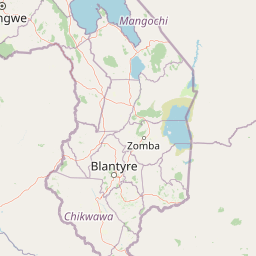
Why Lake Malawi National Park stands out
Lake Malawi National Park is world-renowned for its extraordinary cichlid fish diversity. The lake contains approximately 350 species of cichlids, known locally as mbuna, nearly all of which are endemic to Lake Malawi. This represents one of the most spectacular examples of adaptive radiation in vertebrates, comparable to Darwin's finches on the Galápagos Islands. Each rocky islet, bay, and stretch of shoreline may harbor species found nowhere else on Earth. The park also protects significant terrestrial wildlife including hippos, leopards, baboons, and over 500 bird species, set against the dramatic backdrop of the Great Rift Valley escarpment.
Lake Malawi National Park history and protected-area timeline
European discovery of Lake Malawi came through Dr. David Livingstone, who became the first outsider to see the lake, then known as Lake Nyassa, in 1859. By 1875, the Scottish Presbyterian Church had established a mission at Cape Maclear, adding a layer of colonial history to the area. A remarkable ancient baobab tree, estimated to be over 800 years old, stands as a living witness to the region's long human history and is said to have been a favored gathering place where Livingstone delivered sermons and consulted with fellow missionaries. The graves of five early missionaries are located within the park, providing tangible evidence of the area's historical significance beyond its ecological importance. The park's establishment in 1980 marked a pioneering approach in African conservation, being the first national park in Malawi created with the explicit purpose of protecting fish and aquatic habitats rather than primarily targeting terrestrial wildlife.
Lake Malawi National Park landscape and geographic character
The physical landscape of Lake Malawi National Park presents a dramatic interplay between mountainous terrain and aquatic environments. The park encompasses the Nankumbu Peninsula, a prominent headland that rises steeply from the lake's foreshore, with the western peak Nkhunguni reaching 1,143 meters and the eastern peak Dzimwe standing at 963 meters above sea level. The peninsula's slopes are clad in dense evergreen forest, creating a lush green backdrop that contrasts sharply with the cobalt blue waters of the lake. The park includes thirteen islands of varying sizes, from small rocky islets to larger islands supporting forests and wildlife. The aquatic portion of the park extends just 100 meters from the shoreline, protecting the critical nearshore zone where cichlids breed among the rocky substrate. The landscape of craggy hillsides meeting clear waters beneath the Great Rift Valley escarpment creates a setting of outstanding natural beauty that was a key factor in the site's World Heritage designation.
Lake Malawi National Park ecosystems, habitats, and plant life
The ecological significance of Lake Malawi National Park centers on its freshwater ecosystems within the Great Rift Valley system. Lake Malawi itself formed several million years ago and has experienced dramatic water level fluctuations over the millennia, creating diverse niches that drove the adaptive radiation of cichlid fishes. The park protects a narrow band of aquatic habitat extending 100 meters from shore, encompassing the rocky zones essential for mbuna cichlid breeding and feeding. Terrestrially, the peninsula's forested slopes support diverse habitats from lakeside marsh to montane forest. The park's islands provide additional terrestrial and aquatic habitats, with some supporting endemic plant communities. The combination of aquatic and terrestrial ecosystems within a single protected area makes the park a comprehensive conservation unit for the Lake Malawi basin.
Lake Malawi National Park wildlife and species highlights
The wildlife of Lake Malawi National Park is notable for both its aquatic and terrestrial components. The park's global fame rests on its cichlid fish fauna, with approximately 350 species present in the park's waters, nearly all endemic to Lake Malawi. Scientists estimate the total lake may contain nearly 1,000 cichlid species, making it one of Earth's most diverse freshwater ecosystems. These fishes display remarkable diversity in color, shape, behavior, and ecological specialization, with some species confined to tiny ranges of just a single bay or rocky outcrop. Terrestrial mammals include Chacma baboons, vervet monkeys, hippopotamuses, African leopards, common duikers, Cape bushbucks, greater kudus, and klipspringers. The reptile population features Nile crocodiles, while the bird community includes African fish eagles, white-breasted cormorants, wading birds, kingfishers, hornbills, nightjars, kestrels, and swallow-tailed bee-eaters. This combination of extraordinary fish diversity with diverse terrestrial wildlife makes the park a globally significant biodiversity hotspot.
Lake Malawi National Park conservation status and protection priorities
Lake Malawi National Park holds global conservation importance recognized through its UNESCO World Heritage designation in 1984. The park qualifies under three World Heritage criteria: natural beauty of the lake beneath the Rift Valley escarpment; the importance of the lake for evolutionary radiation among cichlid fish populations with over 350 species; and global significance for biodiversity conservation encompassing perhaps 1,000 freshwater fish species plus diverse other fauna. The park's establishment specifically to protect fish and aquatic habitats was groundbreaking for African national parks, which traditionally focused on terrestrial wildlife. The extraordinary endemism among cichlids means the park protects evolution in action, with many species yet to be scientifically described. Conservation challenges include balancing the needs of local fishing communities with protection goals, managing the relatively small aquatic zone, and addressing threats from invasive species and water quality changes in the lake.
Lake Malawi National Park cultural meaning and human context
Lake Malawi National Park contains living human communities within its boundaries, reflecting the long history of human presence in the area. Several fishing villages exist on the more accessible parts of the foreshore, with Chembe being the largest settlement located near Cape Maclear. These communities have traditionally depended on the lake's fish resources, creating a relationship between human populations and the aquatic ecosystem that predates the park's establishment. The area holds historical significance from the era of European exploration, with Dr. David Livingstone's first visit in 1859 and the subsequent establishment of a Scottish Presbyterian mission at Cape Maclear in 1875. The baobab tree where Livingstone reportedly held gatherings and the graves of early missionaries provide physical connections to this colonial period. The park thus represents a complex intersection of ecological conservation, cultural heritage, and ongoing human use.
Top sights and standout views in Lake Malawi National Park
Lake Malawi National Park offers exceptional combination of aquatic and terrestrial experiences within a World Heritage setting. The cichlid fish diversity represents one of the world's most significant evolutionary phenomena, with nearly 350 species displaying extraordinary color variations and ecological adaptations. The Nankumbu Peninsula provides hiking opportunities through dense forests to scenic peaks with panoramic lake views. The thirteen islands offer opportunities for kayaking, snorkeling, and wildlife observation, with some islands supporting populations of hippos and crocodiles. The fishing village of Chembe near Cape Maclear provides cultural interactions and lakeside beach experiences. Bird watchers can observe African fish eagles, cormorants, kingfishers, and numerous other species against the dramatic Rift Valley backdrop.
Best time to visit Lake Malawi National Park
Lake Malawi National Park can be visited year-round, though the dry season from May to October generally offers more comfortable conditions for outdoor activities. During this period, lower humidity and minimal rainfall make hiking the peninsula trails and island excursions more enjoyable. The cooler months of June through August may be particularly pleasant for terrestrial exploration. The wet season from November to April brings higher temperatures and occasional storms but also transforms the landscape with lush vegetation and fuller water levels. Regardless of season, the park's fish diversity can be observed year-round, with snorkeling and diving offering views of the colorful mbuna in their rocky habitats. Water clarity is generally best during the dry season, providing optimal conditions for underwater observation of the cichlid communities that define the park's global significance.