Mori Atlas logo
Nature reserveNiassa Reserve

Explore the geography and unique terrain of this expansive conservation area.

Niassa Reserve Nature Reserve: A Vast Protected Landscape in Northern Mozambique

Niassa Reserve stands as Mozambique's largest protected area, a critical component of the Eastern miombo woodlands ecosystem. Covering over 42,000 square kilometers, this nature reserve showcases diverse landscapes from dense woodlands to open savannahs and wetlands. Its geographic position in northern Mozambique, bordering the Rovuma River, underscores its importance for regional conservation and atlas exploration of protected natural lands.

Large protected areaMiombo woodlandAfrican wild dogsEndemic speciesTrans-frontier conservationSavannah ecosystem

Niassa Reserve

Nature reserve

Park overview

Structured park overview, official facts, and landscape profile for Niassa Reserve

Niassa Reserve park facts, protected area profile, and essential visitor context
Review the core facts for Niassa Reserve, including designation, size, terrain, visitor scale, habitats, and operating context in one park-focused overview.

About Niassa Reserve

Niassa Reserve represents one of the most significant wilderness areas in southeastern Africa, protecting a vast stretch of northern Mozambique that remains relatively untouched by development. The reserve's enormous size and remote location have both protected its ecological integrity and presented challenges for tourism development and effective management. As part of the Trans-Frontier Conservation Area initiative, Niassa Reserve connects to protected areas in Tanzania, creating corridors for wildlife migration across international boundaries. The reserve's isolation has preserved its natural character but has also limited infrastructure development and tourism access, leaving this ecological treasure largely unknown to international visitors. The combination of miombo woodland, savannah, and wetland habitats supports exceptional biodiversity, while the presence of endemic species gives the reserve particular conservation significance for global biodiversity preservation.

Quick facts and research context for Niassa Reserve

Niassa Reserve covers 42,000 km², making it twice the size of Kruger National Park and comparable in area to Wales, Denmark, or Massachusetts. The reserve was established in 1954 during the colonial period but did not receive effective protection until after the Mozambican Civil War concluded with the Rome General Peace Accords. The landscape is dominated by miombo woodland, with 21 types of plant matter and 191 species of trees and shrubs documented within the reserve. Mecula Mountain rises to 1,441 meters at the center of the protected area, providing a distinctive geographical landmark within this extensive wilderness.

Park context

Deeper park guide and search-rich context for Niassa Reserve

Niassa Reserve history, landscape, wildlife, and travel context
Explore Niassa Reserve through its history, landscape character, ecosystems, wildlife, conservation priorities, cultural context, and seasonal travel timing in a structured park guide built for atlas discovery and search intent.

Why Niassa Reserve stands out

Niassa Reserve is renowned for its significant populations of endangered African wild dogs, with over 350 individuals recorded, representing a substantial portion of the global population estimated at only 8,000 animals. The reserve also supports remarkable populations of sable antelope exceeding 12,000 individuals, approximately 16,000 elephants, and more than 400 bird species. Three endemic species found nowhere else on Earth inhabit the reserve: the Niassa wildebeest, Boehm's zebra, and Johnston's Impala. The reserve's status as a Lion Conservation Unit since 2005 further underscores its ecological importance for large mammal conservation in southeastern Africa.
Niassa Reserve history and protected-area timeline

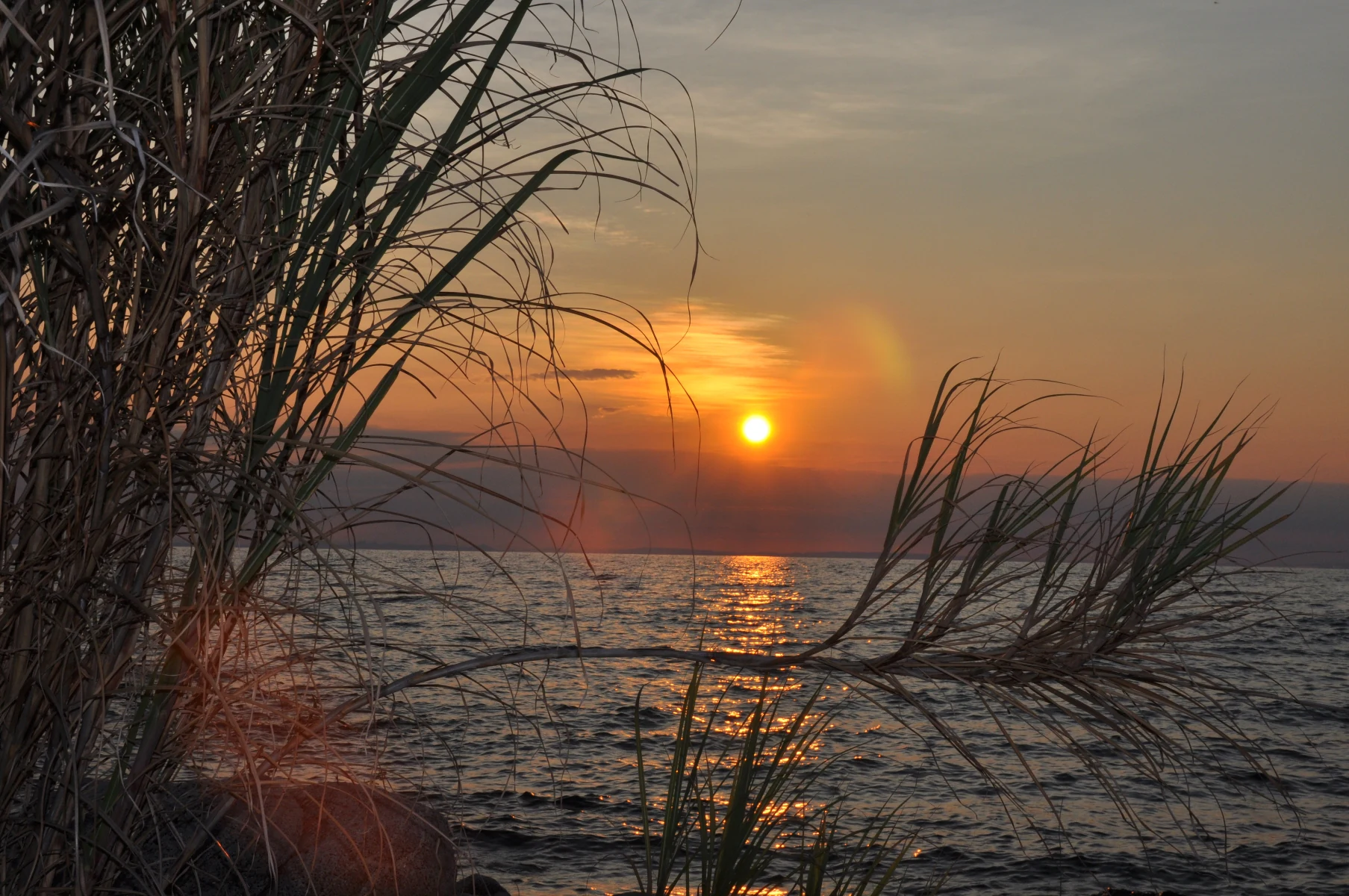
Niassa Reserve was founded in 1954 while Mozambique existed as Portuguese East Africa, representing an early effort to protect the region's natural resources during the colonial era. However, the reserve did not receive meaningful protection until the conclusion of the Mozambican Civil War in 1992 with the signing of the Rome General Peace Accords. Following the peace agreement, the Mozambican government established management systems aimed at protecting the ecological integrity of northern Mozambique's wilderness areas. In 2005, the reserve was designated as a Lion Conservation Unit, recognizing its importance for apex predator populations. The relative isolation that has protected the reserve's ecology has simultaneously hindered tourism development, with officials noting challenges including remoteness, difficult access, lack of tourism infrastructure, and logistical hardships. Recent security concerns emerged in April 2025 when militants attacked facilities within the reserve, resulting in casualties among anti-poaching personnel.

Niassa Reserve landscape and geographic character

The terrain of Niassa Reserve encompasses a remarkable diversity of habitats across its expansive 42,000 square kilometer territory. Miombo woodland dominates approximately half of the reserve, characterized by Brachystegia and Julbernardia tree species creating a distinctive canopy across the undulating landscape. The remaining landscape transitions into open savannah plains interspersed with seasonal wetlands and patches of denser forest. Mecula Mountain rises as the reserve's highest point at 1,441 meters, situated near the center of the protected area and providing topographic variation to the otherwise flat terrain. The Rovuma River traces the northern boundary, demarcating the international border with Tanzania and serving as a wildlife corridor for species moving between the Mozambican and Tanzanian protected areas. The combination of woodland, savannah, and riparian environments creates a mosaic of habitats supporting the reserve's exceptional wildlife populations.

Niassa Reserve ecosystems, habitats, and plant life

Niassa Reserve occupies a pivotal position within the Eastern miombo woodlands, a biome spanning portions of Tanzania, Malawi, and Mozambique. This ecosystem represents one of the most extensive woodland types in southern Africa, characterized by deciduous trees that lose their leaves during the dry season. The reserve contains documented vegetation including 21 distinct types of plant matter and 191 species of trees and shrubs, reflecting the biological richness of this woodland system. Approximately 95% of the preserve's biomass consists of vegetation, demonstrating the predominantly forested character of the landscape. The reserve's size and habitat diversity enable it to support viable populations of large mammals and maintain ecological processes across a wilderness area comparable in scale to entire European countries.

Niassa Reserve wildlife and species highlights

The wildlife population of Niassa Reserve ranks among the most significant in Africa, with several species present in numbers that represent substantial proportions of global populations. The African wild dog population exceeding 350 individuals is particularly notable, as this endangered species has a global population estimated at only 8,000 individuals, making the reserve one of the most important strongholds for this species. The reserve supports over 12,000 sable antelope, approximately 16,000 elephants, and large populations of Cape buffalo, impala, wildebeest, zebra, and leopards. More than 400 bird species have been recorded within the reserve's boundaries. Of particular conservation significance are three endemic species: the Niassa wildebeest, Boehm's zebra, and Johnston's Impala, each found nowhere else on Earth. The designation as a Lion Conservation Unit since 2005 further highlights the reserve's importance for apex predator conservation.

Niassa Reserve conservation status and protection priorities

Niassa Reserve serves as a critical conservation area within Mozambique and the broader southern African region. Its designation as a Lion Conservation Unit since 2005 reflects international recognition of its importance for large predator populations. The reserve's African wild dog population represents a globally significant conservation asset, with the 350+ individuals comprising a meaningful percentage of the worldwide population of this endangered species. The presence of three endemic species underscores the irreplaceable biodiversity value that the reserve protects. As part of the Trans-Frontier Conservation Area network, the reserve contributes to regional conservation efforts by maintaining connectivity between protected areas across international boundaries. The miombo woodland ecosystem, of which Niassa represents one of the largest protected examples globally, stores significant carbon and provides ecosystem services extending beyond its boundaries.

Niassa Reserve cultural meaning and human context

The reserve spans across two provinces of northern Mozambique, an area with rich cultural traditions among local communities. The landscape has been inhabited for generations, with traditional land use practices shaping the human-environment relationship in the region surrounding the protected area. The reserve's name derives from the Niassa Province in which much of its territory lies, while the Rovuma River marking its northern border has historically served as a cultural boundary between peoples of Mozambique and Tanzania. Local communities maintain connections to the land, with traditional practices and knowledge potentially contributing to conservation efforts. The remote nature of the reserve has limited development and helped preserve both ecological and cultural character, though it has also created challenges for local communities seeking economic opportunities.

Top sights and standout views in Niassa Reserve

Niassa Reserve's exceptional scale makes it a landmark conservation area, twice the size of Kruger National Park and comparable to entire countries in Europe. The reserve supports one of the largest populations of African wild dogs in Africa, a species clinging to survival with only 8,000 individuals remaining globally. Three endemic subspecies, the Niassa wildebeest, Boehm's zebra, and Johnston's Impala, exist nowhere else on Earth, making the reserve essential for their preservation. The miombo woodland ecosystem represents one of the last great forested wilderness areas on the continent, with half of the reserve covered in this distinctive woodland type. Mecula Mountain provides a dramatic central landmark rising 1,441 meters above the surrounding terrain, while the Rovuma River creates a natural northern boundary with Tanzania.

Best time to visit Niassa Reserve

The optimal time to visit Niassa Reserve corresponds with the dry season from May to October, when wildlife congregates around remaining water sources and vegetation becomes less dense, improving game viewing opportunities. The cooler months of June through August offer the most comfortable conditions for exploring the reserve's vast terrain. However, the reserve's remote location and limited tourism infrastructure mean that visits require careful planning and preparation. The wet season from November through April transforms the landscape with fresh growth but can make some areas difficult to access and wildlife more dispersed. Visitors should be aware that the region's security situation requires consideration, with recent incidents in 2025 affecting the area.

Park location guide

Geography guide, regional context, and park location map for Niassa Reserve

Niassa Reserve park geography, regions, and map view in Mozambique
Understand where Niassa Reserve sits in Mozambique through a broader geographic reading of the surrounding landscape, nearby location context, and its mapped position within the national park landscape.

How Niassa Reserve fits into Mozambique

Mozambique is a sovereign state in Southeast Africa spanning approximately 801,590 km² along the Indian Ocean. It borders Tanzania, Malawi, Zambia, Zimbabwe, Eswatini, and South Africa. The country gained independence in 1975 after Portuguese colonial rule and experienced a civil war from 1977 to 1992. Today it operates as a semi-presidential republic with a population of approximately 35 million people.

Wider geography shaping Niassa Reserve in Mozambique

Mozambique occupies a coastal position along the Indian Ocean in southeastern Africa. The country shares borders with Tanzania to the north, Malawi and Zambia to the northwest, Zimbabwe to the west, and Eswatini and South Africa to the southwest. The terrain ranges from coastal plains to highlands in the west. The Mozambique Channel separates the country from Madagascar, Comoros, and Mayotte to the east.

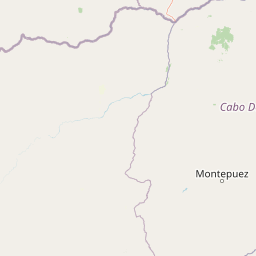
Map view of Niassa Reserve

Use this park location map to pinpoint Niassa Reserve in Mozambique, understand its exact geographic position, and read its mapped placement within the surrounding landscape more clearly.

Pigeon | © OpenStreetMap contributors

Location context for Niassa Reserve

Cabo Delgado ProvinceNiassa Province
Park atlas

Explore adjacent protected areas, trace regional park geography, and compare diverse conservation landscapes surrounding Niassa Reserve.

Discover Other Protected Areas and Parks Near Niassa Reserve, Compare Nearby Wilderness Landscapes
Explore other significant protected areas and national parks that share geographic proximity or ecological connections with Niassa Reserve, including the vast miombo woodlands extending into neighboring countries. Compare their diverse landscapes, conservation priorities, and regional importance, gaining a comprehensive understanding of protected-area networks and contiguous wilderness in Southern Africa.
National parkCabo Delgado Province

Quirimbas National Park: Coastal Protected Landscape and Island Archipelago Atlas

Discover marine conservation and inselberg terrain in Cabo Delgado.

Quirimbas National Park, located in Cabo Delgado Province, Mozambique, is a key protected area defined by its exceptional combination of marine and terrestrial environments. The park's geography includes eleven islands, extensive mangrove forests, and vibrant coral reefs, alongside a mainland characterized by striking inselberg formations. This national park is a vital site for understanding coastal landscape diversity, marine ecosystems, and protected-area geography within East Africa.

Area
1,430 km²
Established
1971
IUCN
II
National parkTanzania

Nyerere National Park: Tanzania's Immense Protected Area and Rufiji River Landscape

Explore the savanna and river delta geography of this national park.

Nyerere National Park represents one of Tanzania's most significant protected areas, sprawling across southeastern regions and offering a glimpse into largely untouched wilderness. The park's identity is deeply intertwined with the Rufiji River and its expansive delta, home to one of the world's largest mangrove forest systems. As a national park, its vastness and diverse terrain provide critical habitat, making it a key point for understanding protected land distribution and regional landscape context within Tanzania.

Area
30,893 km²
Established
2019
IUCN
II
National parkMalawi

Lake Malawi National Park: UNESCO Protected Landscape and Endemic Fish Habitat

Discover mapped terrain, island geography, and evolutionary wonders.

Lake Malawi National Park offers unparalleled insight into freshwater biodiversity and landscape dynamics within Malawi's Great Rift Valley. As a UNESCO World Heritage Site, it is celebrated for its spectacular evolutionary radiation of cichlid fish, a phenomenon studied globally. The park's protected territory includes the mountainous Nankumbu Peninsula and thirteen islands, providing a rich context for understanding the interplay between aquatic ecosystems, terrestrial terrain, and unique island geography.

Area
94 km²
Established
1980
IUCN
II
National parkCentral Region

Kasungu National Park: Protected Landscape and Central Region Geography Details

Explore the mapped boundaries and protected area identity.

Kasungu National Park is a protected natural area in Malawi's Central Region, serving as a vital point for geographic study and atlas-driven exploration. This entry focuses on understanding the park's specific identity as a national park, detailing its mapped boundaries and the surrounding regional geography. Users can gain insight into the landscape context and protected-area characteristics that define Kasungu National Park, enriching their understanding of Malawi's natural heritage.

Area
2,316 km²
Established
1970
IUCN
II
National parkMorogoro Region

Mikumi National Park: East African Savannah Protected Landscape in Morogoro Region

Mapped boundaries and regional geography for a key Tanzanian national park.

Mikumi National Park, a vital protected area in Tanzania's Morogoro Region, offers a classic savannah experience with iconic baobab trees and diverse wildlife populations. This national park is distinguished by its extensive alluvial plains, shaped by the Mkata River basin, and its significant role as a wilderness corridor connecting with the larger Selous Game Reserve. The park's terrain includes Malundwe Mountain and views of the Uluguru Mountains, providing a rich geographic backdrop for understanding East African protected lands and their atlas-style distribution.

Area
3,230 km²
Established
1964
IUCN
II
National parkAnjouan

Shisiwani National Park: Anjouan's Protected Marine and Island Landscape Atlas

Coastal and terrestrial protected area mapping in Comoros.

Delve into the protected landscape of Shisiwani National Park, a critical national park situated on Anjouan's Sima Peninsula in Comoros. This atlas entry details the park's combined marine and terrestrial boundaries, highlighting its vital coral reefs, mangrove forests, and unique island geography. Understand the park's role in conservation through its mapped extent and diverse natural environments, offering a clear geographic context for protected area exploration.

Area
64.97 km²
Established
2016
IUCN
II
National parkAnjouan

Mount Ntringui National Park: Protected Volcanic Landscape and Highland Geography on Anjouan

Explore its dramatic peaks, crater lake, and remnant montane forests.

Mount Ntringui National Park is a significant protected area situated in the rugged volcanic highlands of Anjouan. This national park preserves the island's highest peaks, Mount Ntringui and Mount Trindrini, alongside the unique Dzialandzé crater lake and the crucial Moya Forest. It stands as a vital refuge for endemic species and represents the last substantial tract of montane forest on Anjouan, offering deep insights into the region's unique ecology and mapped natural terrain.

Area
79.14 km²
Established
2010
IUCN
II
National parkMozambique

Gorongosa National Park: Mozambique National Park with Diverse Rift Valley Ecosystems

Mapped protected area, savanna, and montane rainforest landscapes.

Gorongosa National Park is a premier protected area situated in Mozambique's Great African Rift Valley. This vast national park showcases an extraordinary range of natural landscapes, including extensive floodplains, acacia savannas, and rare montane rainforests within dramatic limestone gorges. Its geographic diversity is matched by its compelling narrative of ecological restoration, making it a significant site for understanding protected land dynamics and regional geography.

Area
3,770 km²
Established
1960
IUCN
II

Common questions about visiting, size, designation, and location context for Niassa Reserve

Niassa Reserve FAQs for park facts, access, geography, and protected area context
Find quick answers about Niassa Reserve, including protected-area facts, park geography, trail and visitor context, and how the park fits into its surrounding country and regional landscape.
MoriAtlas Explorer

Continue Your Protected Areas Search Across the Global Atlas

Deepen your exploration by continuing the structured search for national parks and protected areas worldwide. Utilize the comprehensive filtering capabilities to compare different conservation landscapes and refine your understanding of global park geography. Discover more about the distribution and characteristics of protected natural areas.

Global natural geography