Why Quirimbas National Park stands out
Quirimbas National Park is best known for its exceptional combination of marine and terrestrial protected landscapes. The park encompasses one of East Africa's most extensive coastal forest and mangrove systems, alongside thriving coral reef ecosystems that support more than 375 identified fish species. The islands are renowned for their historical significance as former Swahili trading post locations, particularly Ibo Island with its colonial-era architecture. The mainland region features dramatic inselberg formations rising from the coastal plain, creating a distinctive geological landscape. Marine life includes threatened species such as pipefish and seahorses, alongside regular populations of sea turtles and dolphins.
Quirimbas National Park history and protected-area timeline
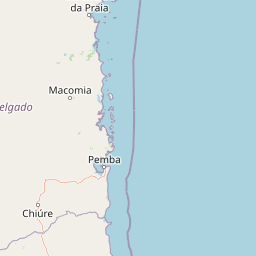
Quirimbas National Park was originally established on May 25, 1971, as a formal protected area recognizing the ecological and scenic significance of the Quirimbas region. Following decades of limited management during the Mozambican Civil War, the park was reorganized and formally relaunched in June 2002 with enhanced boundaries and a structured conservation mandate. The World Wide Fund for Nature assumed operational responsibility for the park through an agreement with the Mozambican government, serving as the primary operator from 2002 until 2010. During this period, WWF implemented significant conservation programs and infrastructure development, continuing to provide technical assistance until 2016. The reorganization in 2002 expanded the park's scope to include both the island chain and a significant mainland coastal zone, reflecting a more holistic approach to protecting the interconnected marine and terrestrial ecosystems that define the region.
Quirimbas National Park landscape and geographic character
The landscape of Quirimbas National Park is defined by the dramatic interplay between coastal mainland terrain and the offshore archipelago. The mainland portion features the Taratibua region, characterized by prominent inselberg formations, which are isolated granite mountains rising abruptly from the surrounding lowland coastal plain. These geological features create a distinctive skyline and harbor unique microhabitats on their slopes and summits. The coastal zone transitions from sandy beaches through narrow mangrove belts to interior woodland and forest zones. The eleven islands within the park vary from larger landmasses with established communities to small sandy islets and coral cays. The marine environment features extensive coral reef systems stretching along the coast and surrounding the islands, interspersed with sea grass beds that provide critical habitat for marine species. The overall visual character combines the rugged beauty of the inselberg-strewn mainland with the more gentle, tropical island landscape of the archipelago.
Quirimbas National Park ecosystems, habitats, and plant life
The ecological diversity of Quirimbas National Park is exceptional, with the park protecting approximately 913,000 hectares of coastal forest, mangrove systems, and coral reef environments. The terrestrial habitats encompass a gradient from coastal savannah and woodland through to denser forest zones on the islands and inselberg slopes. The mangrove forests along the mainland coast and surrounding islands serve as critical nurseries for fish species and provide important coastal protection functions. The marine environment features well-developed coral reef systems that support extraordinary biodiversity, with 375 fish species documented within park waters. These reefs are complemented by extensive sea grass beds that provide additional habitat complexity. The isolation imposed by the Mozambican Civil War resulted in decades of limited human disturbance, allowing ecosystems to retain relatively natural character compared to more heavily impacted regions.
Quirimbas National Park wildlife and species highlights
The wildlife of Quirimbas National Park encompasses both significant terrestrial fauna and exceptional marine biodiversity. On land, the park supports sparse but notable populations of large mammals including elephants, lions, leopards, and African wild dogs, representing predator-prey relationships that have persisted in the region. Crocodiles are present in coastal and riverine habitats. The marine environment is particularly rich, with documented populations of sea turtles and dolphins regularly encountered in park waters. The reef systems support 375 identified fish species, including threatened pipefish and seahorses that inhabit the coral and sea grass environments. The birdlife is diverse given the mix of island, coastal, and forest habitats, though detailed species inventories are limited in available source material. The combination of terrestrial large mammals and marine megafauna makes Quirimbas one of Mozambique's most wildlife-diverse protected areas.
Quirimbas National Park conservation status and protection priorities
Quirimbas National Park holds significant conservation importance as one of Mozambique's largest and most ecologically diverse protected areas, protecting critical coastal forest, mangrove, and coral reef ecosystems. The park's marine protected status helps conserve spawning and nursery habitats for commercially and ecologically important fish species, while also protecting threatened marine invertebrates including pipefish and seahorses. Conservation objectives include protecting and where needed restoring both terrestrial and marine environments, with particular emphasis on marine species conservation. The park management approach emphasizes community involvement, seeking to ensure that local communities, park authorities, and tour operators share management responsibilities and benefits. A fishery management program operates within the park to support sustainable use of marine resources. Challenges identified include funding constraints for sanctuary management, ranger incentives, and follow-up on enforcement activities.
Quirimbas National Park cultural meaning and human context
The Quirimbas Islands carry significant cultural and historical importance rooted in the Swahili trading networks that historically connected East African coastal communities. Ibo Island, one of the largest in the park, features colonial-era architecture reflecting Portuguese influence and previously served as a trading post in the regional Swahili economy. The islands have been inhabited for centuries by communities whose traditional livelihoods include fishing and small-scale agriculture. The mainland coastal areas are inhabited by traditional communities whose relationship with the land and marine resources shapes the cultural landscape. The park management approach recognizes these communities as traditional inhabitants whose sustainable use practices are integrated into the conservation framework. This cultural dimension adds historical depth to the park's identity beyond its purely ecological significance.
Top sights and standout views in Quirimbas National Park
Quirimbas National Park offers a rare combination of island and mainland wilderness within a single protected area. The archipelago includes historically significant islands like Ibo with colonial-era architecture, while the mainland features dramatic inselberg landscapes. The marine environment features extensive coral reefs with more than 375 fish species, supporting regular populations of sea turtles and dolphins. The park protects populations of elephants, lions, leopards, and African wild dogs in its terrestrial zones. The diversity of habitats from mountain forests to mangrove swamps to coral reefs creates exceptional ecological complexity. The relative remoteness and limited development contribute to a wilderness character increasingly rare along the East African coast.
Best time to visit Quirimbas National Park
The optimal time to visit Quirimbas National Park depends on the type of experience sought. The dry season from May to September offers cooler temperatures and generally more comfortable conditions for exploring both islands and mainland areas. This period also tends to provide better visibility for diving and snorkeling on the coral reefs. The wet season from December to April brings higher temperatures and rainfall, but this period supports lush vegetation and may offer different wildlife viewing opportunities. Marine conditions remain suitable for water activities year-round, with water temperatures between 24 and 27 degrees Celsius. The park's tropical climate means that even the wet season sees significant sunny periods, and the seasonal changes contribute to the ecological richness that makes the park significant.