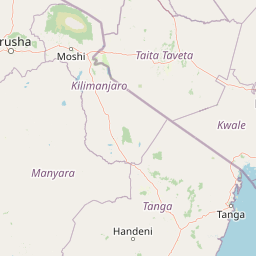

Why Kisite-Mpunguti Marine National Park stands out
Kisite-Mpunguti is best known for its exceptional coral reef ecosystems and remarkable marine biodiversity. The park's clear waters shelter diverse fish communities including trigger fish, moray eels, angelfish, butterfly fish, groupers, parrotfish, and wrasses. The reef systems support significant populations of endangered marine turtles, both green sea turtles and hawksbill turtles. Dolphins are commonly spotted in the park's waters, while seasonal visitors include humpback whales and whale sharks that migrate through the region. The park's Blue Park gold certification reflects its outstanding management and protection of these marine resources.
Kisite-Mpunguti Marine National Park history and protected-area timeline
Kisite-Mpunguti Marine National Park was established in 1978 by the Kenyan government, representing a pioneering effort to protect Kenya's marine coastal environments. At the time of its creation, it was the first marine national park in Kenya, setting a precedent for subsequent marine protected areas along the coast. The establishment reflected growing recognition of the ecological and economic value of coral reef systems.
The park was created following surveys and assessments that identified the area's exceptional marine biodiversity and the need for formal protection. Prior to designation, the reef areas faced increasing pressure from fishing activities and local community use. The government's decision to establish the park acknowledged that sustainable management required designated protected zones where marine ecosystems could recover and thrive.
The park's management has evolved over the decades, with the Kenya Wildlife Service assuming responsibility for conservation operations. Community engagement has become increasingly important, recognizing that successful marine conservation requires buy-in from local fishing communities. The dual-zone system of strict protection and sustainable use reflects this balance.
The achievement of Blue Park gold status in 2021 represents a milestone in the park's history, recognizing decades of conservation work and demonstrating that effective marine protection delivers measurable results. This international validation has strengthened Kenya's position as a leader in marine conservation in East Africa.
Kisite-Mpunguti Marine National Park landscape and geographic character
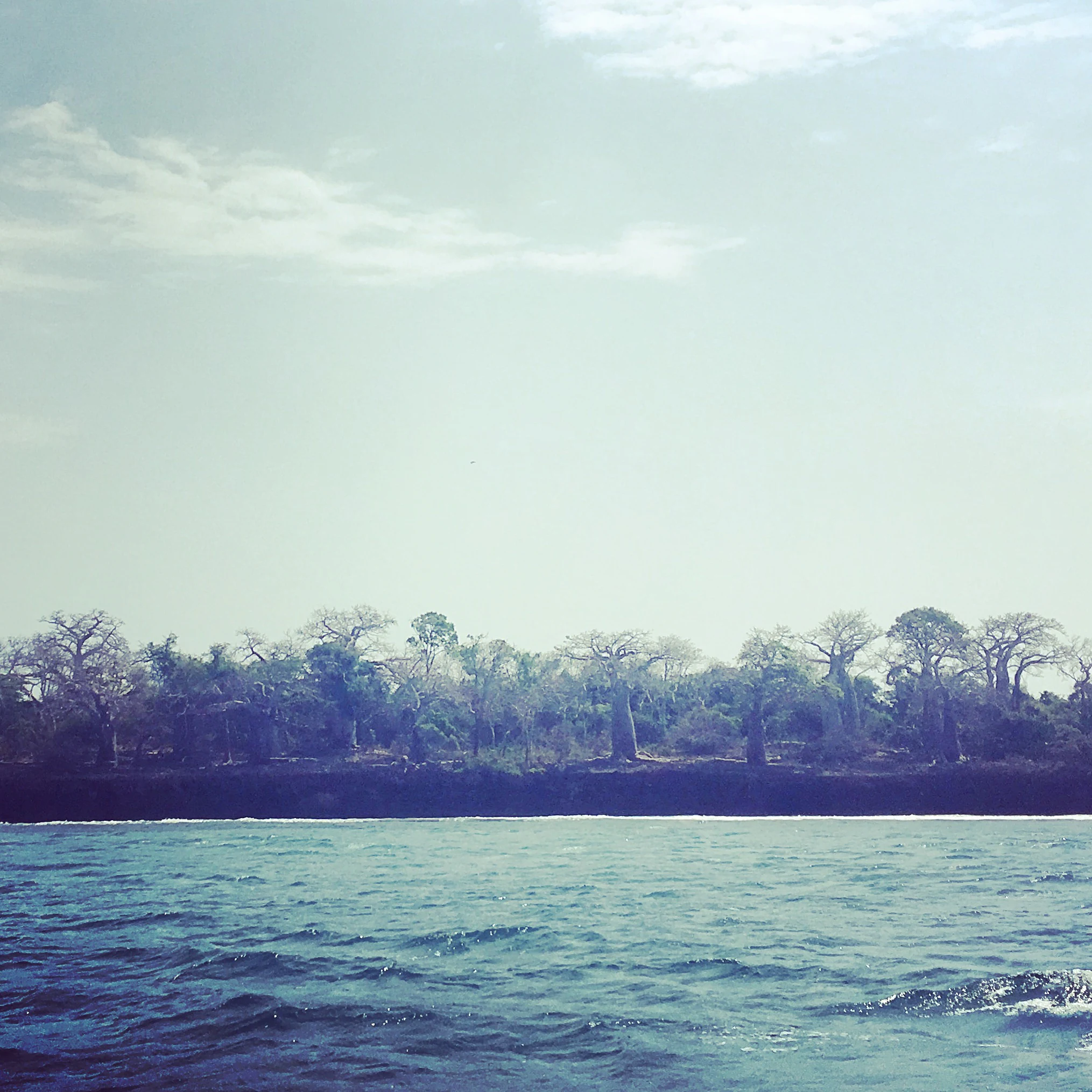
Kisite-Mpunguti Marine National Park is defined by its marine landscape rather than terrestrial terrain. The park encompasses four small islands that rise just above sea level, surrounded by shallow reef flats and deeper lagoon areas. The islands themselves feature minimal terrestrial vegetation, with most of the park's ecological value residing in the surrounding waters.
The coral reef systems form the visual and ecological backbone of the park. These reefs range from shallow reef flats exposed at low tide to slopes descending into deeper waters. Coral formations include massive brain corals, branching staghorn corals, and delicate plate corals, creating a varied underwater topography. The reef ecosystems support intricate zonation patterns based on depth and wave exposure.
Seagrass beds occur in shallower lagoon areas, providing important habitats for sea turtles and dugongs. The transition from reef to sandy bottom creates additional habitat diversity. Water clarity in the park is exceptional, with visibility often exceeding 20 meters, allowing for excellent coral viewing and diving experiences.
The surrounding coastline features mangrove systems in sheltered bays and creek mouths, though these are not within the park's boundaries. The park's position near the Tanzanian border places it within a broader coastal ecosystem that includes similar reef systems across the regional seascape.
Kisite-Mpunguti Marine National Park ecosystems, habitats, and plant life
The marine nature of Kisite-Mpunguti centers on its thriving coral reef ecosystems, which represent some of the most biodiverse marine environments in East Africa. The reef systems support over 50 species of hard corals, creating complex three-dimensional structures that provide habitat for countless other organisms. These coral communities have been managed and protected since the park's establishment, allowing them to maintain relatively healthy populations compared to more impacted reef areas.
Fish communities associated with the reefs are exceptionally diverse, with numerous species represented across multiple families. Schooling fish including snappers, wrasses, and damselfish create active underwater scenes, while larger predators like groupers patrol the reef edges. Specialized reef fish such as butterfly fish, angelfish, and parrotfish contribute to the visual diversity that attracts divers and snorkelers.
The marine environment also includes open-water species that move through the area seasonally or residentially. Dolphin populations are commonly observed, with several species present throughout the year. Sea turtles use the reef areas for foraging and resting, with both green turtles and hawksbill turtles regularly encountered.
Water quality in the park is maintained through protection from direct coastal development and effective management of visitor impacts. The Blue Park certification specifically recognized the park's success in maintaining water quality and ecosystem health.
Kisite-Mpunguti Marine National Park wildlife and species highlights
The wildlife of Kisite-Mpunguti Marine National Park is dominated by its extraordinary marine fauna. Fish diversity is the most immediately apparent wildlife feature, with the park's reefs supporting literally hundreds of fish species. Common sightings include various trigger fish species, moray eels hiding in reef crevices, colorful angelfish and butterfly fish, and large parrotfish that graze on algae-covered surfaces. Groupers and other predatory fish maintain ecological balance within the reef communities.
Sea turtles represent a significant wildlife value for the park. Both green sea turtles and hawksbill turtles inhabit the reef areas, using them for feeding and as resting sites. These endangered species benefit from the protection the park provides against fishing pressure and habitat degradation. Hawksbill turtles specifically depend on coral reef environments for their sponge-based diet.
Dolphins are regularly encountered, with several species present in the waters around the islands. These intelligent marine mammals are often observed from boat excursions into the park. The presence of dolphins adds significantly to the wildlife viewing experience.
Seasonal wildlife visitors include humpback whales that migrate through the region and whale sharks, the world's largest fish. These seasonal visitors create opportunities for wildlife encounters that extend beyond the resident reef communities. The park's position along a migratory corridor makes these seasonal appearances predictable and observable.
Kisite-Mpunguti Marine National Park conservation status and protection priorities
Kisite-Mpunguti Marine National Park represents a cornerstone of Kenya's marine conservation strategy and has achieved international recognition for its effectiveness. The park's gold-level Blue Park Award from the Marine Conservation Institute in December 2021 validates its success in maintaining high standards for marine protection. This certification considers biodiversity, management effectiveness, enforcement, and ecological outcomes.
The conservation value of the park stems from its long-established protection of coral reef ecosystems that would otherwise face severe degradation. Without protected status, these reefs would likely experience continued fishing pressure, anchor damage, and collection of reef organisms. The park designation provides legal protection and enables active management.
Marine turtle conservation is a particular focus, with both green and hawksbill turtles protected within the park boundaries. The reef habitats provide essential foraging areas that support turtle populations across the regional seascape. The protection of these habitats contributes to broader turtle conservation efforts in the Western Indian Ocean.
The dual-zone management approach, with fully protected marine park and sustainable-use reserve, represents a conservation model that attempts to balance ecological protection with community needs. This approach recognizes that long-term conservation success requires addressing the livelihoods of local fishing communities.
Kisite-Mpunguti Marine National Park cultural meaning and human context
Kisite-Mpunguti Marine National Park is situated in a region with strong connections to the Swahili coast culture and maritime traditions. The nearby Shimoni and Wasini areas have historically been involved in fishing, dhow building, and maritime trade along the East African coast. The establishment of the marine park affects these traditional practices through restrictions on fishing within park boundaries.
Local communities have developed various livelihoods that interact with the marine environment, including small-scale fishing, fish processing, and increasingly, tourism services. Visitor activities such as snorkeling trips and dhow excursions create economic opportunities that provide alternatives to extractive fishing. This tourism-based economy has grown as the park's reputation has developed.
The park's location near the Tanzanian border creates cross-border dynamics in marine resource use. Fishers from both countries may operate in the broader seascape, making coordination between management authorities important for effective conservation. Regional cooperation supports conservation outcomes that extend beyond national boundaries.
The cultural landscape includes historical associations with the slave trade and Arab influence that shaped the Swahili coast. While these historical contexts are not directly integrated into the park narrative, they provide the cultural foundation for the region's communities and their relationship with the marine environment.
Top sights and standout views in Kisite-Mpunguti Marine National Park
The exceptional coral reef diving and snorkeling at Kisite-Mpunguti stands as the park's primary highlight, with clear waters and abundant marine life creating memorable underwater experiences. The reef systems showcase healthy coral communities and diverse fish populations that represent some of the best-preserved marine environments on Kenya's coast. Visitors consistently report remarkable encounters with reef fish, sea turtles, and dolphins.
The presence of dolphins and seasonal whale visitors creates wildlife viewing opportunities that extend beyond the reef environments. Boat trips into the park often encounter dolphin pods, while humpback whale season brings these magnificent creatures through the area. Whale shark sightings add to the potential for extraordinary marine wildlife encounters.
The Blue Park gold certification provides assurance that the park delivers real conservation outcomes, distinguishing it from less effectively managed marine areas. This international recognition validates the park as a genuinely valuable protected area rather than merely a tourism designation.
The accessibility from Mombasa makes the park achievable for visitors seeking a quality marine experience without extensive travel, while the park's established infrastructure supports visitor needs including boat trips, snorkeling equipment, and guided reef tours.