Why Chimanimani National Park stands out
Chimanimani National Park is best known for protecting Mozambique's highest mountain, Monte Binga, and the nation's most significant highland ecosystem. The park forms the core of the Chimanimani Transfrontier Park, a cross-border conservation initiative with Zimbabwe that enables protection of a continuous mountain landscape that transcends national boundaries. The area supports rare species including the red-capped robin-chat and Welwitsch's bat, and preserves important cultural heritage through cave paintings and traditional practices maintained by local communities.
Chimanimani National Park history and protected-area timeline
The Chimanimani area has been recognized for its conservation potential since the mid-twentieth century, with the Moribane, Mpunga, and Maronga forest reserves established in 1953 to protect portions of the surrounding montane forest ecosystem. These early protected areas laid the groundwork for broader conservation recognition of the region. In 2003, the core mountain area was designated as a national reserve, providing formal protection to the Chimanimani Mountains and their unique ecosystems. The transition from reserve to national park status in 2020 reflected both the successful management of the area and Mozambique's commitment to expanding its network of fully protected national parks. This progression represents a broader trend in Mozambican conservation policy toward strengthening protected area frameworks and increasing the ecological representativeness of the nation's park system.
Chimanimani National Park landscape and geographic character
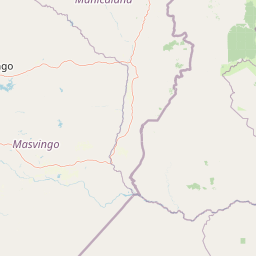
The Chimanimani Mountains form a dramatic highland landscape characterized by steep ridgelines, deep valleys, and exposed rock formations. Monte Binga, the dominant peak at 2,436 meters, rises prominently above the surrounding terrain and serves as a geographic landmark visible across much of eastern Mozambique. The mountain landscape transitions from subalpine grasslands and rocky outcrops at higher elevations through increasingly forested slopes to lower-elevation woodland and forest in the surrounding buffer zones. The park's proximity to the border with Zimbabwe creates a landscape where the mountain divide serves as both a biological corridor and an international boundary. Several rivers originate in these highlands, flowing outward to drain into broader river systems that traverse the surrounding lowlands. The combination of elevation, geological diversity, and the juxtaposition of different vegetation zones creates a visually distinctive landscape within the southern African context.
Chimanimani National Park ecosystems, habitats, and plant life
The park protects a montane ecosystem that represents one of Mozambique's most ecologically significant areas. The Chimanimani Mountains form a biodiversity hotspot where species from southern African, East African, andAfro-montane floristic regions intersect. The vegetation varies with elevation, featuring grasslands and heath communities at higher altitudes transitioning through ericaceous shrubland into continuous forest in the lower slopes and valleys. The forest reserves incorporated into the broader protection area, including Moribane, Mpunga, Maronga, and Zomba, contain some of the last substantial remaining forest cover in eastern Mozambique. These montane forests support high levels of endemism and provide critical habitat for species adapted to the cool, moist conditions of high-elevation environments. The presence of rare species such as the red-capped robin-chat and Welwitsch's bat indicates the ecological importance of these habitats and the significance of their protection.
Chimanimani National Park wildlife and species highlights
The wildlife of Chimanimani National Park reflects the diversity of habitats found within the mountain landscape. The montane forests and grasslands support a range of bird species, including the red-capped robin-chat which inhabits the understory of forested areas. The Welwitsch's bat, a species named after the famous Austrian botanist Friedrich Welwitsch, occupies roosting sites within the forest environment. Beyond these specifically mentioned species, the varied elevation zones and habitat types support diverse mammal and bird communities typical of southern African highland ecosystems. The transfrontier context with Zimbabwe's adjacent park allows for the potential movement of species across the international boundary, supporting genetic exchange between populations and maintaining ecological processes that operate at larger spatial scales. The surrounding forest reserves contribute additional habitat complexity and increase the overall conservation value of the broader protected landscape.
Chimanimani National Park conservation status and protection priorities
Chimanimani National Park represents a cornerstone of Mozambique's protected area network, particularly for highland and montane ecosystem protection. The transition from national reserve to national park status in 2020 demonstrates the growing emphasis on effective conservation management and the recognition of the area's ecological significance. The inclusion of multiple forest reserves within the broader protection framework, including areas established in 1953, indicates a long-term commitment to maintaining forest cover and the ecological services these ecosystems provide. The transfrontier arrangement with Zimbabwe creates opportunities for coordinated conservation management across an international boundary, enabling more effective protection of species and ecological processes that operate beyond single-country administrative jurisdictions. The park's buffer zone of 1,723 square kilometers provides additional space for ecological processes and helps buffer the core protected area from human pressures in surrounding landscapes.
Chimanimani National Park cultural meaning and human context
The Chimanimani area holds significant cultural importance for local communities who have inhabited the region for generations. Local residents preserve cave paintings that represent tangible evidence of human presence in this landscape over extended time periods. These artistic expressions, along with ancient traditions and beliefs, contribute to the cultural identity of the area and create a meaningful connection between contemporary communities and the landscapes they inhabit. The preservation of these cultural elements within the national park framework recognizes that protected areas in Mozambique, as elsewhere, exist within human cultural landscapes rather than as isolated natural areas divorced from human history and practice.
Top sights and standout views in Chimanimani National Park
Chimanimani National Park offers Mozambique's most accessible highland wilderness experience, anchored by the opportunity to visit the nation's highest peak at Monte Binga. The park's transfrontier status with Zimbabwe creates a unique cross-border protected area within southern Africa, offering opportunities for coordinated international conservation. The mountain landscape provides dramatic scenery distinct from the coastal and lowland terrain more typical of Mozambique, while the surrounding forest reserves add ecological depth to the protected area. The presence of cave paintings and traditional cultural practices maintained by local communities adds a human dimension to the park's natural values.
Best time to visit Chimanimani National Park
The best time to visit Chimanimani National Park falls during the dry season from April to October, when rainfall is minimal and trail conditions are most favorable for exploring the mountain terrain. During this period, visibility is typically excellent and wildlife viewing opportunities are enhanced as animals concentrate around remaining water sources. The cooler temperatures at higher elevations during the winter months from June to August make this an especially comfortable period for hiking and exploration. The wet season from November to March brings higher rainfall to the mountains, which can make trails slippery and access more difficult, though the landscape becomes verdant and waterfall flows increase.