
Mori Atlas logo
National parkChimanimani National Park

Explore the dramatic montane terrain and transfrontier conservation context of this key Mozambican national park.

Chimanimani National Park: Protected Highland Landscape and Mozambique's Highest Peak

(Parque Nacional de Chimanimani)

Chimanimani National Park represents a significant protected landscape in Mozambique's Manica Province, encompassing dramatic highland terrain and the nation's highest elevation, Monte Binga. This national park serves as a critical component of the Chimanimani Transfrontier Park, extending the protected area across the border into Zimbabwe. Users can explore the park's mapped boundaries, its unique montane forest ecosystems, and the geographic significance of this highland conservation zone within southern Africa.

national parkhighland conservationtransfrontier parkmontane forestmountain landscape Mozambique

Chimanimani National Park

National park

Park overview

Structured park overview, official facts, and landscape profile for Chimanimani National Park

Chimanimani National Park park facts, protected area profile, and essential visitor context
Review the core facts for Chimanimani National Park, including designation, size, terrain, visitor scale, habitats, and operating context in one park-focused overview.

About Chimanimani National Park

Chimanimani National Park represents Mozambique's premier highland protected area, encompassing the Chimanimani Mountains that form a natural boundary between Mozambique and Zimbabwe. The park's establishment as a national reserve in 2003 marked a significant step in Mozambique's conservation history, with full national park designation following in 2020 to reflect the area's growing ecological and administrative importance. The protected area sits adjacent to the city of Chimoio, the capital of Manica Province, placing it within a region of considerable human activity while maintaining substantial natural values. The park's mountain terrain creates diverse ecological conditions, from subalpine zones at higher elevations to surrounding forested slopes and valleys. This topographical diversity supports a range of habitats that harbor species found nowhere else in Mozambique, making the area particularly significant for biodiversity conservation within the country. The transfrontier arrangement with Zimbabwe's neighboring park creates a unified conservation landscape that allows for the protection of migratory species and ecological processes that operate across the international boundary.

Quick facts and research context for Chimanimani National Park

Chimanimani National Park occupies 656 square kilometers in Manica Province, eastern Mozambique, within the Chimanimani Mountains that form the border with Zimbabwe. The park was designated as a national reserve in 2003 and elevated to national park status in 2020. It protects Monte Binga, which at 2,436 meters is Mozambique's highest peak. The park is part of a transfrontier conservation initiative with Zimbabwe's Chimanimani National Park and is administered by the National Administration of Conservation Areas. Surrounding the core protected area is a 1,723 square kilometer buffer zone that includes the Moribane, Mpunga, Maronga, and Zomba forest reserves.

Park context

Deeper park guide and search-rich context for Chimanimani National Park

Chimanimani National Park history, landscape, wildlife, and travel context
Explore Chimanimani National Park through its history, landscape character, ecosystems, wildlife, conservation priorities, cultural context, and seasonal travel timing in a structured park guide built for atlas discovery and search intent.

Why Chimanimani National Park stands out

Chimanimani National Park is best known for protecting Mozambique's highest mountain, Monte Binga, and the nation's most significant highland ecosystem. The park forms the core of the Chimanimani Transfrontier Park, a cross-border conservation initiative with Zimbabwe that enables protection of a continuous mountain landscape that transcends national boundaries. The area supports rare species including the red-capped robin-chat and Welwitsch's bat, and preserves important cultural heritage through cave paintings and traditional practices maintained by local communities.

Chimanimani National Park history and protected-area timeline

The Chimanimani area has been recognized for its conservation potential since the mid-twentieth century, with the Moribane, Mpunga, and Maronga forest reserves established in 1953 to protect portions of the surrounding montane forest ecosystem. These early protected areas laid the groundwork for broader conservation recognition of the region. In 2003, the core mountain area was designated as a national reserve, providing formal protection to the Chimanimani Mountains and their unique ecosystems. The transition from reserve to national park status in 2020 reflected both the successful management of the area and Mozambique's commitment to expanding its network of fully protected national parks. This progression represents a broader trend in Mozambican conservation policy toward strengthening protected area frameworks and increasing the ecological representativeness of the nation's park system.

Chimanimani National Park landscape and geographic character

The Chimanimani Mountains form a dramatic highland landscape characterized by steep ridgelines, deep valleys, and exposed rock formations. Monte Binga, the dominant peak at 2,436 meters, rises prominently above the surrounding terrain and serves as a geographic landmark visible across much of eastern Mozambique. The mountain landscape transitions from subalpine grasslands and rocky outcrops at higher elevations through increasingly forested slopes to lower-elevation woodland and forest in the surrounding buffer zones. The park's proximity to the border with Zimbabwe creates a landscape where the mountain divide serves as both a biological corridor and an international boundary. Several rivers originate in these highlands, flowing outward to drain into broader river systems that traverse the surrounding lowlands. The combination of elevation, geological diversity, and the juxtaposition of different vegetation zones creates a visually distinctive landscape within the southern African context.

Chimanimani National Park ecosystems, habitats, and plant life

The park protects a montane ecosystem that represents one of Mozambique's most ecologically significant areas. The Chimanimani Mountains form a biodiversity hotspot where species from southern African, East African, andAfro-montane floristic regions intersect. The vegetation varies with elevation, featuring grasslands and heath communities at higher altitudes transitioning through ericaceous shrubland into continuous forest in the lower slopes and valleys. The forest reserves incorporated into the broader protection area, including Moribane, Mpunga, Maronga, and Zomba, contain some of the last substantial remaining forest cover in eastern Mozambique. These montane forests support high levels of endemism and provide critical habitat for species adapted to the cool, moist conditions of high-elevation environments. The presence of rare species such as the red-capped robin-chat and Welwitsch's bat indicates the ecological importance of these habitats and the significance of their protection.

Chimanimani National Park wildlife and species highlights

The wildlife of Chimanimani National Park reflects the diversity of habitats found within the mountain landscape. The montane forests and grasslands support a range of bird species, including the red-capped robin-chat which inhabits the understory of forested areas. The Welwitsch's bat, a species named after the famous Austrian botanist Friedrich Welwitsch, occupies roosting sites within the forest environment. Beyond these specifically mentioned species, the varied elevation zones and habitat types support diverse mammal and bird communities typical of southern African highland ecosystems. The transfrontier context with Zimbabwe's adjacent park allows for the potential movement of species across the international boundary, supporting genetic exchange between populations and maintaining ecological processes that operate at larger spatial scales. The surrounding forest reserves contribute additional habitat complexity and increase the overall conservation value of the broader protected landscape.

Chimanimani National Park conservation status and protection priorities

Chimanimani National Park represents a cornerstone of Mozambique's protected area network, particularly for highland and montane ecosystem protection. The transition from national reserve to national park status in 2020 demonstrates the growing emphasis on effective conservation management and the recognition of the area's ecological significance. The inclusion of multiple forest reserves within the broader protection framework, including areas established in 1953, indicates a long-term commitment to maintaining forest cover and the ecological services these ecosystems provide. The transfrontier arrangement with Zimbabwe creates opportunities for coordinated conservation management across an international boundary, enabling more effective protection of species and ecological processes that operate beyond single-country administrative jurisdictions. The park's buffer zone of 1,723 square kilometers provides additional space for ecological processes and helps buffer the core protected area from human pressures in surrounding landscapes.

Chimanimani National Park cultural meaning and human context

The Chimanimani area holds significant cultural importance for local communities who have inhabited the region for generations. Local residents preserve cave paintings that represent tangible evidence of human presence in this landscape over extended time periods. These artistic expressions, along with ancient traditions and beliefs, contribute to the cultural identity of the area and create a meaningful connection between contemporary communities and the landscapes they inhabit. The preservation of these cultural elements within the national park framework recognizes that protected areas in Mozambique, as elsewhere, exist within human cultural landscapes rather than as isolated natural areas divorced from human history and practice.

Top sights and standout views in Chimanimani National Park

Chimanimani National Park offers Mozambique's most accessible highland wilderness experience, anchored by the opportunity to visit the nation's highest peak at Monte Binga. The park's transfrontier status with Zimbabwe creates a unique cross-border protected area within southern Africa, offering opportunities for coordinated international conservation. The mountain landscape provides dramatic scenery distinct from the coastal and lowland terrain more typical of Mozambique, while the surrounding forest reserves add ecological depth to the protected area. The presence of cave paintings and traditional cultural practices maintained by local communities adds a human dimension to the park's natural values.

Best time to visit Chimanimani National Park

The best time to visit Chimanimani National Park falls during the dry season from April to October, when rainfall is minimal and trail conditions are most favorable for exploring the mountain terrain. During this period, visibility is typically excellent and wildlife viewing opportunities are enhanced as animals concentrate around remaining water sources. The cooler temperatures at higher elevations during the winter months from June to August make this an especially comfortable period for hiking and exploration. The wet season from November to March brings higher rainfall to the mountains, which can make trails slippery and access more difficult, though the landscape becomes verdant and waterfall flows increase.

Park location guide

Geography guide, regional context, and park location map for Chimanimani National Park

Chimanimani National Park park geography, regions, and map view in Mozambique
Understand where Chimanimani National Park sits in Mozambique through a broader geographic reading of the surrounding landscape, nearby location context, and its mapped position within the national park landscape.

How Chimanimani National Park fits into Mozambique

Mozambique is a sovereign state in Southeast Africa spanning approximately 801,590 km² along the Indian Ocean. It borders Tanzania, Malawi, Zambia, Zimbabwe, Eswatini, and South Africa. The country gained independence in 1975 after Portuguese colonial rule and experienced a civil war from 1977 to 1992. Today it operates as a semi-presidential republic with a population of approximately 35 million people.

Wider geography shaping Chimanimani National Park in Mozambique

Mozambique occupies a coastal position along the Indian Ocean in southeastern Africa. The country shares borders with Tanzania to the north, Malawi and Zambia to the northwest, Zimbabwe to the west, and Eswatini and South Africa to the southwest. The terrain ranges from coastal plains to highlands in the west. The Mozambique Channel separates the country from Madagascar, Comoros, and Mayotte to the east.

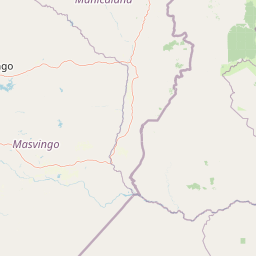
Map view of Chimanimani National Park

Use this park location map to pinpoint Chimanimani National Park in Mozambique, understand its exact geographic position, and read its mapped placement within the surrounding landscape more clearly.

Pigeon | © OpenStreetMap contributors

Location context for Chimanimani National Park

Manica Province
Park atlas

Compare national parks and protected landscapes across the Chimanimani Mountains, connecting adjacent conservation geography.

Discover National Parks and Protected Areas Surrounding Chimanimani National Park
Browse national parks and protected areas geographically connected to Chimanimani National Park, extending your discovery into Mozambique's highland ecosystems and the broader Chimanimani Mountains region. This detailed view helps you compare distinct protected landscapes and understand their regional context, offering an atlas-based exploration of transfrontier conservation.
National parkMozambique

Gorongosa National Park: Mozambique National Park with Diverse Rift Valley Ecosystems

Mapped protected area, savanna, and montane rainforest landscapes.

Gorongosa National Park is a premier protected area situated in Mozambique's Great African Rift Valley. This vast national park showcases an extraordinary range of natural landscapes, including extensive floodplains, acacia savannas, and rare montane rainforests within dramatic limestone gorges. Its geographic diversity is matched by its compelling narrative of ecological restoration, making it a significant site for understanding protected land dynamics and regional geography.

Area
3,770 km²
Established
1960
IUCN
II
Relief
Mixed relief
National parkMozambique

Zinave National Park: A Mozambique National Park with Diverse Woodland and Savanna Landscapes

Explore its mapped terrain, riverine forests, and savanna ecosystems.

Zinave National Park in Mozambique is a significant protected area spanning 4,000 square kilometers. Its landscape comprises a rich variety of ecosystems, including miombo woodlands, mopane-dominated areas, acacia savannas, and distinct riverine forests along the Save River. This national park is strategically positioned within the Greater Limpopo Transfrontier Park, highlighting its importance for regional wildlife corridors and conservation geography. The terrain offers a unique insight into the transitional ecological zones of southern Africa, showcasing diverse natural habitats and mapping potential for its protected boundaries.

Area
4,000 km²
Established
1973
IUCN
II
Relief
Lowland
Protected areaSouth Africa

Greater Mapungubwe Transfrontier Conservation Area: A Transboundary Protected Landscape in South Africa

Mapped savanna ecosystems and rich cultural heritage at the Limpopo River confluence.

The Greater Mapungubwe Transfrontier Conservation Area, situated in South Africa, stands as a remarkable example of collaborative conservation across national borders. This protected area protects diverse savanna landscapes, particularly around the confluence of the Shashe and Limpopo Rivers, and holds immense cultural value as home to the Mapungubwe Cultural Landscape, a UNESCO World Heritage Site. By examining its mapped geography and protected area status, users gain insight into the ecological corridors vital for wildlife and the ancient archaeological heritage preserved within this significant transfrontier initiative.

Area
4,872 km²
Established
2009
IUCN
VI
National parkLimpopo

Mapungubwe National Park: National Park with Rich Iron Age Archaeology and Savanna Landscapes

Explore Limpopo's unique protected area at the three-nation border.

Mapungubwe National Park is a vital protected area in South Africa's Limpopo region, renowned for its dual significance as a major archaeological site and a diverse natural landscape. This national park protects a significant portion of savanna ecosystems, including unique riparian forests and mopane woodlands, surrounding the historic Mapungubwe Hill. As part of the Greater Mapungubwe Transfrontier Conservation Area, it plays a crucial role in regional conservation, offering a distinct geographic perspective at the confluence of South Africa, Botswana, and Zimbabwe, and serving as a focal point for atlas-based discovery of protected lands.

Area
280 km²
Established
1998
IUCN
II
Relief
Lowland
National parkSouth Africa

Kruger National Park: South Africa's Iconic National Park for Geographic Discovery

Explore savanna landscapes and mapped protected area boundaries.

Kruger National Park serves as a paramount example of a protected landscape, offering a rich tapestry of savanna ecosystems and varied terrain across South Africa's Lowveld. This canonical entry details its vast geographic scope, approximately 19,623 square kilometres, and its status as the nation's first national park. Understand the park's environmental context, from the Lebombo Mountains to the Limpopo River, and its integral role within larger transfrontier conservation initiatives, providing critical insight for atlas-based geographic exploration.

Area
19,623 km²
Established
1926
IUCN
II
National parkZimbabwe

Chizarira National Park: Zimbabwe's Remote Protected Landscape on the Zambezi Escarpment

Explore rugged mountains, deep gorges, and unique woodland ecosystems.

Chizarira National Park offers an unparalleled exploration of wilderness and dramatic geography within Zimbabwe. Situated along the imposing Zambezi Escarpment, its landscape is characterized by a 600-meter drop, rugged mountains, and deep river gorges carved by perennial streams. This protected area, known for its remote appeal and rich leopard populations, provides a distinct view of miombo and mopane woodlands, contributing to its unique ecological identity within the regional geography.

Area
2,000 km²
Established
1975
IUCN
II
Relief
Mountain
National parkZimbabwe

Mana Pools National Park: Zimbabwe National Park Atlas and Protected Floodplain Landscapes

Explore a World Heritage protected area with iconic baobab forests.

Mana Pools National Park presents a profound example of a preserved African wilderness, recognized globally for its ecological integrity. As a UNESCO World Heritage Site, this protected landscape along the Zambezi River in Zimbabwe is defined by its four permanent pools, vast sandbanks, and distinctive forests. The park's geography supports exceptional wildlife congregations, particularly during the dry season, offering a unique atlas-level perspective on floodplain ecosystems and conservation value.

Area
2,196 km²
IUCN
II
National parkMalawi

Lake Malawi National Park: UNESCO Protected Landscape and Endemic Fish Habitat

Discover mapped terrain, island geography, and evolutionary wonders.

Lake Malawi National Park offers unparalleled insight into freshwater biodiversity and landscape dynamics within Malawi's Great Rift Valley. As a UNESCO World Heritage Site, it is celebrated for its spectacular evolutionary radiation of cichlid fish, a phenomenon studied globally. The park's protected territory includes the mountainous Nankumbu Peninsula and thirteen islands, providing a rich context for understanding the interplay between aquatic ecosystems, terrestrial terrain, and unique island geography.

Area
94 km²
Established
1980
IUCN
II

Common questions about visiting, size, designation, and location context for Chimanimani National Park

Chimanimani National Park FAQs for park facts, access, geography, and protected area context
Find quick answers about Chimanimani National Park, including protected-area facts, park geography, trail and visitor context, and how the park fits into its surrounding country and regional landscape.
MoriAtlas Explorer

Continue Your Protected Areas Search Across the Global Atlas

Deepen your exploration by continuing the structured search for national parks and protected areas worldwide. Utilize the comprehensive filtering capabilities to compare different conservation landscapes and refine your understanding of global park geography. Discover more about the distribution and characteristics of protected natural areas.

Global natural geography