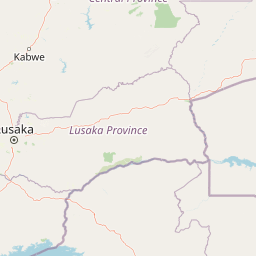
Why Lusaka National Park stands out
Lusaka National Park is best known for its distinction as Zambia's smallest and newest national park, offering accessible wilderness near the capital city. The park provides a compact but representative example of the woodland and forest ecosystems characteristic of the Lusaka plateau region. Its proximity to Lusaka makes it particularly significant as an accessible natural area for residents of the capital seeking nearby wildlife experiences and outdoor recreation opportunities. The park's establishment over former forest reserve land also represents a successful model of upgrading existing protected forest areas to full national park status.
Lusaka National Park history and protected-area timeline
Lusaka National Park was formally established in 2011, making it the most recently created national park in Zambia. Prior to its designation as a national park, the area existed as the Lusaka South Local Forest, a forest reserve that had long been recognized for its ecological and watershed values. The conversion of the forest reserve to national park status represented an upgrading of protective status, reflecting the government's recognition of the area's importance for biodiversity conservation. Before 2010, the land that now encompasses both the national park and the adjacent Lusaka South Multi-Facility Economic Zone was collectively known as the Lusaka South Local Forest, indicating the historical unity of the landscape before industrial development split the area. The park was officially opened to the public in 2015, completing the transition from protected forest to fully operational national park. This relatively recent establishment means the park is still developing its visitor infrastructure and management programs.
Lusaka National Park landscape and geographic character
Lusaka National Park occupies a landscape characterized by woodland and forest vegetation typical of the central Zambian plateau. The terrain consists of gently undulating terrain typical of the region, with soils supporting mixed woodland ecosystems. The park's location in Kafue District places it within a broader landscape that has experienced various land-use pressures from agricultural expansion and urban development associated with Lusaka's growth. The entirely fenced boundary creates a distinct protected enclave within this dynamic landscape, preserving a pocket of natural habitat amid surrounding development. The park's compact size means visitors can traverse significant portions of the terrain, though the landscape maintains the characteristic appearance of mature woodland that distinguishes this part of Lusaka Province.
Lusaka National Park ecosystems, habitats, and plant life
The park protects woodland and forest habitats representative of the central Zambian ecological zone. As a former forest reserve, the area retained significant tree cover and ecological integrity that supported its elevation to national park status. The woodland ecosystems within the park provide habitat for various plant species characteristic of the region, and the protected status ensures the preservation of these communities amid surrounding land-use changes. The fenced boundary helps maintain ecological integrity by reducing human disturbance and providing a more controlled environment for wildlife. While specific ecological details are limited in available sources, the park's foundation on former forest reserve land indicates the presence of meaningful biodiversity values that justified the upgrade in protection status.
Lusaka National Park wildlife and species highlights
While specific wildlife inventories are not detailed in available sources, Lusaka National Park provides protected habitat for wildlife species adapted to woodland environments in central Zambia. The park's location near Lusaka and its status as a fenced protected area create conditions that support populations of various mammal, bird, and reptile species common to the region. The woodland and forest habitats within the park offer foraging and shelter opportunities for wildlife, while the fenced boundary provides some protection from human encroachment and poaching pressure that affects more accessible areas. As Zambia's smallest national park, the wildlife populations are necessarily limited in scale compared to larger protected areas, but the park still contributes to regional biodiversity conservation.
Lusaka National Park conservation status and protection priorities
Lusaka National Park contributes to Zambia's national conservation strategy by providing protected status to a representative area of central Zambian woodland. The park's establishment over former forest reserve land demonstrates a model of conservation enhancement, upgrading existing protective designations to more robust national park status. Its small size and fenced nature create a manageable conservation unit that can be effectively patrolled and protected. The park's proximity to Lusaka also provides important ecosystem services for the capital region, including watershed protection and environmental buffering. As Zambia's newest national park, it represents ongoing investment in expanding the country's protected area network to cover representative examples of all major ecological zones.
Lusaka National Park cultural meaning and human context
Lusaka National Park occupies land with historical connections to the broader Lusaka region, which has experienced significant development and population growth since Zambia's independence. The area's previous designation as part of the Lusaka South Local Forest reflects its long-standing recognition as having environmental values warranting protection. The park's location adjacent to the Lusaka South Multi-Facility Economic Zone illustrates the modern dynamic between conservation and development that characterizes much of Zambia's peri-urban landscape. The park provides an accessible natural area for residents of Lusaka, offering opportunities for environmental education and outdoor recreation that support cultural connections to nature.
Top sights and standout views in Lusaka National Park
The park's standout features include its status as Zambia's smallest and newest national park, its accessible location near the capital city, and its representation of woodland ecosystems on the Lusaka plateau. The entirely fenced perimeter creates a distinct protected environment that distinguishes this park from Zambia's larger, more open conservation areas. Visitors can experience representative central Zambian woodland environments within a manageable area that allows for thorough exploration. The park serves as an important gateway for residents of Lusaka to access protected nature without traveling to more distant parks in Zambia's extensive conservation estate.
Best time to visit Lusaka National Park
The optimal time to visit Lusaka National Park falls during the dry season from May to October, when wildlife viewing conditions are most favorable and vegetation is less dense. The dry winter months offer comfortable temperatures and improved visibility for spotting wildlife as animals concentrate around water sources. The wet season from November to April brings lush green landscapes but can make some areas less accessible and wildlife more dispersed. The park's small size means it can be explored relatively quickly compared to Zambia's vast national parks, allowing visitors to experience the protected area in a single day trip from Lusaka.