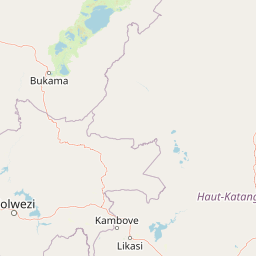
Why Kundelungu National Park stands out
Kundelungu National Park is best known for two distinct features that set it apart within Central African protected areas. The first is Lofoi Falls, a spectacular 340-meter waterfall that ranks among the highest on the African continent and is particularly notable for its height within the Central African region. The second is its extensive savanna ecosystem, characterized by broad steppes and grassy plains punctuated by forest galleries, representing a distinctive habitat type within the Congo that supports diverse wildlife populations. The park's designation as an Important Bird Area by BirdLife International further underscores its significance for avian conservation.
Kundelungu National Park history and protected-area timeline
Kundelungu National Park was established in 1970 as part of the Democratic Republic of the Congo's expanding network of protected areas during the latter decades of the twentieth century. The park's creation reflected growing recognition of the need to preserve the unique savanna ecosystems of the Katanga region, which differ substantially from the rainforest-dominated landscapes of northern Congo. In more recent history, the park has faced security challenges related to regional instability. In January 2023, the Armed Forces of the Democratic Republic of the Congo launched a military operation against Mai Mai Kata Katanga rebels who had taken refuge in the Kundelungu and Upemba park areas. This incident highlights the ongoing challenges facing conservation efforts in parts of eastern and southeastern Congo.
Kundelungu National Park landscape and geographic character
The physical landscape of Kundelungu National Park is dominated by expansive savanna and steppe environments that characterize much of the Katanga Plateau region. The terrain consists of rolling grasslands punctuated by scattered woodlands and, most distinctively, linear forest galleries that trace the courses of rivers and streams crossing the park. These gallery forests provide important habitat diversity within the broader savanna matrix. The park's most spectacular physical feature is Lofoi Falls, where water plunges approximately 340 meters over a dramatic cliff face, creating one of Central Africa's most impressive waterfalls. The elevation change and the associated gorge system add significant topographic variation to what is otherwise a relatively flat landscape. The combination of open plains, forest corridors, and dramatic waterfalls creates a visually distinctive protected area.
Kundelungu National Park ecosystems, habitats, and plant life
The ecosystem of Kundelungu National Park exemplifies the savanna environments of southern Congo, characterized by expansive grassy plains with scattered trees and shrubs. The forest galleries along watercourses represent a critical habitat component, providing denser vegetation cover that contrasts sharply with the surrounding steppe. This habitat mosaic supports a range of ecological communities adapted to the seasonal patterns of rainfall and the periodic flooding of river corridors. The park has been recognized by BirdLife International as an Important Bird Area, acknowledging its significance for bird conservation. This designation reflects the presence of substantial populations of various bird species that depend on the park's diverse habitats for breeding, feeding, and seasonal refuge.
Kundelungu National Park wildlife and species highlights
The wildlife community of Kundelungu National Park reflects the savanna environment of the Katanga region, with numerous large mammal species present across the park's grasslands and forest edges. Antelopes and buffalos represent the primary large herbivore groups, while warthogs are commonly observed in more open areas. Predatory species include jackals, and the park also supports populations of monkeys that inhabit the forest gallery habitats. Porcupines and various snake species contribute to the smaller fauna, while hippopotamuses are found in rivers and swampy areas. The birdlife is particularly notable, with egrets, marabou storks, and pelicans among the water-associated species recorded in the park. The diverse avifauna, combined with the presence of multiple mammal species, creates a wildlife profile typical of Central African savanna ecosystems.
Kundelungu National Park conservation status and protection priorities
Kundelungu National Park holds significant conservation value as an IUCN Category II protected area, designation that recognizes its importance as a national park with substantial natural and scenic values. The park's recognition as an Important Bird Area by BirdLife International further underscores its conservation significance, specifically for the bird species populations it supports. The savanna ecosystem represented in the park differs from the tropical forests that dominate much of the Congo, making it an important representative of habitat types that require dedicated protection. The forest galleries, in particular, serve as critical habitat for species that depend on the interface between open savanna and more densely vegetated corridors. Conservation challenges include managing the pressures from human activities and, as evidenced by recent events, addressing security concerns that can impact both wildlife and park management.
Kundelungu National Park cultural meaning and human context
The park is located within the broader Katanga region, which has a complex history involving indigenous communities, colonial-era mineral extraction, and more recent economic development. The forest galleries along rivers have traditionally served as resource areas for local communities, and the landscape bears the imprint of human presence over generations. However, the Wikipedia source does not provide detailed information about specific indigenous or cultural heritage within the park boundaries, so this aspect remains under-documented in the available material.
Top sights and standout views in Kundelungu National Park
Kundelungu National Park offers visitors an opportunity to experience one of Central Africa's most impressive natural landmarks alongside a preserved savanna ecosystem. Lofoi Falls, at 340 meters, stands as a remarkable waterfall that compares favorably with major falls elsewhere on the continent. The park's extensive savanna landscapes, with their characteristic forest galleries, provide habitat for diverse wildlife including antelopes, buffalos, hippos, and an array of bird species. The Important Bird Area designation highlights the park's particular value for avian conservation. The combination of dramatic topography, diverse habitats, and meaningful wildlife populations makes Kundelungu a distinctive protected area within the DRC's park system.
Best time to visit Kundelungu National Park
The Wikipedia source does not provide specific seasonal guidance for visiting Kundelungu National Park. Visitors interested in planning trips to the park should consult current travel information from the Institut Congolais pour la Conservation de la Nature or authorized tourism operators familiar with conditions in Haut-Katanga Province.