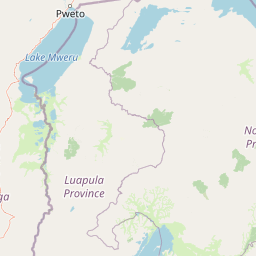
Why Nsumbu National Park stands out
Nsumbu National Park is best known for its unique combination of lakeside and woodland ecosystems, offering visitors the rare opportunity to combine traditional game viewing with sports fishing on one of Africa's great lakes. The park's four bays and peninsula create diverse habitats supporting populations of antelope, buffalo, zebra, and a variety of waterbird species. The dramatic cliff-backed shoreline, balancing rocks, and views across Lake Tanganyika to the distant mountains distinguish Nsumbu from Zambia's more famous savanna parks. The Itigi-Sumbu thicket, an almost impenetrable and endangered habitat type found within the park, adds botanical significance to the protected area.
Nsumbu National Park history and protected-area timeline
Nsumbu National Park was officially designated as a protected area in 1985 under Zambia's national parks system, formalizing the conservation status of a region that had long served as a hunting and recreation ground. Prior to the formal establishment of protection, the area around Kasaba Bay had developed as an exclusive destination accessible primarily by aircraft or by boat from Mpulungu on Lake Tanganyika's southern tip, catering to wealthy international visitors seeking fishing and safari experiences. The Mporokoso District authorities maintained a simple guesthouse at Sumbu Bay, reachable via a gravel road from Mporokoso. In the early 1970s, road improvements connected Kasaba Bay Lodge to the broader network, and a new lodge facility opened at Nkamba Bay, expanding access to the park. During this period and throughout the 1970s, Nsumbu was widely regarded as one of Zambia's premier national parks, with healthy populations of elephants and lions providing excellent wildlife viewing. The subsequent decades brought significant challenges: game populations declined during the 1980s and 1990s as management resources dwindled, the domestic airline that had transported visitors ceased operations, and the park's relative isolation, combined with conflict in neighboring DR Congo just 25 kilometers to the north, deterred potential visitors. Recent years have seen renewed conservation investment, including a 2017 partnership between the Frankfurt Zoological Society and Zambia's Department of National Parks and Wildlife through the Nsumbu Tanganyika Conservation Project, which has contributed to recovering wildlife populations.
Nsumbu National Park landscape and geographic character
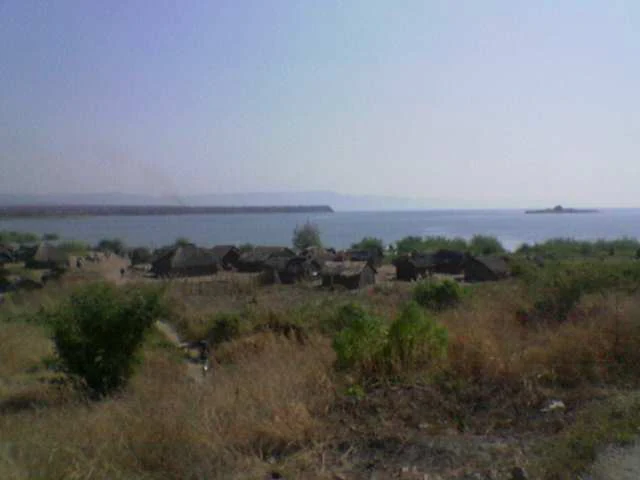
The physical landscape of Nsumbu National Park presents a compelling blend of aquatic and terrestrial environments shaped by the presence of Lake Tanganyika and the surrounding highlands. The lakefront features dramatic variation, with rocky cliffs dominating certain stretches while sandy beaches predominate in other areas. The balancing rocks scattered along the shoreline represent distinctive geological formations that have become a visual signature of the park. Inland, the terrain transitions through miombo woodland dominated by Brachystegia and Julbernardia tree species, interspersed with areas of Itigi-Sumbu thicket characterized by dense, virtually impenetrable vegetation. The southern portion of the park contains the deep valley carved by the Lufubu River, a 300-meter descent from the surrounding plateau that creates a distinct micro-environment within the protected area. The park's position on the lake places it directly across from the mountainous eastern shore, where steep terrain rises sharply from the water's edge, providing a dramatic backdrop that frames many views from within the park. The Nundo Head Peninsula extends outward into the lake, offering elevated vantage points overlooking the surrounding waters.
Nsumbu National Park ecosystems, habitats, and plant life
The ecological character of Nsumbu National Park reflects its position within the Central Zambezian Miombo woodlands ecoregion, one of Africa's most extensive woodland types, while also incorporating the rare and virtually impenetrable Itigi-Sumbu thickest that exists in scattered patches throughout the park. This thicket represents one of Zambia's most endangered habitat types, and its presence within Nsumbu underscores the park's conservation significance beyond its more visible wildlife populations. The transition between woodland and lakeshore creates diverse micro-habitats supporting varied plant communities, from lakeside reeds and papyrus to semi-deciduous thicket species to the characteristic miombo canopy. The lake itself supports an entirely separate ecosystem, with the clear, oxygen-rich waters of Lake Tanganyika containing remarkable biodiversity including numerous cichlid species found nowhere else on Earth. The combination of terrestrial and aquatic environments within a single protected area distinguishes Nsumbu from many of Zambia's other parks that focus primarily on savanna habitats.
Nsumbu National Park wildlife and species highlights
Nsumbu National Park supports a diverse mammalian community typical of southern African woodlands, with several species particularly associated with the lakeshore environment. Large herbivores including African buffalo, plains zebra, and various antelope species such as puku, roan antelope, sable antelope, and eland move through the woodlands and open areas within the park. The park also hosts populations of bushbuck, impala, waterbuck, and reedbuck, while the more elusive sitatunga and blue duiker occupy the denser thicket areas. Predators present include lion and leopard, though these large cats are encountered less frequently, while spotted hyena and side-striped jackal are more regularly observed. The lakeshore brings regular encounters with hippopotamus and Nile crocodile, and visitors are advised to exercise caution when swimming. The avifauna complement includes water-associated species such as flamingos, African skimmers, various herons and storks, and the distinctive African fish eagle. The lake waters support significant fish populations including Nile perch, goliath tigerfish, vundu catfish, and several cichlid species, making the park a notable destination for sport fishing.
Nsumbu National Park conservation status and protection priorities
Nsumbu National Park represents an important conservation node within Zambia's protected area network, safeguarding both representative examples of the Central Zambezian Miombo woodlands and the rare Itigi-Sumbu thicket ecosystem. The presence of these critical habitats, combined with the park's lakeshore position along one of Africa's great freshwater lakes, creates conservation value that extends beyond the park's borders. The Frankfurt Zoological Society's partnership with the Department of National Parks and Wildlife through the Nsumbu Tanganyika Conservation Project, initiated in 2017, has provided crucial support for anti-poaching efforts, wildlife monitoring, and community engagement around the park boundaries. The recovery of wildlife populations in recent years demonstrates the potential for effective conservation when resources and management attention are directed appropriately. The park's relative isolation has historically presented challenges for consistent protection, but that same remoteness has also limited development pressure and preserved the area's wilderness character.
Nsumbu National Park cultural meaning and human context
The Nsumbu area carries historical significance as part of the broader Lake Tanganyika region that has supported human communities for generations. The park sits in Zambia's Northern Province, an area with distinct cultural traditions and settlement patterns. Prior to the establishment of formal protected status, local communities maintained connections to the land and resources around Sumbu and the surrounding bays, with fishing and small-scale agriculture providing livelihoods. The development of lodges in the area during the mid-twentieth century brought new economic activity and external visitors, though the park's remoteness has limited the scale of tourism-related development compared to more accessible destinations. The proximity to the DR Congo border, just 25 kilometers to the north, has influenced the region's recent history, with conflict in the neighboring country affecting visitor access and regional stability during certain periods.
Top sights and standout views in Nsumbu National Park
Nsumbu National Park offers several standout features that distinguish it from Zambia's more visited protected areas. The combination of a lakeside setting with traditional safari wildlife viewing creates a uniquely varied experience, where morning game drives through miombo woodland can be followed by afternoon fishing or canoeing on Lake Tanganyika. The park's four bays provide sheltered anchorages and different scenic characters, from the rocky shores near Kasaba to the sandy beaches of Nkamba. The views across the lake to the mountainous Tanzanian shore create an expansive backdrop that enhances the sense of wilderness. The Itigi-Sumbu thicket, while difficult to traverse, represents a rare and threatened habitat type that visitors can observe from designated trails. The relatively low visitor numbers mean that those who do make the journey to Nsumbu experience a park that retains a genuine sense of remoteness and exploration.
Best time to visit Nsumbu National Park
The optimal time to visit Nsumbu National Park corresponds with the dry season from May through October, when reduced vegetation density improves wildlife visibility and access roads are more reliable. The cooler months of June through August typically offer the most comfortable conditions for game viewing activities, though temperatures along the lakeshore remain warm year-round. The period surrounding the Tanganyika Angling Challenge in March or April draws fishing enthusiasts to the region, offering a particularly vibrant time to experience the park's lodges. The wet season from November through April brings higher vegetation that can obscure wildlife sightings, though the landscape remains green and bird activity increases. Visitors should note that road access, particularly the gravel section from Mporokoso to Nsumbu, can become more challenging during the wet season and may affect travel plans.