Mori Atlas logo
National parkTs'ehlanyane National Park

Discover unique indigenous forests, berg bamboo habitats, and diverse mountain terrain.

Ts'ehlanyane National Park: High-Altitude Protected Landscape in Lesotho's Maloti Mountains

Ts'ehlanyane National Park represents a critical protected wilderness area within Lesotho's Maloti Mountains, situated in the Leribe District. This national park safeguards a rare high-altitude landscape, notable for its significant stands of indigenous forest and endemic plant species thriving amidst unique berg bamboo ecosystems. It offers a distinct window into the region's geography and serves as a key component for atlas-based exploration of southern Africa's protected natural heritage.

indigenous foresthigh-altitude protected areaMaloti Mountainsberg bambootransfrontier conservationsub-alpine ecosystem

Ts'ehlanyane National Park

National park

Park overview

Structured park overview, official facts, and landscape profile for Ts'ehlanyane National Park

Ts'ehlanyane National Park park facts, protected area profile, and essential visitor context
Review the core facts for Ts'ehlanyane National Park, including designation, size, terrain, visitor scale, habitats, and operating context in one park-focused overview.

About Ts'ehlanyane National Park

Ts'ehlanyane National Park represents one of Lesotho's most ecologically significant protected areas, protecting a pristine patch of mountain wilderness at the heart of the Maloti Mountains. The park's defining feature is its indigenous forest, a rare habitat type in Lesotho that survives here in meaningful extent due to the protection afforded by the reserve. The berg bamboo thickets that dominate the river valleys give the park its name and create a characteristic landscape unlike anything found in surrounding areas. Beyond the bamboo forests, the park encompasses a remarkable diversity of habitats derived from its substantial altitude range, transitioning from riverine corridors through scrub forest to sub-alpine and alpine zones. This ecological gradient supports a correspondingly diverse array of species, from forest-dwelling birds to high-altitude specialists adapted to the harsh mountain environment. The park's inclusion in the Maloti-Drakensberg Transfrontier Conservation Area connects it to a broader network of protected lands spanning two countries, enabling conservation outcomes that neither nation could achieve alone.

Quick facts and research context for Ts'ehlanyane National Park

Ts'ehlanyane National Park lies at the junction of the Ts'ehlanyane and Holomo rivers in the Maloti Mountains of northern Lesotho, accessible via a 32-kilometer tarred road from the A1 route south of Butha-Buthe. The park spans altitudes from 1,940 to 3,112 meters, placing most of its terrain in the sub-alpine zone and creating exceptional habitat diversity within a relatively compact area. It forms part of a transfrontier conservation initiative linking protected areas across Lesotho and South Africa's Drakensberg region, facilitating the movement of wildlife across international boundaries.

Park context

Deeper park guide and search-rich context for Ts'ehlanyane National Park

Ts'ehlanyane National Park history, landscape, wildlife, and travel context
Explore Ts'ehlanyane National Park through its history, landscape character, ecosystems, wildlife, conservation priorities, cultural context, and seasonal travel timing in a structured park guide built for atlas discovery and search intent.

Why Ts'ehlanyane National Park stands out

Ts'ehlanyane National Park is best known for its exceptional indigenous forest ecosystem, one of the rarest in Lesotho, where the berg bamboo creates a unique woodland habitat supporting endemic plant species. The park protects significant populations of rare undergrowth plants that exist nowhere else in the world, making it botanically important across the entire Maloti-Drakensberg mountain range. Its position as a high-altitude wilderness area with remarkable altitudinal range creates diverse habitats supporting both alpine and forest species, while the presence of the endangered bamboo sylph butterfly adds invertebrate conservation significance.

Ts'ehlanyane National Park history and protected-area timeline

The establishment of Ts'ehlanyane National Park is relatively recent in conservation terms, with the protected area oweing its formal recognition to infrastructure development in the early 1990s. The park's access road was constructed to serve the Mamohale tunnel, the first adit driven for the Lesotho Highlands Water Project in May 1991, which runs 22 kilometers from its source at Katse Dam to the As River outfall near Clarens in South Africa's Free State. This infrastructure connection brought the previously remote mountain area within reach of conservation planning and eventual protected area designation. The creation of the park represented an opportunity to preserve the unique forest ecosystem and mountain habitats while acknowledging the area's growing significance within the transfrontier conservation framework linking Lesotho and South Africa.

Ts'ehlanyane National Park landscape and geographic character

The physical landscape of Ts'ehlanyane National Park is defined by its position in the Maloti Mountains, a highland region forming the southern extension of the Drakensberg escarpment. The terrain is rugged and mountainous, with the park encompassing steep valleys, rocky ridgelines, and the river corridors where the Ts'ehlanyane and Holomo rivers converge. Altitude dominates the landscape, with the park ranging from 1,940 meters in the lower valleys to 3,112 meters at its highest points, creating dramatic changes in terrain character across relatively short distances. The valley floors and slopes support the bamboo forest, while higher ground gives way to sub-alpine vegetation and exposed rock. Basalt cliffs and erosion-prone slopes add geological interest, particularly along the Ts'ehlanyane river where south-east facing cliffs support specialized plant communities.

Ts'ehlanyane National Park ecosystems, habitats, and plant life

The ecological character of Ts'ehlanyane National Park centers on its indigenous forest ecosystem, one of the few remaining in Lesotho and the most significant stand of berg bamboo forest in the Maloti-Drakensberg region. The berg bamboo, Thamnocalamus tessellatus, forms dense thickets along watercourses and damp slopes, reaching three to four meters in height and creating a distinctive habitat layer supporting specialized species. This bamboo serves as the host plant for the endangered bamboo sylph butterfly, Metisella syrinx, adding invertebrate conservation significance to the forest. Beyond the bamboo, the park supports areas of fynbos vegetation that represent some of the rarest examples of this Cape Floristic Region element found anywhere in the world. The diverse habitats created by the park's altitudinal range support more than 220 flowering plant species, including Lesotho's national plant, the spiral aloe, and over 180 alpine flowering species that carpet the higher ground during the growing season.

Ts'ehlanyane National Park wildlife and species highlights

The wildlife community of Ts'ehlanyane National Park reflects its position at the crossroads of multiple biogeographic regions, combining species from the Drakensberg highlands, African savanna, and Cape Floristic Region. Bird diversity is particularly notable, with the park supporting both widespread species and specialized high-altitude endemics including the Drakensberg siskin, mountain pipit, sentinel rock-thrush, and Drakensberg rockjumper. Birds of prey are well represented, with bearded vulture, lanner falcon, rock kestrel, and black stork among the notable raptor species recorded. Mammal diversity includes both smaller species adapted to the mountain environment, such as Sloggett's vlei rat and rock dassie, and larger species including common eland, mountain reedbuck, rhebok, caracal, and serval. The indigenous forest supports its own suite of species adapted to the bamboo and cheche woodland, while the rivers and streams provide habitat for Cape clawless otter.

Ts'ehlanyane National Park conservation status and protection priorities

Ts'ehlanyane National Park holds significant conservation value as one of Lesotho's premier protected areas, safeguarding what may be the most important refuge for berg bamboo in the entire Maloti-Drakensberg mountain range. The park's indigenous forest represents an extremely rare habitat type within Lesotho, and the presence of numerous rare undergrowth plants found nowhere else in the world elevates its conservation importance to an international level. The protection of this area contributes to the broader Maloti-Drakensberg Transfrontier Conservation Area, a cooperative initiative spanning the Lesotho-South Africa border that aims to protect shared ecosystems and enable wildlife movement across international boundaries. The park's high-altitude position and exceptional habitat diversity, derived from its substantial altitudinal range, create a conservation buffer against climate change impacts by supporting multiple ecological zones within a single protected area.

Ts'ehlanyane National Park cultural meaning and human context

The cultural context of Ts'ehlanyane National Park is deeply connected to the Basotho people and their relationship with the mountain environment. The berg bamboo that gives the park its name holds cultural significance for local communities, and the river that flows through the area is integral to the landscape's identity. Traditional land use practices, including grazing and water management, have shaped the surrounding landscape over generations, though the protected area itself now operates under modern conservation frameworks. The nearby town of Clarens in South Africa's Free State, just minutes from the park, represents the cultural gateway to this mountain region, while the Basuto pony traditionally used in the area connects to the equestrian heritage of the Basotho people.

Top sights and standout views in Ts'ehlanyane National Park

The standout features of Ts'ehlanyane National Park include its rare indigenous forest with berg bamboo, exceptional plant diversity with numerous endemics, high-altitude mountain scenery at the foot of Holomo Pass, and its role within the transfrontier conservation area. The park offers hiking and bridle paths exploring the mountain terrain, with a 39-kilometer trail connecting to Bokong Nature Reserve. Wildlife viewing opportunities span over 24 mammal species, while the birdlife includes both common species and Drakensberg endemics. The Maliba Lodge within the park provides accommodation access to this wilderness, with photographic opportunities across the diverse flora and dramatic mountain landscapes.

Best time to visit Ts'ehlanyane National Park

Ts'ehlanyane National Park can be visited throughout the year, though the high-altitude location means conditions vary significantly with season. The summer months from November to March bring warmer temperatures and the peak flowering season, when the alpine flora displays its greatest color and the park's botanical diversity is most apparent. Winter months from May to September can bring cold conditions and potential snow at higher elevations, though the clear mountain air offers excellent visibility and a different character to the landscape. The shoulder seasons of spring and autumn offer moderate conditions and may provide the best balance between comfortable temperatures and avoiding the peak summer visitor period.

Park location guide

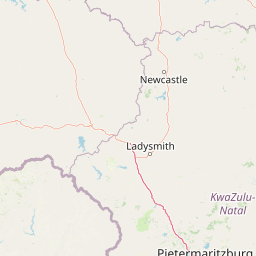
Geography guide, regional context, and park location map for Ts'ehlanyane National Park

Ts'ehlanyane National Park park geography, regions, and map view in Lesotho
Understand where Ts'ehlanyane National Park sits in Lesotho through a broader geographic reading of the surrounding landscape, nearby location context, and its mapped position within the national park landscape.

How Ts'ehlanyane National Park fits into Lesotho

Lesotho is a landlocked monarchy in Southern Africa, completely enclosed within South Africa. It is one of the world's only three sovereign enclaves, with terrain defined by the Maloti Mountains. The country has a population of approximately 2.2 million and gained independence from Britain in 1966.

Wider geography shaping Ts'ehlanyane National Park in Lesotho

Lesotho is entirely landlocked within South Africa, making it one of only three sovereign enclaves in the world. The country is situated in the Maloti Mountains, containing the highest peak in Southern Africa at Thabana Ntlenyana. The terrain is predominantly mountainous.

Map view of Ts'ehlanyane National Park

Use this park location map to pinpoint Ts'ehlanyane National Park in Lesotho, understand its exact geographic position, and read its mapped placement within the surrounding landscape more clearly.

Pigeon | © OpenStreetMap contributors

Location context for Ts'ehlanyane National Park

Leribe District
Park atlas

Map Lesotho's Highland Protected Areas and the Broader Maloti-Drakensberg Transfrontier Region

Discover Nearby Protected Areas, Comparing Landscapes Around Ts'ehlanyane National Park
Continue your exploration of southern Africa's highland conservation by browsing additional national parks and protected areas located geographically near Ts'ehlanyane National Park. Compare their unique indigenous forests, sub-alpine ecosystems, and mountain wilderness features to trace the broader protected landscape of the Maloti Mountains.
National parkQacha's Nek District

Sehlabathebe National Park: Mapped Protected Landscape in Lesotho's Maloti Mountains

Explore high-altitude terrain, waterfalls, and ancient rock art sites.

Sehlabathebe National Park stands as a protected national park within the rugged Maloti Mountains of Lesotho's Qacha's Nek District. This destination is vital for understanding the geographic context of protected areas, featuring dramatic cliffs, iconic waterfalls like Tsoelikana, and numerous rock art sites that speak to its cultural and historical significance. Its high-altitude Afro-Alpine and sub-alpine ecosystems offer unique landscape characteristics and support notable biodiversity, making it a key point of interest for atlas-driven exploration of natural and protected terrains.

Area
69.5 km²
Established
1969
IUCN
IV
National parkEastern Cape

Mountain Zebra National Park: A National Park within Eastern Cape's Geography

Explore its mapped protected boundaries and regional landscape context.

Mountain Zebra National Park serves as a key protected area within South Africa's Eastern Cape region. This page offers an atlas-driven perspective, detailing the park's geographic scope and mapped boundaries. Understand its role as a national park and its contribution to the regional landscape context, providing structured data for those interested in protected land distribution and natural terrain.

Area
284 km²
Established
1937
IUCN
II
National parkEswatini

Hlane Royal National Park: Eswatini's Vast Protected Savanna Woodland Landscape

Mapped geography and protected area context in northeastern Eswatini.

Delve into Hlane Royal National Park, Eswatini's most extensive protected territory, a prime example of lowland bushveld savanna. This national park is defined by its expansive woodland terrain, dotted with ancient trees and seasonal water pans, creating a dynamic landscape. It is an essential component for understanding the regional geography and the distribution of protected areas within Southern Africa, offering significant opportunities for landscape exploration.

Area
300 km²
IUCN
VI
National parkEastern Cape

Addo Elephant National Park: South African National Park with Diverse Protected Landscapes

Explore its geographic context and unique Big Seven megafauna habitats.

Addo Elephant National Park is a crucial protected landscape within South Africa's Eastern Cape, covering approximately 1,640 square kilometers of varied terrain including karoo plains, coastal dunes, and marine protected areas. Its identity is deeply tied to the successful recovery of elephant populations and its distinction as the only African national park where all Big Seven megafauna can be observed in their natural surroundings. Discover the park's geographic spread, landscape diversity, and its role as a premier conservation area.

Area
1,640 km²
Established
1931
IUCN
II
National parkSouth Africa

Kruger National Park: South Africa's Iconic National Park for Geographic Discovery

Explore savanna landscapes and mapped protected area boundaries.

Kruger National Park serves as a paramount example of a protected landscape, offering a rich tapestry of savanna ecosystems and varied terrain across South Africa's Lowveld. This canonical entry details its vast geographic scope, approximately 19,623 square kilometres, and its status as the nation's first national park. Understand the park's environmental context, from the Lebombo Mountains to the Limpopo River, and its integral role within larger transfrontier conservation initiatives, providing critical insight for atlas-based geographic exploration.

Area
19,623 km²
Established
1926
IUCN
II
National parkSouth Africa

Tsitsikamma National Park: South Africa's Protected Coastal Forest and Terrain

Explore the unique mapped landscape and protected area boundaries.

Tsitsikamma National Park in South Africa is defined by its striking coastal geography, where ancient indigenous forests descend towards rugged shores. This national park is a prime example of a protected landscape that showcases the dynamic interface between land and sea, featuring dramatic cliffs and iconic river mouths. Understanding its mapped boundaries and diverse terrain provides critical context for regional geographic exploration and the study of conservation areas within South Africa.

Established
2009
IUCN
II
National parkSouth Africa

Garden Route National Park: South Africa's Protected Landscape and Forest Atlas

Explore indigenous forests, coastal cliffs, and lake systems.

Garden Route National Park is a key national park in South Africa, celebrated for its rich indigenous forests and dramatic coastline. As a protected landscape, it offers a unique geographic profile, blending ancient woodlands with rugged coastal terrain and interconnected lake systems. This page serves as an atlas entry, detailing the park's spatial extent and its significance as a conservation area within the broader geography of South Africa.

Area
1,210 km²
Established
2009
IUCN
II
National parkLimpopo

Mapungubwe National Park: National Park with Rich Iron Age Archaeology and Savanna Landscapes

Explore Limpopo's unique protected area at the three-nation border.

Mapungubwe National Park is a vital protected area in South Africa's Limpopo region, renowned for its dual significance as a major archaeological site and a diverse natural landscape. This national park protects a significant portion of savanna ecosystems, including unique riparian forests and mopane woodlands, surrounding the historic Mapungubwe Hill. As part of the Greater Mapungubwe Transfrontier Conservation Area, it plays a crucial role in regional conservation, offering a distinct geographic perspective at the confluence of South Africa, Botswana, and Zimbabwe, and serving as a focal point for atlas-based discovery of protected lands.

Area
280 km²
Established
1998
IUCN
II

Common questions about visiting, size, designation, and location context for Ts'ehlanyane National Park

Ts'ehlanyane National Park FAQs for park facts, access, geography, and protected area context
Find quick answers about Ts'ehlanyane National Park, including protected-area facts, park geography, trail and visitor context, and how the park fits into its surrounding country and regional landscape.
MoriAtlas Explorer

Continue Your Protected Areas Search Across the Global Atlas

Deepen your exploration by continuing the structured search for national parks and protected areas worldwide. Utilize the comprehensive filtering capabilities to compare different conservation landscapes and refine your understanding of global park geography. Discover more about the distribution and characteristics of protected natural areas.

Global natural geography