Why Garden Route National Park stands out
Garden Route National Park is best known for its spectacular combination of ancient indigenous forests and dramatic coastal scenery. The Tsitsikamma section preserves an 80-kilometer stretch of pristine coastline featuring some of South Africa's most impressive ocean cliffs and the famous Storms River Mouth. The park contains one of the largest contiguous blocks of indigenous forest in South Africa, home to rare species and old-growth trees. The Otter Trail, one of South Africa's most celebrated hiking routes, traverses the park's rugged terrain. The Wilderness section protects a chain of five interconnected lakes and wetlands, while the Bloukrans Bridge near the park offers the world's highest commercial bungee jump at 216 meters.
Garden Route National Park history and protected-area timeline
Garden Route National Park was officially established on 6 March 2009 through the merger of three previously separate protected areas: Tsitsikamma National Park, Wilderness National Park, and the Knysna National Lake Area, along with various parcels of state-owned land. This consolidation created a unified conservation entity spanning the administrative boundaries of both Western Cape and Eastern Cape provinces. Prior to formal national park status, these individual areas had been protected under various designations for decades, with Tsitsikamma and Wilderness having achieved national park status in earlier decades. The amalgamation reflected a growing recognition that ecological systems function as connected networks rather than isolated fragments, and that protecting biodiversity requires contiguous landscapes rather than fragmented reserves.
Garden Route National Park landscape and geographic character
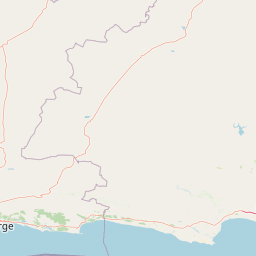
The Garden Route National Park encompasses a remarkable variety of coastal and mountainous terrain along South Africa's southern seaboard. The Tsitsikamma section preserves an 80-kilometer stretch of dramatic coastline characterized by towering sea cliffs, secluded beaches, and the spectacular Storms River Mouth where a river breaches the coastal mountains to meet the Indian Ocean. The Wilderness section centers on a chain of five interconnected lakes formed by the Touw River system, including Island Lake, Swartvlei, and the Serpentine waterway that links them. The landscape transitions from coastal dunes and beaches through progressively older indigenous forest up the slopes of the coastal mountains. The park includes archaeologically significant sites where evidence of human habitation dates back centuries.
Garden Route National Park ecosystems, habitats, and plant life
The Garden Route National Park protects one of Africa's most significant blocks of indigenous forest within the Knysna-Amatole montane forests ecosystem. This forest complex covers approximately 605 square kilometers within the park's boundaries, representing one of the largest continuous areas of old-growth forest in South Africa. The park's unique climate, receiving rainfall throughout the year unlike most of Africa which experiences distinct wet and dry seasons, supports exceptional biodiversity and allows for lush vegetation that defines the Garden Route's character. The Wilderness section alone protects three major zones of indigenous forest alongside four distinct types of fynbos, the characteristic Cape floral kingdom vegetation characterized by diverse shrubland species adapted to the region's Mediterranean climate.
Garden Route National Park wildlife and species highlights
The indigenous forests and diverse habitats of Garden Route National Park support a rich array of wildlife species. The forest environment provides crucial habitat for endangered species including the Knysna seahorse found in the park's aquatic systems. The park's lakes and estuaries serve as important bird habitat and support populations of waterfowl and migratory species. Coastal waters within the park's marine zones contain diverse fish populations and marine mammals. The forest canopy supports numerous bird species endemic to the region, while smaller mammals occupy the understory and forest floor. The combination of forest, fynbos, freshwater, and marine habitats creates an ecological matrix that supports species adapted to each distinct environment.
Garden Route National Park conservation status and protection priorities
Garden Route National Park plays a critical role in conserving South Africa's unique coastal forest ecosystems, which are under pressure from development and land conversion throughout the region. The park protects portions of the Knysna-Amatole montane forests, a biodiversity hotspot with numerous endemic species. The consolidation of multiple protected areas into a single national park created ecological corridors allowing species to move between previously fragmented habitats, strengthening genetic connectivity and ecosystem resilience. The park's marine protected areas along its coastline contribute to ocean conservation. The presence of archaeologically significant sites adds cultural heritage to the conservation mandate, preserving evidence of human interaction with this landscape over centuries.
Garden Route National Park cultural meaning and human context
The Garden Route region has been home to indigenous peoples for millennia, and the park contains archaeologically significant sites that document this long human presence in the landscape. The area around Wilderness and the lake system held significance for local communities, and the Tsitsikamma coast was traversed by generations of people before European colonization. The modern park encompasses land that was historically used by pastoralists and other communities whose relationship with this landscape shaped its character. The town of Wilderness and surrounding communities maintain connections to the park, and tourism has become central to the regional economy in the decades since conservation protections were established.
Top sights and standout views in Garden Route National Park
Garden Route National Park offers several standout features that distinguish it among South Africa's protected areas. The Tsitsikamma coastline provides spectacular coastal scenery with the iconic Storms River Mouth representing one of the most photographed locations in the region. The Otter Trail hiking route attracts outdoor enthusiasts from around the world, offering multi-day access to the park's most scenic terrain. The Wilderness lake system provides unique paddling and birdwatching opportunities through a network of waterways threading through indigenous forest. The park's indigenous forests rank among the most significant in Africa, home to species found nowhere else. The Bloukrans Bridge bungee jump near the park's boundary offers an extreme adventure option for visitors seeking additional thrill.
Best time to visit Garden Route National Park
Garden Route National Park can be visited year-round due to its temperate climate and consistent rainfall, though different seasons offer distinct experiences. The summer months from November through March typically bring warmer temperatures and longer days, making this period popular for hiking and outdoor activities. Winter months from June through August see increased rainfall but also lush, verdant forest scenery and fewer visitors. The park's year-round rainfall means there is no true dry season, so visitors should be prepared for precipitation at any time. Spring and early summer bring fynbos flowering, while autumn offers pleasant temperatures and often clearer skies. The shoulder seasons of spring and autumn often provide ideal conditions for exploring the park's trails and waterways.