Why Bontebok National Park stands out
Bontebok National Park is uniquely renowned for its species-specific conservation mission, being the only national park in the world created specifically to protect the bontebok antelope. This rare and strikingly marked antelope, with its distinctive white facial blaze and chocolate-brown body, is endemic to the Cape Floristic Region and remains vulnerable according to international conservation assessments. The park also protects one of the largest remaining fragments of coastal renosterveld, a critically endangered vegetation type that contains numerous plant species found nowhere else on Earth. The landscape of fynbos-covered foothills against the Langeberg Mountains, traversed by the Breede River, provides a quintessential representation of Cape floral kingdom ecology.
Bontebok National Park history and protected-area timeline
Bontebok National Park was established in 1931 as a species-specific conservation initiative aimed at preventing the extinction of the bontebok antelope. By the early 19th century, European settlement and intensive hunting had reduced bontebok populations to dangerously low numbers, nearly driving the species to extinction. A small relict population survived on private farmland and was eventually protected, providing the foundation for the park's establishment. In 1931, seventeen individuals from this protected population were translocated to the first Bontebok National Park site. The park faced significant challenges during the 1960s when approximately half of the population died due to worm infestations, copper deficiency, and related health syndromes. In 1961, sixty-one surviving individuals were moved to the current park location, which provided more suitable habitat conditions. This translocation created the foundation for the modern bontebok population, as all approximately 2,500 to 3,000 bontebok alive worldwide today descend from this original park stock. Over the years, surplus animals from the park have been translocated to other nature reserves and private properties with appropriate habitats, establishing secondary populations while maintaining the park at its ecological carrying capacity of approximately 200 individuals to prevent overgrazing damage to the fynbos vegetation.
Bontebok National Park landscape and geographic character
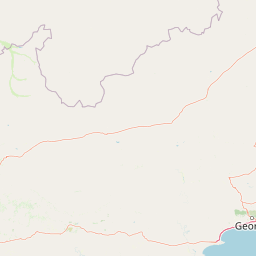
The landscape of Bontebok National Park is characterized by gentle, undulating terrain at the foothills of the Langeberg Mountains, creating a scenic backdrop of rugged mountain ridges to the north. The Breede River forms the park's southern boundary, providing a permanent watercourse that influences the ecology and creates recreational opportunities for visitors. The terrain consists predominantly of flat to slightly rolling areas that transition from the river floodplain into the lower slopes of the mountain foothills. The vegetation is dominated by fynbos, the distinctive fine-leaved shrubland of the Cape Floristic Region, interspersed with patches of renosterveld, a more dense and grassy vegetation type that historically covered the more fertile lowlands. The landscape provides a visually accessible representation of Cape floral kingdom ecology, with the mountain backdrop adding topographic drama to otherwise gentle terrain. The park's compact size means that visitors can traverse diverse habitats relatively easily, from riverine corridors to drier upland fynbos zones.
Bontebok National Park ecosystems, habitats, and plant life
Bontebok National Park lies at the heart of the Cape Floristic Region, one of the world's six recognized floral kingdoms and by far the smallest, covering only 0.04 percent of Africa's land area yet containing approximately 20 percent of the continent's plant species. The park protects two primary vegetation types: the iconic fynbos, characterized by fine-leaved, drought-resistant shrubs and restios, and the coastal renosterveld, which represents one of the largest remaining islands of this critically endangered vegetation type. The renosterveld within the park contains plant species found nowhere else on Earth, making it globally significant for biodiversity conservation. The park supports nearly 500 species of grasses and other plants, reflecting the extraordinary botanical diversity of the region. The ecological character is shaped by the Mediterranean climate with winter rains, creating conditions that support fire-adapted vegetation regimes essential for fynbos regeneration. The Breede River corridor provides additional habitat diversity, supporting riparian vegetation and creating ecological pathways for species movement through the landscape.
Bontebok National Park wildlife and species highlights
Bontebok National Park was created specifically to protect the bontebok, a distinctive antelope species characterized by its chocolate-brown coat and striking white facial blaze. Although the worldwide population of approximately 2,500 to 3,000 bontebok all descends from the park's original translocated stock, the park maintains a population of around 200 individuals, which represents the maximum number the habitat can support without causing damage to the fynbos vegetation. Beyond bontebok, the park supports a diversity of mammalian species including African leopard, African clawless otter, grey rhebok, Cape grysbok, steenbok, grey duiker, caracal, red hartebeest, and Cape mountain zebra. The avian fauna is particularly notable, with over 200 bird species recorded within the park. Notable bird species include the blue crane (South Africa's national bird), Denham's bustard, secretarybird, spur-winged goose, and a variety of smaller species including sunbirds, flycatchers, and barbets. The combination of fynbos, renosterveld, and riverine habitats creates ecological niches supporting this diverse fauna.
Bontebok National Park conservation status and protection priorities
Bontebok National Park plays a critical conservation role as the species-specific protected area for one of Africa's most distinctive antelopes. The bontebok remains listed as vulnerable on Appendix II of the International Trade in Endangered Species Red List, reflecting ongoing conservation concerns despite the species' recovery from near extinction. The park's conservation significance extends beyond the bontebok to encompass the broader Cape Floristic Region ecosystem, with the protected fynbos and renosterveld habitats representing some of the most threatened vegetation types in South Africa. The renosterveld within the park is considered one of the largest remaining intact fragments of this critically endangered habitat, containing numerous endemic plant species found nowhere else. The park's management approach balances species conservation with habitat preservation, limiting bontebok numbers to prevent overgrazing and maintain the ecological integrity of the fynbos vegetation. Surplus animals have been used to establish populations in other protected areas and private conservation land, expanding the species' range beyond the park's boundaries.
Bontebok National Park cultural meaning and human context
Bontebok National Park is situated in an area with historical connections to indigenous Khoikhoi peoples who historically inhabited the Cape region. The park's accommodation area at Lang Elsiesie's Kraal contains the original building dating from approximately 1734 to 1800, representing historical human presence in the landscape. The name Bontebok refers to the distinctive patterned antelope that has defined the park's conservation identity since its establishment. The broader Western Cape region where the park is located has a complex colonial history involving Dutch and later British settlement, with the near-extinction of bontebok populations directly linked to the expansion of European agriculture and hunting in the 18th and 19th centuries. The establishment of the park represented an early recognition of the need to protect South Africa's unique endemic species, predating modern conservation frameworks and serving as a model for subsequent species-specific protected area establishment in the country.
Top sights and standout views in Bontebok National Park
Bontebok National Park offers a concentrated experience of Cape Floristic Region biodiversity in South Africa's smallest national park. The opportunity to observe bontebok in their natural habitat represents a unique wildlife experience, as this species exists nowhere else in the wild. The park's landscape of fynbos-covered foothills beneath the Langeberg Mountains provides scenic beauty accessible through a network of hiking trails ranging from 1.6 to 6 kilometers. The Breede River offers recreational opportunities including swimming, fishing, and kayaking, while the network of self-driven game viewing routes allows visitors to explore the park independently. The combination of over 200 bird species, diverse mammal populations, and nearly 500 plant species creates significant biodiversity interest within a compact area. The park's status as part of the UNESCO World Heritage-listed Cape Floristic Region adds global recognition to its conservation significance.
Best time to visit Bontebok National Park
Bontebok National Park can be visited throughout the year, though the Western Cape experiences a Mediterranean climate with wet winters and dry summers. The fynbos vegetation is at its most vibrant during the spring months of August through October, when many plant species flower prolifically and the landscape displays colorful wildflower displays. This spring flowering period also coincides with optimal conditions for birdwatching, as many species are active and visible. Summer months (December to February) can be warm but offer long days for exploration and are ideal for river-based activities on the Breede River. Winter brings cooler temperatures and occasional rainfall, but the park remains accessible and the moisture brings new growth to the vegetation. The park's compact size means that visitors can experience the key landscapes in any season, though the spring flowering period provides the most visually spectacular conditions for those interested in the fynbos vegetation that defines the park's ecological character.