Mori Atlas logo
National parkBontebok National Park

Mapping the endemic bontebok's survival, fynbos biodiversity, and Breede River geography.

Bontebok National Park: South Africa's Unique Protected Landscape in the Western Cape

Bontebok National Park stands as a unique protected area within South Africa's Western Cape province, established specifically for the conservation of the endemic bontebok antelope. This compact national park, situated near Swellendam and bordered by the Breede River and Langeberg Mountains, offers a focused glimpse into the rich biodiversity of the Cape Floristic Region. Its landscape is a vital component of the UNESCO World Heritage Site, showcasing exceptional plant diversity and serving as a testament to successful species-specific conservation efforts.

South AfricaCape Floristic RegionFynbosRenosterveldEndemic SpeciesBontebok

Bontebok National Park

National park

Park overview

Structured park overview, official facts, and landscape profile for Bontebok National Park

Bontebok National Park park facts, protected area profile, and essential visitor context
Review the core facts for Bontebok National Park, including designation, size, terrain, visitor scale, habitats, and operating context in one park-focused overview.

About Bontebok National Park

Bontebok National Park represents a compact but ecologically significant protected area in South Africa's Western Cape, situated along the Breede River at the foot of the Langeberg Mountains near the town of Swellendam. The park's primary purpose is the conservation of the bontebok, a medium-sized antelope species that is endemic to the Cape Floristic Region and found naturally nowhere else in the world. Established in 1931, the park was created following the near-extinction of bontebok populations through excessive hunting during European colonization, with a founding population of just seventeen individuals translocated from protected private land. The park's location within the Cape Floristic Region places it within one of Earth's six floral kingdoms, recognized for its extraordinary plant diversity concentrated in a relatively small area. The landscape features gentle slopes covered in fynbos vegetation, with the Breede River providing an ecological corridor through the reserve. Despite being South Africa's smallest national park, Bontebok serves as a crucial stronghold for both the species it was created to protect and the broader Cape floral ecosystem, with management balancing the preservation of natural heritage against the ecological carrying capacity of its limited area.

Quick facts and research context for Bontebok National Park

Bontebok National Park covers 27.86 square kilometers in the Western Cape, making it the smallest of South Africa's 19 national parks. Established in 1931 specifically for bontebok conservation, the park protects one of the Cape Floristic Region's remaining fynbos and renosterveld habitats. The park features the Breede River along its southern boundary, with the Langeberg Mountains providing a dramatic backdrop. All bontebok worldwide, estimated at 2,500 to 3,000 individuals, descend from the population that originated here. The park supports over 200 bird species and nearly 500 plant species across its fynbos and renosterveld vegetation types.

Park context

Deeper park guide and search-rich context for Bontebok National Park

Bontebok National Park history, landscape, wildlife, and travel context
Explore Bontebok National Park through its history, landscape character, ecosystems, wildlife, conservation priorities, cultural context, and seasonal travel timing in a structured park guide built for atlas discovery and search intent.

Why Bontebok National Park stands out

Bontebok National Park is uniquely renowned for its species-specific conservation mission, being the only national park in the world created specifically to protect the bontebok antelope. This rare and strikingly marked antelope, with its distinctive white facial blaze and chocolate-brown body, is endemic to the Cape Floristic Region and remains vulnerable according to international conservation assessments. The park also protects one of the largest remaining fragments of coastal renosterveld, a critically endangered vegetation type that contains numerous plant species found nowhere else on Earth. The landscape of fynbos-covered foothills against the Langeberg Mountains, traversed by the Breede River, provides a quintessential representation of Cape floral kingdom ecology.

Bontebok National Park history and protected-area timeline

Bontebok National Park was established in 1931 as a species-specific conservation initiative aimed at preventing the extinction of the bontebok antelope. By the early 19th century, European settlement and intensive hunting had reduced bontebok populations to dangerously low numbers, nearly driving the species to extinction. A small relict population survived on private farmland and was eventually protected, providing the foundation for the park's establishment. In 1931, seventeen individuals from this protected population were translocated to the first Bontebok National Park site. The park faced significant challenges during the 1960s when approximately half of the population died due to worm infestations, copper deficiency, and related health syndromes. In 1961, sixty-one surviving individuals were moved to the current park location, which provided more suitable habitat conditions. This translocation created the foundation for the modern bontebok population, as all approximately 2,500 to 3,000 bontebok alive worldwide today descend from this original park stock. Over the years, surplus animals from the park have been translocated to other nature reserves and private properties with appropriate habitats, establishing secondary populations while maintaining the park at its ecological carrying capacity of approximately 200 individuals to prevent overgrazing damage to the fynbos vegetation.

Bontebok National Park landscape and geographic character

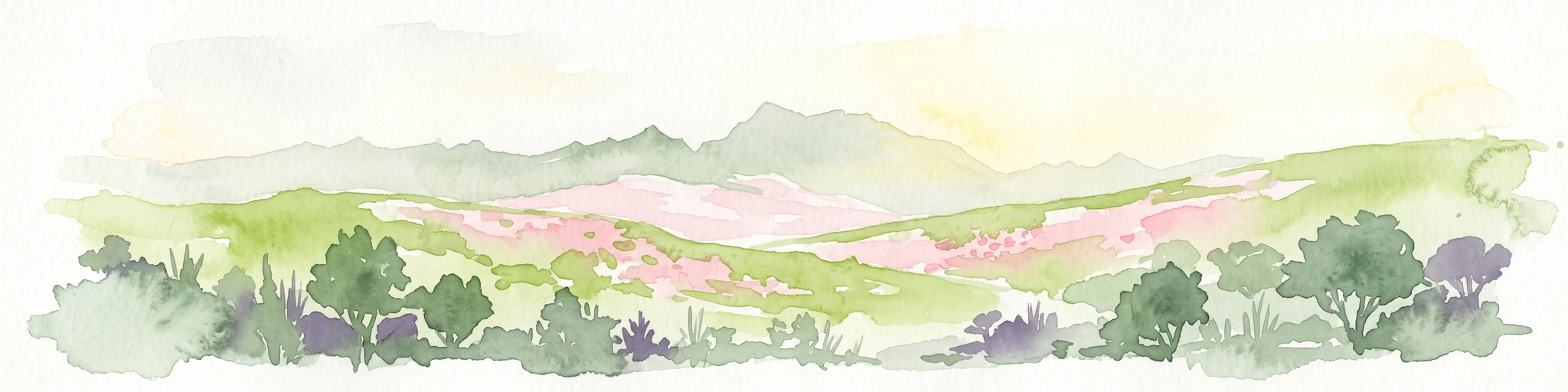
The landscape of Bontebok National Park is characterized by gentle, undulating terrain at the foothills of the Langeberg Mountains, creating a scenic backdrop of rugged mountain ridges to the north. The Breede River forms the park's southern boundary, providing a permanent watercourse that influences the ecology and creates recreational opportunities for visitors. The terrain consists predominantly of flat to slightly rolling areas that transition from the river floodplain into the lower slopes of the mountain foothills. The vegetation is dominated by fynbos, the distinctive fine-leaved shrubland of the Cape Floristic Region, interspersed with patches of renosterveld, a more dense and grassy vegetation type that historically covered the more fertile lowlands. The landscape provides a visually accessible representation of Cape floral kingdom ecology, with the mountain backdrop adding topographic drama to otherwise gentle terrain. The park's compact size means that visitors can traverse diverse habitats relatively easily, from riverine corridors to drier upland fynbos zones.

Bontebok National Park ecosystems, habitats, and plant life

Bontebok National Park lies at the heart of the Cape Floristic Region, one of the world's six recognized floral kingdoms and by far the smallest, covering only 0.04 percent of Africa's land area yet containing approximately 20 percent of the continent's plant species. The park protects two primary vegetation types: the iconic fynbos, characterized by fine-leaved, drought-resistant shrubs and restios, and the coastal renosterveld, which represents one of the largest remaining islands of this critically endangered vegetation type. The renosterveld within the park contains plant species found nowhere else on Earth, making it globally significant for biodiversity conservation. The park supports nearly 500 species of grasses and other plants, reflecting the extraordinary botanical diversity of the region. The ecological character is shaped by the Mediterranean climate with winter rains, creating conditions that support fire-adapted vegetation regimes essential for fynbos regeneration. The Breede River corridor provides additional habitat diversity, supporting riparian vegetation and creating ecological pathways for species movement through the landscape.

Bontebok National Park wildlife and species highlights

Bontebok National Park was created specifically to protect the bontebok, a distinctive antelope species characterized by its chocolate-brown coat and striking white facial blaze. Although the worldwide population of approximately 2,500 to 3,000 bontebok all descends from the park's original translocated stock, the park maintains a population of around 200 individuals, which represents the maximum number the habitat can support without causing damage to the fynbos vegetation. Beyond bontebok, the park supports a diversity of mammalian species including African leopard, African clawless otter, grey rhebok, Cape grysbok, steenbok, grey duiker, caracal, red hartebeest, and Cape mountain zebra. The avian fauna is particularly notable, with over 200 bird species recorded within the park. Notable bird species include the blue crane (South Africa's national bird), Denham's bustard, secretarybird, spur-winged goose, and a variety of smaller species including sunbirds, flycatchers, and barbets. The combination of fynbos, renosterveld, and riverine habitats creates ecological niches supporting this diverse fauna.

Bontebok National Park conservation status and protection priorities

Bontebok National Park plays a critical conservation role as the species-specific protected area for one of Africa's most distinctive antelopes. The bontebok remains listed as vulnerable on Appendix II of the International Trade in Endangered Species Red List, reflecting ongoing conservation concerns despite the species' recovery from near extinction. The park's conservation significance extends beyond the bontebok to encompass the broader Cape Floristic Region ecosystem, with the protected fynbos and renosterveld habitats representing some of the most threatened vegetation types in South Africa. The renosterveld within the park is considered one of the largest remaining intact fragments of this critically endangered habitat, containing numerous endemic plant species found nowhere else. The park's management approach balances species conservation with habitat preservation, limiting bontebok numbers to prevent overgrazing and maintain the ecological integrity of the fynbos vegetation. Surplus animals have been used to establish populations in other protected areas and private conservation land, expanding the species' range beyond the park's boundaries.

Bontebok National Park cultural meaning and human context

Bontebok National Park is situated in an area with historical connections to indigenous Khoikhoi peoples who historically inhabited the Cape region. The park's accommodation area at Lang Elsiesie's Kraal contains the original building dating from approximately 1734 to 1800, representing historical human presence in the landscape. The name Bontebok refers to the distinctive patterned antelope that has defined the park's conservation identity since its establishment. The broader Western Cape region where the park is located has a complex colonial history involving Dutch and later British settlement, with the near-extinction of bontebok populations directly linked to the expansion of European agriculture and hunting in the 18th and 19th centuries. The establishment of the park represented an early recognition of the need to protect South Africa's unique endemic species, predating modern conservation frameworks and serving as a model for subsequent species-specific protected area establishment in the country.

Top sights and standout views in Bontebok National Park

Bontebok National Park offers a concentrated experience of Cape Floristic Region biodiversity in South Africa's smallest national park. The opportunity to observe bontebok in their natural habitat represents a unique wildlife experience, as this species exists nowhere else in the wild. The park's landscape of fynbos-covered foothills beneath the Langeberg Mountains provides scenic beauty accessible through a network of hiking trails ranging from 1.6 to 6 kilometers. The Breede River offers recreational opportunities including swimming, fishing, and kayaking, while the network of self-driven game viewing routes allows visitors to explore the park independently. The combination of over 200 bird species, diverse mammal populations, and nearly 500 plant species creates significant biodiversity interest within a compact area. The park's status as part of the UNESCO World Heritage-listed Cape Floristic Region adds global recognition to its conservation significance.

Best time to visit Bontebok National Park

Bontebok National Park can be visited throughout the year, though the Western Cape experiences a Mediterranean climate with wet winters and dry summers. The fynbos vegetation is at its most vibrant during the spring months of August through October, when many plant species flower prolifically and the landscape displays colorful wildflower displays. This spring flowering period also coincides with optimal conditions for birdwatching, as many species are active and visible. Summer months (December to February) can be warm but offer long days for exploration and are ideal for river-based activities on the Breede River. Winter brings cooler temperatures and occasional rainfall, but the park remains accessible and the moisture brings new growth to the vegetation. The park's compact size means that visitors can experience the key landscapes in any season, though the spring flowering period provides the most visually spectacular conditions for those interested in the fynbos vegetation that defines the park's ecological character.
Park location guide

Geography guide, regional context, and park location map for Bontebok National Park

Bontebok National Park park geography, regions, and map view in South Africa
Understand where Bontebok National Park sits in South Africa through a broader geographic reading of the surrounding landscape, nearby location context, and its mapped position within the national park landscape.

How Bontebok National Park fits into South Africa

South Africa is the southernmost country in Africa, spanning 1.22 million km² with a population of over 63 million. The country operates with three capital cities, Pretoria (executive), Cape Town (legislative), and Bloemfontein (judicial), and is renowned for its biodiversity, national parks, and multicultural society.

Wider geography shaping Bontebok National Park in South Africa

South Africa occupies the southernmost region of Africa, with coastline along both the Atlantic Ocean to the west and the Indian Ocean to the east. The interior features elevated plateaus including the Highveld, with the Drakensberg escarpment marking the eastern highlands. The country shares borders with Namibia, Botswana, Zimbabwe, Mozambique, Eswatini, and Lesotho.

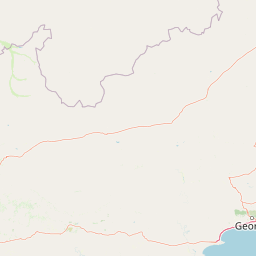
Map view of Bontebok National Park

Use this park location map to pinpoint Bontebok National Park in South Africa, understand its exact geographic position, and read its mapped placement within the surrounding landscape more clearly.

Pigeon | © OpenStreetMap contributors

Location context for Bontebok National Park

Western Cape
Park atlas

Expand your atlas view to compare surrounding protected areas and regional conservation landscapes.

Continue Your Discovery: Explore Nearby Protected Areas Around Bontebok National Park
After exploring Bontebok National Park, delve into a broader selection of national parks and protected areas located across South Africa's Western Cape province. Compare different conservation landscapes, trace regional protected area spread, and expand your geographic understanding of the Cape Floristic Region's unique ecology.
National parkSouth Africa

Garden Route National Park: South Africa's Protected Landscape and Forest Atlas

Explore indigenous forests, coastal cliffs, and lake systems.

Garden Route National Park is a key national park in South Africa, celebrated for its rich indigenous forests and dramatic coastline. As a protected landscape, it offers a unique geographic profile, blending ancient woodlands with rugged coastal terrain and interconnected lake systems. This page serves as an atlas entry, detailing the park's spatial extent and its significance as a conservation area within the broader geography of South Africa.

Area
1,210 km²
Established
2009
IUCN
II
National parkSouth Africa

Tsitsikamma National Park: South Africa's Protected Coastal Forest and Terrain

Explore the unique mapped landscape and protected area boundaries.

Tsitsikamma National Park in South Africa is defined by its striking coastal geography, where ancient indigenous forests descend towards rugged shores. This national park is a prime example of a protected landscape that showcases the dynamic interface between land and sea, featuring dramatic cliffs and iconic river mouths. Understanding its mapped boundaries and diverse terrain provides critical context for regional geographic exploration and the study of conservation areas within South Africa.

Established
2009
IUCN
II
National parkEastern Cape

Addo Elephant National Park: South African National Park with Diverse Protected Landscapes

Explore its geographic context and unique Big Seven megafauna habitats.

Addo Elephant National Park is a crucial protected landscape within South Africa's Eastern Cape, covering approximately 1,640 square kilometers of varied terrain including karoo plains, coastal dunes, and marine protected areas. Its identity is deeply tied to the successful recovery of elephant populations and its distinction as the only African national park where all Big Seven megafauna can be observed in their natural surroundings. Discover the park's geographic spread, landscape diversity, and its role as a premier conservation area.

Area
1,640 km²
Established
1931
IUCN
II
National parkEastern Cape

Mountain Zebra National Park: A National Park within Eastern Cape's Geography

Explore its mapped protected boundaries and regional landscape context.

Mountain Zebra National Park serves as a key protected area within South Africa's Eastern Cape region. This page offers an atlas-driven perspective, detailing the park's geographic scope and mapped boundaries. Understand its role as a national park and its contribution to the regional landscape context, providing structured data for those interested in protected land distribution and natural terrain.

Area
284 km²
Established
1937
IUCN
II
National parkNorthern Cape

Augrabies Falls National Park: A South African National Park Defined by Granite Gorge and Semi-Desert Terrain

Explore the mapped natural landscape and protected boundaries.

Augrabies Falls National Park in South Africa's Northern Cape Province is a key protected area known for its thundering waterfall on the Orange River and the profound granite gorge carved over millennia. The park's semi-desert environment showcases the distinctive quiver trees and geological landmarks like Moon Rock, offering a unique landscape context. Understand its protected status and geographic significance within the arid Nama-Karoo biome through detailed mapping and landscape information.

Area
820 km²
Established
1966
IUCN
II
National parkKgalagadi District

Kgalagadi Transfrontier Park National Park: Explore Its Mapped Protected Landscape

Discover the desert geography and unique terrain of the southern Kalahari.

Kgalagadi Transfrontier Park is a monumental protected area within the Kgalagadi District, embodying the vastness and stark beauty of the Kalahari Desert. This national park page offers an atlas-centric view of its sweeping red dunes, sparse vegetation, and the crucial dry river systems that shape its arid environment. Understand the geographic scope and the protected landscape character of this significant cross-border conservation area, perfect for detailed map exploration and understanding regional desert ecosystems.

Area
38,000 km²
Established
2000
IUCN
II
Visitors
52.5K annual
National parkQacha's Nek District

Sehlabathebe National Park: Mapped Protected Landscape in Lesotho's Maloti Mountains

Explore high-altitude terrain, waterfalls, and ancient rock art sites.

Sehlabathebe National Park stands as a protected national park within the rugged Maloti Mountains of Lesotho's Qacha's Nek District. This destination is vital for understanding the geographic context of protected areas, featuring dramatic cliffs, iconic waterfalls like Tsoelikana, and numerous rock art sites that speak to its cultural and historical significance. Its high-altitude Afro-Alpine and sub-alpine ecosystems offer unique landscape characteristics and support notable biodiversity, making it a key point of interest for atlas-driven exploration of natural and protected terrains.

Area
69.5 km²
Established
1969
IUCN
IV
National parkLeribe District

Ts'ehlanyane National Park: Indigenous Forest & Maloti Mountain Protected Landscape

Explore unique terrain and endemic plant habitats.

Ts'ehlanyane National Park is a vital protected area in Lesotho's Leribe District, distinguished by its rare indigenous forest and the prevalence of berg bamboo. This national park offers insight into unique altitudinal landscapes and botanically significant ecosystems, situated within the expansive Maloti Mountains. Its protected status makes it a key destination for understanding the regional geography and the conservation of specialized natural habitats.

IUCN
II

Common questions about visiting, size, designation, and location context for Bontebok National Park

Bontebok National Park FAQs for park facts, access, geography, and protected area context
Find quick answers about Bontebok National Park, including protected-area facts, park geography, trail and visitor context, and how the park fits into its surrounding country and regional landscape.
MoriAtlas Explorer

Continue Your Protected Areas Search Across the Global Atlas

Deepen your exploration by continuing the structured search for national parks and protected areas worldwide. Utilize the comprehensive filtering capabilities to compare different conservation landscapes and refine your understanding of global park geography. Discover more about the distribution and characteristics of protected natural areas.

Global natural geography