

Mori Atlas logo
Wildlife reserveMotithang Takin Preserve

Discover the geographic context and mapped boundaries of this unique sanctuary in the Himalayas.

Motithang Takin Preserve: Bhutan's National Animal Wildlife Reserve and Protected Landscape

(Royal Takin Preserve)

Motithang Takin Preserve represents a distinct protected landscape within Bhutan, serving as the dedicated sanctuary for the nation's unique national animal, the takin. Situated on the outskirts of Thimphu, this wildlife reserve is an integral part of Bhutan's commitment to conservation and its rich cultural heritage. Users can explore the mapped geography of this compact, forested area and understand its role as a protected zone where the iconic takin is carefully managed within its natural habitat.

Wildlife SanctuaryNational AnimalCultural HeritageMountain ConservationProtected AreaUrban Proximity

Motithang Takin Preserve

Wildlife reserve

Park overview

Structured park overview, official facts, and landscape profile for Motithang Takin Preserve

Motithang Takin Preserve park facts, protected area profile, and essential visitor context
Review the core facts for Motithang Takin Preserve, including designation, size, terrain, visitor scale, habitats, and operating context in one park-focused overview.

About Motithang Takin Preserve

Motithang Takin Preserve stands as a testament to Bhutan's distinctive approach to wildlife conservation, blending ecological protection with deep cultural and religious values. The preserve is situated in the Motithang neighborhood on the northern edge of Thimphu, Bhutan's capital city, creating a unique situation where a wildlife sanctuary exists within urban proximity. The preserve was created following a royal directive to close a mini-zoo that had held a small number of takin, with the King of Bhutan determining that confining animals was inappropriate for a Buddhist nation. When the animals were released, their long period in captivity had diminished their wild instincts, causing them to remain near the city rather than dispersing into the surrounding forests. This unexpected situation led to the establishment of a purpose-built preserve covering approximately 3.4 hectares of enclosed forested land. The preserve has since been improved through collaborative efforts between the Royal Government of Bhutan and WWF Bhutan, including the construction of a traditionally styled entrance gate, an information center, and educational signage. Visitors to the preserve can observe the takin in a naturalistic setting, though the animals have become somewhat habituated to human presence due to visitor feeding, resulting in health concerns about obesity among the captive population.

Quick facts and research context for Motithang Takin Preserve

Motithang Takin Preserve occupies a fenced area of approximately 3.4 hectares at the edge of Thimphu city in western Bhutan. The preserve is home to the Bhutan takin (Budorcas taxicolor whitei), a subspecies of takin endemic to the eastern Himalayan region spanning Bhutan, India, and China. Declared as the national animal of Bhutan in November 2005, the takin is associated with a 15th-century legend attributed to the revered saint Drukpa Kunley, known as the Divine Madman, who is said to have created the animal by attaching a goat's head to a cow's body. The preserve also houses a small population of sambar deer and barking deer, with plans to eventually introduce red pandas and Himalayan serows.

Park context

Deeper park guide and search-rich context for Motithang Takin Preserve

Motithang Takin Preserve history, landscape, wildlife, and travel context
Explore Motithang Takin Preserve through its history, landscape character, ecosystems, wildlife, conservation priorities, cultural context, and seasonal travel timing in a structured park guide built for atlas discovery and search intent.

Why Motithang Takin Preserve stands out

Motithang Takin Preserve is best known as the sanctuary for Bhutan's national animal, the takin, a distinctive goat-antelope species with an unusual appearance often described as a bee-stung moose. The preserve's cultural significance stems from the legendary origin of the takin in Bhutanese folklore, which ties the animal directly to the mythical creation by the 15th-century saint Drukpa Kunley. This religious and mythological connection elevated the takin to national symbol status, making the preserve an important site for understanding Bhutanese identity and cultural heritage. The preserve also represents a unique conservation approach, having been established when semi-domesticated takin could not survive in the wild after years in captivity.

Motithang Takin Preserve history and protected-area timeline

The history of Motithang Takin Preserve is closely intertwined with Bhutan's evolving approach to wildlife protection and its Buddhist cultural values. The preserve began as a mini-zoo in Thimphu that housed a small collection of takin. When the King of Bhutan ordered the closure of the zoo and the release of its animals, expecting them to return to their natural habitat in the surrounding forests, the takin demonstrated a surprising attachment to their familiar surroundings. The animals wandered through the streets of Thimphu for weeks, unable or unwilling to adapt to life in the wild after their extended period in captivity. This situation presented a unique challenge, as the takin had become virtually domesticated and could not survive independently. The solution was to establish a dedicated enclosed habitat at the edge of the city, where the animals could live in a more natural environment while remaining protected. In 2004, significant improvements were made to the preserve through a collaboration between the Royal Government of Bhutan and the World Wide Fund for Nature Bhutan program. These enhancements included the construction of a traditionally styled entrance gate, a small information center, signage, and waste receptacles, transforming the facility into a proper visitor destination while maintaining the welfare of its animal residents.

Motithang Takin Preserve landscape and geographic character

The Motithang Takin Preserve occupies a compact forested area of approximately 3.4 hectares situated at the edge of Thimphu city in the Himalayan Kingdom of Bhutan. The preserve is positioned in the Motithang district, on the northern periphery of the capital, where urban development gives way to natural terrain. The enclosed area consists of mixed forest vegetation that provides shade and browsing opportunities for the takin. While the preserve is small by comparison to major national parks, it offers a deliberately contained environment that simulates natural conditions while remaining accessible to visitors. The surrounding area of Thimphu lies in a valley at moderate elevation in the western Himalayas, with mountainous terrain rising beyond the city limits. Within the preserve, the takin have access to forested sections and open areas where they can graze and rest, creating a habitat that, while artificial in origin, supports the behavioral needs of this semi-domesticated herd.

Motithang Takin Preserve ecosystems, habitats, and plant life

The ecological character of the takin is intimately tied to their natural habitat requirements across different seasons and elevations. In the wild, Bhutan takin inhabit alpine meadows during the summer months, typically above 3,700 meters elevation where they feed primarily on grasses. The summer monsoon season makes lower elevation forests inhospitable due to an abundance of leeches, mosquitoes, and horseflies, pushing the takin to higher terrain where conditions are more favorable. As the rainy season subsides and winter approaches, the animals descend to elevations between 2,000 and 3,000 meters to browse on temperate vegetation in broadleaf forests. Within the Motithang preserve, the takin are maintained in a simulated environment that attempts to approximate these seasonal habitat preferences within the constraints of the small enclosed area. The Bhutan takin is classified as a vulnerable species within the goat-antelope family, with populations spanning Bhutan, northern India, and parts of China.

Motithang Takin Preserve wildlife and species highlights

The primary wildlife residents of Motithang Takin Preserve are the Bhutan takin themselves, a distinctive species of goat-antelope that serves as the national animal of Bhutan. Takins are notable for their unusual appearance, with a heavy, moose-like body combined with a relatively small head and distinctive horns. Adult takin have a golden yellow and brownish coat, while calves are born with black coloration that lightens as they mature. The species exhibits remarkable adaptations to Himalayan environments, with males sometimes weighing as much as a tonne. Beyond takin, the preserve also maintains populations of sambar deer and barking deer, adding to the diversity of the enclosed habitat. The preserve has expressed intentions to expand its collection to include other rarely seen Bhutanese wildlife such as the red panda and Himalayan serow. Within the preserve, takin behavior reflects their semi-domesticated status, with the animals showing limited fear of humans and often approaching visitors, particularly where feeding occurs.

Motithang Takin Preserve conservation status and protection priorities

Motithang Takin Preserve serves important conservation functions despite its small size, providing a sanctuary for Bhutan's national animal and supporting broader efforts to protect vulnerable species. The Bhutan takin is listed as vulnerable due to habitat pressures and population pressures across its range in the eastern Himalayas. Within the preserve, conservation concerns include the genetic health of the captive takin population, which is believed to be declining due to inbreeding according to the Nature Conservation Division of Bhutan's Ministry of Agriculture. Efforts are underway to introduce fresh genetic material through the addition of one male and two female takin from wild populations. While wild takin populations are believed to be stable, significant uncertainty exists regarding the impacts of climate change on the species' habitat in Bhutan. The preserve also faces management challenges related to visitor behavior, as unregulated hand-feeding has contributed to obesity problems among the captive animals, highlighting the need for balanced approaches to public engagement and animal welfare.

Motithang Takin Preserve cultural meaning and human context

The cultural significance of the takin in Bhutan extends far beyond its status as a wildlife species, rooted in a powerful mythological narrative from the 15th century. According to Bhutanese legend, the takin was created by the revered Tibetan saint Drukpa Kunley, known affectionately as the Divine Madman for his unconventional teachings and mischievous ways. The legend recounts how Drukpa Kunley, during a religious lecture in Bhutan, performed a miracle at the request of the local people. After being fed a whole cow and a whole goat for lunch, the saint consumed both animals and, taking the goat's head and attaching it to the cow's skeleton, uttered magical words to bring the creature to life. This hybrid animal, named dong gyem tsey in the local language, became known as the takin. The magical origin and religious association with the popular saint gave the takin deep cultural resonance, leading to its formal declaration as the national animal of Bhutan in November 2005. This cultural context makes the Motithang Takin Preserve not merely a wildlife facility but a living embodiment of Bhutanese national identity and spiritual heritage.

Top sights and standout views in Motithang Takin Preserve

Motithang Takin Preserve offers visitors a rare opportunity to observe Bhutan's national animal in a dedicated sanctuary setting near the capital city. The preserve's compact size makes it easily accessible for visitors staying in Thimphu, while the enclosed forest environment provides intimate wildlife viewing opportunities. The traditionally styled entrance gate and information center offer cultural context about the takin and their significance in Bhutanese heritage. Visitors can observe the takin's distinctive appearance and behavior up close, though the animals' habituation to human presence means they are often visible grazing or resting during daytime hours. The preserve also provides educational value through its signage and informational materials, explaining the takin's natural history, the legend of their creation, and Bhutan's conservation efforts for this vulnerable species.

Best time to visit Motithang Takin Preserve

Motithang Takin Preserve can be visited throughout the year, as Thimphu maintains a relatively temperate climate compared to higher Himalayan elevations. The most comfortable seasons for visiting the preserve are spring and autumn, when temperatures are moderate and conditions are pleasant for exploring the outdoor enclosure. The preserve is most active during daylight hours when the takin are typically grazing or resting in visible areas of the forest. Visitors interested in seeing the animals at their most active should plan to arrive earlier in the day. As an outdoor wildlife facility, the preserve is subject to weather conditions, and visits may be less comfortable during the summer monsoon season or winter months when temperatures drop significantly in the evening.

Park location guide

Geography guide, regional context, and park location map for Motithang Takin Preserve

Motithang Takin Preserve park geography, regions, and map view in Bhutan
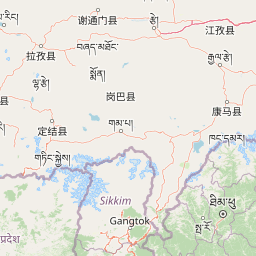
Understand where Motithang Takin Preserve sits in Bhutan through a broader geographic reading of the surrounding landscape, nearby location context, and its mapped position within the national park landscape.

How Motithang Takin Preserve fits into Bhutan

Bhutan, officially the Kingdom of Bhutan, is a landlocked country in South Asia situated in the Eastern Himalayas. With a population of approximately 727,000 and an area of 38,394 km², it is a constitutional monarchy ruled by the Wangchuck dynasty. The country is known for its Gross National Happiness philosophy, pristine mountain landscapes, and commitment to preserving its Buddhist culture.

Wider geography shaping Motithang Takin Preserve in Bhutan

Bhutan is located in the Eastern Himalayas in South Asia, bordered by China to the north and northwest and India to the south and southeast. The country's terrain is predominantly mountainous with steep valleys, ranging from elevations around 100 meters in the southern foothills to peaks exceeding 7,000 meters in the northern highlands. The major river systems flow southward from the Himalayas into India's Brahmaputra basin.

Map view of Motithang Takin Preserve

Use this park location map to pinpoint Motithang Takin Preserve in Bhutan, understand its exact geographic position, and read its mapped placement within the surrounding landscape more clearly.

Pigeon | © OpenStreetMap contributors

Location context for Motithang Takin Preserve

Thimphu District
Park atlas

Trace the regional spread of conservation landscapes and compare protected areas across the diverse Himalayan geography near Motithang Takin Preserve.

Explore Related National Parks and Protected Areas Near Motithang Takin Preserve
Continue your exploration from Motithang Takin Preserve to browse a curated list of national parks and other protected areas in Bhutan and its surrounding Himalayan region. Compare these unique conservation landscapes to understand the broader context of wildlife sanctuaries and the diverse mountain terrain beyond Thimphu.
National parkBhutan

Jigme Dorji National Park: Bhutan's Vast Protected Landscape and Himalayan Geography

Explore mapped boundaries and diverse ecosystems within this national park.

Jigme Dorji National Park, located in the heart of Bhutan, is a testament to the country's commitment to conservation, covering over 4,300 square kilometers of pristine Himalayan terrain. This national park encompasses diverse ecosystems, from lush subtropical forests in its lower reaches to barren alpine meadows and permanent snowfields at its highest elevations. The park's extensive mapped boundaries showcase a landscape vital for unique wildlife and sacred cultural sites, offering a comprehensive view for atlas-based geographic discovery.

Area
4,316 km²
Established
1974
IUCN
II
Relief
Mountain
Wildlife reserveBhutan

Phibsoo Wildlife Sanctuary: Bhutan's Wildlife Reserve Atlas and Geographic Identity

Mapping the protected landscape and natural terrain of this Bhutanese sanctuary.

Delve into the specifics of Phibsoo Wildlife Sanctuary, a protected wildlife reserve situated within the geographic expanse of Bhutan. This park detail page focuses on its identity as a conservation landscape, offering insights into its mapped terrain and its significance within the broader regional geography of the Eastern Himalayas. Understand the protected boundaries and the unique natural context that Phibsoo Wildlife Sanctuary represents.

Area
268.93 km²
Established
2009
IUCN
IV
National parkAlipurduar district

Jaldapara National Park: India's Premier Grassland and Rhino Conservation Landscape

Explore mapped boundaries and savanna terrain in Alipurduar district.

Jaldapara National Park is a protected national park in India's Alipurduar district, celebrated for its expansive rolling grasslands and significant population of Indian one-horned rhinoceros. This protected area showcases a distinctive savanna landscape, an unusual feature among Indian national parks, interspersed with riverine forests. Its elevation of 61 meters above sea level positions it at the edge of the Eastern Himalayas, offering a unique geographic setting for understanding regional biodiversity and conservation efforts.

Area
216.51 km²
Established
2014
IUCN
II
National parkBhutan

Phrumsengla National Park: Protected Landscape and Geographic Context in Bhutan

Explore mapped boundaries and diverse Himalayan terrain.

Phrumsengla National Park serves as a vital protected area within Bhutan, characterized by its extensive altitudinal range and varied landscape. Spanning from subtropical valleys to alpine zones, the park showcases a remarkable transition of ecosystems, including significant old-growth fir forests. Its location and unique geographic features make it an important component of any study of the region's protected lands and Himalayan geography, offering rich data for atlas exploration and understanding natural landscapes.

Area
905.05 km²
Established
1998
IUCN
II
Relief
Mountain
National parkDarjeeling District

Singalila National Park: A High-Altitude Protected Landscape on the Eastern Himalayan Ridge

Explore mapped terrain and alpine park geography in Darjeeling District.

Singalila National Park represents a crucial protected natural landscape within the Eastern Himalayas, located in India's Darjeeling District. Defined by its dramatic ridgeline that ascends to over 4,000 meters, the park offers a unique alpine environment with stunning panoramic views. Its designation as a national park highlights its importance for conservation and its role in the regional geographic atlas. Discover the mapped boundaries and ecological context of this remarkable mountain wilderness, from its dense forests to its open alpine meadows.

Area
78.6 km²
Established
1986
IUCN
II
National parkWest Garo Hills district

Nokrek National Park: Protected Mountain Landscape and Regional Geography

Explore its mapped boundaries and diverse natural terrain.

Nokrek National Park is a vital protected mountain wilderness situated in the West Garo Hills district, Meghalaya, India. Its rugged terrain, characterized by ancient geological formations and dense evergreen forests, supports remarkable biodiversity. As a key component of the Nokrek Biosphere Reserve, it offers a unique glimpse into the region's ecological significance, serving as an important source for major rivers and a sanctuary for diverse flora and fauna.

Area
47.48 km²
Established
1986
IUCN
II
Relief
Mountain
Wildlife reserveTrashigang District

Sakteng Wildlife Sanctuary: Protected Area and Wildlife Reserve in Bhutan's Trashigang District

Mapping the mountainous terrain and unique temperate ecosystems.

Sakteng Wildlife Sanctuary is a vital protected area in eastern Bhutan, recognized as a wildlife reserve. Spanning approximately 742 square kilometers within Trashigang District, it features a dramatic mountainous terrain characterized by steep valleys and alpine meadows. The sanctuary's landscape transitions from forested slopes to subalpine conifer forests, representing Bhutan's easternmost temperate ecosystems and offering rich geographic context for atlas exploration.

Area
742.46 km²
Established
2003
IUCN
IV
National parkAssam

Orang National Park: Assam's Key Floodplain Protected Landscape

Explore mapped boundaries and terrain context of this national park.

Orang National Park, located in Assam, India, is a significant protected area celebrated for its unique alluvial floodplain terrain and critical role in conservation. This national park provides a focused atlas-style view of grassland and wetland ecosystems, essential habitats for iconic species like the great Indian one-horned rhinoceros and Bengal tiger. Its geographical setting along the Brahmaputra River contributes to a dynamic landscape, offering rich context for understanding protected area distribution and regional natural features. Discover the mapped boundaries and ecological significance of this important protected land.

Area
78.81 km²
Established
1985
IUCN
II
Relief
Lowland

Common questions about visiting, size, designation, and location context for Motithang Takin Preserve

Motithang Takin Preserve FAQs for park facts, access, geography, and protected area context
Find quick answers about Motithang Takin Preserve, including protected-area facts, park geography, trail and visitor context, and how the park fits into its surrounding country and regional landscape.
MoriAtlas Explorer

Continue Your Protected Areas Search Across the Global Atlas

Deepen your exploration by continuing the structured search for national parks and protected areas worldwide. Utilize the comprehensive filtering capabilities to compare different conservation landscapes and refine your understanding of global park geography. Discover more about the distribution and characteristics of protected natural areas.

Global natural geography