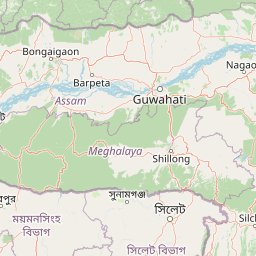

Why Nokrek National Park stands out
Nokrek National Park is best known for its exceptional biodiversity significance, particularly its population of seven primate species including the Western Hoolock gibbon and the rare stump-tailed macaque. The park gained international scientific importance with the discovery of Citrus indica, the wild ancestor of cultivated citrus varieties, within its boundaries. It serves as a critical habitat for Asian elephants and hosts eight species of felids ranging from Bengal tigers to marbled cats. As an Important Bird Area, the park protects populations of Oriental Pied Hornbills, Great Pied Hornbills, and serves as a migratory corridor for Black Storks and Amur Falcons. The Nokrek region is also notable as the geological source of the Simsang River, a vital watercourse for the Garo Hills ecosystem.
Nokrek National Park history and protected-area timeline
Nokrek National Park was formally established in 1986 as part of India's expanding network of protected areas during the country's intensified conservation efforts in the latter decades of the twentieth century. The creation of the park responded to the need to protect the unique biodiversity of the Garo Hills region, which had faced increasing pressures from shifting cultivation and resource extraction. The designation as a biosphere reserve followed in 2009 when UNESCO added the Nokrek Biosphere Reserve to its World Network, recognizing the area's significance as a conservation model integrating protection, sustainable use, and community participation. The discovery of Citrus indica, the wild citrus species, within the Nokrek Range in the late twentieth century prompted the establishment of the National Citrus Gene Sanctuary-cum-Biosphere Reserve, further cementing the area's importance for agricultural science and food security. More recently, the Government of India notified an Eco-Sensitive Zone extending 224 square kilometers around the park in July 2023, introducing stricter environmental regulations on development activities in the surrounding area.
Nokrek National Park landscape and geographic character
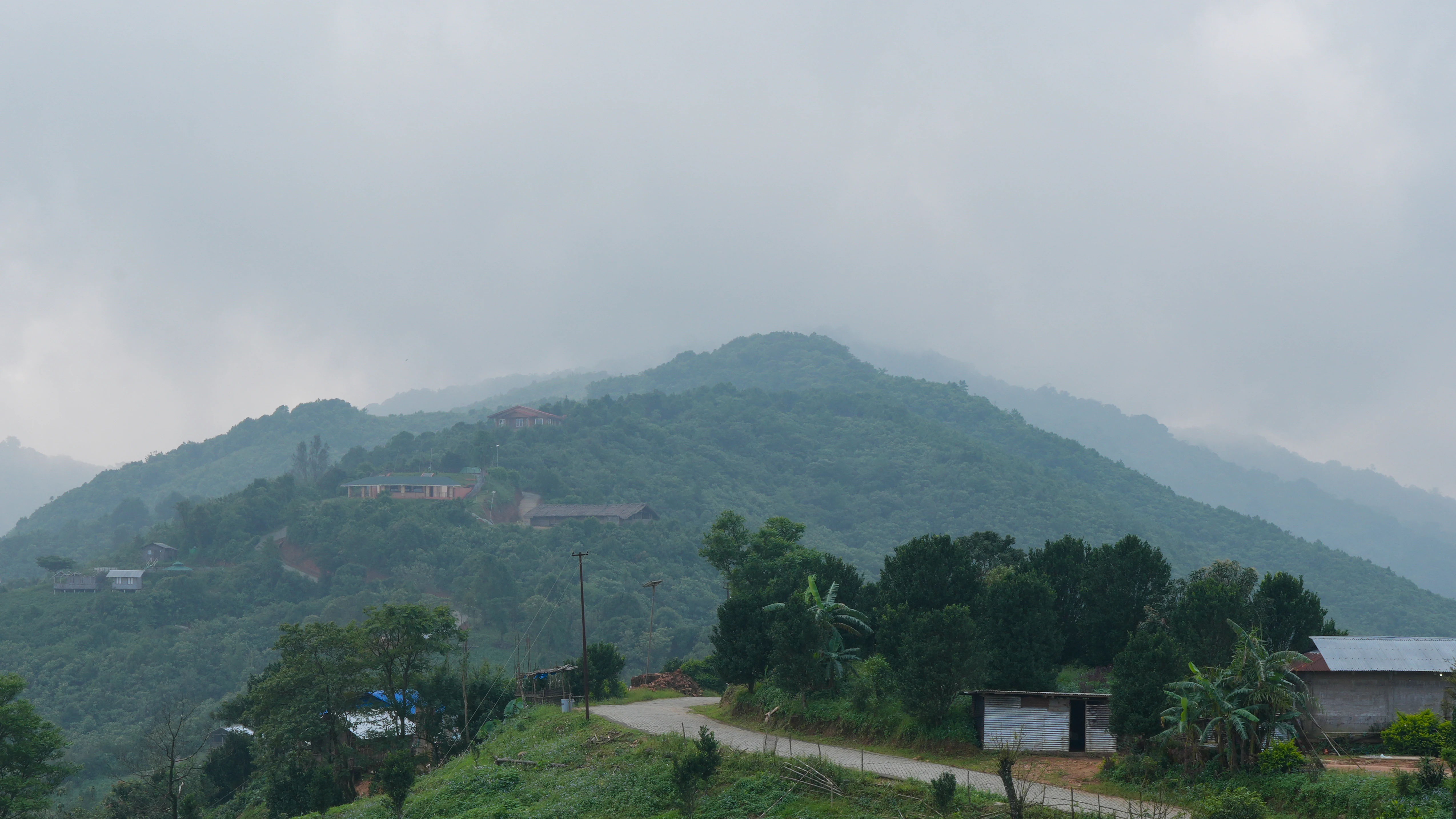
The physical landscape of Nokrek National Park is dominated by rugged hilly terrain formed through Precambrian geological processes. The underlying bedrock consists primarily of metamorphic rocks including gneiss, granulite, migmatite, and amphibolite, with notable banded iron formations indicating the region's ancient geological history. These crystalline rocks are intruded by basic and ultra-basic bodies that contribute to the mineral diversity of the area. The soil composition throughout most of the reserve is red loam, though local variations include clayey to sandy loam textures. The soils are characterized by high organic matter and nitrogen content, though they are deficient in phosphate and potash, supporting the lush forest growth that covers the area. The Nokrek Range forms the central spine of the park, with the ridge providing dramatic views from villages like Daribokgre at its base. Scattered throughout the park are notable geological features including rock outcrops and seasonal waterfalls such as Wachi Dare and Simsang Dare. The drainage network fed by the Nokrek Range includes numerous streams that eventually contribute to the Simsang River system.
Nokrek National Park ecosystems, habitats, and plant life
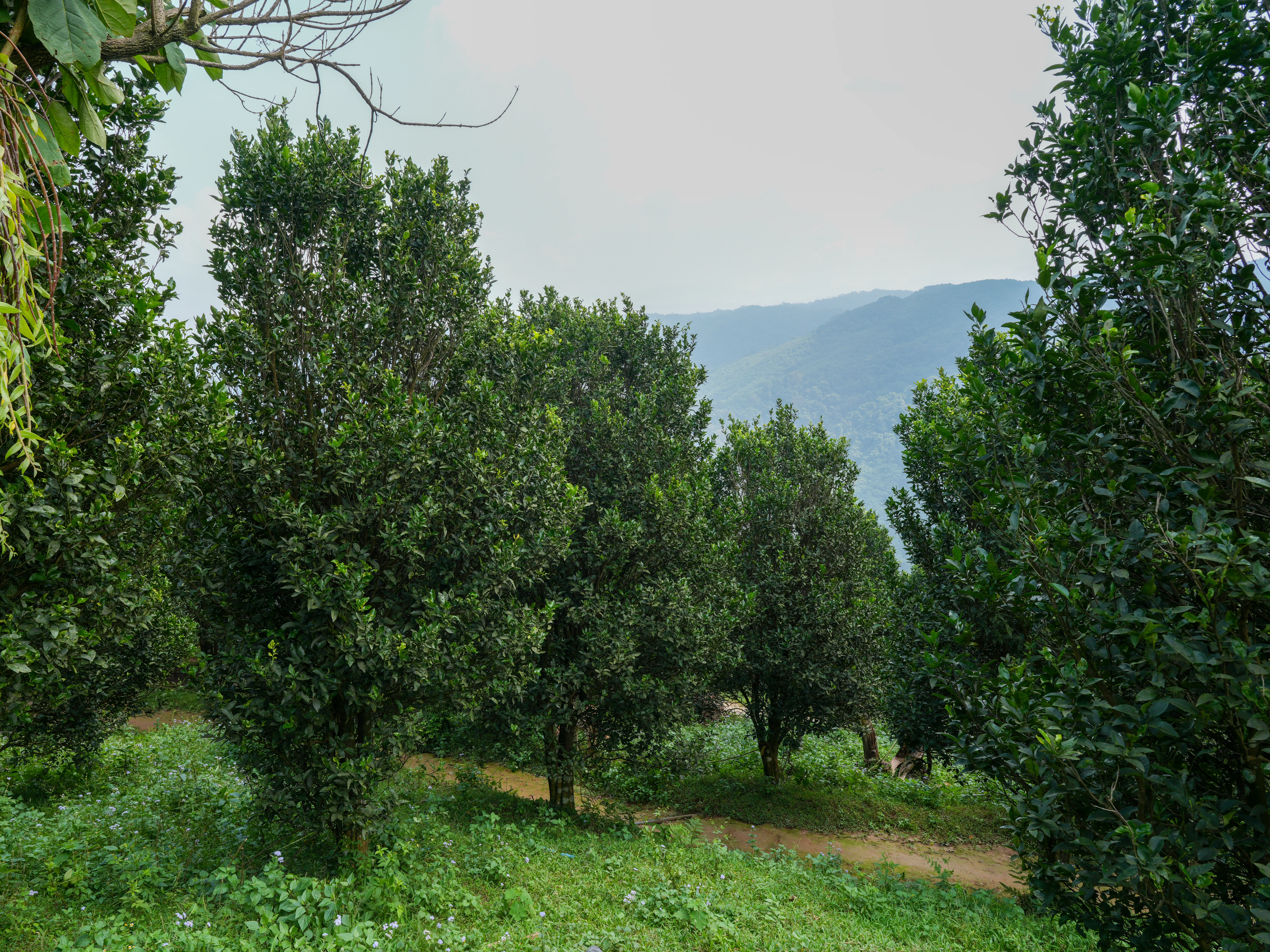
The natural ecosystems of Nokrek National Park reflect the park's position in a biogeographic transition zone between tropical and subtropical formations. The vegetation consists primarily of moist semi-evergreen and evergreen forests with a dense canopy of tall, lush green trees creating a multi-layered structure. The forest ecosystem supports exceptional biodiversity, with particular significance for citrus genetic resources. The discovery of Citrus indica, locally known as Mungkin Narang, within the Nokrek Range represents a scientific milestone as the only wild citrus species recorded in India. This finding led to the establishment of the National Citrus Gene Sanctuary, protecting the genetic diversity of citrus cultivars with global implications for agriculture. The park's location within the Garo Hills region places it at a biodiversity hotspot recognized for its endemism and species richness. The ecosystem services provided by the Nokrek forests extend beyond species protection to include watershed function, with the range serving as the source area for rivers critical to downstream communities in both India and Bangladesh.
Nokrek National Park wildlife and species highlights
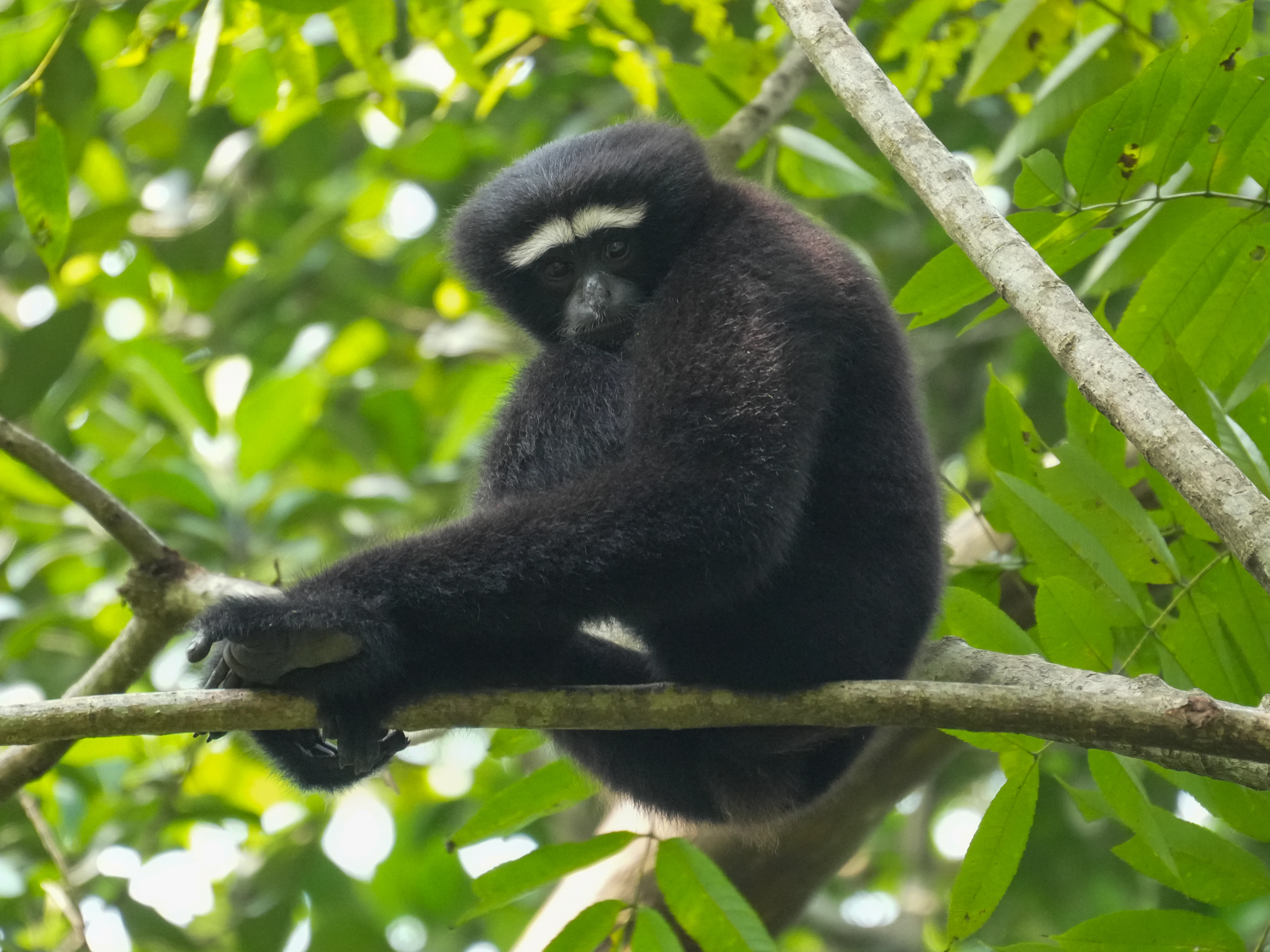
Nokrek National Park supports remarkable wildlife diversity, particularly notable for its primate community comprising seven species. The Western Hoolock gibbon is the most commonly observed primate, with its distinctive calls echoing through the forest canopy across the Nokrek area. The rare stump-tailed macaque frequents the main trek to the peak, while the pig-tailed macaque also occurs within the park boundaries. The park holds significant conservation importance for large mammals, with the Asian elephant presence confirmed through camera trap recordings by the State Forest Department. The gaur, India's largest wild cattle, and the common leopard inhabit the park's forests. The Nokrek region historically generated interest due to an unconfirmed report of red panda in the 1960s, though no verified sightings have occurred since. The park claims a remarkable diversity of eight cat species, from the Royal Bengal tiger to the marbled cat, though the current status of tigers remains uncertain. The reptile fauna includes numerous snake species such as the Burmese python, king cobra, spectacled cobra, and various non-venomous species including vine snakes and flying snakes. As an Important Bird Area, Nokrek protects species including Oriental and Great Pied Hornbills, white-cheeked hill partridge, kalij pheasant, grey peacock-pheasant, and seasonal visitors like black storks and Amur falcons during migration.
Nokrek National Park conservation status and protection priorities
Nokrek National Park represents a cornerstone of conservation in northeastern India, serving as both a biodiversity repository and a model for integrated landscape conservation through its biosphere reserve designation. The UNESCO recognition in 2009 acknowledged the park's successful integration of strict protection in the core zone with sustainable community use in the buffer and transition zones spanning approximately 772 square kilometers. The protection of Citrus indica germplasm has international significance, as the National Citrus Gene Sanctuary provides genetic material crucial for citrus breeding programs worldwide. The 2023 notification of the Eco-Sensitive Zone introduced additional regulatory framework, prohibiting new hotel construction within one kilometer of the park boundary, commercial mining, stone quarrying, major hydroelectric projects, and discharge of effluents into water bodies. Conservation challenges include managing community lands in the buffer zone where the State Forest Department has limited authority, balancing tourism with protection, and addressing uncertainties regarding flagship species like the Bengal tiger. The park's Important Bird Area status further underscores its role in protecting migratory species and endemic bird populations.
Nokrek National Park cultural meaning and human context
The Nokrek National Park exists within the cultural landscape of the Garo people, an indigenous community whose traditional territories encompass the Garo Hills region of Meghalaya. The park's name itself derives from Garo language, reflecting the deep historical connection between the community and this mountain landscape. Notable sites within the park carry cultural significance, including Matcha Nokpante, described as meeting places of tigers, indicating traditional understanding of the park's wildlife. The village of Daribokgre serves as the last settlement before the northern aspect of the park and functions as a base camp for researchers, tourists, and travelers, demonstrating the ongoing relationship between local communities and the protected area. Similarly, the southern aspect of the park can be accessed through villages like Anchigre and Dana Adugre, where traditional land use practices continue alongside conservation efforts. The community ownership of lands in the buffer and transition zones represents a distinctive aspect of the park's management model, where local communities retain significant authority over land use decisions outside the core protected area.
Top sights and standout views in Nokrek National Park
Nokrek National Park offers visitors access to one of India's least-explored wilderness areas with exceptional biodiversity, dramatic mountain scenery, and cultural experiences in Garo villages. The trek to Nokrek Peak provides sweeping views across the Garo Hills landscape, while the forest trails offer opportunities to observe Western Hoolock gibbons, Asian elephants, and over 150 bird species. The park's botanical significance centered on Citrus indica makes it a destination of interest for those curious about the origins of citrus cultivation. The waterfall trails to Wachi Dare and Simsang Dare showcase the park's hydrological beauty. Community-managed homestays in Daribokgre and surrounding villages provide authentic cultural immersion and support local livelihoods. The 2023 Eco-Sensitive Zone regulations ensure that development around the park remains controlled, preserving its wild character.
Best time to visit Nokrek National Park
The optimal time to visit Nokrek National Park corresponds to the cooler, drier months from October through March, when weather conditions are most favorable for trekking and wildlife observation. The post-monsoon period brings clearer skies and reduced forest density, improving visibility for birdwatching and primate viewing. November to February offers the most comfortable temperatures for hiking to Nokrek Peak and exploring the park's trail network. The summer months from April to June bring warmer conditions and increased vegetation density, though this period coincides with breeding season activity for many species. The monsoon season from June to September brings heavy rainfall that can make trails difficult and access challenging, though the lush green landscapes during this period offer a different wilderness experience. The Amur falcon migration and black stork passage occur during specific seasonal periods, offering birdwatching opportunities for those timing their visit accordingly.