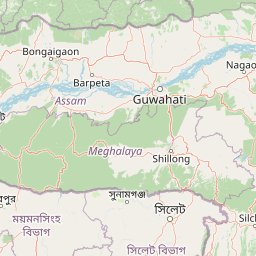
Why Orang National Park stands out
Orang National Park is renowned as one of the most important conservation areas for the great Indian one-horned rhinoceros, with a population of approximately 68 individuals. The park also supports a significant population of Bengal tigers and serves as a crucial habitat for the critically endangered pygmy hog, one of the world's smallest wild pigs. The park is recognized as a BirdLife International Important Bird and Biodiversity Area, notable as the most significant bird wet-grassland site on the Indo-Gangetic Plain. The Bengal florican, a critically endangered bird species, maintains one of its highest global population concentrations here, with over one percent of the world population.
Orang National Park history and protected-area timeline
The history of Orang National Park reflects the broader trajectory of wildlife protection in Assam. Prior to 1900, the area was inhabited by local tribal communities who utilized the land for subsistence. Following an epidemic disease that caused the tribal population to abandon the area, the British colonial authorities declared the region as the Orang Game Reserve in 1919 under notice No. 2276/R dated 31 May 1915. The game reserve came under the control of the wildlife wing of the State Forest Department and was subsequently incorporated into Project Tiger. In 1985, the area was formally established as a wildlife sanctuary under notification No. FRS 133/85/5 dated 20 September 1985. The park was briefly renamed the Rajiv Gandhi Wildlife Sanctuary in 1992, but this change was reversed due to public opposition. Finally, the sanctuary was declared a national park in 1999 under notification No. FRW/28/90/154 dated 13 April 1999.
Orang National Park landscape and geographic character
The landscape of Orang National Park is defined by its position on the Brahmaputra River's alluvial floodplain. The terrain is largely flat, with a gentle slope from north to south, and spans elevations between 45 and 70 meters. Two distinct alluvial terraces characterize the park: the lower terrace along the Brahmaputra is of recent origin, while the upper terrace lies to the north, separated by a higher bank running through the park. The southern and eastern boundaries are marked by river islands and spill channels. During the monsoon season, the park transforms into an extensive floodplain with numerous interconnected streams and standing water. The park contains twelve natural wetlands alongside twenty-six artificially created water bodies, creating a complex network of aquatic habitats. The vegetation cover includes eastern Himalayan moist deciduous forest, eastern seasonal swamp forest, eastern wet alluvial grassland, savannah grassland, and degraded grassland areas.
Orang National Park ecosystems, habitats, and plant life
The ecological character of Orang National Park is shaped by its floodplain setting within the Indo-Burma biodiversity hotspot. The park encompasses diverse habitat types including moist deciduous forests, seasonal swamp forests, extensive grasslands, and wetlands that together support remarkable biodiversity. The forest areas contain species such as Bombax ceiba, Dalbergia sissoo, Sterculia villosa, and Trewia nudiflora, while the grasslands feature species of Phragmites, Arundo, Imperata, and Saccharum. The aquatic environments support a rich diversity of water plants and provide critical feeding and breeding grounds for both resident and migratory bird species. The floodplain ecosystem operates on a seasonal cycle, with wet and dry seasons dramatically altering the park's appearance and the distribution of wildlife across different habitat zones.
Orang National Park wildlife and species highlights
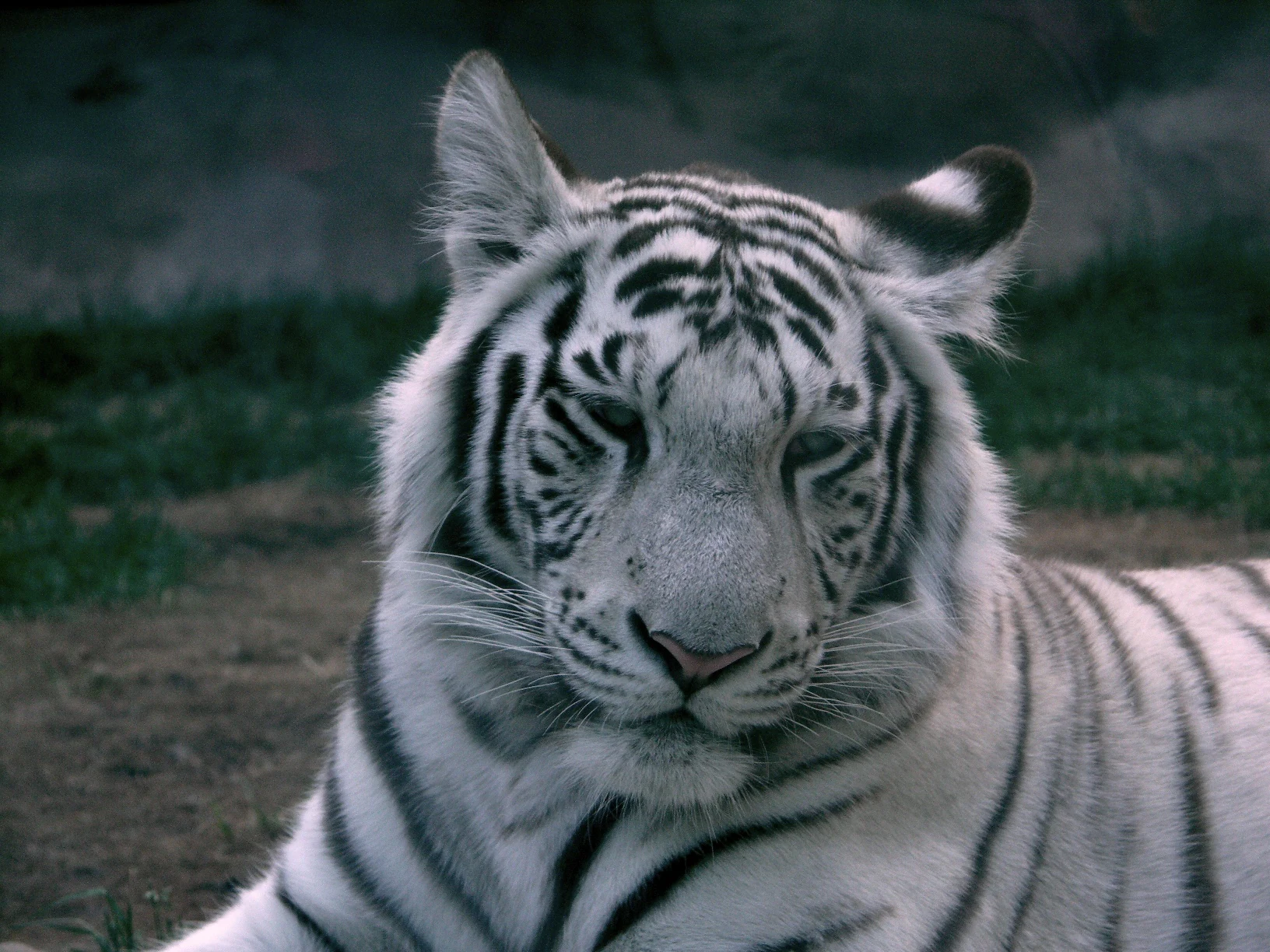
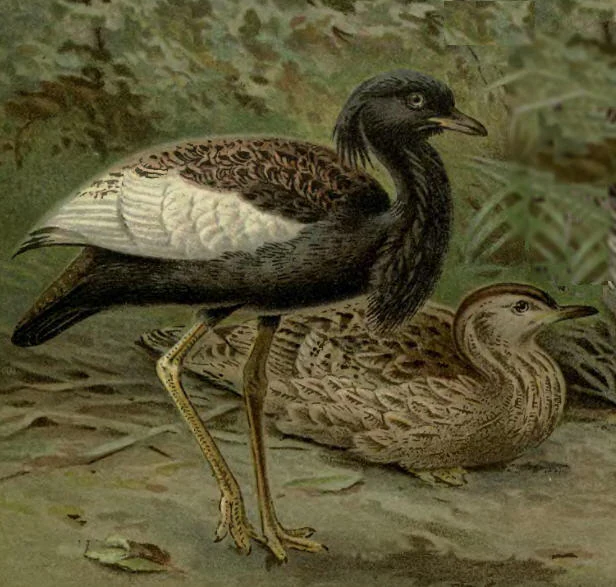
Orang National Park supports an exceptional concentration of threatened wildlife species. The great Indian one-horned rhinoceros is the park's flagship species, with approximately 68 individuals representing one of the few viable populations outside Kaziranga. The Bengal tiger population was estimated at 19 individuals in 2000. The critically endangered pygmy hog, one of the world's smallest and rarest wild pigs, has been reintroduced to the park as part of captive breeding efforts. Other significant mammals include the Asiatic elephant, wild water buffalo, hog deer, and the Gangetic dolphin in the river channels. The avifauna is particularly impressive, with 222 bird species recorded, including the critically endangered Bengal florican, which maintains a population of 30-40 individuals representing one of the highest concentrations globally. The park also supports important populations of spot-billed pelicans, black-necked storks, greater and lesser adjutant storks, and Pallas's fish eagle.
Orang National Park conservation status and protection priorities
Orang National Park faces significant conservation challenges despite its protected status. The park is encircled by inhabited villages, creating ongoing anthropogenic pressure from agriculture, resource collection, and illegal occupation. Poaching has historically posed a serious threat, particularly to the rhinoceros population, which declined from 97 individuals in 1991 to 48 before anti-poaching measures were strengthened. Conservation initiatives include the Rhino Vision India project, a collaboration between WWF India, the Government of Assam, the International Rhino Foundation, and international partners, aiming to increase rhino populations to 300. The park is also part of a Species Survival Plan for Bengal tigers, utilizing camera traps and geo-spatial technology for population monitoring. The park's designation as an Important Bird and Biodiversity Area by BirdLife International reflects its global significance for bird conservation, particularly for the Bengal florican and wetland bird species.
Top sights and standout views in Orang National Park
Orang National Park stands out as one of Assam's premier wildlife destinations, offering the opportunity to observe the great Indian one-horned rhinoceros in its natural floodplain habitat. The park provides excellent tiger viewing opportunities and supports one of the only populations of the critically endangered pygmy hog. Bird enthusiasts will find exceptional value in the park's status as the most important wet-grassland site on the Indo-Gangetic Plain, with the Bengal florican being a particular draw. The seasonal transformation of the landscape, from dry grasslands in winter to extensive flooded wetlands during monsoon, creates dramatically different visitor experiences throughout the year. The park's relatively compact size compared to larger Assam reserves like Kaziranga makes it manageable for thorough exploration.
Best time to visit Orang National Park
The best time to visit Orang National Park is during the winter months from November through February, when the weather is cool and dry and wildlife is more easily spotted as animals congregate around remaining water sources. The post-monsoon period in October and November offers green landscapes following the seasonal floods. During the summer months from March to May, temperatures rise and animals become more active near water bodies, providing good wildlife viewing opportunities. The monsoon season from June to September brings extensive flooding that, while creating spectacular scenery, limits accessibility and wildlife viewing. The park experiences a subtropical climate with high humidity ranging from 66% to 95%, and temperatures varying significantly between seasons.