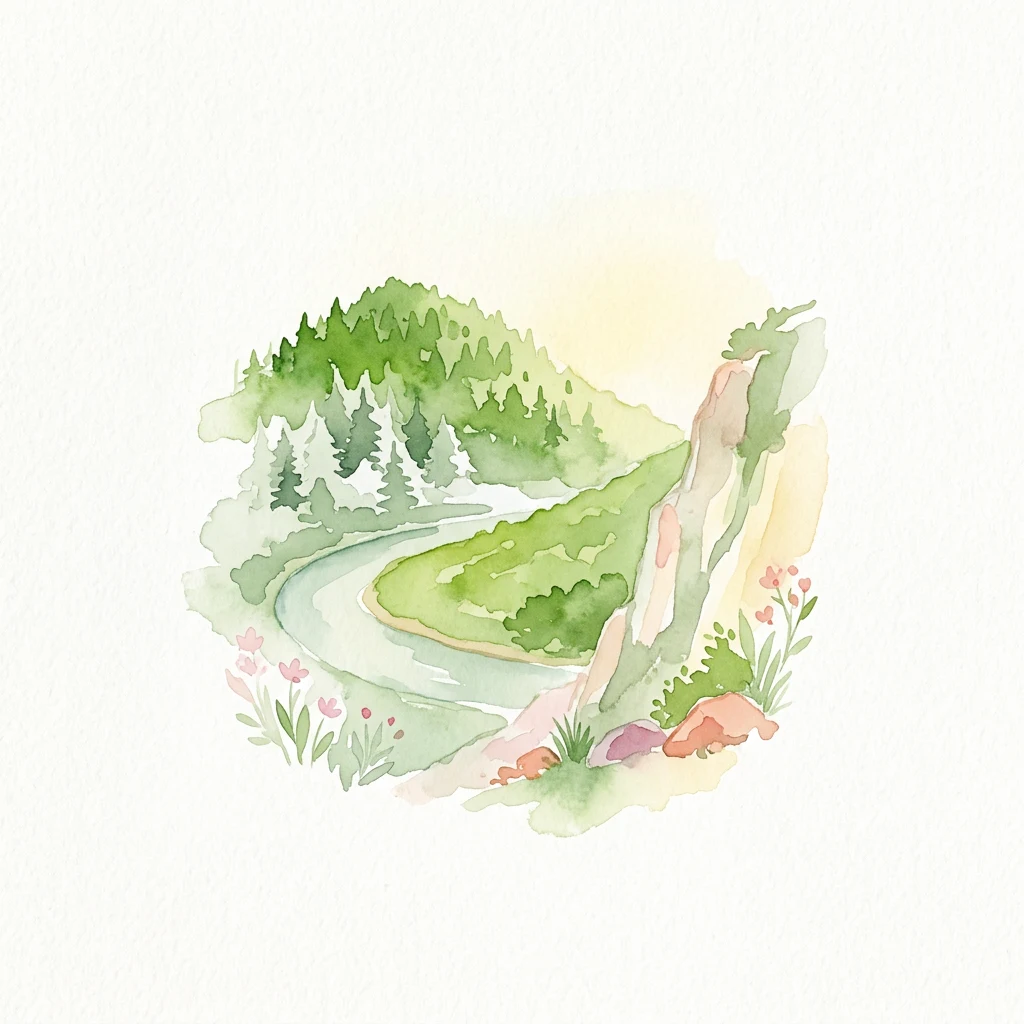
A Natural Monument or Feature is a protected area set aside to protect a specific natural monument, which may be a landform, sea mount, submarine cavern, geological feature such as a cave, or a living feature such as an ancient grove. The defining quality of the category is that protection is organized around the conservation of an identifiable natural feature and its immediate supporting environment. The site may be small or relatively modest in area compared with ecosystem-scale categories, but it must have a clearly recognized natural focus whose conservation is the primary reason for designation.
Category III areas often stand out because they are highly legible, distinctive, and easy for people to recognize as singular natural places. They may protect waterfalls, gorges, cliffs, caves, fossil sites, volcanic cones, rock arches, coral features, giant trees, ancient woodland patches, springs, seamounts, or other natural landmarks. Some are small and tightly bounded around the feature itself; others include a surrounding buffer needed to protect ecological setting, visual integrity, or hydrological function. The category is not simply about scenic beauty. A site may also qualify because a feature has unusual scientific value, rarity, cultural significance linked to nature, or importance for species dependent on that particular natural structure.
Management in Category III areas is generally concentrated, site-specific, and feature-led. Protecting the monument or feature often means controlling visitor pressure, erosion, vandalism, pollution, incompatible development, quarrying, collecting, or other impacts that could degrade the protected element or its setting. Because many such sites are highly visible and attractive to visitors, management may involve trails, barriers, interpretation panels, viewing areas, guided access, seasonal restrictions, and close maintenance of visitor circulation. Ecological management may also be needed if the feature depends on surrounding habitat, groundwater, coastal processes, or a protected visual or landscape context. The key management test is whether the feature and its supporting conditions remain intact and legible over time.
The purpose of Category III is to ensure durable protection for specific natural features of exceptional importance, distinctiveness, or vulnerability, especially where focused protection of that feature is more appropriate than broader ecosystem-scale designation.
Typical objectives include conserving an outstanding natural monument or feature, protecting its scientific, educational, ecological, cultural, or scenic value, safeguarding the immediate surroundings required for its persistence and integrity, managing access and interpretation where appropriate, preventing physical degradation or incompatible development, and maintaining the feature as a recognizable natural landmark within a wider landscape or seascape.