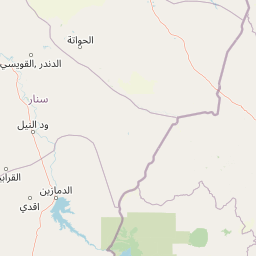
Why Alitash National Park stands out
Alitash National Park is best known for its significant lion population, discovered in 2016 and believed to be of Central African origin, representing an important conservation finding for Ethiopia. The park protects extensive lowland woodland ecosystems that support remarkable biodiversity, including African elephants, leopards, and substantial populations of both greater and lesser kudu. Its location adjacent to Sudan's Dinder National Park creates one of East Africa's few transboundary protected area complexes, offering protection to wildlife populations that move freely across the international border. The diverse birdlife, with over 200 species including parrots, eagles, vultures, and herons, thrives in the seasonal woodland habitats.
Alitash National Park history and protected-area timeline
Alitash National Park was officially established in 2006 by the Ethiopian government through the Ethiopian Wildlife Conservation Authority, representing a relatively recent addition to Ethiopia's national park system. The establishment reflected growing recognition of the ecological significance of Ethiopia's lowland woodland ecosystems in the western border regions. Prior to formal protection, the area served as a wildlife corridor connecting with Sudan's Dinder National Park, and local communities maintained traditional land-use patterns across the landscape. The creation of the park formalized protection for wildlife populations that had historically moved freely across the Ethiopia-Sudan border region. A significant development occurred in 2016 when researchers documented a population of approximately 200 lions within the park, a discovery of considerable conservation importance given the declining lion populations across Africa. The findings suggested these lions may represent a Central African genetic lineage, potentially making them a distinct population warranting specific conservation attention.
Alitash National Park landscape and geographic character
Alitash National Park presents a landscape of gently undulating terrain characteristic of lowland woodland environments in the Ethiopian-Sudanese border region. The terrain is predominantly flat with elevation ranging from 520 to 920 meters above sea level, creating a relatively uniform topography broken only by scattered hills and the notable Twin Mountains of Amadog situated in the southwestern corner of the park. Seasonal rivers cross the landscape, flowing through defined river valleys that provide ecological corridors and water sources for wildlife. The vegetation transitions between deciduous woodlands, open grasslands, and areas of denser tree cover, creating a mosaic of habitats across the park's extensive 2,665.7 square kilometer extent. The park contains seasonal wetlands that fill during rainy periods and dry to productive grazing areas, supporting the park's wildlife populations throughout the annual cycle. The Twin Mountains of Amadog represent the most prominent topographical feature, rising above the otherwise level terrain and providing visual distinction to this corner of the protected area.
Alitash National Park ecosystems, habitats, and plant life
The nature of Alitash National Park centers on its representation of Ethiopia's lowland woodland ecosystems, a habitat type that supports remarkable biodiversity despite its seemingly uniform appearance. The park encompasses several distinct habitat types including seasonal wetlands, riverine ecosystems along seasonal rivers, wooded grasslands, and diverse deciduous woodlands that cover the majority of the protected area. These habitats together create productive environments for both resident and migratory species. The riverine corridors provide crucial water sources and movement pathways for larger mammals, while the woodland areas offer cover and feeding grounds for numerous bird and mammal species. The seasonal wetlands cycle between flooded and dry conditions, creating dynamic ecological conditions that support different communities throughout the year. This habitat diversity within a relatively contiguous landscape makes Alitash significant for maintaining ecological connectivity across the Ethiopia-Sudan border region.
Alitash National Park wildlife and species highlights
Alitash National Park supports significant wildlife populations across its diverse habitats, with documented records of 37 mammal species and 204 bird species within its boundaries. The mammalian fauna includes notable large mammals such as African elephants and leopards, representing apex species of conservation importance. Both greater kudu and lesser kudu occur in substantial numbers, thriving in the woodland and grassland environments. The 2016 discovery of approximately 200 lions represented a major finding, with genetic analysis suggesting these lions may belong to a Central African population rather than the East African lions found elsewhere in Ethiopia. The reptile community includes seven documented species: Egyptian cobra, black mamba, Nile monitor, and rock python represent the more notable reptilian residents. The avifauna is particularly diverse, with over 200 species including parrots, various eagles, plovers, herons, egrets, ibises, buzzards, vultures, and cormorants. These bird species are particularly concentrated in the seasonal woodland areas and near water sources within the park.
Alitash National Park conservation status and protection priorities
Alitash National Park contributes to Ethiopia's conservation portfolio by protecting lowland woodland ecosystems that receive less attention than the country's famous highland parks and wildlife reserves. The park's transboundary relationship with Sudan's Dinder National Park creates a contiguous protected area spanning the international border, allowing wildlife populations to maintain genetic connectivity across a large landscape. The 2016 discovery of a substantial lion population of potentially distinct Central African origin adds significant conservation value to the protected area, suggesting it may harbor unique genetic resources not found elsewhere in Ethiopia. The park protects critical habitat for African elephants, a species facing mounting pressures across its range. By preserving seasonal wetlands, riverine corridors, and deciduous woodlands, Alitash maintains ecological processes that support diverse communities of mammals, birds, and reptiles within the Ethiopia-Sudan borderlands.
Alitash National Park cultural meaning and human context
Alitash National Park occupies a region with historical significance in the broader Ethiopian highlands-to-lowlands transition zone. The park lies within the North Gondar Zone, an area with deep historical connections to the ancient Ethiopian kingdom of Gondar and the broader Amhara cultural region. The local communities in the surrounding areas maintain traditional agricultural and pastoral practices that have shaped the landscape over generations. The Alatash River, after which the park is named, represents an important water source that flows from the Ethiopian highlands across the border into Sudan, linking the two countries through shared water resources. The park's establishment formalized protection for an area that had functioned as a wildlife corridor connecting Ethiopian and Sudanese landscapes, reflecting the natural continuity of ecosystems across the border region.
Top sights and standout views in Alitash National Park
Alitash National Park offers distinctive features that set it apart within Ethiopia's protected area system. The 2016 discovery of approximately 200 lions represents one of the most significant recent wildlife findings in Ethiopia, with the population potentially representing a Central African genetic lineage. The park's transboundary connection with Sudan's Dinder National Park creates one of East Africa's few international conservation complexes, enabling wildlife movement across the Ethiopia-Sudan border. The Twin Mountains of Amadog provide the park's most prominent geographic feature while the extensive lowland woodlands support populations of African elephant, leopard, greater kudu, and lesser kudu. With 204 documented bird species, the park offers substantial ornithological interest, particularly in its seasonal wetlands and riverine habitats where waterbirds congregate.
Best time to visit Alitash National Park
The optimal time to visit Alitash National Park aligns with Ethiopia's dry season, typically from October through April, when wildlife viewing opportunities improve as animals concentrate around remaining water sources. The landscape remains accessible during these months, with reduced vegetation density making wildlife easier to observe. The wet season from June to September transforms the park's appearance as seasonal wetlands fill and grasslands green, creating lush conditions but potentially affecting road accessibility within the park. Birdwatching remains productive throughout the year, though the dry season offers easier access to waterbird congregations near remaining water bodies.