Mori Atlas logo
National parkMago National Park

Discover the mapped geography and distinct ecological zones of this national park in South Ethiopia.

Mago National Park: A Protected Landscape of Savanna, Rivers, and Wildlife in Ethiopia

Mago National Park, situated in Ethiopia's South Ethiopia Regional State, represents a significant protected area defined by its dynamic confluence of riverine forests, expansive savanna, and vital wetlands. This national park offers a rich tapestry of natural landscapes, from the meandering Mago River and its tributary systems to the broader plains supporting diverse wildlife populations and indigenous cultural heritage. Its geographic isolation and ecological richness make it a key destination for understanding Ethiopia's protected lands and mapped natural terrain.

National ParkSavannaRiverine ForestWetlandsElephant HabitatBirdwatching

Mago National Park

National park

Park overview

Structured park overview, official facts, and landscape profile for Mago National Park

Mago National Park park facts, protected area profile, and essential visitor context
Review the core facts for Mago National Park, including designation, size, terrain, visitor scale, habitats, and operating context in one park-focused overview.

About Mago National Park

Mago National Park represents one of Ethiopia's most significant protected areas, encompassing a remote and ecologically diverse landscape in the country's southern highlands. The park's location along the Omo River corridor places it at a critical intersection of ecosystems, where riverine forests give way to expansive acacia savanna and scrub-covered hillsides. The Mago River, flowing from the western highlands, bisects the park and creates distinct ecological zones on either side. To the west, the park boundary meets the Tama Wildlife Reserve, with the Tama River serving as the dividing line between these protected landscapes. The southern portion of the park includes the Murle Controlled Hunting Area, characterized by the shallow waters of Lake Dipa, which stretches along the floodplain of the lower Omo River. The park's elevation ranges dramatically from the banks of the Omo River up to Mount Mago's peak at 2,528 meters, creating diverse habitats that support the remarkable biodiversity recorded within its boundaries. Access to the park remains challenging, with all approaches via unpaved roads, reflecting its status as one of Ethiopia's more remote protected areas.

Quick facts and research context for Mago National Park

Mago National Park covers approximately 2,220 square kilometers in southern Ethiopia's South Ethiopia Regional State. The park was established in 1979, making it one of Ethiopia's more recently created protected areas. Its highest point is Mount Mago at 2,528 meters elevation. The Mago River splits the park into western and southern sections, with the Tama Wildlife Reserve to the west and the Murle Controlled Hunting Area to the south, the latter featuring Lake Dipa along the lower Omo River. Access is via unpaved roads from Jinka, the nearest city located 26 kilometers northeast of the park office. The park protects savanna, acacia woodland, shrubland, and significant riverine forest ecosystems, with open grasslands comprising about 9 percent of the total area.

Park context

Deeper park guide and search-rich context for Mago National Park

Mago National Park history, landscape, wildlife, and travel context
Explore Mago National Park through its history, landscape character, ecosystems, wildlife, conservation priorities, cultural context, and seasonal travel timing in a structured park guide built for atlas discovery and search intent.

Why Mago National Park stands out

Mago National Park is best known for its population of the Mursi people, an indigenous ethnic group famous for the practice of lip plating among women, whose traditional territories lie within the park along the lower Omo River. The park is also renowned for its diverse wildlife viewing opportunities, particularly populations of African elephants, giraffes, hippos, and the Lelwel hartebeest. The dramatic landscape where the Mago River meets the Omo River, creating wetlands and forest corridors through otherwise arid savanna, provides a distinctive ecological setting. Birdwatchers value the park for species such as Pel's fishing owl, the Egyptian plover, and the rare Dusky babbler found around Lake Dipa.

Mago National Park history and protected-area timeline

Mago National Park was established in 1979, making it the newest of Ethiopia's national parks at the time of its creation. The park was designated as an IUCN Category II protected area, recognizing its national park status and the primary goal of protecting natural ecosystems while allowing for sustainable tourism and research activities. The establishment of the park formalized protection for a region that had long been inhabited by pastoralist communities and represented a recognition of the area's ecological and cultural significance. The park's boundaries were drawn to encompass not only the核心生态区域 but also to incorporate the territories of indigenous communities, creating a protected area that recognizes both natural and cultural heritage. The management framework divided the park into distinct zones, with the Tama Wildlife Reserve to the west and the Murle Controlled Hunting Area to the south, each with different management approaches while remaining part of the broader protected landscape.

Mago National Park landscape and geographic character

The physical landscape of Mago National Park is defined by the convergence of several distinct terrain types. The Omo River, Ethiopia's second-longest river, creates a broad valley through the southern portion of the park, with riverine forests lining its banks and wetlands extending along its lower reaches where Lake Dipa forms a significant standing water body. The Mago River flows through the center of the park, bisecting the protected area and creating a green corridor of riparian forest that stands in stark contrast to the surrounding savanna. Rolling hills and scrub-covered slopes rise from the river valleys, while the higher elevations in the western reaches of the park approach the 2,528-meter summit of Mount Mago. Open grasslands occupy approximately 9 percent of the park's area, typically found on the more level terrain between the river systems. The largest trees within the park are concentrated in the riverine forests alongside the Omo, Mago, and Neri rivers, creating dense canopies that provide critical habitat for wildlife and bird species.

Mago National Park ecosystems, habitats, and plant life

The ecological character of Mago National Park reflects its position at the boundary between highland and lowland ecosystems in southern Ethiopia. The dominant biomes within the park include savanna, acacia woodland, shrubland, and riparian woodland, each supporting distinct communities of plants and animals. The river systems, particularly the Omo and Mago rivers, create corridors of dense riverine forest that provide crucial water sources and habitat in an otherwise semi-arid landscape. Wetlands along the lower Mago River and around Lake Dipa support specialized aquatic vegetation and provide critical feeding and breeding grounds for waterbird species. The grasslands that punctuate the savanna areas, comprising about 9 percent of the park's total area, support grazing wildlife and create the open vistas that characterize much of the protected landscape. These diverse habitats together create an ecosystem capable of supporting remarkable biodiversity, including significant populations of both large mammals and diverse bird communities.

Mago National Park wildlife and species highlights

Mago National Park protects exceptional wildlife diversity, with 74 mammal species and 237 bird species recorded within its boundaries. The mammal community includes all of Africa's major safari species, with African elephants, giraffes, zebras, and various antelope species forming the herbivore foundation of the ecosystem. Predators present include lions, leopards, cheetahs, spotted hyenas, and African wild dogs, while hippos and Nile crocodiles inhabit the river systems. The park supports significant populations of the Lelwel hartebeest, a species particularly associated with this region, as well as beisa oryx, gerenuks, and Cape buffalo. The bird fauna is equally diverse, with notable species including Pel's fishing owl, a specialized predator of river systems, the Egyptian plover that inhabits sandbanks along the Omo, and the rare Dusky babbler found especially around Lake Dipa. The wetlands and swamp edges support species such as the Black-rumped waxbill, Allen's gallinule, and striated heron, while the riverine forests host the Violet wood hoopoe and snowy-crowned robin-chat.

Mago National Park conservation status and protection priorities

Mago National Park plays a critical role in protecting Ethiopia's southern savanna ecosystems and the biodiversity they support. As a Category II national park, it receives formal protection under Ethiopian law while serving as a habitat for populations of elephants, giraffes, and other large mammals that face pressure from habitat loss and human-wildlife conflict across eastern Africa. The park's wetlands, particularly Lake Dipa and the lower Mago River floodplain, provide important ecological functions including water filtration, flood control, and habitat for migratory bird species. Conservation challenges in the park include managing the balance between traditional pastoralist land use and wildlife protection, particularly where indigenous communities such as the Mursi maintain historical connections to the landscape. Research has identified woody plant encroachment linked to fire suppression as a changing dynamic within the park's grassland ecosystems, suggesting ongoing ecological monitoring and management will be important for maintaining the park's ecological integrity.

Mago National Park cultural meaning and human context

The cultural landscape of Mago National Park is defined by the presence of several indigenous ethnic groups who have inhabited the Omo River valley for generations. The Mursi people are the most internationally recognized of these communities, known for the practice where women insert clay disks into their lower lip as a symbol of beauty and cultural identity. Their traditional territories lie along the lower Omo River within the park's boundaries. Beyond the Mursi, the park encompasses lands inhabited by the Aari, Banna, Hamar, Karo, Kwegu, Male, and other communities, each maintaining distinct cultural practices, traditional livelihoods, and connections to the landscape. These communities practice mixed economies incorporating pastoralism, agriculture, and fishing, with the Omo River and its floodplains providing critical resources for subsistence. The park's management recognizes these communities' rights to continue traditional practices while operating within the protected area framework.

Top sights and standout views in Mago National Park

The distinctive character of Mago National Park combines exceptional wildlife viewing opportunities with unique cultural encounters in one of Ethiopia's most remote protected landscapes. The Mursi people's traditional lip-plating practices offer visitors a window into one of Africa's most culturally distinct indigenous groups. The park's elephant populations, particularly visible along the river corridors, provide reliable sightings of these massive animals in their natural savanna habitat. Lake Dipa in the southern section offers birdwatching opportunities for species rarely found elsewhere, while the dramatic landscapes where riverine forest gives way to open savanna create visually striking scenery. The park's relative remoteness ensures a wilderness character that many visitors find more authentic than more heavily touristed East African destinations.

Best time to visit Mago National Park

The optimal time to visit Mago National Park falls during the dry seasons, typically from October through March, when wildlife concentrations increase around remaining water sources and roads are most accessible. The dry season conditions create optimal conditions for wildlife viewing, as animals congregate near the Omo and Mago rivers and vegetation thins, improving visibility. The wet seasons, from April to September, bring greener landscapes but also make some roads impassable and wildlife more dispersed. Temperatures in the lowland areas can be very hot, particularly in the dry season, while higher elevations around Mount Mago offer cooler conditions. Visitors seeking cultural encounters with the Mursi and other indigenous communities should be aware that access may be more restricted during certain periods and that cultural protocols should be respected when visiting communities within the park.

Park location guide

Geography guide, regional context, and park location map for Mago National Park

Mago National Park park geography, regions, and map view in Ethiopia
Understand where Mago National Park sits in Ethiopia through a broader geographic reading of the surrounding landscape, nearby location context, and its mapped position within the national park landscape.

How Mago National Park fits into Ethiopia

Ethiopia is a landlocked federal parliamentary republic located in the Horn of Africa. With a population of approximately 135 million people, it is the 14th-most populous country in the world and the most populous landlocked country. The country is known for its ancient history, diverse ethnic groups, and the capital Addis Ababa, which lies near the East African Rift.

Wider geography shaping Mago National Park in Ethiopia

Ethiopia is located in the Horn of Africa, bordered by Eritrea to the north, Djibouti to the northeast, Somalia to the east, Kenya to the south, South Sudan to the west, and Sudan to the northwest. The country sits on the African and Somali tectonic plates, with the East African Rift running through it. The terrain includes highlands, valleys, and lowlands.

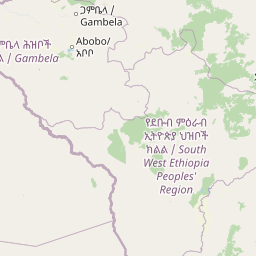
Map view of Mago National Park

Use this park location map to pinpoint Mago National Park in Ethiopia, understand its exact geographic position, and read its mapped placement within the surrounding landscape more clearly.

Pigeon | © OpenStreetMap contributors

Location context for Mago National Park

South Ethiopia Regional State
Park atlas

Explore the Surrounding Regional Geography and Compare Protected Landscapes Adjacent to the Omo River Valley

Discover Other National Parks and Protected Areas Near Mago National Park in Ethiopia
Continue your exploration from Mago National Park by browsing other national parks and protected areas across Ethiopia's diverse southern landscapes, including savanna, riverine forests, and significant wetlands. Compare their unique ecological features, geographic spread, and conservation focuses to understand the broader network of protected lands beyond the Omo River.
National parkEthiopia

Omo National Park: Ethiopia's Remote Protected Landscape with Rich Wildlife Spectacles

Mapped boundaries, savannah plains, and Maji Mountains terrain.

Omo National Park is a remote protected area in Ethiopia renowned for its expansive savannah, riverine woodlands, and remarkable wildlife concentrations. Covering over 4,000 square kilometers, this national park presents a landscape of sweeping plains, the vital Omo River corridor, and the dramatic Maji Mountains. The park's protected status safeguards exceptional populations of large mammals, offering a glimpse into an untamed African wilderness. Explore the mapped geography and the unique ecological zones that contribute to its significant conservation value.

Area
4,068 km²
Established
1980
IUCN
II
National parkEthiopia

Maze National Park: Ethiopia's Essential National Park for Swayne's Hartebeest and Geothermal Wonders

Discover mapped savanna ecosystems and unique montane geography within this protected Ethiopian landscape.

Maze National Park represents a significant protected area within Ethiopia, vital for the conservation of the endangered Swayne's hartebeest. Its diverse terrain includes savanna grasslands and unique geothermal features such as active geysers, all set against a distinctive montane backdrop. This national park offers a deep dive into Ethiopia's natural heritage, providing a clear geographic identity and valuable context for landscape exploration.

Area
210 km²
Established
2005
IUCN
II
National parkEthiopia

Didessa National Park: Protected River Valley Landscape in Ethiopia's Western Highlands

Discover dramatic escarpments, forested terrain, and waterfalls.

Explore Didessa National Park, a protected area in western Ethiopia notable for its dramatic topographical features. This national park showcases a striking landscape of steep escarpments flanking the Didessa River valley, supporting lush forest ecosystems. Key features include numerous waterfalls that contribute to the park's distinctive terrain and ecological significance. Understanding Didessa National Park offers insight into Ethiopia's protected lands and their unique geographic attributes.

Area
1,300 km²
Established
2017
IUCN
II
Relief
Lowland
National parkArsi Zone

Arsi Mountains National Park: Protected Ethiopian Highlands Landscape & Geography

Mapped protected terrain and endemic species habitat within the Arsi Zone.

Arsi Mountains National Park is a vast protected area celebrated for its significant biodiversity and distinctive Afro-alpine ecosystems. Situated in the Arsi Zone, this national park encompasses a dramatic mountain landscape central to the Ethiopian Highlands. It serves as a crucial refuge for endangered endemic species, including the mountain nyala and Ethiopian wolf, within its varied ecological zones and protected park boundaries, offering rich context for geographic exploration.

Area
10,876 km²
Established
2011
IUCN
II
National parkUganda

Mount Elgon National Park: Uganda's Transboundary Volcano and Mapped Protected Area

Explore volcanic terrain, unique cave systems, and diverse montane landscapes.

Mount Elgon National Park offers a rich tapestry of protected landscapes, centered on a dormant shield volcano straddling the Uganda-Kenya border. This park is recognized for its extraordinary botanical diversity and spectacular cave systems, such as Kitum Cave, where wildlife congregates to lick salt. The elevation gradient supports distinct vegetation zones, from dense montane forests to high-altitude heath and moorland, providing crucial habitat and watershed protection. Understanding Mount Elgon National Park through its mapped boundaries and geographic context reveals a unique protected area in East Africa.

Area
1,279 km²
Established
1968
IUCN
II
National parkMandera County

Malka Mari National Park: Remote Frontier Protected Landscape and Dawa River Ecosystem

Explore the semi-arid bushland and riparian woodland geography.

Malka Mari National Park offers a profound wilderness experience as Kenya's most remote national park, situated along the Dawa River in Mandera County. This protected area features striking contrasts between arid bushland and verdant riparian woodlands, supporting unique plant species and wildlife adapted to the semi-arid environment. Its vast, undeveloped character makes it a significant site for frontier conservation and a unique destination for atlas-style landscape exploration.

Area
1,500 km²
Established
1989
IUCN
II
National parkEthiopia

Awash National Park: Mapped Protected Boundaries and Ethiopian Regional Geography

Discover the protected landscape of this Ethiopian National Park.

Awash National Park represents a significant protected area within Ethiopia, offering a rich focus for geographic discovery. This page illuminates the park's specific mapped boundaries and its positioning within the surrounding regional geography. It serves as a detailed entry point for understanding the park's landscape character and its role as a national park in East Africa.

Area
850 km²
Established
1966
IUCN
II
National parkUganda

Murchison Falls National Park: Uganda's Largest Protected Landscape with Dramatic Nile Gorge

Explore mapped boundaries and diverse savanna terrain.

Murchison Falls National Park represents a significant protected landscape in Uganda, renowned for the powerful cascade of the Victoria Nile through a narrow gorge. This expansive national park encompasses varied terrain, from savanna woodlands to riparian forests, offering a rich geographic context. Understanding its mapped distribution within the region is key to appreciating its conservation importance and unique natural features, providing a compelling atlas-style entry point for exploration.

Area
3,893 km²
Established
1952
IUCN
II

Common questions about visiting, size, designation, and location context for Mago National Park

Mago National Park FAQs for park facts, access, geography, and protected area context
Find quick answers about Mago National Park, including protected-area facts, park geography, trail and visitor context, and how the park fits into its surrounding country and regional landscape.
MoriAtlas Explorer

Continue Your Protected Areas Search Across the Global Atlas

Deepen your exploration by continuing the structured search for national parks and protected areas worldwide. Utilize the comprehensive filtering capabilities to compare different conservation landscapes and refine your understanding of global park geography. Discover more about the distribution and characteristics of protected natural areas.

Global natural geography