Why Malka Mari National Park stands out
Malka Mari National Park is best known as Kenya's most remote and least-visited national park, offering an authentic frontier wilderness experience along the Dawa River. The park protects significant riparian woodland ecosystems that contrast sharply with the surrounding semi-arid bushland, creating a vital green corridor in an otherwise dry landscape. It harbours the first confirmed East African population of Hamadryas baboons, a significant ecological finding for this species. The park also supports populations of Somali giraffe, Nile crocodiles, and diverse birdlife including several rare species such as the Brown-necked raven and White-winged collared dove.
Malka Mari National Park history and protected-area timeline
Malka Mari National Park was established in 1989 as an IUCN Category II protected area, designated to preserve the unique semi-arid wilderness and riparian ecosystems of northeastern Kenya. The park's creation reflected growing recognition of the need to protect frontier landscapes that had previously received limited formal conservation attention compared to more accessible southern and western regions of Kenya. The establishment came during a period when Kenya was expanding its national park network to include representative samples of all major ecosystem types, including the country's arid and semi-arid zones which had been underrepresented in the protected area system. The park's remote location has historically limited development of tourism infrastructure and visitor access, contributing to its continued status as one of Kenya's least-visited national parks.
Malka Mari National Park landscape and geographic character
The landscape of Malka Mari National Park is characterized by vast semi-arid plains of bushland and scrubby grassland stretching across the northeastern Kenyan frontier. The terrain is predominantly flat to gently undulating, with the Dawa River carving a verdant riparian corridor through the otherwise dry landscape. Along the river, riparian woodland develops, creating a distinctive green band of denser vegetation that contrasts sharply with the surrounding arid bushland. The area receives limited rainfall typical of semi-arid environments, with vegetation adapted to prolonged dry conditions. The park's position on the Kenya-Ethiopia border places it within a broader regional landscape of similar drylands extending across the Horn of Africa.
Malka Mari National Park ecosystems, habitats, and plant life
The ecological character of Malka Mari is defined by the interplay between semi-arid bushland and the riparian woodland ecosystem along the Dawa River. The park contains plant species that are unique to the area, representing endemic flora adapted to the specific conditions of this frontier region. The riparian woodland along the river represents a critical habitat type in the regional context, providing more mesic conditions within the broader dry landscape and supporting plant and animal species that require greater moisture availability. This habitat heterogeneity makes the park ecologically significant beyond what its remote location might suggest, as the riparian zones serve as ecological refugia and biodiversity hotspots within the semi-arid matrix.
Malka Mari National Park wildlife and species highlights
Malka Mari supports a diverse array of wildlife adapted to semi-arid conditions, with the riparian zones providing critical habitat for species requiring water and denser cover. Notable mammalian species include the Somali giraffe, various antelope species, dik-dik, zebra, hyena, and the recently confirmed population of Hamadryas baboons, representing the first established East African population of this species. The Dawa River supports Nile crocodiles, while the surrounding bushland and grassland areas host smaller mammals including genet and agama lizards. The bird fauna is particularly notable, with species such as the Mourning collared dove, Spotted palm thrush, Juba weaver, and several rare species including the Brown-necked raven, White-winged collared dove, and Black-billed wood hoopoe. Vultures and other avian predators also inhabit the area, utilizing the diverse habitat structure.
Malka Mari National Park conservation status and protection priorities
Malka Mari National Park holds significant conservation value as a protected area preserving Kenya's semi-arid frontier ecosystems. The park's designation as IUCN Category II reflects its primary conservation mandate of protecting natural ecosystems. The presence of endemic plant species unique to the area underscores the site's biodiversity significance at a regional scale. The confirmation of East African Hamadryas baboon populations at Malka Mari represents an important conservation finding, expanding understanding of this species' range. The riparian woodland ecosystems along the Dawa River constitute important habitat that warrants protection given the broader regional context of arid landscapes with limited forest cover. As one of Kenya's larger protected areas in the semi-arid zone, Malka Mari contributes to the nation's representation of diverse ecosystem types within its protected area network.
Malka Mari National Park cultural meaning and human context
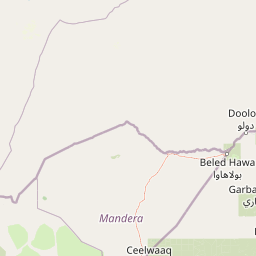
Malka Mari National Park is situated in Mandera County, a region inhabited primarily by Somali ethnic communities whose traditional pastoralist livelihoods have shaped human-landscape relationships in this border area for generations. The park's location along the Dawa River, which flows from the Ethiopian highlands, connects this protected area to broader regional hydrological and cultural systems. The frontier character of the landscape, where national boundaries intersect with traditional migration routes and grazing lands, creates a distinctive cultural context for the protected area. Local communities maintain connections to the land that predate formal protected area establishment, and the park exists within a cultural landscape shaped by transboundary interactions between Kenyan and Ethiopian communities.
Top sights and standout views in Malka Mari National Park
Malka Mari's defining highlight is its remarkable remoteness and wilderness character, offering one of Kenya's most authentic frontier safari experiences away from crowded tourism circuits. The Dawa River riparian corridor provides a striking ecological feature, with denser woodland creating a vivid contrast to the surrounding semi-arid plains. The park's significant ornithological value, including rare species such as the Brown-necked raven and White-winged collared dove, makes it particularly interesting for birdwatchers seeking unusual avian encounters. The discovery of East African Hamadryas baboons represents a notable ecological highlight, expanding known range boundaries for this species. Combined with populations of Somali giraffe and Nile crocodiles, the park offers diverse wildlife viewing opportunities within a distinctive remote setting.
Best time to visit Malka Mari National Park
The optimal time to visit Malka Mari National Park coincides with the wet seasons, typically from April to June and October to December, when rainfall improves wildlife viewing opportunities and the landscape becomes more verdant. During these periods, wildlife concentrates more readily around the Dawa River and remaining water sources, enhancing observation opportunities. The dry seasons from December to March and July to September tend to be extremely hot and offer more challenging conditions for visitors, though wildlife may be more easily spotted as they congregate near water sources. The park's remote location means that visitor planning should account for limited infrastructure and the need for self-sufficient travel arrangements.