Why Bellinger River National Park stands out
The park is best known for protecting the Bellinger River and its pristine upper catchment, a waterway that remains relatively unmodified compared to many other coastal river systems in New South Wales. The steep forested valleys and waterfalls represent the park's most distinctive visual features, while the old-growth forest communities provide habitat for a diversity of bird species. The river itself supports various aquatic species, though the source material notes limited detail on specific wildlife. The 28 recorded bird species indicate moderate biodiversity, with the forest canopy and riparian zones providing important habitat for both forest-dwelling and water-associated birdlife.
Bellinger River National Park history and protected-area timeline
The park was established in 1997 through the proclamation of the Bellinger River National Park under the National Parks and Wildlife Act. The creation of the protected area reflected growing recognition of the ecological significance of the Bellinger River system and the need to protect remaining patches of intact forest in the northern New South Wales region. Prior to national park designation, the land had been managed under various tenure arrangements, with state forests and other crown lands in the surrounding area. The formal protection of this river corridor represented a continuation of efforts to preserve representative examples of the region's ecosystems. The park falls under the administration of the National Parks and Wildlife Service NSW, the agency responsible for managing protected areas throughout the state.
Bellinger River National Park landscape and geographic character
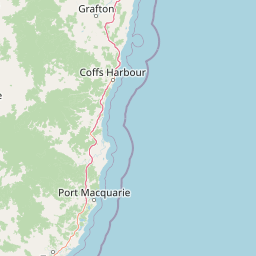
The landscape of Bellinger River National Park is defined by the steep terrain of the Bellinger River valley as it traverses the foothills of the Great Dividing Range. The park encompasses the upper reaches of the river, where the waterway flows through a relatively narrow valley flanked by ridges and steep slopes rising on either side. The terrain is characteristically rugged, with numerous small tributaries descending through steep gullies to join the main river channel. Waterfalls occur where these smaller streams cascade down the valley walls or over exposed rock faces. The forest cover varies according to aspect and moisture availability, with wet sclerophyll forest dominating the slopes and subtropical rainforest occurring in the more protected and moisture-retaining gullies and along the riverbank. The combination of steep terrain, permanent water flow, and dense forest cover creates a landscape of significant visual and ecological value.
Bellinger River National Park ecosystems, habitats, and plant life
The park protects a mosaic of forest ecosystems typical of the northern New South Wales highlands. Wet sclerophyll forest, characterized by tall eucalypts with a diverse understory, covers the majority of the slopes and ridges within the park. In the deeper, more protected valleys and along the riparian corridor, subtropical rainforest elements become more prevalent, creating a transition between the taller eucalypt forests and the closed canopy rainforest communities. These rainforest patches are typically found in areas of higher moisture, such as creek lines and south-facing slopes. The forest structure provides多层 habitat layers that support diverse ecological communities. The Bellinger River itself represents a linear habitat corridor, with riparian vegetation providing continuous cover and resources for both terrestrial and aquatic species.
Bellinger River National Park wildlife and species highlights
The park supports at least 28 recorded bird species, indicating moderate avian diversity within the protected area. The forest environments provide habitat for a range of birdlife associated with tall open forest and rainforest habitats. While the source material does not provide a detailed species list, the recorded species count suggests a functional bird community typical of intact forest environments in this part of New South Wales. The riparian zone along the Bellinger River likely supports additional bird species associated with water and water-edge habitats. The forest canopy and understory provide feeding and nesting resources for both nectar-feeding and insectivorous bird species. Reptiles and mammals would also occur throughout the forest environments, though specific documentation is limited in the available source material.
Bellinger River National Park conservation status and protection priorities
The establishment of Bellinger River National Park in 1997 reflected conservation priorities for protecting representative examples of the region's forest and river ecosystems. The park protects the Bellinger River in a relatively unmodified condition, which is significant given the extent of alteration to many other coastal river systems in New South Wales. The protected area preserves forest communities that provide habitat for native wildlife and maintain catchment values for the river system. The steep terrain and forest cover also contribute to soil stability and water quality within the catchment. The park's IUCN category II designation indicates its primary function as a national park for ecosystem conservation and protection, with supporting provisions for public enjoyment and environmental education.
Bellinger River National Park cultural meaning and human context
The Bellinger River valley has been part of the traditional lands of Aboriginal peoples, with the Gumbaynggirr people historically associated with territories extending along the Bellinger River and surrounding coastal regions. The river valley would have provided resources and travel routes for Aboriginal communities over thousands of years. European settlement of the Bellinger Valley occurred from the mid-19th century, with timber getting and agriculture driving early development in the region. The town of Bellingen developed on the lower reaches of the river downstream from the current park boundary. The creation of the national park in 1997 represents a more recent phase in the land use history of the area, recognizing the ecological values that warranted permanent protection.
Top sights and standout views in Bellinger River National Park
The Bellinger River itself stands as the park's central feature, a relatively unmodified waterway flowing through steep forested terrain. The numerous waterfalls throughout the park, where smaller streams cascade down valley walls, provide notable scenic attractions. The old-growth forest on the upper river reaches represents a landscape that has escaped the extensive clearing that affected much of the surrounding region. The combination of river, forest, and waterfall creates a landscape of significant natural appeal within a relatively compact protected area.
Best time to visit Bellinger River National Park
The park can be visited throughout the year, with different seasons offering varying conditions. The warmer months from spring through autumn typically provide more comfortable conditions for exploring the park's trails and viewpoints. Winter may see reduced visitation due to cooler temperatures, though the forest environments retain their appeal. The river and waterfall flows will be influenced by seasonal rainfall patterns, with higher flows typically occurring during the cooler months when frontal systems bring rain to the coast. Summer conditions can include hotter temperatures and higher humidity typical of northern New South Wales.