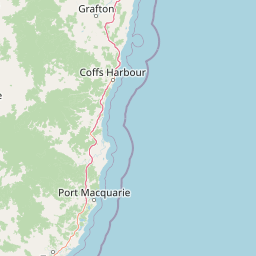
Why Arakoon National Park stands out
Arakoon National Park is best known for its dual identity as both a living Aboriginal cultural landscape and a site of colonial heritage. The park contains numerous sites of deep spiritual and cultural significance to the Dunghutti people, including middens, stone arrangements, and other sacred places that testify to thousands of years of continuous Indigenous occupation. Equally prominent is the haunting ruins of Trial Bay Gaol, a heritage-listed former prison built in 1886 that later served as an internment camp during World War I. The park also protects diverse coastal ecosystems including sandy beaches, forested headlands, and wetlands that support abundant wildlife. The spectacular Trial Bay lookout offers sweeping views across the coastline, making it one of the park's most visited features.
Arakoon National Park history and protected-area timeline
The protection journey of Arakoon National Park spans several decades and reflects the evolving approach to nature conservation in New South Wales. The area was first set aside as a reserve for public recreation in 1946, recognizing its natural and scenic value even before the modern national park system was fully developed. In 1974, the reserve was reclassified as a state recreation area, upgrading its status and providing for more structured visitor access and management. The final transformation came in 2013 when the area was officially declared a national park, giving it the highest level of protected area status under Australian law. This progression from recreation reserve to national park mirrors broader trends in Australian conservation, where recognition of both ecological and cultural values has increasingly shaped protected area management. The park also contains the historical legacy of Trial Bay Gaol, a prison built in 1886 to house convicts working on public infrastructure projects in the region. During World War I, the gaol was repurposed as an internement camp for enemy aliens, adding another layer to the complex human history of this coastal landscape.
Arakoon National Park landscape and geographic character
The landscape of Arakoon National Park is characterized by its dramatic coastal geography where ancient geological forces have created a shoreline of outstanding natural beauty. The park's terrain features prominent headlands that project into the Tasman Sea, their steep cliffs sculpted by wind and waves over millions of years. Wave-cut platforms extend from the base of these cliffs, exposing the geological layers of the region and providing fascinating insights into the area's geological history. Between the headlands, sandy beaches such as Little Bay Beach offer more sheltered environments where visitors can access the water. The inland areas of the park feature rolling terrain covered with forests and woodlands, with valleys collecting freshwater that supports wetland habitats. The combination of exposed coastal elements and sheltered forested areas creates a landscape of considerable variety within a relatively compact area. The Trial Bay area in particular offers elevated vantage points from which visitors can appreciate the scale and beauty of this coastal landscape, with views extending along the coast and out to sea.
Arakoon National Park ecosystems, habitats, and plant life
Arakoon National Park protects a diverse array of coastal and forest ecosystems that reflect the ecological richness of the New South Wales north coast. The park's vegetation ranges from coastal heath and wind-pruned shrubland on the exposed headlands to tall eucalyptus forests in the more sheltered valleys and slopes. These different plant communities support correspondingly diverse animal life, with the interface between forest and coastline creating particularly rich habitat for many species. The wetlands within the park provide crucial habitat for waterbirds and amphibians, while the heathlands on the headlands support specialized plants adapted to harsh coastal conditions including salt-laden winds and poor soils. The marine environment adjacent to the park adds another dimension to its ecological value, with coastal waters supporting fish, marine mammals, and seabirds that depend on healthy ocean ecosystems. The diversity of habitats within the park's 115 square kilometers makes it an important conservation area within the regional context, contributing to the protection of coastal biodiversity along the New South Wales coast.
Arakoon National Park wildlife and species highlights
The wildlife of Arakoon National Park reflects the coastal and forest environments that dominate the park's landscape. The forests provide habitat for various marsupials including possums and gliders, while the heathland and coastal areas support different species adapted to more open environments. Birdlife is particularly diverse, with both forest-dwelling species and coastal birds found within the park boundaries. The wetlands attract waterbirds including ducks, herons, and crakes, while the coastline provides feeding and resting areas for seabirds and shorebirds. The marine environment adjacent to the park adds to the overall biodiversity, with regular sightings of dolphins and occasional whale sightings during migration seasons. The Dunghutti people's traditional connection to this landscape included sophisticated knowledge of animal behavior and seasonal patterns, reflecting thousands of years of observation and interaction with the wildlife of this coast.
Arakoon National Park conservation status and protection priorities
Arakoon National Park represents an important contribution to the protection of coastal biodiversity along the New South Wales north coast. As an IUCN Category II protected area, the park is managed primarily for ecosystem conservation while also providing opportunities for compatible visitor use and enjoyment. The protection of the park's diverse habitats, from coastal heath to tall forests and wetlands, helps maintain ecological processes and species populations that might otherwise be threatened by development or habitat loss. The park's cultural significance adds another dimension to its conservation value, as protection of the Dunghutti people's sacred and cultural sites ensures that Indigenous heritage is preserved alongside natural values. The inclusion of Trial Bay Gaol within the park also provides for the conservation of colonial heritage, demonstrating how national parks in Australia can protect multiple layers of human history alongside natural environments.
Arakoon National Park cultural meaning and human context
The cultural context of Arakoon National Park is defined by the deep connection between the Dunghutti people and this coastal landscape. The Dunghutti are the Traditional Custodians of the land on which the park is situated, and this connection is not merely historical but continues to hold immense spiritual and cultural significance for the community. Within the park boundaries, there are numerous sites of great importance including middens that testify to thousands of years of Aboriginal occupation and resource use, stone arrangements of ceremonial significance, and other spiritual sites that remain important to Dunghutti people today. The protection of these cultural sites within a national park framework represents an important recognition of Indigenous heritage values in Australian conservation management. Separately, the colonial history of the area is represented by Trial Bay Gaol, built in 1886 as a public works prison and later used as an internment camp during World War I. This heritage site adds a layer of European colonial history to the Indigenous cultural landscape, creating a complex and layered cultural context for the park.
Top sights and standout views in Arakoon National Park
The standout features of Arakoon National Park include the haunting ruins of Trial Bay Gaol, where visitors can explore the remains of this once-notorious prison and contemplate its layers of history from colonial convict era to wartime internment. The spectacular Trial Bay lookout provides panoramic coastal views that rank among the finest along this stretch of the New South Wales coast. Little Bay Beach offers accessible seaside recreation with its golden sands and clear waters, providing a classic Australian beach experience within a protected area. The park's Aboriginal cultural heritage, including sacred sites and middens, provides insight into the deep-time human history of this coastline. The diverse walking trails allow visitors to experience the range of environments within the park, from coastal headlands to forest valleys. The combination of natural beauty, historical heritage, and cultural significance makes Arakoon National Park a destination that offers multiple layers of meaning and experience.
Best time to visit Arakoon National Park
Arakoon National Park can be visited throughout the year, though different seasons offer different experiences for visitors. The warmer months from spring through autumn typically see more visitors drawn to the beaches and coastal activities, with summer offering the most reliable beach weather though also the highest visitor numbers. The cooler months provide a different experience, with fewer visitors and the opportunity to explore the park's walking trails in more comfortable conditions. Wildlife viewing can be rewarding year-round, though different species are more active in different seasons. The park's coastal location means that weather can change quickly, and visitors should be prepared for conditions that may differ from inland areas. Regardless of season, the park's natural and cultural attractions provide compelling reasons to visit, though those seeking to avoid crowds may prefer to visit during the quieter shoulder seasons.