

Mori Atlas logo
National parkKumbatine National Park

Discover the intact subtropical forests and terrain surrounding Mount Kippara.

Kumbatine National Park: Mapped Protected Landscape and Regional Geography in New South Wales

Kumbatine National Park, situated in the Northern Rivers region of New South Wales, Australia, stands as a significant protected area preserving diverse bushland. This page offers an atlas-focused exploration of its mapped boundaries and the natural terrain, centered around the prominent Mount Kippara. Understand the park's role in conserving subtropical forest ecosystems and its relationship to the surrounding New South Wales geography, providing essential context for landscape discovery.

New South Wales national parksAustralian protected areasSubtropical forestsNorthern Rivers regionIUCN Category IIMount Kippara

Kumbatine National Park

National park

Park overview

Structured park overview, official facts, and landscape profile for Kumbatine National Park

Kumbatine National Park park facts, protected area profile, and essential visitor context
Review the core facts for Kumbatine National Park, including designation, size, terrain, visitor scale, habitats, and operating context in one park-focused overview.

About Kumbatine National Park

Kumbatine National Park preserves a significant tract of bushland in the Northern Rivers region of New South Wales, an area known for its rich biodiversity but also extensive historical land conversion. The park was formally declared in 1999, making it one of the more recently established national parks in the state, and is managed by the NSW National Parks and Wildlife Service. The protected area encompasses approximately 130 square kilometres of forested landscape centred around Mount Kippara, the prominent peak that rises to 484 metres and serves as a visual landmark within the park. Glencoe Creek, a watercourse that flows entirely within the park boundaries, provides important aquatic habitat and contributes to the ecological value of the area. The park forms part of a network of protected areas in northern New South Wales that preserve remnant forest patches in a landscape now dominated by agricultural and rural residential development. Its establishment reflected growing recognition of the importance of protecting remaining bushland corridors and representative ecosystems in the region.

Quick facts and research context for Kumbatine National Park

Kumbatine National Park is located in New South Wales, Australia, in the Northern Rivers region approximately 332 kilometres northeast of Sydney. The park covers 130 square kilometres of protected bushland and was established in 1999. The landscape is dominated by Mount Kippara at 484 metres elevation, with Glencoe Creek running through the park. The area is managed by the NSW National Parks and Wildlife Service and holds IUCN Category II designation as a national park.

Park context

Deeper park guide and search-rich context for Kumbatine National Park

Kumbatine National Park history, landscape, wildlife, and travel context
Explore Kumbatine National Park through its history, landscape character, ecosystems, wildlife, conservation priorities, cultural context, and seasonal travel timing in a structured park guide built for atlas discovery and search intent.

Why Kumbatine National Park stands out

Kumbatine National Park is best known for its relatively intact subtropical forest ecosystems in the Northern Rivers region, an area that has seen significant land clearing. The park protects the headwaters and catchment of Glencoe Creek and encompasses the prominent Mount Kippara, providing habitat for diverse Australian bushland species in a region where remaining old-growth forest is increasingly rare.

Kumbatine National Park history and protected-area timeline

Kumbatine National Park was established in 1999 through the formal declaration of what had previously been state forest or other Crown land. The creation of the park responded to growing environmental awareness in New South Wales during the 1990s regarding the need to protect remnant forest areas and biodiversity corridors in the Northern Rivers region. The region had experienced extensive clearing for agriculture, particularly grazing and cropping, throughout the twentieth century, making the preservation of remaining intact bushland increasingly important. The park's establishment was part of a broader wave of new national park declarations in NSW that sought to fill gaps in the protected area network, particularly in regions where representative examples of particular ecosystem types were under-protected. Management responsibility was assigned to the NSW National Parks and Wildlife Service, which continues to oversee the park's conservation values while providing for compatible visitor use.

Kumbatine National Park landscape and geographic character

The landscape of Kumbatine National Park is characterised by forested hills and valleys typical of the Northern Rivers region of New South Wales. Mount Kippara rises as the most prominent feature within the park, reaching 484 metres above sea level and providing views across the surrounding protected area and beyond. The terrain supports a mosaic of vegetation communities including wet sclerophyll forest, rainforest gullies, and open forest communities. Glencoe Creek flows through the park, following a course that has carved valleys into the surrounding slopes. The overall topography is hilly with elevations varying from valley floors to the ridgelines that define the park's boundaries. The combination of elevation change, watercourses, and diverse soil types supports the varied vegetation communities that characterise the park.

Kumbatine National Park ecosystems, habitats, and plant life

The park protects important examples of subtropical forest ecosystems that were once widespread across the Northern Rivers region but now exist in fragmented remnants. The vegetation includes tall eucalypt forests on the ridges and slopes, with rainforest communities concentrated in the moist gullies and along watercourses such as Glencoe Creek. This mix of forest types provides diverse habitat structures supporting a range of native species. The wet sclerophyll forests feature eucalypt species typical of the region, while the rainforest gullies contain characteristic understory species including ferns, cycads, and epiphytic plants. The protected catchment areas within the park contribute to water quality in the creek systems and provide habitat for aquatic species.

Kumbatine National Park wildlife and species highlights

The forests of Kumbatine National Park provide habitat for diverse native wildlife typical of northern New South Wales. The mix of eucalypt forest and rainforest supports bird species including honeyeaters, parrots, and forest birds. The intact canopy and understory layers provide foraging and nesting resources for arboreal mammals, while the ground layer supports reptiles and invertebrates. The presence of permanent water in Glencoe Creek provides habitat for aquatic species and attracts wildlife to the riparian zones. The protected status of the area ensures that wildlife corridors connecting this forest patch to surrounding landscapes remain functional, which is particularly important in a landscape where extensive clearing has reduced available habitat.

Kumbatine National Park conservation status and protection priorities

Kumbatine National Park contributes to the conservation of biodiversity in the Northern Rivers region, an area identified as having high conservation value despite extensive historical clearing. The park protects representative examples of forest ecosystems that were once more widespread across this part of New South Wales, including both wet sclerophyll and subtropical rainforest communities. The protection of the Glencoe Creek catchment within the park boundaries provides benefits for water quality and aquatic biodiversity. The park forms part of a network of protected areas that help maintain connectivity between larger forest blocks, supporting wildlife movement and genetic exchange across the fragmented landscape. The IUCN Category II designation reflects the national significance of the area as a protected landscape.

Kumbatine National Park cultural meaning and human context

The Kumbatine area lies within the traditional lands of Aboriginal peoples, though detailed information about specific cultural connections to this landscape is not extensively documented in available sources. The Northern Rivers region contains numerous Aboriginal sites and places of significance, and protected areas such as Kumbatine National Park often encompass landscapes that retain cultural values. The establishment of the park as a protected area represents a recognition of the natural values of this landscape, though formal indigenous involvement in park management would be detailed in specific management planning documents.

Top sights and standout views in Kumbatine National Park

Kumbatine National Park offers visitors the opportunity to experience relatively intact bushland in a region where such environments are increasingly rare. Mount Kippara provides a destination for walkers seeking elevated views within the park, while the clear waters of Glencoe Creek offer pleasant riparian scenery. The mix of forest types and the diversity of birdlife make the park of interest to nature enthusiasts. The park remains less-visited compared to some better-known NSW national parks, offering a more remote and less crowded experience for those seeking to explore this part of the Northern Rivers region.

Best time to visit Kumbatine National Park

The park can be visited throughout the year, with autumn and spring typically offering comfortable conditions for bushwalking and outdoor exploration. Summer months can be warm and humid in this part of New South Wales, while winter generally brings milder temperatures though rainfall is possible. The vegetation is greenest after summer rains, while autumn may offer clearer visibility for views from elevated points. Visitors should check current conditions and any park alerts before planning trips, as access and facilities may be limited compared to more developed national parks.
Park location guide

Geography guide, regional context, and park location map for Kumbatine National Park

Kumbatine National Park park geography, regions, and map view in Australia
Understand where Kumbatine National Park sits in Australia through a broader geographic reading of the surrounding landscape, nearby location context, and its mapped position within the national park landscape.

How Kumbatine National Park fits into Australia

Australia is a constitutional monarchy and federal parliamentary democracy comprising six states and ten territories. With a population of nearly 28 million, it is one of the world's most urbanised countries, with most people concentrated on the eastern seaboard. The country has a high Human Development Index and is known for its cultural diversity, ancient Aboriginal heritage, and unique wildlife.

Wider geography shaping Kumbatine National Park in Australia

Australia occupies the entire Australian continent, the island of Tasmania, and numerous smaller islands. It is the world's flattest and driest inhabited continent, featuring vast deserts in the interior (the Outback), tropical rainforests along the eastern coast, and a coastline bordering the Indian and Pacific Oceans.

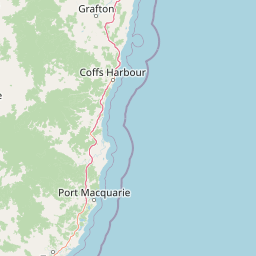
Map view of Kumbatine National Park

Use this park location map to pinpoint Kumbatine National Park in Australia, understand its exact geographic position, and read its mapped placement within the surrounding landscape more clearly.

Pigeon | © OpenStreetMap contributors

Location context for Kumbatine National Park

New South Wales
Park atlas

Explore the regional context of protected areas and compare diverse landscapes adjacent to Kumbatine National Park.

Discover Other Protected Areas Near Kumbatine National Park in the Northern Rivers Region
After exploring Kumbatine National Park, discover other national parks and protected areas across the Northern Rivers region, mapping their individual geography and conservation landscapes. Comparing these adjacent protected areas provides a deeper atlas-style understanding of regional forest ecosystems and their distinct features within New South Wales.
National parkNew South Wales

Willi Willi National Park: A Protected Mountain Landscape in New South Wales

Explore ancient rainforests and dramatic terrain.

Willi Willi National Park represents a critical protected wilderness area on Australia's North Coast of New South Wales. Its landscape is defined by steep ridges, prominent peaks such as Mount Banda Banda, and ancient temperate rainforests, forming part of the internationally significant Gondwana Rainforests World Heritage Site. This park offers rich geographic context for understanding the diverse terrain and protected natural heritage of the region, making it a key destination for atlas-based discovery.

Area
298.7 km²
Established
1996
IUCN
Ib
Relief
Mountain
National parkNew South Wales

Bago Bluff National Park: New South Wales National Park with Panoramic Views

Explore its mapped geography and protected forest landscapes.

Bago Bluff National Park in New South Wales presents a remarkable protected landscape characterized by its prominent bluff formation, offering breathtaking panoramic views over the Hastings Valley. This national park preserves extensive wet sclerophyll forests and eucalypt woodlands, contributing to a rich mosaic of natural habitats and supporting a vibrant bird population. The park's geography is deeply tied to its geological history, with local quarries revealing significant fossil specimens. As a key protected area, it provides valuable context for understanding the regional landscape and mapped natural terrain of eastern Australia.

Area
40.23 km²
Established
1999
IUCN
II
National parkNew South Wales

Dunggir National Park: Protected Subtropical Rainforest and Biodiversity Hub in New South Wales

Mapped national park landscape and Gumbaynggirr cultural context.

Dunggir National Park offers a detailed view into Australia's protected natural areas, specifically highlighting the unique subtropical rainforest environments of New South Wales. With a focus on conservation, this national park preserves a dense mosaic of three distinct rainforest types and is a sanctuary for significant biodiversity, including multiple endangered species. Its geographic placement and designation as a national park make it a key location for understanding regional ecosystems and the indigenous Gumbaynggirr heritage, with the park's name honouring the culturally significant koala.

Area
25 km²
Established
1997
IUCN
II
National parkNew South Wales

Arakoon National Park: Explore New South Wales' Coastal Protected Landscape and Heritage

Mapped boundaries and natural terrain of a key Australian national park.

Arakoon National Park represents a vital protected area in New South Wales, Australia, characterized by its dramatic coastal geography. This park offers an in-depth look at its mapped terrain, including headlands, beaches, and forests, providing essential context for understanding Australia's protected lands. Its importance extends to its dual identity as a significant Aboriginal cultural landscape and a site of colonial historical interest, making it a multifaceted destination for geographic and protected-area discovery.

Area
115 km²
Established
2013
IUCN
II
National parkNew South Wales

Dooragan National Park: Coastal Mountain Protected Landscape and Old-Growth Forest Atlas

Explore the geography and mapped boundaries of this New South Wales national park.

Dooragan National Park is a significant protected area in New South Wales, renowned for the dramatic North Brother Mountain and its exceptional old-growth blackbutt forests. This park offers a rich exploration of coastal mountain geography, providing valuable mapped landscape context for the Mid North Coast region. Discover the park's unique ecological environment and its role as a protected natural asset.

Area
11 km²
Established
1997
IUCN
II
National parkNew South Wales

New England National Park: Escarpment Landscape and Protected Area Discovery in New South Wales

Explore dramatic cliffs, ancient rainforests, and diverse ecosystems.

New England National Park represents a critical protected landscape on the eastern edge of New South Wales' Northern Tablelands. This area is characterized by its spectacular escarpment country, featuring impressive cliffs, rugged ridges, and deep valleys that cradle some of Australia's most botanically rich environments. As a designated national park, it preserves ancient ecosystems and offers unique opportunities for atlas-based geographic discovery of its mapped terrain and wilderness character.

Area
673 km²
Established
1937
IUCN
Ib
National parkNew South Wales

Coorabakh National Park: A Protected Volcanic Landscape in New South Wales

Discover unique terrain, mapped protected boundaries, and regional geography.

Coorabakh National Park in New South Wales, Australia, is characterized by its striking volcanic trio: Big Nellie, Flat Nellie, and Little Nellie. These peaks dominate the rugged escarpment terrain, offering a unique geographic vista. The park protects a rich mosaic of tall eucalypt forests and sheltered subtropical rainforest gullies, highlighting its ecological diversity. For those interested in atlas-style exploration, Coorabakh National Park provides a clear example of a protected landscape with significant geological and ecological features within the broader regional context of New South Wales.

Area
18 km²
Established
1999
IUCN
II
National parkNew South Wales

Mummel Gulf National Park: New South Wales Protected Area & Mapped Gorge Landscape

Rugged escarpment terrain with diverse forest ecosystems.

Mummel Gulf National Park is a protected area in New South Wales, Australia, renowned for its dramatic V-shaped gorge carved by the Mummel River, reaching depths over 400 metres. This rugged escarpment landscape hosts a variety of vegetation communities, including tall open eucalypt, wet sclerophyll, snow gum forests, and subtropical rainforest patches. The park's geography is central to its ecological significance, providing habitat for numerous species and showcasing a distinct natural terrain within the New England region, ideal for geographic exploration.

Area
122 km²
Established
1999
IUCN
II

Common questions about visiting, size, designation, and location context for Kumbatine National Park

Kumbatine National Park FAQs for park facts, access, geography, and protected area context
Find quick answers about Kumbatine National Park, including protected-area facts, park geography, trail and visitor context, and how the park fits into its surrounding country and regional landscape.
MoriAtlas Explorer

Continue Your Protected Areas Search Across the Global Atlas

Deepen your exploration by continuing the structured search for national parks and protected areas worldwide. Utilize the comprehensive filtering capabilities to compare different conservation landscapes and refine your understanding of global park geography. Discover more about the distribution and characteristics of protected natural areas.

Global natural geography