

Mori Atlas logo
National parkMummel Gulf National Park

Discover the rugged V-shaped gorge and diverse forest ecosystems of this New South Wales national park.

Mummel Gulf National Park: Protected Landscape, New South Wales Escarpment Geography

Mummel Gulf National Park represents a significant protected area carved into the rugged escarpment country of New South Wales, Australia. This national park is defined by the dramatic V-shaped gorge of the Mummel River, a valley that plunges over 400 metres deep, showcasing a spectacular natural landscape. The park's diverse terrain supports a rich mosaic of vegetation communities, from high-elevation snow gum forests to subtropical rainforest patches, offering a unique geographic context for exploration and conservation within the New England region.

National ParkNew South WalesEucalypt ForestEscarpmentNew England RegionSubtropical Rainforest

Mummel Gulf National Park

National park

Park overview

Structured park overview, official facts, and landscape profile for Mummel Gulf National Park

Mummel Gulf National Park park facts, protected area profile, and essential visitor context
Review the core facts for Mummel Gulf National Park, including designation, size, terrain, visitor scale, habitats, and operating context in one park-focused overview.

About Mummel Gulf National Park

Mummel Gulf National Park protects a significant portion of the New England escarpment in northern New South Wales, a landscape defined by the deep Mummel Gulf gorge carved by the Mummel River over geological time. The park encompasses elevations ranging from approximately 1,470 metres at Porters Camp down to 470 metres in the lower reaches, creating a dramatic altitudinal gradient that supports remarkable vegetation diversity. The tall open eucalypt forests that dominate the park's lower and mid-slopes give way to wet sclerophyll forest in the more sheltered areas, while the highest sections feature snow gum woodland characteristic of subalpine conditions in this part of Australia. The remote central and southern sections of the park contain patches of subtropical rainforest, an unusual vegetation type at these latitudes, featuring corkwood, sassafras, large tree ferns and silver sycamore. Access to the park is via the unsealed Enfield Forest Road, with the Panhandle Fire Trail providing a 9.5 kilometre four-wheel drive route through the park. New Country Swamp offers basic camping facilities including toilets, picnic tables and barbecues, suitable for camper trailers and vehicle-side camping but not suitable for caravans.

Quick facts and research context for Mummel Gulf National Park

Mummel Gulf National Park is located in northern New South Wales on the south-eastern escarpment of the New England region, approximately 487 kilometres north of Sydney and accessible via the unsealed Enfield Forest Road from Walcha. The park was established in 1999 and covers 122 square kilometres of mountainous terrain centred on the Mummel River gorge, which reaches depths exceeding 400 metres. The area features elevations ranging from 1,470 metres down to 470 metres, supporting multiple distinct vegetation zones from snow gum forest at high elevations through wet sclerophyll forest to subtropical rainforest in sheltered gorges. The park falls under the management of the NSW National Parks and Wildlife Service.

Park context

Deeper park guide and search-rich context for Mummel Gulf National Park

Mummel Gulf National Park history, landscape, wildlife, and travel context
Explore Mummel Gulf National Park through its history, landscape character, ecosystems, wildlife, conservation priorities, cultural context, and seasonal travel timing in a structured park guide built for atlas discovery and search intent.

Why Mummel Gulf National Park stands out

Mummel Gulf National Park is best known for its dramatic V-shaped gorge carved by the Mummel River, which forms the central geographic feature of the park and reaches depths exceeding 400 metres. The park is also notable for its diverse forest communities spanning the New England escarpment, including tall open eucalypt forest, wet sclerophyll forest, snow gum forest, and patches of subtropical rainforest. The area supports significant populations of threatened species including the koala, tiger quoll, yellow-bellied glider, and several owl species including the powerful owl, sooty owl, and boobook owl. The presence of the superb lyrebird adds to the park's ecological significance, while the higher elevation snow gum forests around Porters Camp represent a distinctive high-country character within the New England region.

Mummel Gulf National Park history and protected-area timeline

The Mummel Gulf region historically served as the boundary between the Nganyaywana people of the Northern Tablelands and the Danggati people who inhabited the hinterland valleys leading up to the tableland. European exploration of the area began when John Oxley passed by the nearby Apsley Falls in September 1818, travelling eastwards through this area en route to Port Macquarie. Following exploration, timber-getters and illegal settlers arrived in the region, and in 1842 convict labour was used to construct the Wool Road, now known as the Oxley Highway, linking the wool-growing settlement of Walcha with Port Macquarie. Some sections of what is now the park were logged, though only small areas have been cleared, while other areas were used for cattle grazing and small-scale manganese mining. In the 1970s, Enfield and Riamukka State Forests were expanded over former Crown lands to include the steep areas of the Mummel River catchment. The Bicentennial National Trail, first used in the 1970s, follows the Mummel Forest Road to the east of the park. In 1992, North-East Forest Alliance protesters established a camp within what is now the park to protest logging operations, eventually securing an agreement to delay logging for a joint study. Mummel Gulf National Park was formally created in 1999 as part of the national regional forest agreement process.

Mummel Gulf National Park landscape and geographic character

The defining landscape feature of Mummel Gulf National Park is the dramatic V-shaped gorge of the Mummel River, which has carved a valley exceeding 400 metres in depth through the New England escarpment. The park occupies the south-eastern edge of the New England region, a mountainous area characterised by steep slopes, ridgelines and deep valleys descending from the Northern Tablelands. Elevations within the park range from around 1,470 metres at Porters Camp in the higher northern portions down to approximately 470 metres in the lower park areas. The terrain is rugged and largely remote, with the unsealed Enfield Forest Road providing the main access through the park. The Panhandle Fire Trail offers a four-wheel drive route through the park's interior, while the higher terrain around Porters Camp features an air navigation facility at 1,448 metres Australian Height Datum. The landscape supports a progression from high-elevation snow gum forests through wet sclerophyll forest on the mid-slopes to tall open eucalypt forest in the lower country, with patches of subtropical rainforest in the moist central and southern sections.

Mummel Gulf National Park ecosystems, habitats, and plant life

Mummel Gulf National Park protects a remarkable diversity of vegetation communities across its altitudinal range from 1,470 metres to 470 metres. The park's lower slopes feature tall open eucalypt forest, while wet sclerophyll forest occupies the more sheltered areas. At higher elevations around Porters Camp, snow gum forest dominates, with messmate and mountain ribbon gum forming old-growth forests that descend through the elevational gradient. Other notable eucalypts present include silvertop stringybark, blue gum, diehard stringybark and New England blackbutt. Broad-leaved pepperbush reaches its northern limit in this area, while spring and summer bring flowering of many shrub species throughout the park. The moist subtropical rainforest patches in the central and southern sections contain distinctive species including corkwood, sassafras, large tree ferns and silver sycamore, representing an unusual vegetation type at this latitude. This ecological diversity supports a range of threatened species and makes the park regionally significant for biodiversity conservation.

Mummel Gulf National Park wildlife and species highlights

The Mummel Gulf National Park protects several threatened mammal species including the koala, tiger quoll, sugar glider and yellow-bellied glider. The park also supports an impressive diversity of owl species, with the powerful owl, greater sooty owl and boobook owl all present in the area, along with the tawny frogmouth. The superb lyrebird is another notable species found in the park, adding to its ornithological significance. The parma wallaby represents another marsupial species protected within the park's boundaries. These species occupy various habitats across the park's diverse forest communities, from the tall eucalypt forests of the lower slopes through the wet sclerophyll forest to the snow gum woodlands of the higher elevations. The presence of multiple threatened species reflects the ecological importance of the park as a conservation area within the New England region.

Mummel Gulf National Park conservation status and protection priorities

Mummel Gulf National Park was established in 1999 as part of the national regional forest agreement process, representing a significant outcome for conservation in the New England region. The park protects important forest communities including tall open eucalypt forest, wet sclerophyll forest, snow gum forest and patches of subtropical rainforest that would otherwise have been subject to logging. The area supports numerous threatened species including the koala, tiger quoll, and several glider and owl species, all of which benefit from the protected area status. The 1992 North-East Forest Alliance campaign was instrumental in securing protections for the area, with protesters successfully negotiating a delay to logging operations that allowed for joint study before the eventual reservation of the land as a national park. The park continues to face challenges from pest animals including wild pigs and wild dogs, with the National Parks and Wildlife Service conducting trapping, shooting and ground-baiting programs to manage these threats. Weed control efforts focus on crofton weed and blackberry, which represent the main invasive species of concern within the park.

Mummel Gulf National Park cultural meaning and human context

The Mummel Gulf area has deep Indigenous heritage significance, serving historically as the boundary between the Nganyaywana people of the Northern Tablelands and the Danggati people who occupied the hinterland valleys leading up to the tableland. This cultural landscape was transformed following European exploration by John Oxley in 1818, with subsequent timber-getting, illegal settlement and the construction of the Wool Road in 1842 using convict labour. The road linked Walcha with Port Macquarie and became an important route through the region. Some areas within what is now the park were subsequently logged, used for cattle grazing, or subjected to small-scale manganese mining. The establishment of the park in 1999 following the North-East Forest Alliance campaign represents a more recent chapter in the area's history, transitioning from a landscape of resource extraction to one of conservation and protection.

Top sights and standout views in Mummel Gulf National Park

The Mummel Gulf gorge itself stands as the park's most dramatic geographic feature, a V-shaped valley exceeding 400 metres in depth carved by the Mummel River through the New England escarpment. The snow gum forests around Porters Camp at higher elevations offer a distinctive subalpine character within the region, while the patches of subtropical rainforest in the remote central and southern sections represent an unusual ecological community at this latitude. The park's significant owl populations including powerful owl, sooty owl and boobook owl make it notable for nocturnal wildlife, while the presence of the koala, tiger quoll and multiple glider species adds to its conservation importance. New Country Swamp provides accessible camping with facilities, while the Panhandle Fire Trail offers four-wheel drive exploration through the park's interior.

Best time to visit Mummel Gulf National Park

The park can be visited throughout the year, though spring and summer offer the best conditions for observing the diverse wildflower displays and birdlife, including the superb lyrebird. The higher elevations may experience snow and cold conditions during winter months, while summer can bring hot temperatures in the lower country. The unsealed Enfield Forest Road is accessible by all vehicles but four-wheel drive is advisable during wet conditions. Visitors planning to use the Panhandle Fire Trail should check conditions and ensure appropriate vehicles, while those wishing to camp at New Country Swamp should be prepared for basic facilities and bring sufficient supplies for self-sufficiency.
Park location guide

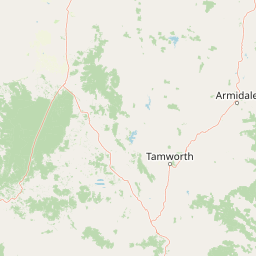
Geography guide, regional context, and park location map for Mummel Gulf National Park

Mummel Gulf National Park park geography, regions, and map view in Australia
Understand where Mummel Gulf National Park sits in Australia through a broader geographic reading of the surrounding landscape, nearby location context, and its mapped position within the national park landscape.

How Mummel Gulf National Park fits into Australia

Australia is a constitutional monarchy and federal parliamentary democracy comprising six states and ten territories. With a population of nearly 28 million, it is one of the world's most urbanised countries, with most people concentrated on the eastern seaboard. The country has a high Human Development Index and is known for its cultural diversity, ancient Aboriginal heritage, and unique wildlife.

Wider geography shaping Mummel Gulf National Park in Australia

Australia occupies the entire Australian continent, the island of Tasmania, and numerous smaller islands. It is the world's flattest and driest inhabited continent, featuring vast deserts in the interior (the Outback), tropical rainforests along the eastern coast, and a coastline bordering the Indian and Pacific Oceans.

Map view of Mummel Gulf National Park

Use this park location map to pinpoint Mummel Gulf National Park in Australia, understand its exact geographic position, and read its mapped placement within the surrounding landscape more clearly.

Pigeon | © OpenStreetMap contributors

Location context for Mummel Gulf National Park

New South Wales
Park atlas

Discover other protected areas and their unique landscapes across the New England Region.

Explore National Parks and Protected Areas Near Mummel Gulf National Park
After exploring Mummel Gulf National Park, continue your journey by browsing national parks and protected areas across the Northern Tablelands and New England escarpment. This wider view provides essential geographic context for regional conservation efforts, allowing users to compare diverse protected landscapes and understand their unique features.
National parkNew South Wales

Willi Willi National Park: A Protected Mountain Landscape in New South Wales

Explore ancient rainforests and dramatic terrain.

Willi Willi National Park represents a critical protected wilderness area on Australia's North Coast of New South Wales. Its landscape is defined by steep ridges, prominent peaks such as Mount Banda Banda, and ancient temperate rainforests, forming part of the internationally significant Gondwana Rainforests World Heritage Site. This park offers rich geographic context for understanding the diverse terrain and protected natural heritage of the region, making it a key destination for atlas-based discovery.

Area
298.7 km²
Established
1996
IUCN
Ib
Relief
Mountain
National parkNew South Wales

Ben Halls Gap National Park: Ancient Eucalyptus Forest Protected Landscape in New South Wales

Explore mapped boundaries of old-growth woodland terrain.

Ben Halls Gap National Park represents an ecologically vital strict nature reserve within New South Wales, Australia. It is distinguished by its extensive ancient eucalyptus forests, which are among the most ecologically significant old-growth woodland environments in eastern Australia. Managed primarily for conservation and research, the park's rugged terrain provides a critical habitat refuge and a key reference ecosystem for understanding undisturbed woodland dynamics and biodiversity.

Area
30.18 km²
Established
1995
IUCN
Ia
Scope
Terrestrial
National parkNew South Wales

Kumbatine National Park: Protected Landscape and Geographic Context in New South Wales

Explore its mapped terrain and subtropical forest ecosystems.

Kumbatine National Park represents a vital tract of protected subtropical forest and eucalypt bushland within New South Wales' Northern Rivers region. This detail page provides an atlas perspective on the park's geography, featuring the prominent Mount Kippara and the watershed of Glencoe Creek. Understand its unique landscape context and its significance as a preserved natural area in a region marked by extensive land clearing, offering rich details for geographic exploration.

Area
130 km²
Established
1999
IUCN
II
Relief
Mixed relief
National parkNew South Wales

Coorabakh National Park: A Protected Volcanic Landscape in New South Wales

Discover unique terrain, mapped protected boundaries, and regional geography.

Coorabakh National Park in New South Wales, Australia, is characterized by its striking volcanic trio: Big Nellie, Flat Nellie, and Little Nellie. These peaks dominate the rugged escarpment terrain, offering a unique geographic vista. The park protects a rich mosaic of tall eucalypt forests and sheltered subtropical rainforest gullies, highlighting its ecological diversity. For those interested in atlas-style exploration, Coorabakh National Park provides a clear example of a protected landscape with significant geological and ecological features within the broader regional context of New South Wales.

Area
18 km²
Established
1999
IUCN
II
National parkNew South Wales

Bago Bluff National Park: New South Wales National Park with Panoramic Views

Explore its mapped geography and protected forest landscapes.

Bago Bluff National Park in New South Wales presents a remarkable protected landscape characterized by its prominent bluff formation, offering breathtaking panoramic views over the Hastings Valley. This national park preserves extensive wet sclerophyll forests and eucalypt woodlands, contributing to a rich mosaic of natural habitats and supporting a vibrant bird population. The park's geography is deeply tied to its geological history, with local quarries revealing significant fossil specimens. As a key protected area, it provides valuable context for understanding the regional landscape and mapped natural terrain of eastern Australia.

Area
40.23 km²
Established
1999
IUCN
II
National parkNew South Wales

Barrington Tops National Park: A Protected National Park in New South Wales

Explore ancient Gondwana rainforests and dramatic volcanic terrain.

Barrington Tops National Park represents a significant protected landscape in New South Wales, Australia, offering a deep dive into diverse ecosystems. Its unique altitudinal vegetation gradient supports the southernmost subtropical rainforests in Australia and showcases geological formations dating back millions of years. This park is crucial for understanding Australia's natural heritage, providing a rich context for landscape exploration and the study of ancient flora within a mapped geographic setting.

Area
765.12 km²
Established
1969
IUCN
Ib
National parkNew South Wales

Dooragan National Park: Coastal Mountain Protected Landscape and Old-Growth Forest Atlas

Explore the geography and mapped boundaries of this New South Wales national park.

Dooragan National Park is a significant protected area in New South Wales, renowned for the dramatic North Brother Mountain and its exceptional old-growth blackbutt forests. This park offers a rich exploration of coastal mountain geography, providing valuable mapped landscape context for the Mid North Coast region. Discover the park's unique ecological environment and its role as a protected natural asset.

Area
11 km²
Established
1997
IUCN
II
National parkNew South Wales

New England National Park: Escarpment Landscape and Protected Area Discovery in New South Wales

Explore dramatic cliffs, ancient rainforests, and diverse ecosystems.

New England National Park represents a critical protected landscape on the eastern edge of New South Wales' Northern Tablelands. This area is characterized by its spectacular escarpment country, featuring impressive cliffs, rugged ridges, and deep valleys that cradle some of Australia's most botanically rich environments. As a designated national park, it preserves ancient ecosystems and offers unique opportunities for atlas-based geographic discovery of its mapped terrain and wilderness character.

Area
673 km²
Established
1937
IUCN
Ib

Common questions about visiting, size, designation, and location context for Mummel Gulf National Park

Mummel Gulf National Park FAQs for park facts, access, geography, and protected area context
Find quick answers about Mummel Gulf National Park, including protected-area facts, park geography, trail and visitor context, and how the park fits into its surrounding country and regional landscape.
MoriAtlas Explorer

Continue Your Protected Areas Search Across the Global Atlas

Deepen your exploration by continuing the structured search for national parks and protected areas worldwide. Utilize the comprehensive filtering capabilities to compare different conservation landscapes and refine your understanding of global park geography. Discover more about the distribution and characteristics of protected natural areas.

Global natural geography