
Why Barrington Tops National Park stands out
Barrington Tops is best known for its extraordinary altitudinal vegetation gradient, which supports the most southerly occurrence of subtropical rainforest in Australia. The park protects one of only two known populations of Antarctic beech in mainland Australia, a remnant of the ancient Gondwana flora that once dominated the continent. The plateau supports globally significant populations of rufous scrub-birds, considered one of Australia's most secretive and ecologically important bird species. The area is also recognized for its pristine wild rivers, exceptional air quality, and the dramatic landscape of rounded granite boulders weathering out of ancient volcanic formations.
Barrington Tops National Park history and protected-area timeline
The Barrington Tops region has been continuously inhabited by Aboriginal peoples for thousands of years, with the traditional owners including the Gringai people of the southern valleys, the Wonnarua people of the western country, and the Worimi and Birpai peoples of the eastern side. European recognition of the area's significance came in 1969 when the land between Mount Barrington, Mount Royal and Gloucester Tops was declared Barrington Tops National Park. In 1986, the park was inscribed as part of the Gondwana Rainforests of Australia World Heritage Site, and subsequently designated as a Wilderness Area under NSW legislation. The Barrington Guest House, built in 1930 near the upper Williams River, served as a focal point for visitor accommodation until its destruction by fire in 2006. The site was purchased in 2024 by a group of previous guests with plans to make it safe for future visitation. The park has a notable aviation history, with several aircraft accidents occurring in the area due to its altitude, frequent fog, and challenging weather conditions. The most significant crash sites include Aeroplane Hill, named in recognition of these incidents.
Barrington Tops National Park landscape and geographic character
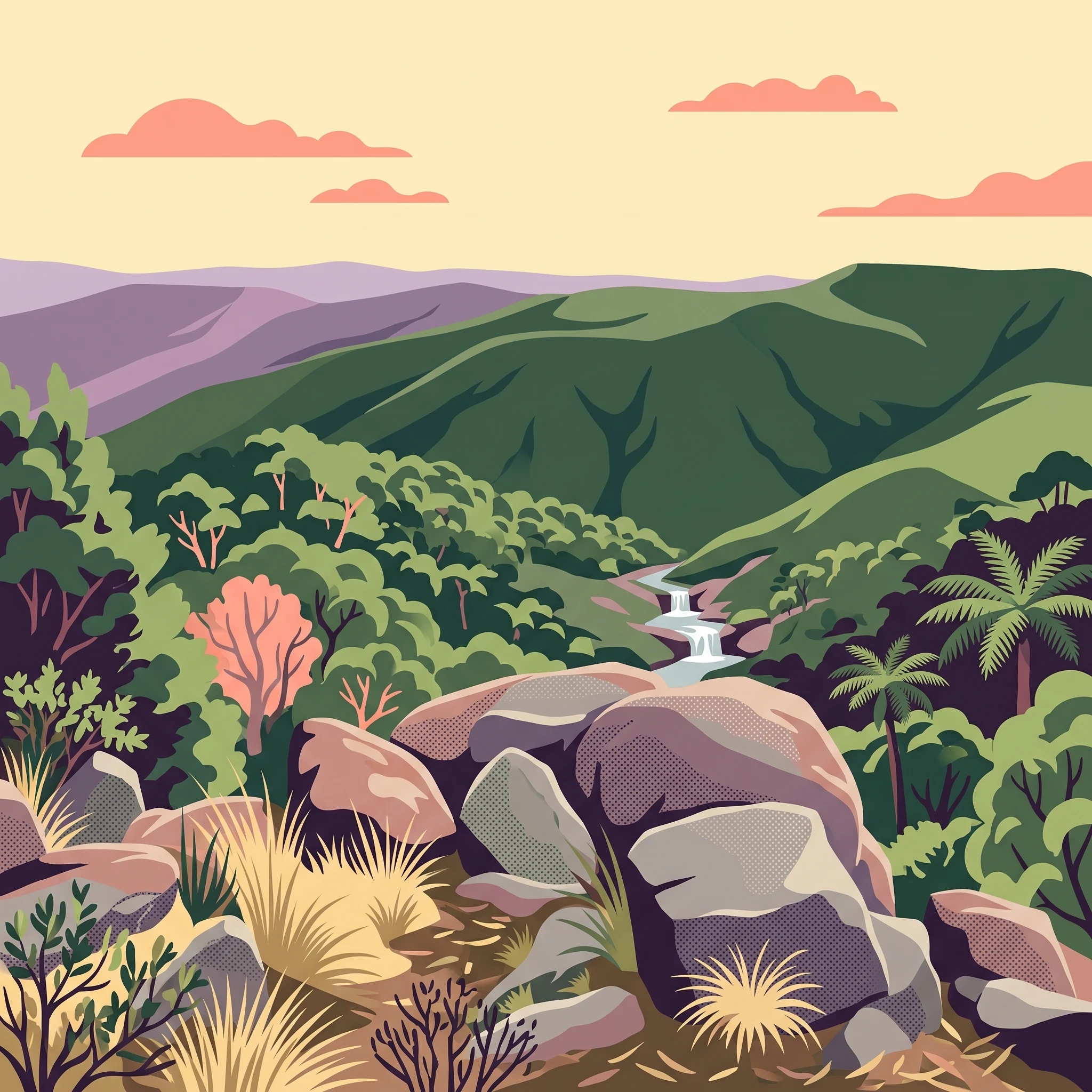
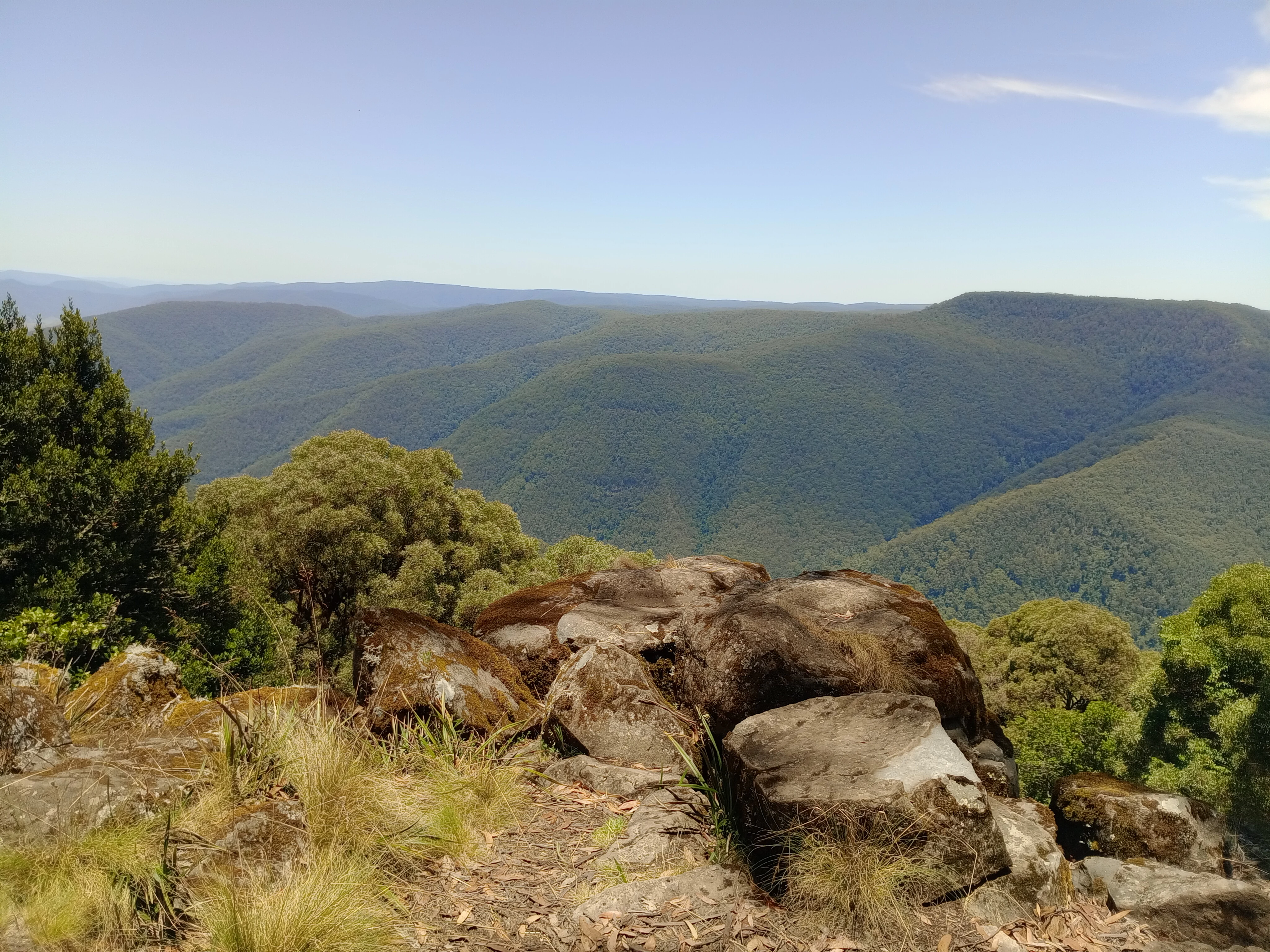
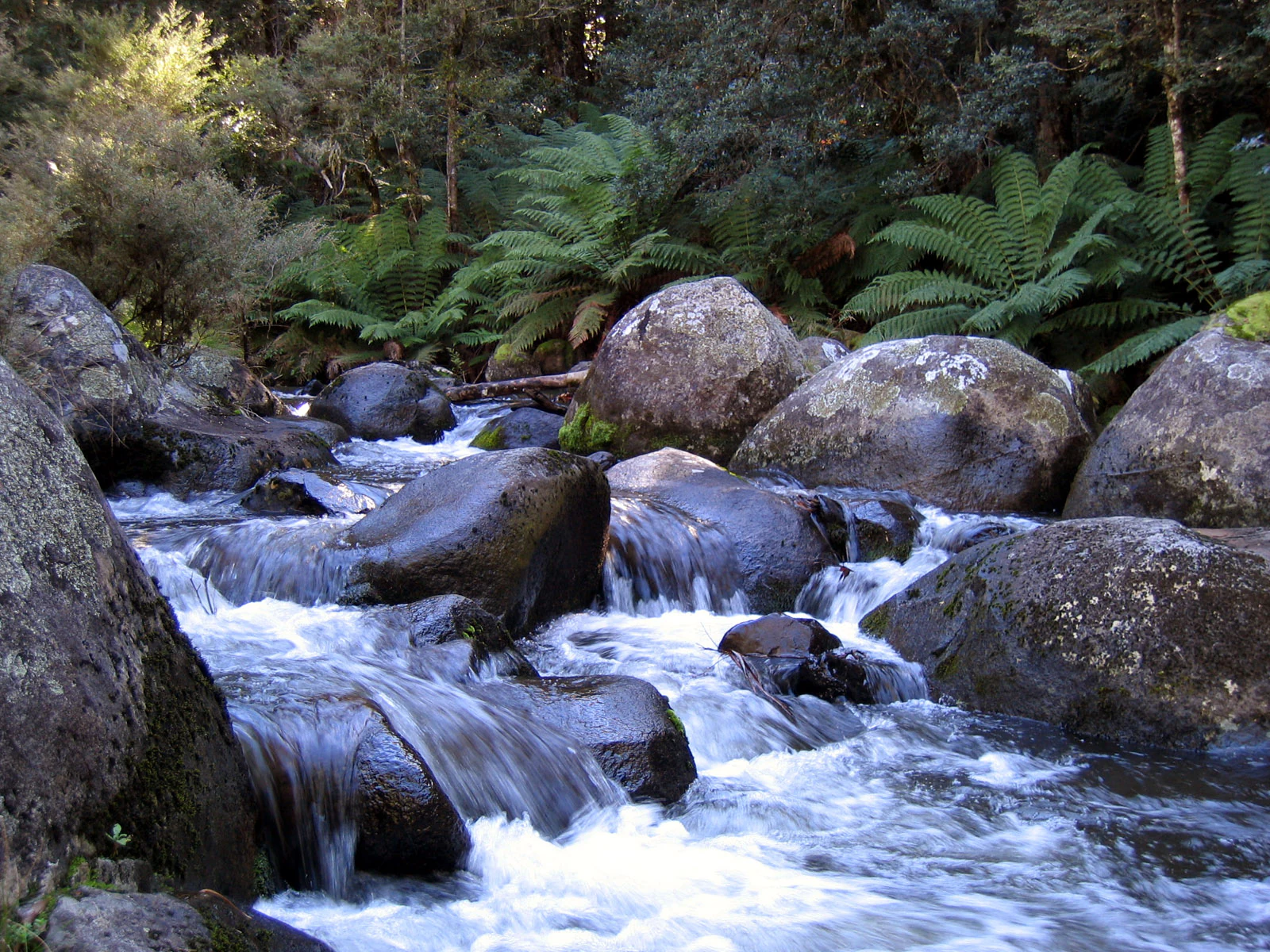
The Barrington Tops landscape is defined by its position as a high plateau nestled between the major peaks of the Mount Royal Range, part of the Great Dividing Range system. The terrain is characterised by steep ridgelines, deep gullies, and exposed rocky balds. The underlying volcanic and sedimentary geology, dating approximately 300 to 400 million years, has produced a distinctive terrain of rounded granite boulders that emerge from the hillsides and ridgelines throughout the park. The highest point, Brumlow Top, reaches 1,586 metres and provides sweeping views across the surrounding wilderness. The Barrington River and its tributaries have carved scenic valleys through the park, creating diverse microhabitats from river flats to cascading streams. The combination of altitude, exposed ridgelines, and ancient rock formations creates a landscape of particular scenic grandeur, especially when winter snow caps the peaks or spring wildflowers carpet the alpine meadows.
Barrington Tops National Park ecosystems, habitats, and plant life
The ecological diversity of Barrington Tops National Park is extraordinary for its geographic position, representing the southernmost limit of subtropical rainforest in Australia. The vegetation sequence follows a clear altitudinal zonation, with subtropical rainforests dominated by Antarctic beech, tree ferns, and dense understorey plants occupying the sheltered gullies and lower slopes. As elevation increases, these rainforests transition through temperate mixed forests featuring snow gums and a diverse understorey, to subalpine woodlands and eventually alpine heath communities on the highest peaks. The Antarctic beech forests are of particular significance, representing one of only two remaining populations of this ancient Gondwana relict species on mainland Australia. The park's moisture regime, with annual rainfall exceeding 2,000 millimetres in the southeast, supports lush moss and fern communities throughout the forest understorey. The native raspberry, native cherry, and lilli pilli provide seasonal foraging opportunities and represent the park's edible plant heritage.
Barrington Tops National Park wildlife and species highlights
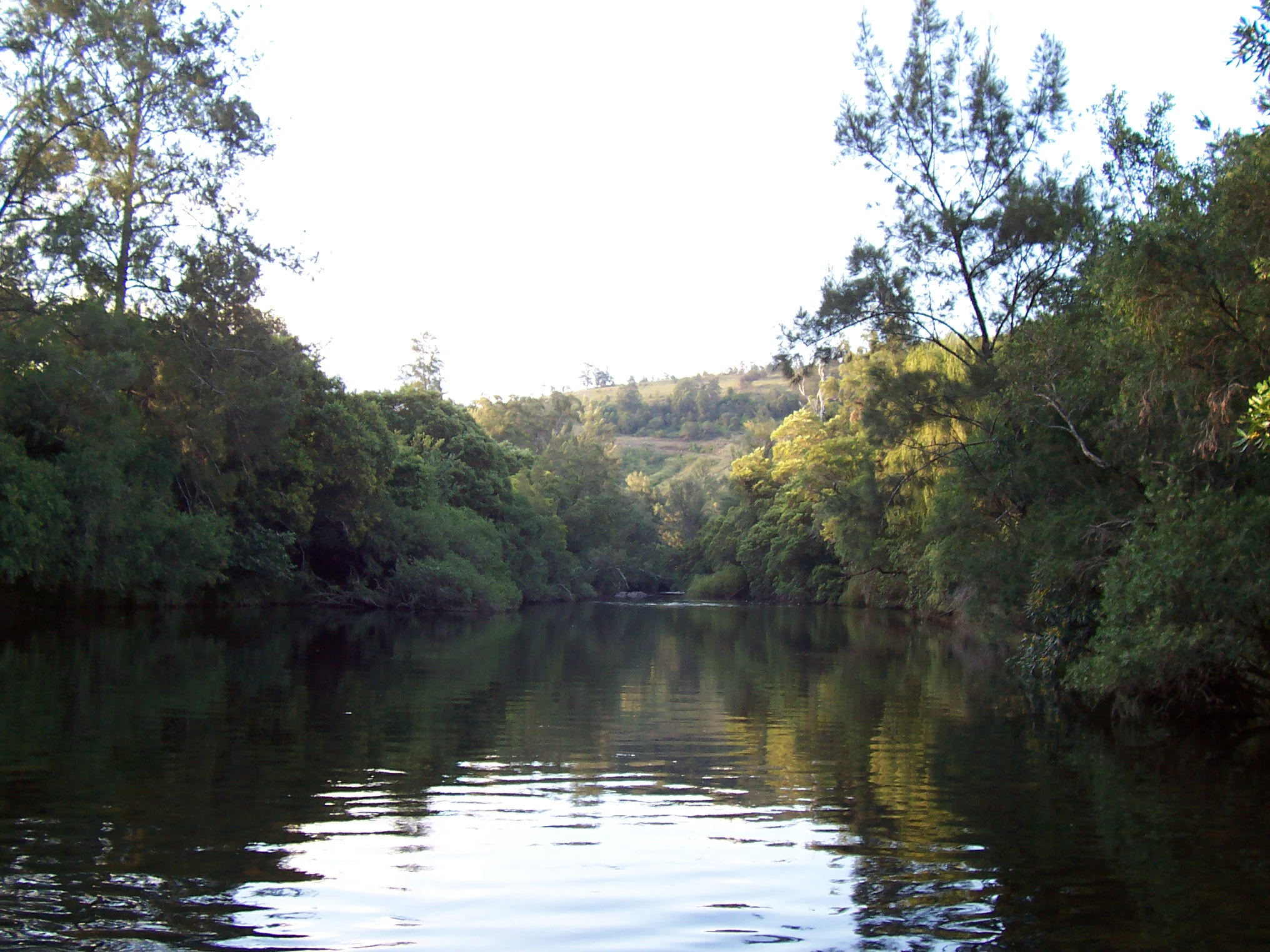
The wildlife community of Barrington Tops reflects both the diversity of habitats present and the relative remoteness of much of the park, which has allowed sensitive species to persist largely undisturbed. The park supports a globally significant population of rufous scrub-birds, a secretive ground-dwelling bird considered one of Australia's most important conservation priorities. The bird community also includes flame robins, pale-yellow robins, paradise riflebirds, green catbirds, regent bowerbirds, and Australian logrunners. Nocturnal species are represented by barking owls and greater sooty owls, while common mammals include eastern grey kangaroos, pademelons, and echidnas. More reclusive species such as quolls, native rodents, and platypus may be encountered by patient observers. However, the park also faces challenges from invasive species including feral horses, deer, feral pigs, feral goats, foxes, and cats, with control programs underway to mitigate their ecological impact.
Barrington Tops National Park conservation status and protection priorities
Barrington Tops National Park holds significant conservation status as part of the Gondwana Rainforests of Australia World Heritage Site, recognised in 1986 for its outstanding natural heritage values and added to the Australian National Heritage List in 2007. The park is also designated as an Important Bird Area due to its globally significant population of rufous scrub-birds. The preservation of wild rivers flowing through the Barrington Tops adds another dimension to the park's conservation significance, with several river systems classified as wild rivers due to their exceptional purity. The steep terrain has naturally limited human disturbance across much of the park, helping to preserve intact ecosystems. Management efforts focus on controlling invasive species, maintaining wilderness values, and protecting the ancient geological and ecological heritage that makes this area unique.
Barrington Tops National Park cultural meaning and human context
The Barrington Tops region holds deep significance for Aboriginal peoples, with the traditional owners including the Gringai, Wornarua, Worimi, and Birpai communities. These peoples have maintained continuous connections to Country throughout the Barrington Tops area for thousands of years, with the landscape holding cultural values that extend beyond its ecological significance. European exploration and settlement of the area began in the nineteenth century, with the establishment of the Barrington Guest House in 1930 representing an early attempt to make the wilderness accessible to visitors. The region's aviation history, including multiple aircraft accidents, reflects both the hazards of the mountainous terrain and the strategic importance of the airspace. The ongoing efforts to rebuild the guest house site represent a continuation of the human relationship with this landscape.
Top sights and standout views in Barrington Tops National Park
Barrington Tops National Park offers visitors the chance to experience one of Australia's most ecologically significant wilderness areas within reasonable reach of major population centres. The Antarctic beech rainforests represent a living connection to the ancient Gondwana supercontinent, while the alpine peaks provide dramatic scenery and winter snow experiences. The network of walking tracks, from easy nature walks to challenging wilderness treks, allows visitors to explore the diverse habitats and landscapes. The wildlife viewing opportunities, particularly for birds such as the rufous scrub-bird and regent bowerbird, attract nature enthusiasts from around the world. The wild rivers and clear mountain streams support healthy aquatic ecosystems and contribute to the park's reputation for environmental purity.
Best time to visit Barrington Tops National Park
The best time to visit Barrington Tops depends on the experience sought. Summer months (December to February) offer the most reliable access to the higher elevations and are popular for camping and bushwalking, though afternoon thunderstorms can occur. Autumn (March to May) brings cooler temperatures and excellent conditions for walking, with the forest displaying seasonal colour. Winter (June to August) transforms the alpine areas with snow, creating a dramatically different landscape and drawing visitors for snow viewing, though some roads may close and conditions can be hazardous. Spring (September to November) sees wildflower displays across the alpine meadows and is a particularly beautiful time to visit, though weather can be unpredictable. The park is accessible year-round, though visitors should be prepared for rapidly changing conditions, especially at higher elevations where fog, cloud, and cold temperatures can occur in any season.