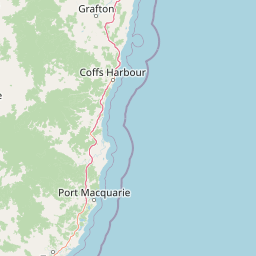
Why Dunggir National Park stands out
Dunggir National Park is best known for its exceptional subtropical rainforest protection and significant biodiversity concentration within a relatively compact area. The park preserves three distinct rainforest types, creating a complex ecological mosaic that supports numerous endangered species. Its Gumbaynggirr cultural heritage adds depth to its identity, with the name itself honouring the koala, an animal that remains symbolically and ecologically important to the region. The Kosekai Lookout provides one of the most accessible and rewarding viewing experiences in the northern NSW highlands, making the park a destination for both nature enthusiasts and those seeking connection with Aboriginal cultural heritage.
Dunggir National Park history and protected-area timeline
Dunggir National Park was formally established in 1997 as part of expansions to New South Wales' protected area network during the 1990s. This period saw increased attention to conserving the remaining pockets of subtropical rainforest along Australia's east coast, much of which had been cleared for agriculture, forestry, or settlement. The park's creation built upon earlier conservation efforts in the region and recognised the biological significance of the Nambucca Valley's remaining forested landscapes. Management responsibility rests with the NSW National Parks and Wildlife Service, which oversees protection of the park's natural values while providing opportunities for appropriate public enjoyment. The decision to use the Gumbaynggirr name Dunggir, meaning koala, as the park's official title reflected an effort to incorporate Aboriginal cultural heritage into the protected area's identity, acknowledging the long history of Indigenous connection to this landscape.
Dunggir National Park landscape and geographic character
Dunggir National Park encompasses a landscape of forested ridges and valleys characteristic of the northern New South Wales highlands. The terrain rises from the valley floors to create a mountainous backdrop visible from the Nambucca Valley below. Dense vegetation covers the slopes, with the subtropical rainforest creating a lush, layered environment where towering trees, climbing vines, ferns, and epiphytes combine to form a complex visual texture. The Kosekai Lookout provides an elevated vantage point from which visitors can appreciate the park's place within the broader landscape, with views extending across the Nambucca Valley to distant ridges. The rainforest environments range from wetter, more sheltered gullies to slightly more open forest types on ridgelines, creating visual and ecological variation across the park's 25 square kilometre extent.
Dunggir National Park ecosystems, habitats, and plant life
The nature of Dunggir National Park is defined by its subtropical rainforest ecosystems, which represent some of the most biodiverse habitats in Australia. Three distinct rainforest types occur within the park, each supporting different plant communities adapted to varying moisture levels, soil conditions, and positions on the slope. These rainforests contain over 400 indigenous plant species, ranging from towering emergent trees to groundcover ferns and epiphytic plants growing on tree branches. The humid, equable climate of the northern NSW coast supports this rainforest persistence, with sufficient rainfall throughout the year to maintain moisture-dependent vegetation. The complexity of the rainforest structure creates numerous microhabitats, supporting the park's remarkable biodiversity despite its relatively modest area.
Dunggir National Park wildlife and species highlights
Dunggir National Park provides crucial habitat for twelve endangered animal species, making it a significant site for wildlife conservation in northern New South Wales. The rainforests and surrounding forested areas support populations of species that have suffered declines across much of their former ranges. The park's name, derived from the Gumbaynggirr word for koala, acknowledges the presence of this iconic marsupial, though the park protects many other species as well. The diverse habitat structure, from canopy layers to ground level, supports various ecological niches for different animal groups. The protection of these endangered species within a dedicated national park ensures that populations have access to secure habitat where they can persist away from threats such as habitat loss, introduced predators, and disease.
Dunggir National Park conservation status and protection priorities
Dunggir National Park plays an important conservation role by protecting a concentration of biodiversity within a relatively small area of subtropical rainforest. The twelve endangered animal species and over 400 indigenous plant species represent a significant conservation asset, particularly given the extent of clearing that has occurred in the Nambucca Valley region and elsewhere along the NSW coast. The three rainforest types protected within the park represent different ecological communities that each support distinct assemblages of species. Protection through national park reservation provides these species with secure habitat where ecosystem processes can continue with minimal human disturbance, supporting long-term population persistence and ecological integrity.
Dunggir National Park cultural meaning and human context
Dunggir National Park sits within the traditional country of the Gumbaynggirr people, an Aboriginal community whose connection to this landscape spans thousands of years. The use of the Gumbaynggirr name Dunggir, meaning koala, as the park's title acknowledges this Indigenous heritage and the cultural significance of the area to its traditional custodians. The Gumbaynggirr language has preserved knowledge of the local environment, including species like the koala that feature in traditional naming. While the national park designation is a relatively recent form of protection, it builds upon and recognises the much longer history of Aboriginal people caring for Country in this region. Incorporating the Gumbaynggirr name into the park's identity helps ensure that Indigenous cultural heritage remains visible within the protected area framework.
Top sights and standout views in Dunggir National Park
Dunggir National Park's Kosekai Lookout delivers one of the most accessible and rewarding visitor experiences in the Nambucca Valley region, with panoramic views across forested ridgelines and the valley below. The park's three rainforest types and twelve endangered species represent remarkable biodiversity concentrated within 25 square kilometres. The Gumbaynggirr cultural heritage, expressed through the park's name meaning koala, provides a meaningful connection to Indigenous history and values. Subtropical rainforest environments, relatively rare in Australia's protected area network, offer distinctive ecological character and visual appeal. The compact size of the park makes it manageable for visitors seeking to experience multiple environments within a single visit.
Best time to visit Dunggir National Park
Dunggir National Park can be visited throughout the year, with each season offering different environmental conditions. The subtropical climate means rainfall occurs across all months, though the summer period typically brings higher rainfall and more humid conditions. Winter months tend to be cooler and drier, potentially offering more comfortable conditions for walking and sightseeing. The rainforest maintains its lush appearance year-round due to consistent moisture, though visitor experiences may vary with seasonal weather patterns. Those interested in wildlife viewing might consider how different seasons affect animal activity levels and visibility.