
Why Birgonj National Park stands out
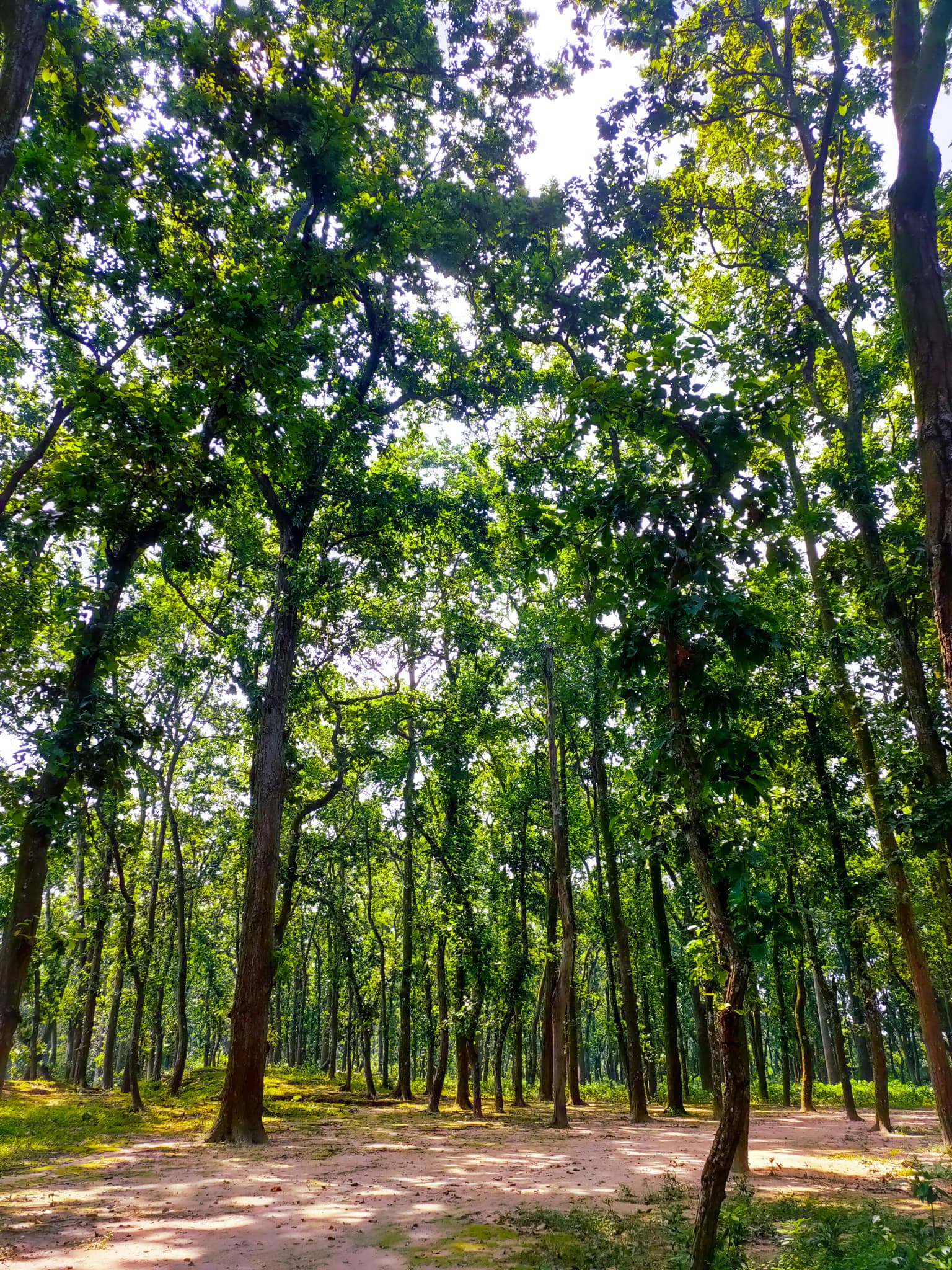
Birgonj National Park is best known for its extensive sal tree forest, which dominates the landscape and defines the ecological character of the protected area. Sal (Shorea robusta) is one of the most commercially and ecologically significant tree species in South Asia, and the park represents a protected example of this deciduous forest type in Bangladesh. The park's designation as an IUCN Category IV protected area emphasizes its conservation focus on maintaining viable habitat for species associated with sal forest ecosystems.
Birgonj National Park history and protected-area timeline
Birgonj National Park was officially declared as a protected national park by the Government of Bangladesh on 14 December 2011. This relatively recent establishment places the park among the newer protected areas in Bangladesh's conservation portfolio. The creation of the park formalizes protection for the sal forest area that existed prior to its designation, transforming it from a general forest area into a legally protected national park with specific conservation mandates. The park falls within the Birgonj forest beat, an administrative division within the Thakurgaon Forest Range system managed by the Bangladesh Forest Department.
Birgonj National Park landscape and geographic character
The landscape of Birgonj National Park is characterized by deciduous forest dominated by sal trees, creating a relatively homogeneous forest canopy across its 168.56-hectare extent. The terrain is typical of the Dinajpur region, which consists largely of flat to gently undulating plains. The sal forest creates a structured habitat with taller canopy trees and varying understory density depending on seasonal conditions. This forest type contrasts with the surrounding agricultural landscape, forming a distinct green corridor in a region dominated by cultivated land.
Birgonj National Park ecosystems, habitats, and plant life
The ecological character of Birgonj National Park is defined by its sal forest ecosystem, which represents a major forest type across the Indian subcontinent. Sal (Shorea robusta) is a large deciduous tree species that forms nearly pure stands in favorable locations, creating a distinctive forest community. This forest type typically supports a range of associated plant species and provides habitat for various woodland organisms. The protected area serves as a remnant forest patch in a region where natural forest cover has been reduced by agricultural expansion.
Birgonj National Park wildlife and species highlights
The sal forest habitat of Birgonj National Park supports wildlife typical of deciduous forest areas in Bangladesh. Sal forests across the region are known to host various bird species, small mammals, and reptiles adapted to woodland environments. While the source material does not provide detailed species lists, the protected forest area provides habitat continuity for forest-dwelling species in a region where natural forest has been largely converted to agricultural use.
Birgonj National Park conservation status and protection priorities
Birgonj National Park is classified as an IUCN Category IV protected area, which designates it as a habitat or species management area. This category indicates active management interventions aimed at maintaining specific habitats or supporting particular species populations. The park contributes to Bangladesh's national conservation targets by preserving a forest type that has faced significant reduction across the country. The protected status provides legal framework for forest protection and prevents conversion to agricultural or other uses.
Birgonj National Park cultural meaning and human context
The park is located in Birganj Upazila, a region with historical significance in the northwestern part of Bangladesh. The area has been part of the broader Dinajpur region, which contains various archaeological and historical sites. The local population includes communities engaged in agriculture and related activities. The establishment of the protected area reflects a balance between local land use patterns and conservation objectives.
Top sights and standout views in Birgonj National Park
The park's primary distinction lies in its role as a protected sal forest in northern Bangladesh, representing a forest type that has become increasingly rare in the country. The protected area provides ecological services including habitat for forest species, watershed protection, and carbon sequestration. Its proximity to the Dhaka-Rangpur Highway makes it accessible for environmental education and nature observation. The 2011 establishment date marks it as a relatively recent addition to Bangladesh's national park system.
Best time to visit Birgonj National Park
The best time to visit Birgonj National Park would likely coincide with the cooler winter months from November through February, which is the general optimal season for visiting protected areas in Bangladesh. During this period, weather conditions are more comfortable for outdoor exploration and wildlife activity patterns may be more observable. The monsoon season from June to September brings rainfall to the region and would likely affect accessibility and visitor comfort.