


Why Altadighi National Park stands out
Altadighi National Park is most notably recognized for its significant reservoir and associated wetland ecosystems in a region where such habitats are relatively uncommon. The reservoir serves as a central ecological feature, supporting waterfowl, aquatic species, and riparian vegetation within the protected area. The park also provides protection for several wildlife species including junglefowl, golden jackal, civet, jungle cat, and monitor lizard. Its location in the northwestern frontier region of Bangladesh, near the international border, gives it additional significance as a transboundary conservation area.
Altadighi National Park history and protected-area timeline
Altadighi National Park was officially declared as a national park by the Government of Bangladesh on 14 December 2011, representing a relatively recent addition to the country's protected area network. The designation followed recognition of the area's ecological significance, particularly the value of its wetland habitats and the reservoir ecosystem. Prior to national park status, the area existed within the broader forest range system under the Bangladesh Forest Department. The establishment reflected growing governmental attention to conserving non-floodplain ecosystems in Bangladesh, which have historically received less protection than the extensive riverine and coastal wetlands that dominate the country's protected area landscape.
Altadighi National Park landscape and geographic character
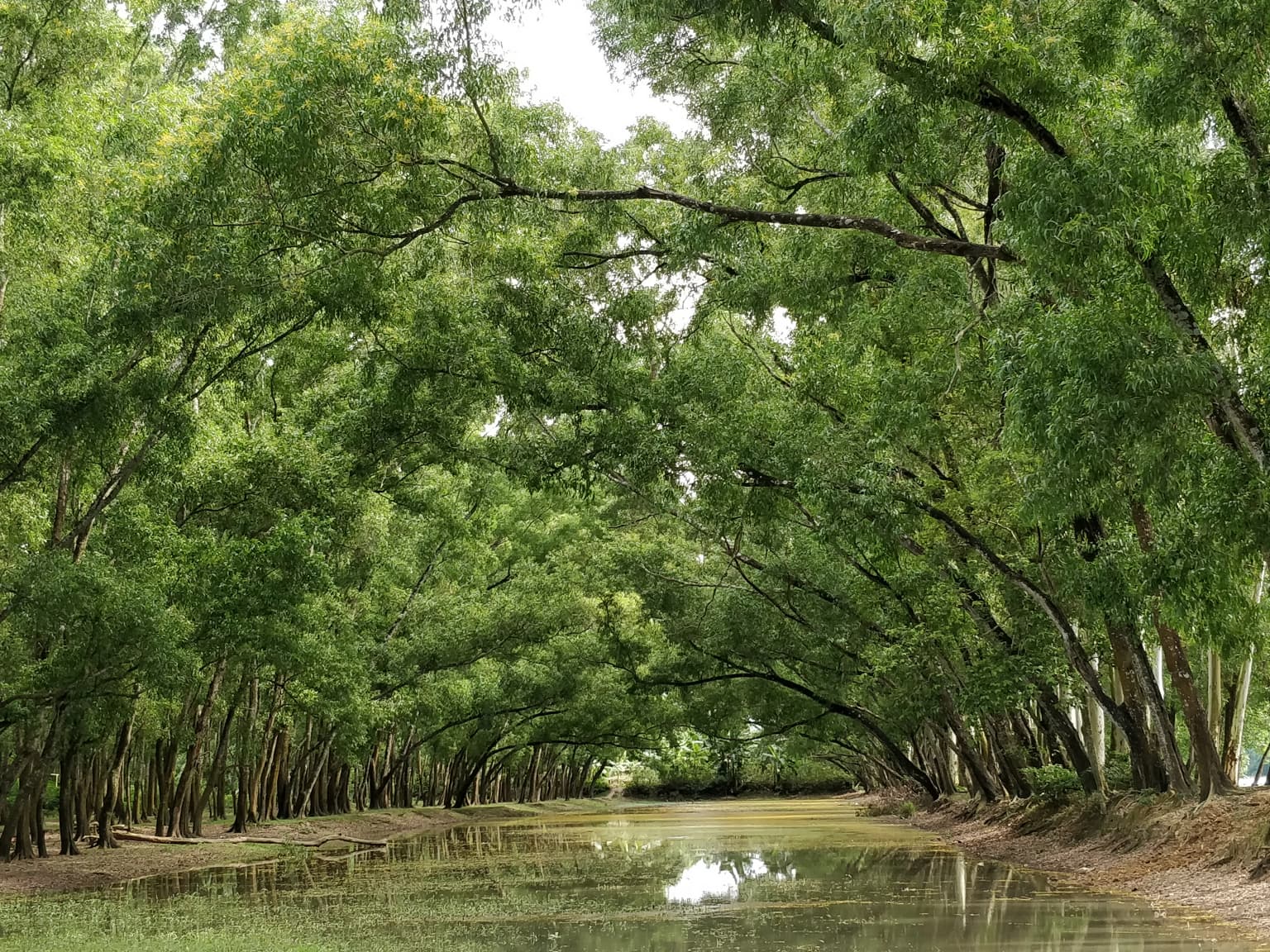
The landscape of Altadighi National Park is characterized by its central reservoir and surrounding wetland and terrestrial terrain. Unlike the vast deltaic floodplains that define much of Bangladesh, the Naogaon District features more undulating topography, and the park encompasses this varied terrain within its 264-hectare boundary. The reservoir, spanning approximately 55.46 acres, serves as the visual and ecological centerpiece of the park, creating open water habitat surrounded by vegetated margins. The surrounding lands include both wetland areas that receive overflow from the reservoir and drier transitional zones supporting different vegetation types.
Altadighi National Park ecosystems, habitats, and plant life
The ecological character of Altadighi National Park centers on its wetland habitats, with the large reservoir providing the primary ecological engine for the area. The reservoir and associated wetlands support aquatic vegetation, provide foraging habitat for waterbirds, and maintain moisture levels that sustain riparian plant communities. The mix of open water, marshy margins, and surrounding terrestrial areas creates a habitat gradient that supports diverse species assemblages. This wetland character distinguishes the park within the context of Bangladeshi protected areas, where floodplain and coastal ecosystems are more commonly represented.
Altadighi National Park wildlife and species highlights
The fauna of Altadighi National Park includes several species adapted to wetland and forest-edge habitats. Bird species present in the park include junglefowl, which thrive in the vegetated margins surrounding the reservoir. Mammalian species documented within the park include golden jackal, civet, and jungle cat, each utilizing different habitat types within the protected area. Reptile diversity includes monitor lizard, which can be found near water bodies and in the surrounding vegetation. The reservoir likely supports additional fish species and aquatic fauna, though detailed species inventories are limited in the available source material.
Altadighi National Park conservation status and protection priorities
Altadighi National Park holds IUCN Category IV status, classifying it as a habitat and species management area. This designation reflects its purpose of protecting specific habitats while enabling management interventions to maintain species populations. The park contributes to Bangladesh's national conservation framework by preserving a wetland type that is underrepresented in the country's protected area network. The reservoir ecosystem provides important ecosystem services including water retention, habitat for wildlife, and support for local biodiversity. Management through the Bangladesh Forest Department aims to balance conservation objectives with sustainable use considerations.
Altadighi National Park cultural meaning and human context
The park exists within the broader cultural landscape of Naogaon District, an area with historical significance in the northern Bengal region. Local communities in Dhamoirhat Upazila maintain agricultural and fishing traditions that interact with the surrounding environment. The reservoir likely supports local fishing activities and provides water for agricultural purposes during dry seasons. While the source material does not provide detailed information on indigenous or historical heritage within the park boundaries, the area's proximity to the India border suggests cultural connections to the broader regional history of trade and movement across the frontier.
Top sights and standout views in Altadighi National Park
The defining highlight of Altadighi National Park is its large reservoir, the biggest in Naogaon District, which creates a distinctive wetland environment within the protected area. This central water body supports wildlife viewing opportunities, particularly for waterfowl and species associated with aquatic habitats. The park's relative remoteness and location in northwestern Bangladesh offer a different experience from the more accessible protected areas in other parts of the country. As a relatively young national park established in 2011, it represents the continuing expansion of Bangladesh's conservation estate into underrepresented ecosystem types.
Best time to visit Altadighi National Park
The optimal time to visit Altadighi National Park would generally correspond with the cooler, drier months from November through February, when weather conditions are more comfortable for outdoor exploration and wildlife activity is more predictable. The post-monsoon period often brings fuller water levels in the reservoir, enhancing the wetland character of the park. Monsoon season from June through September brings heavier rainfall and may limit access to some areas, while the hot pre-monsoon months from March through May can be uncomfortable for visitors.