Why Singra National Park stands out
Singra National Park is best known for its extensive sal tree forest, one of the prominent deciduous forest types in northern Bangladesh. The park represents a conservation area for what was once a richer wildlife habitat supporting species including tigers and nilgai, though much of the original biodiversity has been reduced due to deforestation and human pressure. The park offers visitor facilities including a rest house and picnic spots, with winter months bringing increased visitation.
Singra National Park history and protected-area timeline
The Singra forest area has a long administrative history dating back to its designation as government land in 1885, establishing its status as a managed forest resource well before Bangladesh's independence. Following the liberation of Bangladesh in 1971, the forest came under formal management of the Forest Department through a government gazette notification in 1974, marking the beginning of systematic conservation efforts. On 10 October 2010, the Forest Department declared Singra a national park as part of a broader initiative to protect four forests in northern Bangladesh. This designation reflected growing recognition of the ecological and conservation value of the region's forest areas, particularly the sal-dominated deciduous forests that characterize the landscape. The park was named after the Singra administrative region, while locally it continues to be known as Singra Sal Forest, reflecting the species that dominates its tree cover.
Singra National Park landscape and geographic character
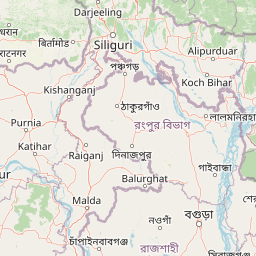
The landscape of Singra National Park is characterized by deciduous forest terrain typical of the northern Bangladesh plateau region. The terrain features gently undulating land with the Nort River flowing through the middle of the park, providing an important hydrological feature that influences the surrounding vegetation patterns. The forest area spans across four administrative villages and consists predominantly of sal trees forming a relatively dense canopy. The landscape supports a mix of tall deciduous trees with varying understory vegetation, creating layered forest structure. The park's setting within the Dinajpur district places it in an area that experiences distinct seasonal patterns affecting the forest's appearance throughout the year.
Singra National Park ecosystems, habitats, and plant life
The ecological character of Singra National Park is defined by its deciduous sal forest ecosystem, which represents a significant vegetation type in Bangladesh's protected area network. The park's flora includes sal trees as the dominant species, accompanied by various other tree species including jarul, teak, gamar, and Shimul, along with numerous shrubs, plants, and vines that contribute to forest biodiversity. The presence of the Nort River adds ecological complexity to the area, supporting plant communities that depend on riparian conditions. The forest ecosystem provides habitat for various insect species and bird populations, contributing to the overall biodiversity of the protected area despite significant changes to wildlife populations over time.
Singra National Park wildlife and species highlights
Singra National Park once supported a richer wildlife community that included tigers and nilgai, reflecting the forest's historical role as significant wildlife habitat in northern Bangladesh. However, deforestation and increasing population pressure have considerably reduced the mammalian fauna present in the area. Currently, the park supports populations of smaller mammals including rabbits, foxes, snakes, and mongoose, alongside diverse bird populations. The bird species documented in the park include vultures, drongos, barbets, kingfishers, doves, woodpeckers, and various other passerine species. The park also supports insect populations that form part of the forest ecosystem's food web. The bird diversity represents an important aspect of the park's remaining ecological value.
Singra National Park conservation status and protection priorities
Singra National Park represents Bangladesh's conservation efforts to preserve deciduous forest ecosystems in the country's northern region. The park's designation in 2010 acknowledged the ecological importance of the sal forest habitat and its role in maintaining regional biodiversity. Conservation activities are supported through a co-management structure that involves local community representatives alongside organizational support from RDRS Bangladesh, reflecting an approach to integrating local stakeholders in protected area management. The park faces ongoing challenges from historical deforestation and population pressures that have altered its ecological character, but the protected status provides a framework for ongoing conservation efforts.
Singra National Park cultural meaning and human context
The Singra area carries administrative significance as a regional name applied to both the forest and the surrounding administrative region. The forest's history as government land since 1885 reflects its long-established status as a managed natural resource in the Dinajpur district. Local communities have traditional connections to the forest area, and the co-management committee structure formalizes community involvement in conservation. The park spans four villages including Dalagram, Chaulia, Singra, and Nortnadi, representing human settlements that exist in proximity to the forest ecosystem.
Top sights and standout views in Singra National Park
Singra National Park offers visitors access to Bangladesh's northern deciduous forest landscapes, with the sal trees providing a distinctive forest character. The Nort River crossing through the park adds visual and ecological interest to the landscape. Visitor facilities including a rest house and picnic spots enable day visits and longer stays. The park's bird populations, including species such as the bronzed drongo, blue-throated barbet, and kingfisher, provide wildlife observation opportunities. Winter months represent the peak visitor season, when the forest atmosphere and cooler temperatures attract increased visitation.
Best time to visit Singra National Park
The best time to visit Singra National Park is during the winter months, from approximately November through February, when visitor numbers increase significantly. The winter season offers cooler temperatures that make outdoor exploration more comfortable and the forest environment more pleasant for walking and wildlife observation. The dry season conditions during winter provide clearer visibility through the forest understory, which can enhance the experience of exploring the park's landscapes and spotting birdlife. The summer months bring higher temperatures and less comfortable conditions for visitors, while the monsoon season creates wet conditions that may affect access and visibility within the park area.