Why Güeppi-Sekime National Park stands out
Güeppi-Sekime National Park is best known for its population of endangered megafauna, including jaguars and giant otters. The park serves as a critical habitat for the pink river dolphin, a species facing significant threats from illegal fishing practices in the Amazon basin. The area supports exceptional bird diversity, with notable species including the harpy eagle, red-and-green macaw, king vulture, and agami heron. The combination of hill forests and seasonally flooded wetlands creates a mosaic of habitats that supports both terrestrial and aquatic species.
Güeppi-Sekime National Park history and protected-area timeline
The Güeppi Reserved Zone was established in March 1997, initially covering approximately 6,260 square kilometers of forest in the Loreto Region. This early designation recognized the ecological significance of the area and provided initial protection for its biodiversity. Over the following years, the boundaries and administrative status of the protected area were refined, leading to the modification of both the name and the extent of the zone. In 2012, the area was granted full national park status, elevating its protection level and formalizing its role within Peru's national protected areas system. The transition from reserved zone to national park reflected growing recognition of the area's conservation value and the need for robust protection measures.
Güeppi-Sekime National Park landscape and geographic character
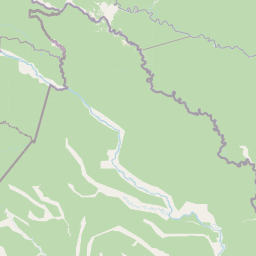
The landscape of Güeppi-Sekime National Park consists of a combination of hills and seasonally flooded lowlands characteristic of the western Amazon basin. The terrain features rolling upland areas that rise above the surrounding terrain, interspersed with lower-lying zones that become inundated during periods of high rainfall. This topographic variation creates a heterogeneous landscape supporting different forest types and ecological communities. The area's position in northeastern Peru places it within the transition zone between Andean-influenced landscapes and the vast Amazonian lowlands, contributing to its ecological diversity. The forests that cover the park range from terra firme upland forests to floodplain communities adapted to the seasonal water fluctuations.
Güeppi-Sekime National Park ecosystems, habitats, and plant life
The park supports a rich array of plant species typical of Amazonian forests, including numerous tree species that form the structure of the tropical canopy. Species such as Socratea exorrhiza, known as the walking palm due to its unique root structure, and the rose-colored flowered Brownea grandiceps are found throughout the area. The forest also contains valuable timber species including Cedrela odorata and various members of the Ocotea genus. Mauritia flexuosa, the iconic Mauritia palm, occurs in wetland areas, while numerous epiphytes, ferns, and understory plants complete the complex botanical community. The combination of hill forests and flooded areas creates a mosaic of habitats supporting high plant diversity.
Güeppi-Sekime National Park wildlife and species highlights
Güeppi-Sekime National Park is home to remarkable wildlife diversity, particularly in its avian and mammalian fauna. The park contains populations of endangered large mammals including the jaguar, the largest cat species in the Americas, and the giant otter, a social freshwater predator that inhabits the park's waterways. The pink river dolphin inhabits the aquatic systems within the park, though this species faces threats from illegal fishing practices. The bird community is exceptionally diverse, featuring the harpy eagle, one of the largest and most powerful raptors in the world, as well as colorful parrots like the red-and-green macaw, the distinctive white-throated toucan, and the striking king vulture. Reptiles including the black caiman, a large crocodilian species, are also present in the park's waterways.
Güeppi-Sekime National Park conservation status and protection priorities
The park holds IUCN Category II protected area status, reflecting its designation as a national park with primary objectives of ecosystem conservation and environmental protection. The transition from reserved zone to national park in 2012 demonstrated increased institutional commitment to safeguarding the area's biodiversity. The park faces conservation challenges including the illegal use of pink river dolphins as fishing bait, a practice that threatens this endangered aquatic species despite being prohibited. Conservation efforts within the park contribute to broader regional strategies for protecting Amazonian biodiversity and maintaining ecological connectivity across the Peru-Ecuador border.
Güeppi-Sekime National Park cultural meaning and human context
The region within and surrounding Güeppi-Sekime National Park is home to indigenous communities including the Quichua, Secoya, and Bora peoples. These native groups have traditionally inhabited and managed the lands that now fall within the protected area, maintaining cultural practices and knowledge systems tied to the Amazonian environment. The presence of these communities highlights the human dimension of conservation in the region and the importance of recognizing indigenous rights and traditional land use patterns in protected area management.
Top sights and standout views in Güeppi-Sekime National Park
Güeppi-Sekime National Park offers exceptional opportunities to encounter some of the Amazon's most iconic wildlife in a relatively pristine setting. The chance to observe jaguars and giant otters in their natural habitat, combined with the spectacular avifauna including harpy eagles and macaws, makes this park significant for wildlife enthusiasts. The seasonal flooding creates dynamic landscapes that support both aquatic and terrestrial ecosystems, providing visitors with diverse ecological experiences. As a transboundary protected area adjacent to Ecuador, the park contributes to regional conservation networks protecting the Amazonian environment.
Best time to visit Güeppi-Sekime National Park
The park's tropical climate produces distinct wet and dry seasons that influence visitor experiences. The warm and humid conditions persist throughout the year, with temperatures averaging 25.5°C. Annual rainfall ranges between 2,500 and 2,800 millimeters, with the wettest periods generally occurring during the first half of the year. The dry season typically offers more accessible conditions for wildlife viewing as animals concentrate around remaining water sources, while the wet season reveals the flooded forest landscape in its full expression. Visitors planning trips should consider how seasonal conditions affect accessibility and wildlife viewing opportunities.