Why Yaguas National Park stands out
Yaguas National Park is best known for its exceptional biodiversity and its role as a critical node in a transboundary conservation corridor spanning the Peru-Colombia border. The park protects extraordinary concentrations of wildlife, including approximately 600 bird species, 150 mammal species, and more than 300 fish species. It is particularly notable for housing populations of iconic Amazonian megafauna including the giant otter, South American tapir, Amazon river dolphin, and Amazonian manatee. The park also protects the Arapaima gigas, the world's largest freshwater fish. Its flora is equally impressive, with more than 3,500 plant species documented, including the distinctive ceiba tree (Ceiba pentandra) that towers over the canopy.
Yaguas National Park history and protected-area timeline
Yaguas National Park was officially created on January 10, 2018, representing the culmination of years of scientific survey and conservation planning in the Peruvian Amazon. The establishment of the park marked a significant expansion of Peru's protected area network in the Loreto Region, an area that had historically lacked formal protection despite its extraordinary biodiversity. The park's creation was part of a broader initiative to establish a coherent conservation framework across the Peru-Colombia border, linking Yaguas with existing protected areas including Amacayacu National Park in Colombia and regional conservation areas on the Peruvian side such as Maijuna Kichwa and Ampiyacu Apayacu. The governing body for the park is SERNANP (Servicio Nacional de Áreas Naturales Protegidas por el Estado), Peru's national protected areas authority, which administers the national park system.
Yaguas National Park landscape and geographic character
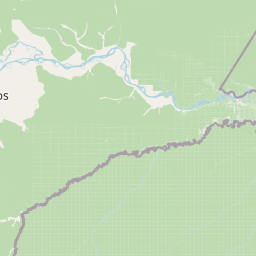
The landscape of Yaguas National Park is characterized by extensive lowland tropical rainforest typical of the Amazon basin, with flat to gently rolling terrain interspersed with rivers, lagoons, and wetland areas. The park sits at relatively low elevation, consistent with its location in the western Amazon lowlands. Rivers flowing through the park create diverse habitat types, from main channels to floodplain forests that experience seasonal inundation. The forest canopy is dominated by tall trees including the iconic ceiba (Ceiba pentandra), which can reach impressive heights and is a distinctive feature of the Amazon landscape. The terrain's flatness and the high water table create conditions favoring the formation of wetlands, oxbow lakes, and flooded forests that add heterogeneity to the landscape and provide critical habitat for aquatic species.
Yaguas National Park ecosystems, habitats, and plant life
The nature of Yaguas National Park is defined by its position within the Amazon biome, one of Earth's most biodiverse regions. The park protects extensive areas of tropical rainforest that support extraordinary species richness across multiple taxonomic groups. With more than 3,500 plant species documented, the park's flora includes valuable timber species such as Cedrelinga cateniformis, medicinal trees like Simarouba amara, and the culturally significant Hura crepitans. The forest structure includes emergent trees that rise above the canopy, a middle story of smaller trees and epiphytes, and a dense understory. This vertical complexity creates numerous ecological niches and supports the high biodiversity for which the park is known. The river systems within the park add an additional dimension to the habitat mosaic, providing aquatic environments that support distinct communities of fish, amphibians, and semi-aquatic mammals.
Yaguas National Park wildlife and species highlights
The wildlife of Yaguas National Park is exceptionally diverse, with the park serving as habitat for approximately 600 bird species, 150 mammal species, 110 amphibian species, 100 reptile species, and more than 300 fish species. Notable mammal residents include the brown woolly monkey, anteater, South American tapir, giant otter, Amazonian manatee, and Amazon river dolphin. The river systems support remarkable fish diversity, including the Arapaima gigas, which can reach lengths of over three meters and represents the largest freshwater fish species in the world. Perhaps uniquely, the park is home to fish species that have adapted to life in the forest canopy, traveling between branches without swimming or floating, feeding on fruits rather than aquatic prey. This extraordinary adaptation demonstrates the diverse evolutionary pathways present in the Amazon and highlights the importance of protecting both aquatic and terrestrial habitats.
Yaguas National Park conservation status and protection priorities
Yaguas National Park plays a critical role in regional conservation strategy as part of a transboundary biological corridor that connects protected areas across the Peru-Colombia border. This corridor approach recognizes that effective conservation in the Amazon requires maintaining connectivity between habitat patches, allowing species to migrate, maintain genetic diversity, and respond to environmental changes. The park is linked with Río Puré, Cahuinarí, and Amacayacu National Parks in Colombia, as well as the Maijuna Kichwa and Ampiyacu Apayacu Regional Conservation Areas in Peru. Together, these protected areas form a contiguous network that protects some of the most intact Amazonian ecosystems remaining in the region. The establishment of Yaguas in 2018 represented a major step in completing this conservation mosaic, filling a critical gap in the protected area network.
Yaguas National Park cultural meaning and human context
Yaguas National Park is situated in a region inhabited by indigenous communities whose traditional territories overlap with the protected area. The park's name derives from the Yaguas River, a watercourse that flows through the protected area and has historically served as a travel corridor and source of resources for local populations. The establishment of the park as a protected area requires balancing conservation objectives with the rights and livelihoods of indigenous communities who have long depended on the forest and its resources. The transboundary nature of the broader conservation corridor also implies coordination between Peru and Colombia in managing shared natural resources and addressing common conservation challenges.
Top sights and standout views in Yaguas National Park
Yaguas National Park stands out as one of Peru's newest and largest national parks, protecting a critical segment of Amazonian wilderness near the Colombia border. The park's participation in a transboundary biological corridor with four Colombian protected areas and two Peruvian regional conservation areas makes it a cornerstone of international conservation cooperation in the western Amazon. Its exceptional biodiversity includes globally significant populations of Amazonian megafauna and more than 3,500 plant species. The presence of fish species that live in forest trees represents a remarkable ecological phenomenon found in few other places on Earth. The park's establishment in 2018 marked a significant achievement in expanding Peru's protected area network to cover some of the most biodiverse but previously unprotected regions of the Amazon basin.
Best time to visit Yaguas National Park
The climate of Yaguas National Park is consistently tropical year-round, with average temperatures around 31°C and humidity near 80%. The park experiences a wetter period from October through May, with March typically receiving the highest rainfall at around 9.5 mm daily, while August is the driest month with approximately 3.5 mm daily precipitation. The annual rainfall totals approximately 2,827 mm. Visitors interested in wildlife viewing may find that the dry season months offer certain advantages for spotting animals at water sources, though the park's remote location and limited visitor infrastructure mean that access is generally restricted to research and specialized eco-tourism programs managed by the governing authority.