Why Serranía de la Neblina National Park stands out
Serranía de la Neblina is best known as the world's highest tepui, a distinctive table-top mountain formation characteristic of the Guayanan Highlands. The park is famous for its perpetually mist-shrouded peaks, the dramatic Baría Grande Canyon cut through the mountain mass, and its remarkable endemic vegetation including the unique shrub Neblinaria celiae found only within the park boundaries. The area is also notable for its diverse carnivorous plant flora and populations of large mammals including jaguars and tapirs in one of the most remote and least-visited protected landscapes in Venezuela.
Serranía de la Neblina National Park history and protected-area timeline
The Serranía de la Neblina area has been recognized for its exceptional natural values since the mid-twentieth century, though detailed scientific exploration of the remote mountain mass only began in earnest during the 1950s and 1960s. The establishment of the national park in 1978 reflected growing international recognition of thetepui ecosystem's global significance and the need to protect its unique biodiversity. At the time of designation, the park was one of several large protected areas created in the Venezuelan Amazon as part of a broader national strategy to preserve the country's wilderness heritage. The park's creation also acknowledged the transboundary nature of the ecosystem, with Brazil subsequently establishing Pico da Neblina National Park on the adjacent Brazilian territory to ensure coordinated protection of the shared mountain mass.
Serranía de la Neblina National Park landscape and geographic character
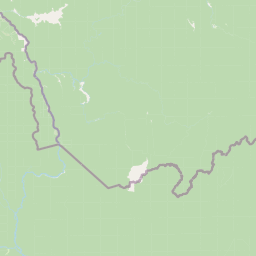
The landscape of Serranía de la Neblina National Park is defined by the dramatic tepui formation that rises abruptly from the Amazon lowlands to elevations exceeding 2,900 meters. The mountain mass is characterized by steep cliffs, flat-topped summits, and deep ravines carved by tropical rainfall. The Baría Grande Canyon, cutting through the heart of the formation, represents one of the world's deepest canyons, with walls dropping thousands of meters from the surrounding plateau. The entire mountain is continuously enveloped in clouds and mist, particularly during the wet season, giving rise to the name "La Neblina" and creating a perpetually atmospheric landscape. The terrain transitions dramatically from the hot, humid Amazonian lowlands at the base to cooler, cloud-forest conditions at higher elevations, with the highest peaks occasionally protruding above the cloud layer into full sunlight.
Serranía de la Neblina National Park ecosystems, habitats, and plant life
The park lies within the Guayanan Highlands moist forests ecoregion, characterized by a complex mosaic of habitats that change with elevation. The lower slopes support typical Amazonian rain forest, while higher elevations host cloud forest with epiphytic vegetation adapted to the constant moisture. The park is distinguished by its extraordinary endemism, including the shrub Neblinaria celiae which is known only from this location. The cloud-shrouded environment supports exceptional biodiversity, with particularly notable concentrations of carnivorous plants thriving in the nutrient-poor soils of the higher elevations. The remote and difficult terrain has limited human impact and preserved what is essentially a functioning ecosystem with minimal contemporary disturbance, representing one of the most intact forest landscapes remaining in northern South America.
Serranía de la Neblina National Park wildlife and species highlights
The wildlife community of Serranía de la Neblina includes several species of significant conservation interest. Large mammals present in the park include jaguars and tapirs, representing apex species and important ecological actors in the forest ecosystem. The park also supports populations of the cunaguaro, also known as the ocelot, and various monkey species including howler monkeys and other neotropical primates. Reptiles are particularly diverse, with numerous snake species including anacondas, bothrops pit vipers, and the venomous green mapanare. The varied elevations and habitat zones support distinct faunal communities, with species adapted to the lowland forests differing from those found in the cloud forest and summit areas.
Serranía de la Neblina National Park conservation status and protection priorities
Serranía de la Neblina National Park represents a critical protected area within the global network of tropical forest conservation. The park forms part of the Orinoco-Casiquiare biosphere reserve, a designation that reflects its role in maintaining ecological processes across a large landscape. The protection of the highest tepui ecosystem in the world addresses conservation priorities for unique habitats and endemic species found nowhere else. The transboundary coordination with Brazil's Pico da Neblina National Park ensures that the shared mountain ecosystem receives comprehensive protection. Despite its remote location limiting human pressures, the park faces ongoing conservation challenges related to climate change impacts on cloud-forest systems and the need for continued protection of this wilderness area.
Serranía de la Neblina National Park cultural meaning and human context
The Serranía de la Neblina region lies within the traditional territory of indigenous peoples, though the extreme ruggedness and persistent mist have historically limited permanent settlement in the highland areas. The park is located in one of the most sparsely populated regions of Venezuela, with the surrounding lowlands supporting small indigenous communities whose traditional lands border the protected area. The mountain itself held significance in indigenous cosmology, with the perpetual cloud cover inspiring cultural associations and traditional knowledge. Contemporary management of the park involves consideration of indigenous rights and traditional land use practices in the broader Amazonas state.
Top sights and standout views in Serranía de la Neblina National Park
The defining highlight of Serranía de la Neblina is its status as the highest tepui mountain in the world, with the cloud-shrouded summit creating one of the most atmospheric landscapes in the Amazon. The Baría Grande Canyon, cutting dramatically through the mountain, ranks among the deepest canyons on Earth. The park's exceptional endemism, including species found nowhere else such as Neblinaria celiae, makes it a priority area for conservation science. The presence of jaguar and tapir populations in this remote wilderness, combined with the extensive carnivorous plant diversity, distinguishes the park as an ecological treasure of the Guayanan Highlands.
Best time to visit Serranía de la Neblina National Park
The Serranía de la Neblina area can be visited year-round, though the dry season from December through April typically offers more accessible conditions for exploration of the lower elevations. The mountain's namesake mist is present throughout the year, with cloud cover being most persistent during the wet season from May through November. Visitors should be prepared for the remote nature of the park, which requires significant preparation and logistics to access. The climate ranges from hot and humid in the lowlands to cooler conditions at higher elevations, with rain possible in any season given the tropical setting.