Mori Atlas logo
National parkYapacana National Park

Discover the dramatic tepui plateau and ancient geological heritage of this Venezuelan national park.

Yapacana National Park: Protected Landscape Atlas and Guayana Shield Geography

(Cerro Yapacana National Park)

Yapacana National Park offers a profound exploration of ancient geology and extraordinary botanical diversity within Venezuela's Amazonas region. As a protected national park, it safeguards the iconic Yapacana hill, a dramatic tabletop mountain characteristic of the Roraima formation and the broader Guayana Shield. This page provides detailed map context and atlas-style discovery for understanding the park's unique landscape, its ecological significance with documented Paleotropic and Neotropic floristic connections, and its position within the vibrant Amazonian basin.

National ParksVenezuelaTepui PlateausGuayana ShieldAmazon RainforestGeological Heritage

Yapacana National Park

National park

Park overview

Structured park overview, official facts, and landscape profile for Yapacana National Park

Yapacana National Park park facts, protected area profile, and essential visitor context
Review the core facts for Yapacana National Park, including designation, size, terrain, visitor scale, habitats, and operating context in one park-focused overview.

About Yapacana National Park

Yapacana National Park represents one of Venezuela's most geologically and botanically significant protected areas, established in 1978 to preserve a landscape of exceptional scientific and scenic value. The park is situated in the remote southwestern reaches of Amazonas state, within the Atabapo municipality, occupying terrain that forms part of the ancient Guayanese shield, one of the planet's oldest continental landmasses. The centerpiece of the protected area is Yapacana hill, a dramatic tepui or tabletop mountain that exemplifies the distinctive plateau formations characteristic of the Roraima geological group. These ancient sandstone formations have been shaped by millions of years of erosion, creating the flat-topped mountains that define the Guayana highlands landscape.

The park's location between the Orinoco River to the south and the Ventuari River to the north places it at a critical ecological crossroads. The surrounding landscape transitions from the upland surfaces of the plateau to the tropical forest-covered lowlands that characterize Amazonia. This transitional setting has produced a complex mosaic of habitats and a flora of extraordinary scientific interest. The vegetation found within the park, particularly the communities thriving on the plateau surfaces, represents pioneering plant groups that have evolved in relative isolation, developing unique adaptations to the harsh conditions of exposed sandstone substrates, nutrient-poor soils, and the pronounced seasonal variations in moisture that characterize the region.

The scientific significance of Yapacana extends beyond its geological drama to encompass fundamental questions about plant evolution and continental biogeography. The documented Paleotropic and Neotropic floristic connections present within the park's boundaries provide researchers with rare insights into how plant lineages have dispersed across oceans and continents over geological time scales. These connections, linking the Venezuelan Guayana flora to both African and Asian plant communities on one hand and to broader Neotropical assemblages on the other, make Yapacana an exceptional natural laboratory for understanding global patterns of plant diversity and evolution.

Quick facts and research context for Yapacana National Park

Yapacana National Park occupies a strategic position in the southwestern Guayanese shield region of Venezuela, within the Atabapo municipality of Amazonas state. The park was formally established on December 12, 1978, during the presidency of Carlos Andres Perez, making it one of Venezuela's older protected areas. The focal point of the park is Yapacana hill, a classic Pantepuy plateau formation composed of Roraima formation sandstone that creates the characteristic flat-topped mountain silhouette recognizable throughout the Guayana region. The protected area spans roughly 3,200 square kilometers of terrain that transitions between upland plateau surfaces and surrounding lowland river corridors. The park lies southwest of the confluence where the Ventuari River joins the Orinoco River, placing it at the heart of one of South America's most extensive river systems. This geological and geographic setting has produced an ecosystem of considerable scientific interest, particularly regarding the plant communities that have evolved in isolation atop the plateau formations.

Park context

Deeper park guide and search-rich context for Yapacana National Park

Yapacana National Park history, landscape, wildlife, and travel context
Explore Yapacana National Park through its history, landscape character, ecosystems, wildlife, conservation priorities, cultural context, and seasonal travel timing in a structured park guide built for atlas discovery and search intent.

Why Yapacana National Park stands out

Yapacana National Park is best known for its extraordinary geological heritage and botanical significance. The park protects Yapacana hill, one of the most representative tabletop mountain formations in the Guayana region, with its distinctive Pantepuy plateau rising dramatically from the Amazon lowlands. This geological feature, part of the ancient Roraima formation, has created unique ecological conditions that have driven remarkable plant evolution. The park's vegetation represents a living laboratory of evolutionary processes, containing species with both Paleotropic connections linking to African and Asian flora and Neotropical associations with broader South American plant communities. This dual heritage makes the park exceptionally significant for understanding how plant life has diversified across continental boundaries over geological time. The combination of ancient shield geology, dramatic tepui topography, and the transition between distinct floristic realms has established Yapacana as a site of lasting importance to scientific research and conservation.

Yapacana National Park history and protected-area timeline

Yapacana National Park was established on December 12, 1978, through executive decree issued by President Carlos Andres Perez, marking Venezuela's commitment to preserving one of its most scientifically significant landscapes. The creation of the park reflected growing recognition during the 1970s of the need to protect the extraordinary geological and botanical values found throughout the Guayana region, particularly the tepui formations that had captured the scientific imagination of researchers worldwide. The decree designated the area with national park status, providing the highest level of protection available under Venezuelan law at that time.

The establishment of Yapacana as a protected area represented a continuation of Venezuela's broader conservation initiative that had seen the creation of numerous protected areas throughout the country during the latter decades of the twentieth century. The park was specifically designated to preserve and conserve areas representing valuable scenic and scientific resources, with particular emphasis on the unique vegetation communities that had developed on the ancient plateau formations. The choice of IUCN Category II classification reflected the dual objectives of protecting both the outstanding natural landscape and the scientific values it contains, while allowing for controlled visitor access for educational and research purposes. The park's creation also acknowledged the need to maintain the ecological integrity of the Guayanese shield landscape, which had remained relatively undisturbed but faced increasing pressures from development and resource extraction in other parts of the Venezuelan Amazon.

Yapacana National Park landscape and geographic character

The landscape of Yapacana National Park is dominated by the dramatic silhouette of Yapacana hill, a classic Pantepuy formation that rises abruptly from the surrounding Amazon lowlands. This flat-topped mountain, characteristic of the Roraima formation, presents sheer cliff faces and a relatively flat summit surface that has been carved by erosion over hundreds of millions of years. The plateau surface sits at an elevation significantly above the surrounding terrain, creating a landscape of stark vertical contrast where ancient crystalline rocks of the Guayanese shield meet the younger sedimentary strata that form the tepui capping. The surrounding lowlands consist of gently rolling terrain covered in dense tropical forest, with numerous streams and seasonal watercourses that drain toward the nearby Orinoco and Ventuari river systems.

The geological character of the park reflects its position within the Guayanese shield, one of Earth's oldest and most stable continental regions. The ancient rocks that underlie the area have been subjected to extensive weathering and erosion, producing the characteristic sandstone formations that define the Roraima group. These rocks contain evidence of environmental conditions that existed billions of years ago, when vast sedimentary basins accumulated material that would eventually be compressed into the quartzite and sandstone layers now exposed on the plateau surfaces. The contrast between the exposed, weathered summit of Yapacana and the vegetated slopes and surrounding lowlands creates a landscape of considerable visual drama and scientific interest. The park's position near the confluence of major river systems has also influenced the surrounding terrain, with alluvial deposits and river terraces providing additional diversity to the landforms found within the protected area.

Yapacana National Park ecosystems, habitats, and plant life

The ecological character of Yapacana National Park is defined by the intersection of two major floristic realms, creating a vegetation mosaic of exceptional scientific significance. The park's position within the Guayanese shield and its elevation gradient from lowland Amazon forests to upland plateau surfaces has produced a complex array of habitats supporting distinct plant communities. The vegetation on the plateau surfaces represents pioneering species that have colonized the nutrient-poor sandstone substrates, developing specialized adaptations to the harsh conditions of exposed rock, intense solar radiation, and seasonal drought. These plant communities display remarkable examples of convergent evolution and adaptive radiation, with numerous species found nowhere else on Earth.

The botanical significance of Yapacana derives from its documented Paleotropic and Neotropic floristic connections, a rare combination that provides insights into the historical movements of plant lineages across continental boundaries. Species found within the park show affinities with African and Asian flora through ancient Paleotropic lineages, while simultaneously sharing numerous species and genera with broader Neotropical plant communities spanning South America. This dual heritage makes the park particularly valuable for understanding how plant diversity has evolved and been distributed across the planet. The transition zone between the plateau vegetation and the surrounding lowland forests adds further complexity to the park's ecological character, with species from both environments meeting and overlapping in the transitional areas. The overall result is a vegetation pattern of considerable scientific interest and conservation importance.

Yapacana National Park wildlife and species highlights

While the Wikipedia source focuses primarily on the geological and botanical significance of Yapacana National Park, the protected area's position within the Venezuelan Amazon suggests a diverse fauna typical of the region's tropical forests and upland environments. The park's location near the confluence of major river systems and its gradient from lowland to upland terrain would be expected to support a variety of wildlife habitats. The surrounding Amazon forests provide habitat for numerous mammal, bird, reptile, and amphibian species that characterize the broader Orinoco basin ecosystem. The isolated nature of the tepui formations has historically contributed to evolutionary differentiation in some wildlife groups, with certain species found only on specific plateau surfaces in the Guayana region. While detailed species inventories are not provided in the available source material, the park's ecological setting within one of Earth's most biodiverse regions indicates significant wildlife value.

Yapacana National Park conservation status and protection priorities

Yapacana National Park holds significant conservation importance due to its protection of unique geological and botanical values that occur nowhere else in comparable combination. The park preserves one of the most representative examples of Pantepuy plateau formations within the Guayana region, protecting the dramatic landscape of Yapacana hill and the exceptional scientific values it contains. The vegetation communities found within the park represent living evidence of evolutionary processes and continental biogeographic connections, with documented Paleotropic and Neotropic floristic elements that are of enduring interest to the scientific community. The establishment of the protected area in 1978 reflected early recognition of the need to conserve these irreplaceable values before development pressures intensified in the Venezuelan Amazon.

The conservation significance of Yapacana extends beyond its immediate boundaries to contribute to broader regional protection strategies for the Guayanese shield landscape. By preserving the distinctive tepui formation and its associated plant communities, the park helps maintain ecological processes that have shaped this landscape over geological time scales. The protection of the Yapacana area also contributes to maintaining connectivity within the regional network of protected areas that span the Guayana highlands, supporting the conservation of species and ecological relationships that require large, interconnected habitats. The park's designation as a Category II protected area provides a framework for ongoing management that balances conservation objectives with limited sustainable use, ensuring that future generations can experience and study this remarkable landscape.

Yapacana National Park cultural meaning and human context

The cultural context of Yapacana National Park is closely tied to the indigenous communities that have historically inhabited the broader Amazonas region of Venezuela. The park lies within territory traditionally associated with indigenous groups whose ancestral lands encompass much of the Guayana region and the Orinoco River basin. While the Wikipedia source does not provide detailed information about specific indigenous communities or cultural practices within the park's boundaries, the broader regional context indicates that the area has been part of traditional land use patterns for generations. The indigenous peoples of the Venezuelan Amazon have developed detailed knowledge of the local environment, including the tepui formations that figure prominently in their cultural narratives and traditional ecological knowledge. Any comprehensive understanding of Yapacana's significance should acknowledge this human dimension and the long history of cultural connection between indigenous communities and the landscapes now protected within the park.

Top sights and standout views in Yapacana National Park

The outstanding highlights of Yapacana National Park center on its extraordinary combination of ancient geology and exceptional botanical significance. The park protects Yapacana hill, one of the most visually striking tepui formations in the Guayana region, with its dramatic tabletop plateau rising dramatically from the Amazon lowlands. This geological landmark represents the ancient Roraima formation and provides tangible evidence of Earth's geological history spanning billions of years. The botanical significance of the park is equally remarkable, with vegetation communities that display both Paleotropic and Neotropic floristic connections, a rare combination that provides unique insights into plant evolution and continental biogeography. The park's position at the ecological crossroads between the Orinoco and Ventuari rivers places it at the heart of one of South America's most extensive and biodiverse river systems. Together, these features establish Yapacana as a site of enduring scientific importance and outstanding natural beauty.

Best time to visit Yapacana National Park

The best time to visit Yapacana National Park would likely coincide with the dry season typical of the Venezuelan Amazon, when lower rainfall allows for improved access to the park's remote terrain and more comfortable conditions for exploration. The Guayana region experiences distinct wet and dry seasons, with the dry period generally occurring from roughly November through April. During these months, rainfall is reduced and river levels typically fall, potentially making some areas more accessible for visitors able to reach this remote location. The dry season also offers better opportunities for observing the landscape and wildlife, as animals tend to concentrate around remaining water sources and vegetation becomes less dense. However, visitors should be prepared for the year-round humid conditions characteristic of the Amazon basin, with high temperatures and significant moisture always present regardless of season. The remote location and limited infrastructure in the Amazonas region also requires careful advance planning for any visit to Yapacana.
Park location guide

Geography guide, regional context, and park location map for Yapacana National Park

Yapacana National Park park geography, regions, and map view in Venezuela
Understand where Yapacana National Park sits in Venezuela through a broader geographic reading of the surrounding landscape, nearby location context, and its mapped position within the national park landscape.

How Yapacana National Park fits into Venezuela

Venezuela is a country in northern South America with coastline along the Caribbean Sea and Atlantic Ocean. It borders Colombia, Brazil, Guyana, and Trinidad and Tobago. The country has an area of approximately 916,445 km² and a population of about 31.8 million. Caracas is the capital and largest city. Venezuela consists of 23 states and the Capital District.

Wider geography shaping Yapacana National Park in Venezuela

Venezuela is located on the northern coast of South America. The continental territory is bordered by the Caribbean Sea and Atlantic Ocean to the north, Colombia to the west, Brazil to the south, and Guyana to the east. Trinidad and Tobago lies to the northeast. The country includes various islands and islets in the Caribbean Sea known as the Federal Dependencies.

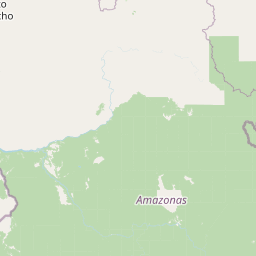
Map view of Yapacana National Park

Use this park location map to pinpoint Yapacana National Park in Venezuela, understand its exact geographic position, and read its mapped placement within the surrounding landscape more clearly.

Pigeon | © OpenStreetMap contributors

Location context for Yapacana National Park

Amazonas
Park atlas

Compare related protected landscapes and trace the geographical spread of parks within Venezuela's Amazonas region.

Explore Nearby National Parks and Protected Areas Surrounding Yapacana National Park
Browse other national parks and protected areas located in the surrounding Amazon basin and within Venezuela's Guayanese Shield region. This expanded geographic context allows for comparison of diverse tepui formations, unique botanical zones, and broader conservation landscapes near Yapacana National Park.
National parkVichada Department

El Tuparro National Natural Park: Mapped Protected Landscape in Colombia's Vichada Department

Explore the geography and savanna terrain of this Orinoco basin national park.

El Tuparro National Natural Park stands as a significant protected area in the Vichada Department, embodying the ecological richness of Colombia's Llanos Orientales. Its landscape comprises extensive tropical savannas, striking gallery forests along major rivers like the Orinoco, and dramatic rapids. This page provides an atlas-focused view of El Tuparro National Natural Park, detailing its geographic boundaries and its importance as a conservation corridor within the region, crucial for understanding South American protected lands.

Area
5,480 km²
Established
1970
IUCN
II
National parkAmazonas

Parima Tapirapecó National Park: Venezuela's Largest Protected Area within the Guayanan Highlands

Explore its vast geographic extent and critical Orinoco River basin landscape.

Parima Tapirapecó National Park is an expansive protected territory in Venezuela's Amazonas region, holding the title of the country's largest national park and ranking among the world's most significant protected lands. Its geography is defined by the ancient Guayanan Highlands, protecting the vital headwaters of the Orinoco River and a mosaic of tropical forests and savannas. This park offers deep insights into landscape preservation on a grand scale, crucial for understanding regional geography and protected area distribution.

Area
38,290 km²
Established
1991
IUCN
II
Scope
Terrestrial
National parkAmazonas

Serranía de la Neblina National Park: The World's Highest Tepui and Cloud Forest Protected Landscape

Explore its mist-shrouded peaks and deep canyons.

Serranía de la Neblina National Park is a paramount protected area in Venezuela's Amazonas state, famed for its highest tepui mountain. Established in 1978, this vast national park sprawls across 13,600 square kilometers of untamed Amazonian terrain. Its iconic Serranía de la Neblina is continuously wrapped in fog, presenting a unique landscape rich in endemic species and geological wonders like the Baría Grande Canyon. Discover its mapped geography and critical role in Guayanan Highlands conservation.

Area
13,600 km²
Established
1978
IUCN
II
National parkGuainía Department

Puinawai Natural Reserve National Park: Mapped Protected Landscape in Guainía Department

Explore exceptional Amazonian biodiversity and pristine natural terrain.

Puinawai Natural Reserve is a sprawling national park situated in the remote Guainía Department of Colombia. As one of the largest and most ecologically intact protected areas in the Amazon basin, it preserves a unique mosaic of humid tropical rainforest, tropical open savanna, and transitional zones. The park's immense size and isolation contribute to its remarkable state of preservation, offering a significant opportunity for atlas-driven discovery of its mapped boundaries, diverse ecosystems, and complex hydrological geography at the Amazon-Orinoco divide.

Area
10,925 km²
Established
1989
IUCN
II
National parkVenezuela

Caura National Park: Venezuela's Largest Protected Area in the Guianan Highlands

Mapped boundaries of an immense tropical rainforest basin.

Caura National Park represents Venezuela's most extensive protected territory, established in 2017 to encompass the vast Caura River basin. This national park preserves a critical tropical rainforest ecosystem within the Guianan Highlands, contributing significantly to the Orinoco River's watershed. Its creation is the result of long-standing conservation efforts aimed at protecting millions of hectares of biodiverse landscape, offering a unique opportunity for understanding the geographic scope and ecological importance of large-scale protected areas.

Area
75,340 km²
Established
2017
IUCN
II
Climate
Tropical
National parkVenezuela

Sierra Nevada National Park: Venezuela's Majestic Alpine Protected Landscape and Park Boundaries

Explore the highest peaks and glacial terrain of this Venezuelan national park.

Delve into Sierra Nevada National Park, a premier protected area situated in the high Venezuelan Andes. This national park protects a vast expanse of dramatic alpine terrain, including Pico Bolívar and numerous glacial valleys. Understand its mapped boundaries and the unique paramo and cloud forest ecosystems that define this significant natural landscape within Venezuela, offering rich context for atlas-style geographic discovery.

Area
2,764.46 km²
Established
1952
IUCN
II
National parkVenezuela

El Guache National Park: Venezuela's Protected Andean Foothill National Park

Map exploration of vital river basins and natural landscapes.

El Guache National Park is a protected national park in Venezuela, safeguarding the headwaters of five key rivers. Its landscape comprises mountainous terrain within the Andean foothills, crucial for watershed protection and regional biodiversity. This entry provides detailed geographic context, allowing for an atlas-style exploration of the park's mapped boundaries and its role as a vital protected area.

Area
122 km²
Established
1992
IUCN
II
National parkLara State

Yacambú National Park National Park: Protected Cloud Forest Landscape in Lara State

Mapped terrain and significant orchid diversity in Venezuela's Andean foothills.

Yacambú National Park is a significant national park in Venezuela's Lara State, protecting crucial humid cloud forest ecosystems in the Andean foothills. The park's terrain is defined by the mountainous topography of the Portuguesa Mountain Range, supporting a rich diversity of flora, including numerous orchid species. Its role in watershed protection for nearby regions underscores its importance as a conserved natural landscape with vital ecological functions.

Area
146 km²
Established
1962
IUCN
II

Common questions about visiting, size, designation, and location context for Yapacana National Park

Yapacana National Park FAQs for park facts, access, geography, and protected area context
Find quick answers about Yapacana National Park, including protected-area facts, park geography, trail and visitor context, and how the park fits into its surrounding country and regional landscape.
MoriAtlas Explorer

Continue Your Protected Areas Search Across the Global Atlas

Deepen your exploration by continuing the structured search for national parks and protected areas worldwide. Utilize the comprehensive filtering capabilities to compare different conservation landscapes and refine your understanding of global park geography. Discover more about the distribution and characteristics of protected natural areas.

Global natural geography