Why Yacambú National Park stands out
Yacambú National Park is best known for its humid cloud forest vegetation in the Andean foothills of Venezuela, a relatively rare ecosystem type in the country. The park protects significant populations of characteristic cloud forest tree species including bucare, araguaney, and oak. Its exceptional orchid diversity, representing a substantial portion of Venezuela's orchid species, makes it botanically significant. The park also serves as a critical watershed protection area linking water security for Barquisimeto, one of Venezuela's major cities, with conservation of Andean forest ecosystems.
Yacambú National Park history and protected-area timeline
Yacambú National Park was established on June 12, 1962, making it one of the earlier national parks created in Venezuela's modern protected area system. The park's creation was driven by the need to protect the Yacambú river basin, which provides water for the José María Ochoa Pilé reservoir project. This reservoir represents an ambitious infrastructure initiative intended to secure water supplies for Barquisimeto and support irrigation in the Quibor Valley's agricultural zones. The establishment reflected Venezuela's mid-20th century recognition of the need to conserve cloud forest watersheds in the Andean region, combining water resource protection with biodiversity conservation. The park was designated under IUCN Category II, reflecting its status as a national park with primary protection objectives focused on ecosystem conservation while allowing for sustainable use of certain natural resources.
Yacambú National Park landscape and geographic character
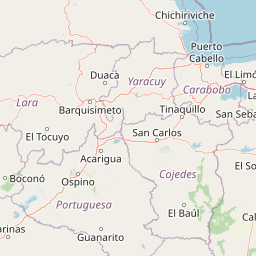
The terrain of Yacambú National Park is characterized by the mountainous topography of the Andean foothills in northern Venezuela. The landscape rises from lower elevations on the southern slopes of the Portuguesa Mountain Range, with the park encompassing areas of steep terrain typical of mountain forest environments. The Portuguese Mountain Range forms part of the larger Andean mountain system that extends along the northern edge of South America. The area receives significant moisture from Caribbean weather systems, creating the humid conditions that support cloud forest development. The park's elevation range allows for distinct vegetation zones, with dense forest cover dominating the higher slopes where moisture accumulation is greatest.
Yacambú National Park ecosystems, habitats, and plant life
The ecological character of Yacambú National Park is defined by its humid cloud forest ecosystems, which represent a distinctive habitat type within Venezuela's protected areas. The park's cloud forests are characterized by constant cloud immersion, epiphytic plant growth on tree branches, and a dense understory adapted to low light conditions. Dominant tree species include bucare, araguaney, and oak, which form the forest canopy in the park's higher elevations. The park's botanical significance is underscored by its remarkable orchid diversity, with approximately 60 species recorded, representing about 14 percent of all orchid species known in Venezuela. This orchid concentration reflects the cloud forest's unique combination of humidity, temperature, and elevation conditions that create ideal growing conditions for these specialized plants.
Yacambú National Park wildlife and species highlights
The wildlife community of Yacambú National Park includes several notable mammal species adapted to cloud forest environments. Mammals present in the park include the araguato (howler monkey), deer species including matacan and caramerudo, the cachicamo (armadillo), and the honey bear (kinkajou). The bird community features species such as the guacharaca, a characteristic bird of Andean forest environments. Reptiles including various Viperinae species are also found within the park. The cloud forest habitat provides resources for both arboreal and ground-dwelling species, with the forest structure offering diverse ecological niches for wildlife.
Yacambú National Park conservation status and protection priorities
Yacambú National Park serves important conservation functions as a protected area preserving cloud forest ecosystems in Venezuela's Andean region. The park protects approximately 14 percent of Venezuela's total orchid species within its boundaries, representing a significant concentration of botanical biodiversity. Beyond species protection, the park's establishment was tied directly to watershed conservation, linking forest protection with water security objectives for the Barquisimeto metropolitan area. The cloud forest ecosystems serve critical hydrological functions, capturing moisture from passing clouds and releasing it gradually into the watershed, sustaining water flow during dry periods. This dual function of biodiversity protection and watershed services makes the park significant for both ecological and human community needs.
Yacambú National Park cultural meaning and human context
The park is located in Lara State, a region with distinct cultural heritage in Venezuelan history and agriculture. The Quibor Valley, which receives water from the Yacambú watershed, has historically been an important agricultural area in the state. The connection between the park's protected watershed and regional agricultural development reflects the long-standing relationship between local communities and the mountainous environments that provide water and resources. The city of Barquisimeto, as the primary beneficiary of the reservoir project, represents the urban population dependent on the protected watershed.
Top sights and standout views in Yacambú National Park
Yacambú National Park stands out for its cloud forest protection in Venezuela's Andean region, representing one of the country's significant preserves of this ecosystem type. The park's exceptional orchid diversity, with species representing a substantial portion of Venezuela's orchid flora, makes it particularly notable for botanical conservation. The connection between watershed protection and urban water supply creates a clear link between conservation outcomes and human welfare in the Barquisimeto region. The park's location on the southern slopes of the Portuguesa Mountain Range places it in a biogeographically significant position for Andean biodiversity.