Mori Atlas logo
National parkSierra La Culata National Park

Explore the mapped boundaries and diverse páramo ecosystems of this Venezuelan Andes national park.

Sierra La Culata National Park: Venezuela's Premier National Park Atlas and Protected Landscape

(Parque Nacional Sierra de La Culata)

Sierra La Culata National Park stands as a significant protected area within the Venezuelan Andes, offering a unique window into high-altitude geography and diverse natural landscapes. This national park, covering extensive mountainous terrain, provides a vital atlas context for understanding the region's unique páramo ecosystems and their transition from cloud forests. Discover the park's mapped boundaries and the distinctive terrain that defines this critical conservation landscape in northern South America.

Andean mountainsPáramo ecosystemNational parkTropical alpine environmentSpectacled bear habitatCloud forest

Sierra La Culata National Park

National park

Park overview

Structured park overview, official facts, and landscape profile for Sierra La Culata National Park

Sierra La Culata National Park park facts, protected area profile, and essential visitor context
Review the core facts for Sierra La Culata National Park, including designation, size, terrain, visitor scale, habitats, and operating context in one park-focused overview.

About Sierra La Culata National Park

Sierra La Culata National Park encompasses a substantial portion of the northeastern Venezuelan Andes, protecting some of the most spectacular high-altitude terrain in the country. The park's establishment in 1989 reflected growing recognition of the ecological importance of Andean páramo ecosystems, which represent unique tropical alpine environments found only in the high mountains of northern South America. The protection of this area ensures the preservation of critical watershed functions, as the park's rivers and streams supply water to surrounding communities and agricultural lands in the Andes region. The park's strategic location across two states, Mérida and Trujillo, reflects its importance as a regional conservation landmark that connects various ecological zones and protects the headwaters of multiple river basins. Visitors to the park encounter landscapes of remarkable diversity, from forested slopes carpeted with cloud forest vegetation to the open, windswept expanses of paramo grassland where ancientfrailejones dominate the vegetation. The park's elevation gradient creates dramatic ecological transitions, supporting species adapted to each distinct habitat zone and making the area particularly valuable for scientific research and ecological monitoring.

Quick facts and research context for Sierra La Culata National Park

Sierra La Culata National Park occupies 200,400 hectares along the Andean mountain chain in western Venezuela, straddling the states of Mérida and Trujillo. The park features a high mountain climate with temperatures ranging from -2°C to 24°C, creating distinct ecological zones from valley floors to alpine paramo. The protected area was formally established as a national park in 1989 under IUCN Category II, recognizing its national significance for biodiversity conservation. The region is home to endemic páramo vegetation including numerous frailejones (Espeletia species), and supports populations of flagship species such as the spectacled bear and Andean condor.

Park context

Deeper park guide and search-rich context for Sierra La Culata National Park

Sierra La Culata National Park history, landscape, wildlife, and travel context
Explore Sierra La Culata National Park through its history, landscape character, ecosystems, wildlife, conservation priorities, cultural context, and seasonal travel timing in a structured park guide built for atlas discovery and search intent.

Why Sierra La Culata National Park stands out

Sierra La Culata is best known for its extensive páramo ecosystems, one of the few tropical alpine environments on Earth. The park protects critical habitat for the spectacled bear, South America's only bear species, and serves as an important corridor for the Andean condor. The dramatic landscapes of snow-capped peaks, glacial valleys, and paramo grasslands represent some of the most iconic scenery in the Venezuelan Andes. The park also contains significant populations of frailejones, the emblematic giant rosette plants that define the páramo ecosystem and serve as a symbol of Venezuelan mountain conservation.

Sierra La Culata National Park history and protected-area timeline

Sierra La Culata National Park was formally established on December 7, 1989, through a national decree that recognized the exceptional ecological and landscape values of this Andean region. The park's creation came during a period of increased environmental awareness in Venezuela during the late 1980s, when several protected areas were established to safeguard the country's most significant natural landscapes. The decision to protect this portion of the Venezuelan Andes reflected growing scientific understanding of the unique biodiversity found in páramo ecosystems and the critical importance of these high-altitude environments as water catchments for lower-lying regions. Prior to national park designation, the area had already attracted attention from botanists and naturalists studying the distinctive Andean flora, particularly the remarkable frailejones that dominate the paramo vegetation. The park's establishment also acknowledged the region's cultural significance, as local communities have maintained traditional land use practices in the surrounding areas for generations.

Sierra La Culata National Park landscape and geographic character

The landscape of Sierra La Culata National Park is defined by the dramatic topography of the Venezuelan Andes, featuring steep mountain ridges, deep river valleys, and high plateau regions that create a visually stunning environment. The park encompasses elevations that range from approximately 1,500 meters to over 4,000 meters above sea level, producing a dramatic vertical dimension to the landscape. Prominent peaks and ridgelines form the backdrop for numerous glacial lagoons scattered throughout the park, including the notable Laguna Las Iglesias and Laguna La Calzona. The paramo landscape features a characteristic patchwork of vegetation zones, with frailejones forming clusters on slopes and plateaus, while rocky outcrops and exposed boulder fields break the vegetation cover. Valley floors contain streams and rivers that have carved their way through the terrain over geological time, creating riparian corridors that provide additional habitat diversity. The park also includes snowy peaks during the cooler months, adding to the visual diversity of this high-altitude wilderness.

Sierra La Culata National Park ecosystems, habitats, and plant life

The ecological character of Sierra La Culata National Park centers on its páramo ecosystems, which represent one of the most distinctive high-altitude biomes in the world. The páramo zone occurs above the continuous forest line, where temperature conditions and moisture patterns create a unique environment supportingspecialized vegetation. The park's vegetation is characterized by the presence of numerous frailejones, which are giant rosette plants in the genus Espeletia that have evolved to thrive in the harsh paramo conditions. These remarkable plants can form dense stands across the landscape, creating one of the most recognizable images of tropical alpine environments. The park also supports diverse shrub communities including species in the ericaceae and melastomataceae families, while ferns, mosses, liverworts, and fungi carpet the moister areas, particularly in the forest transition zones. The Coloradito tree serves as a dominant species in certain forest zones within the park, providing structural habitat for numerous other organisms. Above the treeline, the paramo grassland supports a specialized community of grasses and herbaceous plants adapted to the cool, windy conditions.

Sierra La Culata National Park wildlife and species highlights

Sierra La Culata National Park supports a remarkable diversity of wildlife, with particular significance attached to several flagship species that characterize the Andean fauna. The park provides crucial habitat for the spectacled bear, the only bear species in South America and a species increasingly threatened throughout its range. These bears move through the park's various elevation zones, feeding on vegetation and fruit in the forest and paramo areas. The Andean condor, one of the largest flying birds in the Americas, soars on thermal currents above the mountain ridges, using the park as part of its expansive home range. The jaguar, though elusive and rarely encountered, roams the forest zones and represents the park's apex predator. Additional mammals include armadillos and other smaller species that occupy various habitat niches throughout the protected area. The park supports significant amphibian diversity, including the nurse frog (sapito niñera), which breeds in the moist environments of the paramo and forest edges. At least one endemic species of brachythermal butterfly has been recorded within the park, highlighting the area's significance for invertebrate conservation.

Sierra La Culata National Park conservation status and protection priorities

Sierra La Culata National Park plays a critical role in the conservation of Venezuela's high-altitude ecosystems and the biodiversity they support. The park's protection of extensive páramo habitat is particularly significant, as this ecosystem type is limited in extent globally and faces numerous pressures from climate change and human activity. The páramo functions as a critical watershed, capturing moisture from clouds and releasing it slowly through streams and rivers that supply water to downstream communities and agricultural areas across the Andean region. Protecting this ecosystem helps ensure continued water availability for human communities while maintaining the ecological processes that sustain wildlife populations. The park's designation as IUCN Category II reflects its primary objective of protecting natural ecosystems while allowing for sustainable visitation and environmental education. Conservation challenges in the park include managing the impact of grazing activities, addressing climate change effects on paramo vegetation, and maintaining connectivity for wide-ranging species like the spectacled bear and jaguar.

Sierra La Culata National Park cultural meaning and human context

The Sierra La Culata region has been inhabited by human communities for generations, with traditional land use practices shaping the cultural landscape surrounding the protected area. Local communities in the Andean region maintain agricultural practices adapted to the mountain environment, including cultivation of crops suited to the cool climate and livestock raising in highland pastures. The traditional use of the landscape by local people predates the establishment of the national park, and ongoing community relationships with the land continue to influence the region's cultural character. The park's name reflects the Spanish designation for this mountainous area, with 'Sierra de La Culata' referring to the distinctive mountain chain protected within the park boundaries. While the park itself is protected from most extractive activities, the surrounding lands support communities whose cultural practices and livelihoods are intertwined with the broader Andean landscape.

Top sights and standout views in Sierra La Culata National Park

Sierra La Culata National Park offers exceptional opportunities to experience one of the world's most distinctive tropical alpine environments. The park's extensive páramo landscapes, with their striking frailejones and sweeping views of mountain peaks, represent the heart of the Venezuelan Andes experience. The opportunity to observe spectacled bears and Andean condors in their natural high-altitude habitat draws wildlife enthusiasts and researchers to the park. Glacial lagoons such as Laguna Las Iglesias and Laguna La Calzona provide stunning focal points for exploration, while the network of valleys including El Muerto, Mifafí, and Las Cascadas offer diverse hiking opportunities through varied terrain. The park's elevation gradient allows visitors to experience dramatic ecological transitions, from cloud forest to paramo, within a relatively short vertical distance.

Best time to visit Sierra La Culata National Park

The best time to visit Sierra La Culata National Park depends on the experience sought, with the dry season typically offering more stable conditions for exploration. The high-altitude climate means that temperatures remain cool throughout the year, with warm days possible at lower elevations and cold conditions prevailing on exposed ridges and peaks. The period from December through April generally offers drier conditions, though the park can be visited year-round. Visitors should be prepared for rapid weather changes, as mountain conditions can shift quickly with fog, rain, and sunshine all possible within hours. The paramo vegetation is particularly striking during the dry season when clearer skies provide better visibility for photography and landscape appreciation. Wildlife viewing may be more productive during the dry season when animals tend to concentrate near water sources, though the wet season brings its own rewards in the form of waterfalls and lush vegetation.

Park location guide

Geography guide, regional context, and park location map for Sierra La Culata National Park

Sierra La Culata National Park park geography, regions, and map view in Venezuela
Understand where Sierra La Culata National Park sits in Venezuela through a broader geographic reading of the surrounding landscape, nearby location context, and its mapped position within the national park landscape.

How Sierra La Culata National Park fits into Venezuela

Venezuela is a country in northern South America with coastline along the Caribbean Sea and Atlantic Ocean. It borders Colombia, Brazil, Guyana, and Trinidad and Tobago. The country has an area of approximately 916,445 km² and a population of about 31.8 million. Caracas is the capital and largest city. Venezuela consists of 23 states and the Capital District.

Wider geography shaping Sierra La Culata National Park in Venezuela

Venezuela is located on the northern coast of South America. The continental territory is bordered by the Caribbean Sea and Atlantic Ocean to the north, Colombia to the west, Brazil to the south, and Guyana to the east. Trinidad and Tobago lies to the northeast. The country includes various islands and islets in the Caribbean Sea known as the Federal Dependencies.

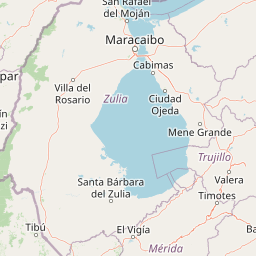
Map view of Sierra La Culata National Park

Use this park location map to pinpoint Sierra La Culata National Park in Venezuela, understand its exact geographic position, and read its mapped placement within the surrounding landscape more clearly.

Pigeon | © OpenStreetMap contributors

Location context for Sierra La Culata National Park

MéridaTrujillo
Park atlas

Browse the Mapped Geography and Connected Protected Landscapes of the Venezuelan Andes

Discover Related National Parks and Protected Areas Near Sierra La Culata National Park
Continue your exploration from Sierra La Culata National Park to discover other protected areas and national parks across the dramatic Venezuelan Andes region. Compare varied páramo ecosystems, high-altitude wilderness, and Andean mountain landscapes, gaining deeper geographic context and understanding of regional conservation efforts.
National parkVenezuela

Sierra Nevada National Park: Venezuela's Majestic Alpine Protected Landscape and Park Boundaries

Explore the highest peaks and glacial terrain of this Venezuelan national park.

Delve into Sierra Nevada National Park, a premier protected area situated in the high Venezuelan Andes. This national park protects a vast expanse of dramatic alpine terrain, including Pico Bolívar and numerous glacial valleys. Understand its mapped boundaries and the unique paramo and cloud forest ecosystems that define this significant natural landscape within Venezuela, offering rich context for atlas-style geographic discovery.

Area
2,764.46 km²
Established
1952
IUCN
II
National parkVenezuela

Dinira National Park: Protected Watershed and Andean Mountain Landscape

Explore its rugged terrain and páramo ecosystem.

Dinira National Park is a significant protected area in Venezuela, covering rugged Andean terrain vital for watershed protection. This national park features dramatic mountain landscapes, including the Humocaro Mountains and the Los Nepes páramo zone, supporting diverse cloud forest and high-altitude ecosystems. Understanding Dinira National Park offers insight into the geographic context of the Cordillera de Mérida and its hydrological importance.

Area
453.28 km²
Established
1988
IUCN
II
National parkLara State

Yacambú National Park National Park: Protected Cloud Forest Landscape in Lara State

Mapped terrain and significant orchid diversity in Venezuela's Andean foothills.

Yacambú National Park is a significant national park in Venezuela's Lara State, protecting crucial humid cloud forest ecosystems in the Andean foothills. The park's terrain is defined by the mountainous topography of the Portuguesa Mountain Range, supporting a rich diversity of flora, including numerous orchid species. Its role in watershed protection for nearby regions underscores its importance as a conserved natural landscape with vital ecological functions.

Area
146 km²
Established
1962
IUCN
II
National parkVenezuela

El Guache National Park: Venezuela's Protected Andean Foothill National Park

Map exploration of vital river basins and natural landscapes.

El Guache National Park is a protected national park in Venezuela, safeguarding the headwaters of five key rivers. Its landscape comprises mountainous terrain within the Andean foothills, crucial for watershed protection and regional biodiversity. This entry provides detailed geographic context, allowing for an atlas-style exploration of the park's mapped boundaries and its role as a vital protected area.

Area
122 km²
Established
1992
IUCN
II
Natural monumentColombia

Los Estoraques Unique Natural Area: Colombian Natural Monument of Eroded Pillars

Geographic Context and Landscape Atlas

Los Estoraques Unique Natural Area stands as a distinctive protected landscape within Colombia's Norte de Santander Department. This natural monument is renowned for its striking geological formations of eroded brownstone columns and pedestals, a unique erosional terrain set within the Andean foothills. The area's mapped boundaries encompass a complex ecosystem, bridging dry forest and cloud forest zones, offering significant value for understanding regional geography and the distribution of protected lands in South America.

Area
562 km²
Established
1988
IUCN
III
National parkFalcón State

Médanos de Coro National Park: Venezuela's Unique Arid Landscape and Protected Dune System

Explore the mapped geography of this coastal desert in Falcón State.

Médanos de Coro National Park represents a remarkable protected area within Venezuela's Falcón State, renowned for its spectacular and active sand dune systems. This national park encompasses approximately 91 square kilometers of unique terrain, including large sand formations, salt marshes, and mangrove swamps, contributing to its designation as a key conservation site for arid coastal ecosystems. Users can explore the park's distinctive landscape, understand its geographic context, and discover the patterns of wind-sculpted dunes that define this Venezuelan national park.

Area
91 km²
Established
1974
IUCN
II
National parkVenezuela

Morrocoy National Park: Venezuela's Coastal National Park with Distinct Protected Geography

Explore the mapped protected landscape and regional context.

Morrocoy National Park stands as a key protected area within Venezuela, offering a distinct focus for geographic exploration. As a national park, its mapped boundaries delineate a significant natural landscape critical for understanding regional conservation and the country's broader atlas of protected lands. Discover the unique geographic characteristics and the atlas-driven context of this important Venezuelan protected area.

Area
320.9 km²
Established
1974
IUCN
II
National parkCarabobo

San Esteban National Park: Discover Carabobo's Protected Caribbean Forest Landscape

Mapped protected area and natural terrain in Venezuela.

San Esteban National Park represents a significant protected area within Venezuela's Carabobo region, offering a unique exploration of Caribbean forest ecosystems and historical cultural sites. Covering approximately 445 square kilometers, the park's terrain spans coastal areas to mountainous interiors, presenting a diverse natural landscape shaped by its position in the coastal mountain ranges. This national park is notable for its archaeological petroglyphs, colonial roads, and fortifications, providing a rich cultural heritage context alongside its natural ecosystems. Its status as a protected national park makes it a key destination for understanding the intersection of natural conservation and historical geography in Venezuela.

Area
445 km²
Established
1987
IUCN
II

Common questions about visiting, size, designation, and location context for Sierra La Culata National Park

Sierra La Culata National Park FAQs for park facts, access, geography, and protected area context
Find quick answers about Sierra La Culata National Park, including protected-area facts, park geography, trail and visitor context, and how the park fits into its surrounding country and regional landscape.
MoriAtlas Explorer

Continue Your Protected Areas Search Across the Global Atlas

Deepen your exploration by continuing the structured search for national parks and protected areas worldwide. Utilize the comprehensive filtering capabilities to compare different conservation landscapes and refine your understanding of global park geography. Discover more about the distribution and characteristics of protected natural areas.

Global natural geography