
Mori Atlas logo
National parkMédanos de Coro National Park

Discover the mapped geography and dynamic sand dune formations of this coastal desert in Falcón State.

Médanos de Coro National Park: Venezuela's Iconic Sand Dunes and Arid Protected Landscape

(Parque Nacional Los Médanos de Coro)

Médanos de Coro National Park in Venezuela's Falcón State protects a rare and striking desert landscape characterized by immense sand dunes, known as médanos. This national park offers a unique atlas-style exploration of an arid environment where relentless coastal winds continuously sculpt and transform the terrain, creating dynamic patterns across its 91 square kilometers of sand, salt marshes, and mangrove ecosystems. Understand the park's geography, its role as a protected area, and its distinctive place within South America's xeric scrub ecoregions.

Desert DunesCoastal WetlandsXeric ScrubImportant Bird AreaCaribbean CoastSand Dunes

Médanos de Coro National Park

National park

Park overview

Structured park overview, official facts, and landscape profile for Médanos de Coro National Park

Médanos de Coro National Park park facts, protected area profile, and essential visitor context
Review the core facts for Médanos de Coro National Park, including designation, size, terrain, visitor scale, habitats, and operating context in one park-focused overview.

About Médanos de Coro National Park

Médanos de Coro National Park stands as a distinctive protected area in Venezuela's park system, preserving an exceptional combination of desert dunes, coastal marshes, and xeric scrubland on the country's northwestern Caribbean coast. The park occupies theMédanos Isthmus, a narrow land bridge that connects the Paraguana Peninsula to the mainland and creates a natural corridor between the sea and the interior arid zones. The landscape is dominated by the médanos, massive sand dunes that represent one of Venezuela's most impressive aeolian formations. These dunes can reach heights of 40 meters and stretch across approximately 150 square kilometers of the park and surrounding area, creating an almost Saharan appearance unusual in South America. The park's three distinct zones reflect different geological and ecological processes. The alluvial plain near the Mitare River delta provides freshwater influence and sediment deposition. The aeolian plain contains three distinct dune types shaped by wind patterns and vegetation interaction. The littoral plain features a belt of mangrove swamps along the coast and salt marsh environments that support specialized brackish-water communities. Despite the harsh desert conditions with rare rainfall, the park experienced a remarkable hydrological event in December 1999 during the devastating Vargas tragedy that affected much of coastal Venezuela. Unprecedented heavy rains created four temporary lagoons within the dune system, a phenomenon park guards had never previously observed.

Quick facts and research context for Médanos de Coro National Park

Located in Falcón State near the city of Santa Ana de Coro, the park occupies a strategic position on the narrow Médanos Isthmus between the Caribbean coast and the Paraguana Peninsula. The protected area comprises three distinct ecological zones: an alluvial plain formed by the delta of the Mitare River, an aeolian plain featuring the iconic sand dune system, and a littoral zone characterized by mangrove swamps and salt marshes. Despite the extreme aridity, the park holds significant biodiversity value as an Important Bird Area, supporting approximately 21 bird species including the Yellow-shouldered Amazon. The park is administered by INPARQUES, Venezuela's national parks institute, and is easily accessible from Coro by bus or taxi.

Park context

Deeper park guide and search-rich context for Médanos de Coro National Park

Médanos de Coro National Park history, landscape, wildlife, and travel context
Explore Médanos de Coro National Park through its history, landscape character, ecosystems, wildlife, conservation priorities, cultural context, and seasonal travel timing in a structured park guide built for atlas discovery and search intent.

Why Médanos de Coro National Park stands out

Médanos de Coro is renowned for its spectacular sand dune landscape, one of the most extensive dune systems in Venezuela. The médanos represent an active aeolian environment where wind constantly sculpts and transforms the dunes, creating shifting patterns across the desert terrain. The park also protects a unique combination of desert, coastal, and wetland habitats within a relatively compact area, making it an important conservation site for birdlife and a striking example of coastal desert ecology in the Caribbean region.

Médanos de Coro National Park history and protected-area timeline

Médanos de Coro National Park was established on February 6, 1974, creating formal protected status for the unique desert and coastal landscape of the Médanos Isthmus. The establishment reflected growing recognition in Venezuela during the 1970s of the need to preserve distinctive natural environments beyond the more commonly protected mountain and rainforest systems. The park was created to protect the médanos dune formations, the surrounding xeric scrub habitat, and the coastal wetland areas as an integrated desert-coastal ecosystem. Administration was assigned to INPARQUES, the National Parks Institute, which manages Venezuela's protected area system. The park's accessibility from Coro has made it a destination for visitors interested in experiencing Venezuela's less-known desert landscapes, with visitors historically able to explore the dunes on camelback, as camels were introduced to the area many years ago and have become an unusual feature of the park experience.

Médanos de Coro National Park landscape and geographic character

The physical landscape of Médanos de Coro National Park is defined by the interaction of wind, water, and coastal processes in an arid environment. The park's core feature is its extensive sand dune system, the médanos, which form an almost continuous band of wind-shaped sand across the isthmus. These dunes can reach 40 meters in height and cover an area roughly 5 kilometers wide by 30 kilometers long. Unlike static desert dunes in other regions, the médanos are actively transformed by persistent coastal winds, constantly shifting their form and position. The landscape is punctuated by the Mitare River delta, which creates an alluvial plain with different sediment characteristics and some freshwater influence. Along the Caribbean coastline, a littoral plain features mangrove swamps that fringe the shore and transition into inland salt marsh environments. The combination of golden sand dunes, dark mangrove forests, and pale salt flats creates a visually striking landscape that contrasts sharply with the tropical expectations many visitors have of Venezuela.

Médanos de Coro National Park ecosystems, habitats, and plant life

The park protects a portion of the Paraguana xeric scrub ecoregion, one of the most arid regions in northern South America. This ecoregion is characterized by sparse vegetation adapted to extreme drought, high temperatures, and nutrient-poor soils. Within the park, the three distinct habitat zones support different ecological communities. The aeolian dune areas support the sparsest vegetation, with scattered thorny shrubs and drought-resistant plants that can survive in the shifting sand. The alluvial plain near the Mitare River provides slightly more favorable conditions for vegetation where freshwater influence occurs. The littoral zone with its mangroves and salt marshes represents the most productive habitat, supporting specialized plants adapted to brackish water and periodic flooding. The overall biodiversity of the park is constrained by the harsh environmental conditions, but the coastal wetlands provide important ecological functions and the park's designation as an Important Bird Area recognizes its significance for avian conservation.

Médanos de Coro National Park wildlife and species highlights

The wildlife of Médanos de Coro reflects the challenging desert and coastal environment. Birdlife is the most diverse group, with the park recognized as an Important Bird Area supporting approximately 21 species. The Yellow-shouldered Amazon is among the notable bird species found here, a parrot species of conservation concern in northern South America. The coastal wetlands attract waterbirds and shorebirds that utilize the mangrove swamps and salt marshes for feeding and nesting. Mammal fauna is limited by the harsh conditions but includes small species adapted to arid environments such as rabbits and foxes. Reptiles, particularly lizards, are the most commonly observed vertebrates in the dunes, well-adapted to the hot sandy environment and able to tolerate the extreme temperature fluctuations. Anteaters also persist in the area, feeding on the insects that can be found in the more vegetated zones. The overall impression is of a sparse but resilient fauna adapted to survive in conditions that would exclude many species.

Médanos de Coro National Park conservation status and protection priorities

Médanos de Coro National Park represents an important conservation priority in Venezuela's protected area system, preserving an underrepresented habitat type in the country's parks network. The park's designation as an Important Bird Area highlights its international significance for bird conservation, particularly for species associated with arid and coastal environments. The protected status helps preserve the dune system from development pressures and ensures the coastal wetlands remain functional as wildlife habitat. The xeric scrub ecode region that the park protects is a globally limited habitat type, and protecting representative samples within national park boundaries helps ensure the long-term survival of the specialized species and ecological processes found here. The park also serves as a living laboratory for studying aeolian processes and desert ecosystem dynamics in a tropical coastal setting.

Médanos de Coro National Park cultural meaning and human context

The Médanos Isthmus has long served as a passage between the Paraguana Peninsula and the mainland, giving the area historical significance for local communities. The park lies near Santa Ana de Coro, one of Venezuela's oldest colonial cities and now the capital of Falcón State. The dune landscape has influenced local culture and land use practices, with the introduction of camels to the area many years ago creating an unusual cultural feature that persists today as visitors can ride camels among the dunes. This camel-riding tradition, while not an indigenous practice, has become associated with the park experience and represents a unique adaptation to the desert environment. The name médanos itself reflects the Spanish colonial encounter with these Saharan-like dunes, using a term that evokes the North African desert landscapes familiar to Spanish explorers and settlers.

Top sights and standout views in Médanos de Coro National Park

The park's defining highlight is its extraordinary sand dune landscape, one of the most impressive dune systems in Venezuela and an unusual feature in South American protected areas. The médanos reach heights of 40 meters and create an almost surreal desert environment that contrasts sharply with the tropical imagery typically associated with Venezuela. The combination of dunes, mangroves, and salt marshes within a single protected area creates remarkable visual diversity, from golden sand to dark forest to pale tidal flats. The park's accessibility from Coro makes it one of Venezuela's more easily visited desert landscapes, offering a distinctive experience for travelers seeking to explore environments beyond the country's famous rainforests and mountains. The presence of camels for visitor exploration adds an unusual and memorable element to the park experience.

Best time to visit Médanos de Coro National Park

The park can be visited throughout the year, though the dry desert conditions mean that seasonal variations in temperature and rainfall are less pronounced than in tropical environments. The period from December through April typically offers the most stable weather conditions with lower humidity and less chance of the rare rainfall events that occasionally occur. Visitors should be prepared for intense sun and high temperatures regardless of when they visit, as the desert environment offers little shade. The heavy rainfall events that created the temporary lagoons in 1999 are exceptional and not predictable, so visitors should not expect to see such phenomena under normal conditions. Early morning visits may offer more comfortable temperatures for exploring the dunes, while the afternoon light creates dramatic shadows across the dune formations.

Park location guide

Geography guide, regional context, and park location map for Médanos de Coro National Park

Médanos de Coro National Park park geography, regions, and map view in Venezuela
Understand where Médanos de Coro National Park sits in Venezuela through a broader geographic reading of the surrounding landscape, nearby location context, and its mapped position within the national park landscape.

How Médanos de Coro National Park fits into Venezuela

Venezuela is a country in northern South America with coastline along the Caribbean Sea and Atlantic Ocean. It borders Colombia, Brazil, Guyana, and Trinidad and Tobago. The country has an area of approximately 916,445 km² and a population of about 31.8 million. Caracas is the capital and largest city. Venezuela consists of 23 states and the Capital District.

Wider geography shaping Médanos de Coro National Park in Venezuela

Venezuela is located on the northern coast of South America. The continental territory is bordered by the Caribbean Sea and Atlantic Ocean to the north, Colombia to the west, Brazil to the south, and Guyana to the east. Trinidad and Tobago lies to the northeast. The country includes various islands and islets in the Caribbean Sea known as the Federal Dependencies.

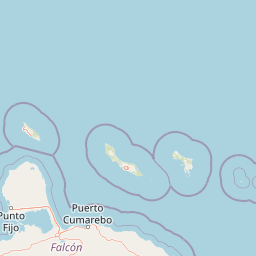
Map view of Médanos de Coro National Park

Use this park location map to pinpoint Médanos de Coro National Park in Venezuela, understand its exact geographic position, and read its mapped placement within the surrounding landscape more clearly.

Pigeon | © OpenStreetMap contributors

Location context for Médanos de Coro National Park

Falcón State
Park atlas

Explore the regional context of protected areas, comparing landscapes surrounding Médanos de Coro National Park.

Continue Your Discovery: Other National Parks Near Médanos de Coro National Park
Beyond Médanos de Coro National Park, browse a selection of nearby national parks and protected areas, mapping diverse desert dunes, coastal wetlands, and xeric scrub ecoregions in northwestern Venezuela. Comparing these protected landscapes offers valuable geographic context on regional conservation efforts, deepening atlas-style understanding of South American natural terrain.
National parkCuracao

Christoffelpark National Park: Curacao's Volcanic Terrain and Protected Landscape Atlas

Explore mapped boundaries and unique dry forest ecosystems.

Christoffelpark represents Curacao's most vital protected natural area, offering a deep dive into its unique geography and landscape. This national park preserves the island's highest peak, Christoffelberg, alongside distinctive dry forest ecosystems, endemic species, and the remnants of colonial plantations. Explore the mapped terrain, understand the regional context, and appreciate the rich natural and cultural heritage that defines this important protected landscape on Curacao.

Area
10.4 km²
Established
1978
IUCN
II
Relief
Mixed relief
National parkVenezuela

Morrocoy National Park: Venezuela's Coastal National Park with Distinct Protected Geography

Explore the mapped protected landscape and regional context.

Morrocoy National Park stands as a key protected area within Venezuela, offering a distinct focus for geographic exploration. As a national park, its mapped boundaries delineate a significant natural landscape critical for understanding regional conservation and the country's broader atlas of protected lands. Discover the unique geographic characteristics and the atlas-driven context of this important Venezuelan protected area.

Area
320.9 km²
Established
1974
IUCN
II
National parkLara State

Yacambú National Park National Park: Protected Cloud Forest Landscape in Lara State

Mapped terrain and significant orchid diversity in Venezuela's Andean foothills.

Yacambú National Park is a significant national park in Venezuela's Lara State, protecting crucial humid cloud forest ecosystems in the Andean foothills. The park's terrain is defined by the mountainous topography of the Portuguesa Mountain Range, supporting a rich diversity of flora, including numerous orchid species. Its role in watershed protection for nearby regions underscores its importance as a conserved natural landscape with vital ecological functions.

Area
146 km²
Established
1962
IUCN
II
National parkVenezuela

El Guache National Park: Venezuela's Protected Andean Foothill National Park

Map exploration of vital river basins and natural landscapes.

El Guache National Park is a protected national park in Venezuela, safeguarding the headwaters of five key rivers. Its landscape comprises mountainous terrain within the Andean foothills, crucial for watershed protection and regional biodiversity. This entry provides detailed geographic context, allowing for an atlas-style exploration of the park's mapped boundaries and its role as a vital protected area.

Area
122 km²
Established
1992
IUCN
II
National parkCarabobo

San Esteban National Park: Discover Carabobo's Protected Caribbean Forest Landscape

Mapped protected area and natural terrain in Venezuela.

San Esteban National Park represents a significant protected area within Venezuela's Carabobo region, offering a unique exploration of Caribbean forest ecosystems and historical cultural sites. Covering approximately 445 square kilometers, the park's terrain spans coastal areas to mountainous interiors, presenting a diverse natural landscape shaped by its position in the coastal mountain ranges. This national park is notable for its archaeological petroglyphs, colonial roads, and fortifications, providing a rich cultural heritage context alongside its natural ecosystems. Its status as a protected national park makes it a key destination for understanding the intersection of natural conservation and historical geography in Venezuela.

Area
445 km²
Established
1987
IUCN
II
National parkVenezuela

Dinira National Park: Protected Watershed and Andean Mountain Landscape

Explore its rugged terrain and páramo ecosystem.

Dinira National Park is a significant protected area in Venezuela, covering rugged Andean terrain vital for watershed protection. This national park features dramatic mountain landscapes, including the Humocaro Mountains and the Los Nepes páramo zone, supporting diverse cloud forest and high-altitude ecosystems. Understanding Dinira National Park offers insight into the geographic context of the Cordillera de Mérida and its hydrological importance.

Area
453.28 km²
Established
1988
IUCN
II
National parkVenezuela

Henri Pittier National Park: Venezuela's Oldest National Park, Coastal Range Geography

Explore protected landscapes, cloud forests, and birdwatching geography.

Henri Pittier National Park is Venezuela's foundational protected area, established in 1937 and spanning over 107,800 hectares within the Venezuelan Coastal Range. This national park is renowned for its exceptional biodiversity, particularly its over 500 bird species and its distinctive cloud forest ecosystems, which include the iconic Gyranthera caribensis tree. The park's geography extends from rugged mountain terrain to coastal bays and beaches, with the Paso de Portachuelo serving as a significant migratory bird corridor. Its mapped boundaries enclose a rich mosaic of natural landscapes vital for understanding regional conservation and protected area geography in northern South America.

Area
1,078 km²
Established
1937
IUCN
II
Relief
Mountain
National parkVenezuela

El Ávila National Park: Venezuela's Premier Coastal Mountain National Park Exploration

Discover diverse terrain, mapped boundaries, and unique geographic context.

El Ávila National Park offers an exceptional gateway into Venezuela's mountainous protected landscapes. This national park features a dramatic rise from the Caribbean coast into varied terrain, including unique cloud forest and alpine zones. Its mapped geography showcases steep slopes, deep ravines, and remarkable elevation changes, providing a significant atlas-style study of coastal mountain environments. Exploring El Ávila National Park reveals a vital natural barrier and a rich ecosystem supporting diverse flora and fauna, making it a key destination for understanding regional protected areas.

Area
819 km²
Established
1958
IUCN
II

Common questions about visiting, size, designation, and location context for Médanos de Coro National Park

Médanos de Coro National Park FAQs for park facts, access, geography, and protected area context
Find quick answers about Médanos de Coro National Park, including protected-area facts, park geography, trail and visitor context, and how the park fits into its surrounding country and regional landscape.
MoriAtlas Explorer

Continue Your Protected Areas Search Across the Global Atlas

Deepen your exploration by continuing the structured search for national parks and protected areas worldwide. Utilize the comprehensive filtering capabilities to compare different conservation landscapes and refine your understanding of global park geography. Discover more about the distribution and characteristics of protected natural areas.

Global natural geography