Why El Ávila National Park stands out
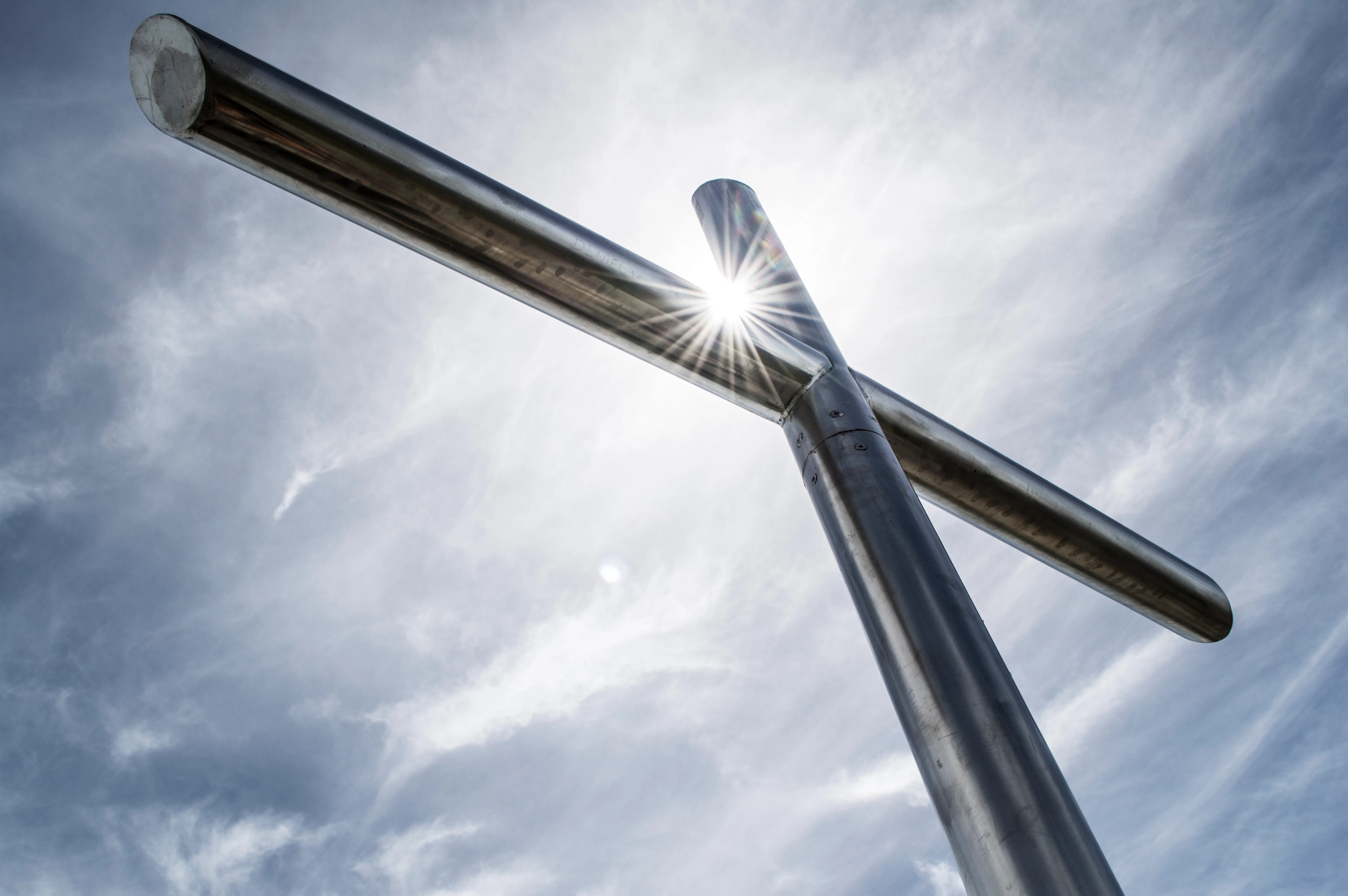
El Ávila is best known for its extraordinary ecological diversity condensed into a compact mountain landscape that rises directly behind Caracas. The park harbors approximately 500 bird species, representing 36 percent of Venezuela's avifauna, along with over 120 mammal species and more than 1,800 plant species. Its vegetation zones transition dramatically from xeric scrub at lower elevations through cloud forests to sub-páramo alpine vegetation near the summit. The mountain serves as a natural divider between the coastal climate and the valley climate of Caracas, creating distinct ecological niches. The park's famous cable car, the longest in the world, provides access to the unique Hotel Humboldt, while the mountain's landmark Cruz de Navidad cross illuminates nightly on the slopes visible across the city.
El Ávila National Park history and protected-area timeline
El Ávila National Park was formally established on December 12, 1958, though interest in protecting this mountain range dates to the 19th century when early conservationists recognized the ecological and watershed value of the forested slopes surrounding Caracas. The creation of the park provided legal protection for the mountains that form the northern boundary of the capital, ensuring these forests would remain as a buffer against urban expansion and pollution. Prior to designation, the mountain had already seen significant development, including the construction of Hotel Humboldt and the cable car system, both completed in 1956. The cable car, once the longest in the world, offered visitors access to the highland environment at elevations exceeding 2,100 meters. After being decommissioned for two decades, the cable car reopened in February 2002, restoring this iconic access route. The park's history reflects ongoing tensions between development pressure from the adjacent metropolitan area and the need to preserve ecological integrity.
El Ávila National Park landscape and geographic character
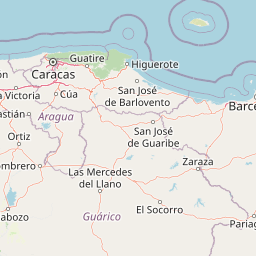
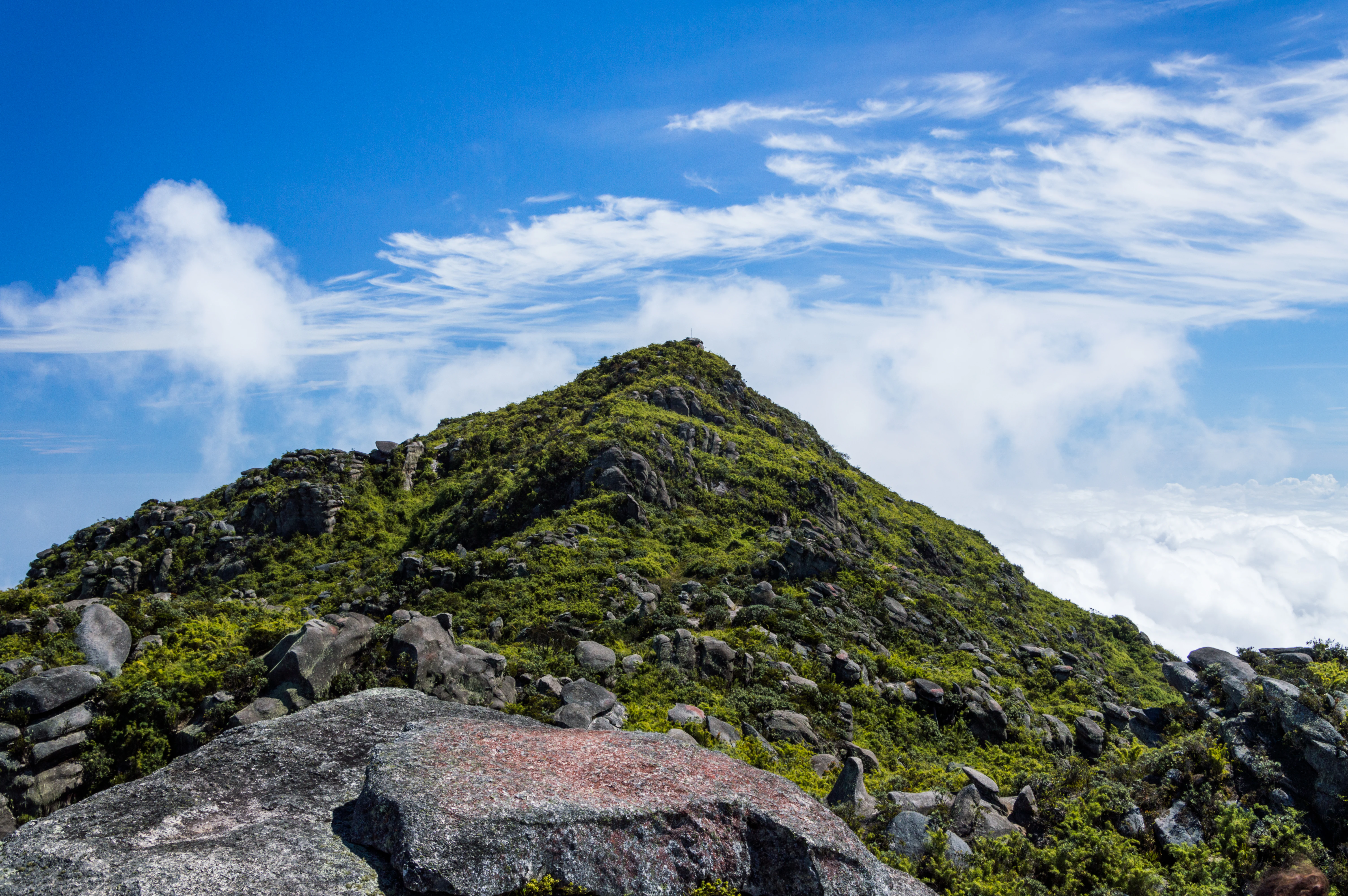
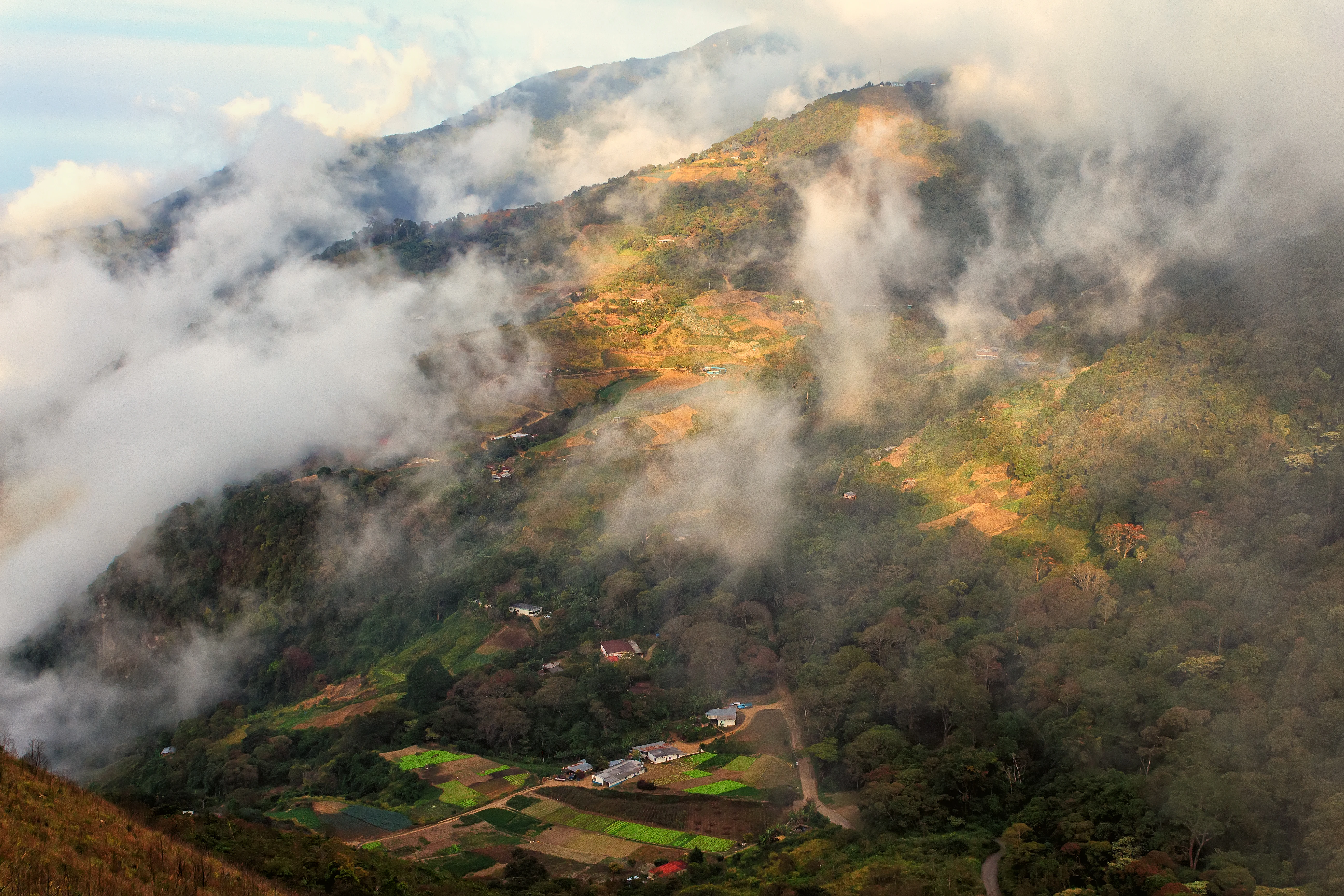
El Ávila National Park occupies a spectacular position along the central Venezuelan coast, where the Cordillera de la Costa rises dramatically from the Caribbean shoreline to form a imposing barrier between the sea and the Caracas valley. The mountain range stretches approximately 80 kilometers in length and reaches widths of about 16 kilometers within the park boundaries. Cerro El Ávila, the peak that gives the park its common name, rises to 2,740 meters above sea level, while the highest point in the protected area, Pico Naiguatá, reaches 2,765 meters. The northern slopes face the trade winds coming off the Caribbean, creating wetter conditions, while the southern slopes within the Caracas valley experience a different microclimate. Numerous watercourses flow down both sides of the mountain, carving deep ravines and supporting riparian forests. The terrain varies from steep cliffs and rock faces to more gentle slopes covered in forest, with elevation changes occurring over remarkably short horizontal distances given the mountain's abrupt rise from the coastal plain.
El Ávila National Park ecosystems, habitats, and plant life
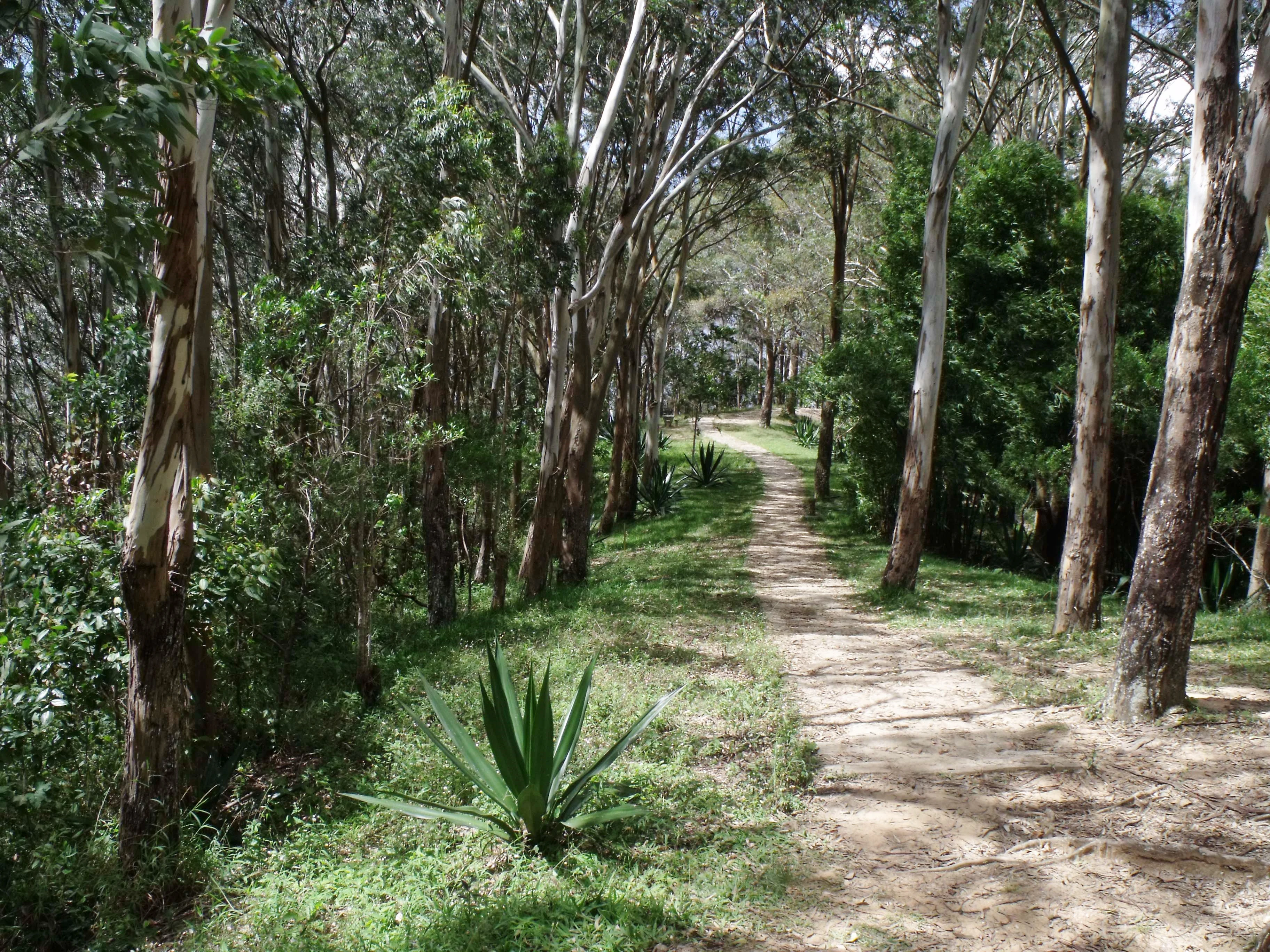
The ecological richness of El Ávila National Park stems from its position at the intersection of multiple biogeographic zones and its dramatic elevation gradient. The vegetation follows a clear zonation pattern based on altitude: xeric forest dominates from sea level to approximately 200-300 meters; semi-deciduous forests occupy the 300-800 meter band; sub-mountain evergreen forests prevail from 800-1,500 meters on northern slopes and 1,200-1,600 meters on southern slopes; cloud forest dominates from 1,500-2,200 meters where constant moisture from trapped clouds supports lush epiphyte growth; and sub-páramo vegetation appears above 2,200 meters. The park supports over 1,800 plant species, including numerous endemics to the Cordillera de la Costa and some species found nowhere else on Earth. Particularly notable is the critically endangered Venezuelan walnut tree, the only remaining natural population of this species. Orchids, ferns, bromeliads, and aroids thrive in the cloud forest zone, while the upper reaches feature characteristic páramo-type shrubs and herbaceous plants adapted to high-altitude conditions.
El Ávila National Park wildlife and species highlights
El Ávila National Park supports remarkable biodiversity, with approximately 120 mammal species, 500 bird species, 30 reptiles, 20 amphibians, and over 100 butterfly species documented within its boundaries. The bird diversity is particularly significant, representing 36 percent of Venezuela's total avifauna, including nine species endemic to Venezuela and three that are considered threatened. The colorful querrequerre stands out as one of the park's most striking avian residents. Mammal species include various primates, anteaters, and porcupines, though sighting opportunities depend on time of day and season. The diverse insect life, particularly butterflies, contributes to the park's ecological dynamics as important pollinators and as part of the food web supporting larger animals. The combination of forest types and elevation gradients creates diverse habitats that support this remarkable concentration of species within an area that remains accessible to a major metropolitan population.

El Ávila National Park conservation status and protection priorities
El Ávila National Park faces significant conservation challenges despite its protected status. The park is classified as vulnerable due to multiple threats that could erode its biodiversity without sustained monitoring and management. The most immediate threats include forest fires, particularly during dry seasons, and illegal settlements that encroach on park boundaries. The concentration of conservation resources near the city has resulted in reduced vigilance on the more remote northern slopes and eastern sectors. Additional pressures include invasive exotic plant species, the presence of the aerial tramway infrastructure, and poaching activities. The park's proximity to Caracas creates constant development pressure while also providing the essential ecosystem services of air purification, watershed protection, and temperature moderation for the capital. Conservation efforts must balance the park's role as a recreation area for urban residents with the need to protect its ecological integrity.
El Ávila National Park cultural meaning and human context
El Ávila holds deep cultural significance for the people of Caracas, transcending its role as a protected area. The mountain is known as el pulmonar de la ciudad, the lungs of the city, a reference to its function in providing clean air and defining the northern boundary of the metropolitan area. The indigenous Cariban name Waraira Repano reflects the mountain's pre-Columbian heritage. Local traditions include the annual illumination of the Cruz de Navidad, a large crucifix visible across the city that appears each December. The legend of Pacheco the flower-picker, a resident of El Galipán village, has become woven into local culture, with the arrival of Pacheco in Caracas each December traditionally signaling the onset of colder weather. The mountain supports a network of restaurants and recreation facilities, including the historic Hotel Humboldt, and serves as a venue for diverse activities from rock climbing to running to cable car rides offering panoramic views of the city below.
Top sights and standout views in El Ávila National Park
El Ávila National Park offers an exceptional combination of accessibility, ecological diversity, and cultural significance within a metropolitan setting. The cable car ride to Hotel Humboldt provides one of the world's most dramatic approaches to a national park, ascending from the Caracas valley to cloud forest environments. The summit area features unique páramo-style vegetation found nowhere else in northern Venezuela. Pico Naiguatá challenges hikers seeking the highest accessible peaks, while numerous trails serve visitors ranging from casual walkers to technical climbers. The park's position between Caribbean coast and capital city creates scenic viewpoints where both sea and metropolitan landscape are visible. The biodiversity, with over 500 bird species and numerous endemics, makes the park a significant destination for naturalists.
Best time to visit El Ávila National Park
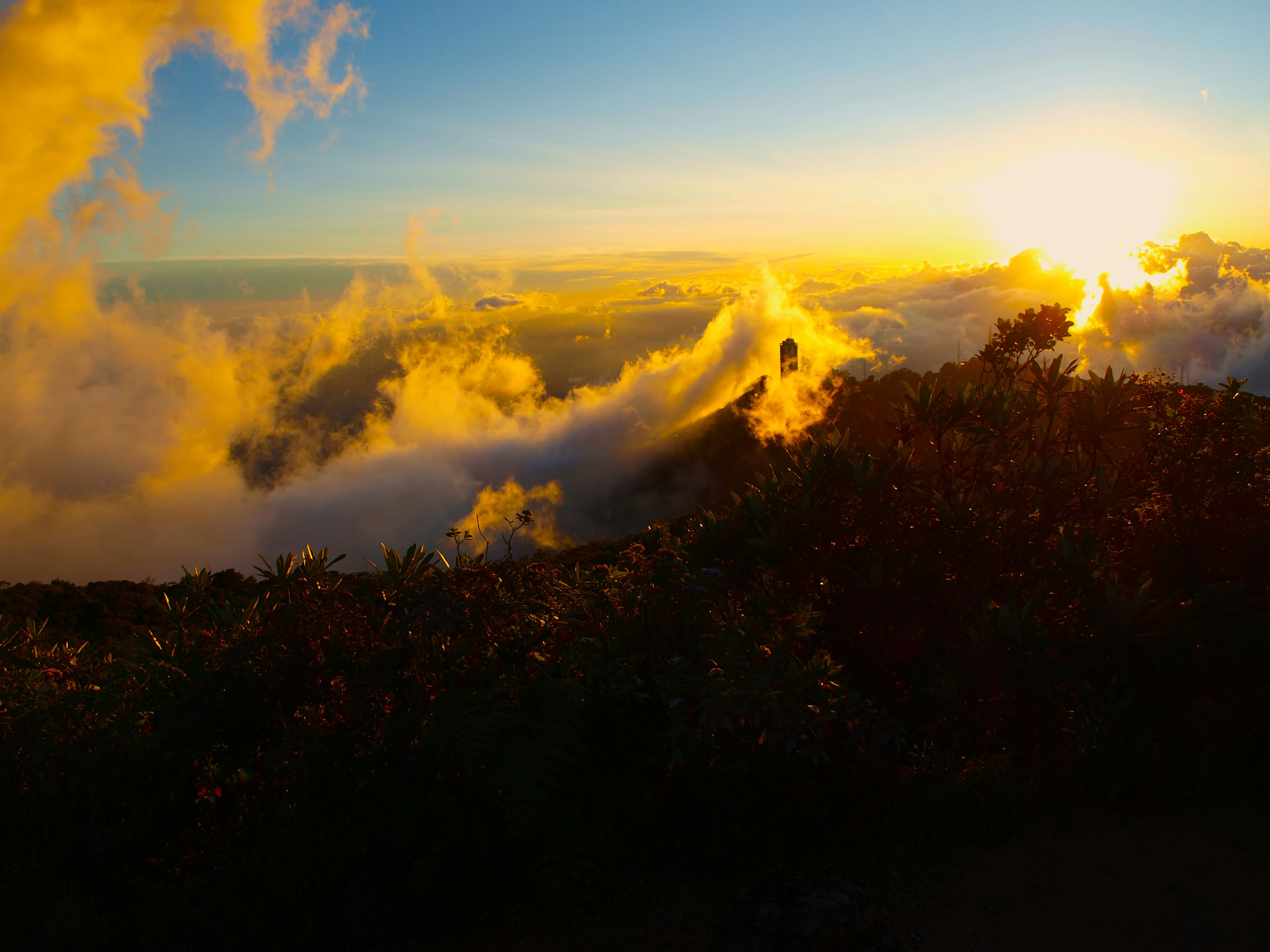
The best time to visit El Ávila National Park depends on the experience sought. The dry season from December through April offers clearer skies and more predictable trail conditions, though this period can be popular with visitors. The wet season from May to November brings lusher vegetation and more dramatic cloud formations in the upper forest zones, though trail conditions may be more challenging. The mountain's high elevation means temperatures at the summit hover around 10°C, significantly cooler than the city below. Visitors seeking to spot wildlife may have better success during early morning hours when animals are most active. The cable car operates year-round, though schedule changes may occur, so checking current operations before visiting is advisable.