Why Dinira National Park stands out
Dinira National Park is best known for its role as a protected watershed that sustains downstream agricultural communities and ecological systems across western Venezuela. The park encompasses dramatic highland scenery including the Humocaro Mountains and the Los Nepes páramo zone, which represent the park's most distinctive elevational landscapes. Waterfall features such as Cascada del Vino exemplify the park's hydrological abundance and serve as notable visual landmarks within the protected area. The combination of Andean cloud forests, high-altitude páramo grasslands, and the critical watershed function distinguishes Dinira from lower-elevation savanna parks in Venezuela.
Dinira National Park history and protected-area timeline
Dinira National Park was established on November 30, 1988, through formal governmental designation that recognized the ecological and hydrological importance of the Tocuyo River's upper watershed. The creation of the park reflected growing awareness in Venezuela during the late 1980s of the need to protect critical mountain watersheds from deforestation, agricultural expansion, and unregulated development. The park's establishment also corresponded with broader national efforts to develop a comprehensive protected area network that represented the country's major ecological regions, from coastal ecosystems to Andean highlands. The decision to protect this particular watershed acknowledged that the headwaters of major rivers often face the greatest ecological pressures while providing the most essential water resources to downstream populations.
Dinira National Park landscape and geographic character
The landscape of Dinira National Park is defined by its position within the Cordillera de Mérida, featuring rugged mountainous terrain with steep valleys, ridges, and numerous stream courses descending from highland collection points. The Humocaro Mountains represent one of the park's most prominent geographical features, offering dramatic scenery with their steep slopes and exposed rock formations. At higher elevations, the Los Nepes area exemplifies the páramo ecosystem characteristic of tropical high-altitude environments above the continuous forest line. The terrain's elevation range supports distinct ecological zones, with cloud forest dominating mid-elevation slopes where moisture-laden clouds from the Caribbean coast interact with the mountain topography. The network of streams and rivulets throughout the park converges to form the headwaters of the Tocuyo River, creating a dendritic drainage pattern characteristic of mountainous catchments.
Dinira National Park ecosystems, habitats, and plant life
The ecological character of Dinira National Park reflects its position in the Venezuelan Andes, encompassing altitudinal zones that transition from premontane cloud forest through to subpáramo and páramo vegetation communities. The cloud forests at mid elevations receive persistent moisture from orographic rainfall and fog interception, supporting dense vegetation with high epiphyte diversity and specialized adaptations to the humid conditions. Above the forest line, páramo grasslands feature bunch grasses and low shrub vegetation adapted to the cool, wet conditions of high-altitude tropical environments. The park's hydrological function as a watershed protection area has shaped its ecological value, as the preservation of forest cover on slopes prevents erosion and maintains water quality for the downstream river system. These ecosystems collectively support biodiversity in a region that represents the northernmost extension of the Andes mountain range.
Dinira National Park wildlife and species highlights
While specific wildlife inventories for Dinira National Park are limited in the available source material, the park's diverse elevational gradients and habitat diversity suggest the presence of species assemblages typical of Andean cloud forest and páramo environments. The cloud forest zone likely supports numerous bird species, including potential representatives of toucanets, tanagers, and hummingbirds that characterize Neotropical mountain forests. Mammal presence probably includes various small to medium-sized species adapted to forest and edge habitats, though detailed species lists would require additional documentation. The páramo zone at higher elevations supports specialized fauna adapted to open grassland environments and cooler temperatures, including perhaps spectacled bear presence in broader Andean contexts, though specific confirmation for Dinira would be needed.
Dinira National Park conservation status and protection priorities
Dinira National Park represents a critical conservation designation for protecting the upper watershed of the Tocuyo River, one of Venezuela's significant river systems draining into Lake Maracaibo. The park's watershed protection function demonstrates how mountain ecosystems provide essential hydrological services beyond their biodiversity value, with forest cover on slopes preventing erosion and maintaining water infiltration that feeds downstream streams. The establishment of the park in 1988 reflected recognition that headwater areas face particular conservation pressures from agricultural expansion, logging, and settlement, making protected area designation essential for long-term watershed health. As part of Venezuela's national park system, Dinira contributes to the country's commitment to preserving representative samples of its major ecological regions, including the Andean mountain systems that form the country's western highland backbone.
Dinira National Park cultural meaning and human context
The name "Dinira" derives from indigenous terminology used by local populations, reflecting the area's historical identity as a water source that feeds and sustains downstream watercourses. This naming tradition connects the landscape to traditional understanding of hydrological systems and the importance of headwater areas in supporting human communities throughout the watershed. The region surrounding Dinira National Park has historically supported agricultural communities that depend on water from the Tocuyo River and its tributaries for irrigation and domestic use. The park's protection ensures that these traditional water uses remain sustainable by maintaining the quality and quantity of water originating in the highland catchments.
Top sights and standout views in Dinira National Park
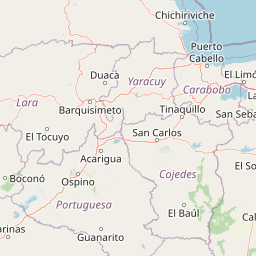
Dinira National Park's standout features include its critical role as a protected watershed that sustains downstream communities across western Venezuela, its dramatic Andean scenery with prominent mountain features like the Humocaro Mountains, and its ecological diversity spanning cloud forest to páramo ecosystems. The Cascada del Vino waterfall represents a notable visual landmark demonstrating the park's hydrological abundance. The park's location at the intersection of three Venezuelan states positions it as a regional conservation hub within the Cordillera de Mérida. The combination of watershed protection, scenic mountain landscapes, and ecological diversity makes Dinira a distinctive protected area within Venezuela's national park system.
Best time to visit Dinira National Park
The park can be visited year-round given its location in the tropical Andes, though visitors should expect high humidity and frequent precipitation given the area's annual rainfall of up to 1,300 millimeters. The wet season typically brings more dramatic waterfall flows and lush vegetation, while the drier periods may offer slightly easier access to trail areas. The high-elevation páramo zones can be cool and foggy throughout the year, requiring appropriate clothing for visitors exploring those areas. Cloud forest environments maintain persistent moisture regardless of season, creating consistently humid conditions that visitors should prepare for when planning treks through the park's mid-elevation areas.