

Mori Atlas logo
National parkIriomote-Ishigaki National Park

Discover the mapped boundaries and unique terrain of this subtropical island national park.

Iriomote-Ishigaki National Park: Protected Landscape and Geographic Atlas of Okinawa Prefecture

(西表石垣国立公園)

Iriomote-Ishigaki National Park represents a significant protected landscape within Japan's Okinawa Prefecture, offering a unique window into subtropical island geography. This atlas-focused exploration reveals the park's extensive mangrove forests, dramatic limestone karst formations, and critical habitats for endemic wildlife. Understanding its mapped boundaries and diverse terrain provides essential context for appreciating this vital conservation area.

subtropical islandsmangrove forestsendemic wildlifecoral reefsYaeyama IslandsIriomote wild cat

Iriomote-Ishigaki National Park

National park

Park overview

Structured park overview, official facts, and landscape profile for Iriomote-Ishigaki National Park

Iriomote-Ishigaki National Park park facts, protected area profile, and essential visitor context
Review the core facts for Iriomote-Ishigaki National Park, including designation, size, terrain, visitor scale, habitats, and operating context in one park-focused overview.

About Iriomote-Ishigaki National Park

Iriomote-Ishigaki National Park represents one of Japan's most distinctive protected areas, safeguarding the subtropical island ecosystems of the remote Yaeyama archipelago. The park occupies a unique position as Japan's second-largest national park by area and encompasses a remarkable diversity of habitats within a relatively compact geographic footprint. The Yaeyama Islands sit at the convergence of the East China Sea and Pacific Ocean, creating a marine and terrestrial environment unlike anywhere else in the Japanese archipelago.

The park's landscape character is defined by its island geography, where rugged limestone peaks, dense evergreen forests, winding rivers, and expansive mangrove systems create a visually dramatic setting. Iriomote Island, the largest within the park, features a central mountain range that captures moisture from seasonal typhoons, supporting lush vegetation and numerous freshwater streams that cascade to the coast. The surrounding coastal waters contain extensive coral reef formations that support remarkable marine biodiversity.

What sets Iriomote-Ishigaki apart from other Japanese national parks is its biogeographic significance. The islands lie at the northern edge of the tropical zone and serve as a crossroads where Asian, Oceanian, and Japanese species distributions meet. This positioning has allowed the evolution of numerous endemic species found nowhere else on Earth, making the park a living laboratory for understanding island biogeography and speciation. The park's protection extends from the mountaintops through the forest canopy to the coral reefs beneath the surrounding seas, reflecting an integrated ecosystem management approach.

Quick facts and research context for Iriomote-Ishigaki National Park

Iriomote-Ishigaki National Park is situated in the Yaeyama Islands, the southernmost inhabited islands of Japan, forming part of Okinawa Prefecture. The park was originally established on May 15, 1972, covering Iriomote, Kohama, Kuro, and Taketomi islands, with Ishigaki Island added in August 2007. The park encompasses both terrestrial ecosystems and significant marine areas, protecting diverse subtropical landscapes. The park holds IUCN Category II designation as a national park and serves as a critical conservation stronghold for endemic species found nowhere else on Earth.

Park context

Deeper park guide and search-rich context for Iriomote-Ishigaki National Park

Iriomote-Ishigaki National Park history, landscape, wildlife, and travel context
Explore Iriomote-Ishigaki National Park through its history, landscape character, ecosystems, wildlife, conservation priorities, cultural context, and seasonal travel timing in a structured park guide built for atlas discovery and search intent.

Why Iriomote-Ishigaki National Park stands out

Iriomote-Ishigaki National Park is best known as the exclusive habitat of the Iriomote wild cat, a critically endangered feline species found only on Iriomote Island. This make the park one of the most important conservation sites in Japan for endemic biodiversity. The park is also renowned for its extensive mangrove forests, which form one of the largest contiguous mangrove systems in Japan, and for its dramatic limestone karst topography rising from the island interior. The surrounding coral reef systems add marine biodiversity significance, while the pristine waterfalls such as Mariyudu Falls provide scenic highlights that distinguish this subtropical island park.

Iriomote-Ishigaki National Park history and protected-area timeline

Iriomote-Ishigaki National Park was established on May 15, 1972, initially as Iriomote National Park covering the four islands of Iriomote, Kohama, Kuro, and Taketomi. The park's creation reflected growing postwar environmental awareness in Japan and recognition of the Yaeyama Islands' exceptional natural values. At the time of establishment, the Iriomote wild cat had already attracted scientific attention as a rare and poorly understood species endemic to a single island, making the area a priority for conservation.

The park underwent a significant expansion in August 2007 when Ishigaki Island and its surrounding marine areas were incorporated into the protected area. This expansion reflected a broader recognition that effective conservation of island ecosystems required protecting both the terrestrial habitats and the surrounding marine environments that supported them. The addition of Ishigaki Island nearly doubled the park's terrestrial extent and added significant coral reef and marine ecosystems to the protected area.

The park's evolution also reflects the Japanese national park system's broader shift toward ecosystem-based management, moving beyond purely scenic preservation to consider the complete ecological communities that sustain biodiversity. The Iriomote wild cat became a symbol of this approach, with research and conservation programs focused on understanding and protecting the species within its island ecosystem context.

Iriomote-Ishigaki National Park landscape and geographic character

The physical landscape of Iriomote-Ishigaki National Park is defined by its island setting and subtropical climate. The park encompasses a varied terrain of volcanic and limestone origin, with Iriomote Island featuring a central mountainous area reaching elevations around 400 meters. These peaks are characterized by steep-sided valleys and rounded ridgelines, typical of tropical island karst topography. The coastline features numerous inlets, river mouths, and sheltered bays where mangrove forests have developed in the intertidal zone.

Mangrove forests represent one of the park's most distinctive landscape features, forming extensive communities along the sheltered coasts and river margins. These tidal forest ecosystems are among the largest in Japan and create a characteristic green landscape where land meets sea. The rivers that flow from the island interiors are bordered by these mangrove communities and feature rocky streambeds with numerous small waterfalls. Mariyudu Falls stands as one of the most scenic waterfall features, dropping through a forested cliff to pool below.

The surrounding marine environment contains coral reef formations that fringe many island coasts, creating a sharply defined boundary between the green terrestrial landscapes and the blue tropical waters. The seabed features diverse topography including coral platforms, sandy channels, and deeper reef walls that support the marine ecosystems characteristic of the Yaeyama region.

Iriomote-Ishigaki National Park ecosystems, habitats, and plant life

The ecological character of Iriomote-Ishigaki National Park reflects its position in the subtropical zone and the isolation of the Yaeyama archipelago. The park supports a complex mosaic of habitats including evergreen broadleaf forests, mangrove forests, freshwater streams, coastal grasslands, and coral reef marine environments. This habitat diversity supports remarkable species richness despite the relatively small total area, making the park one of Japan's most biodiverse protected areas.

The evergreen forests of the island interiors represent a transition between temperate and tropical vegetation zones, with species compositions that include elements from both realms. The canopy is dominated by broadleaf trees that remain evergreen throughout the year, creating a dense forest structure. The forest floor supports diverse understory vegetation adapted to the low light conditions beneath the canopy. These forests provide critical habitat for the endemic Iriomote wild cat and numerous other forest-dwelling species.

The mangrove forests represent a unique aquatic-terrestrial transition zone where tidal influence shapes the community composition. These forests are dominated by species of Rhizophora and other mangrove trees that have adapted to regular flooding and saline conditions. The root systems create complex habitat structures that support specialized fish, crustacean, and bird species. The marine environments surrounding the islands contain coral reef communities that support tropical fish species and other marine organisms typical of the Ryukyu region.

Iriomote-Ishigaki National Park wildlife and species highlights

The wildlife of Iriomote-Ishigaki National Park is distinguished by the presence of endemic species found nowhere else on Earth. The Iriomote wild cat represents the park's most celebrated resident, a small wild feline that evolved in isolation on Iriomote Island over an estimated 200,000 years. This population represents the only known wild cat species endemic to Japan and is classified as critically endangered, with population estimates suggesting only a few hundred individuals remain. The cats are nocturnal and occupy forest habitats throughout the island, with conservation dependent on protecting both the cats and their forest ecosystem.

The bird fauna includes several endemic subspecies and species restricted to the Ryukyu Islands. The islands serve as important resting grounds for migratory birds traveling between East Asia and the Pacific. The mangrove forests and coastal areas provide critical habitat for waterbirds including herons, egrets, and shorebirds. The forest canopy supports diverse songbird communities typical of subtropical East Asian forests.

The marine environments contain tropical fish species, sea turtles, and invertebrates typical of coral reef ecosystems. The surrounding waters are known for their biodiversity, with numerous fish species utilizing the reef habitats for feeding and reproduction. Sea turtles, particularly green sea turtles and hawksbill turtles, are known to use the waters around the islands and have been observed nesting on some beaches within the park.

Iriomote-Ishigaki National Park conservation status and protection priorities

Iriomote-Ishigaki National Park holds significant conservation importance both within Japan and globally, primarily due to its role as the sole habitat of the Iriomote wild cat. This single-species dependence has made the park a focal point for mammalian conservation in East Asia, with intensive research efforts devoted to understanding the cat's ecology and developing effective conservation strategies. The cat's survival is directly tied to the preservation of the island's forest ecosystems, creating a conservation framework that benefits numerous other species.

The park's mangrove forests represent some of the most extensive and well-preserved examples of this habitat type in Japan, providing important ecosystem services including coastal protection, water filtration, and carbon sequestration. These forests also serve as critical nursery habitat for fish and crustaceans that support both ecological function and local fisheries. The coral reef systems surrounding the islands contribute to marine biodiversity and represent important ecological communities that require ongoing protection from development pressures and climate impacts.

The dual terrestrial and marine protection framework established through the park's expansion in 2007 reflects modern ecosystem conservation principles, recognizing that island ecosystems function as integrated units where land and sea are interdependent. This approach provides a more complete protection context than earlier park designations that focused primarily on scenic terrestrial landscapes.

Iriomote-Ishigaki National Park cultural meaning and human context

The Yaeyama Islands have a long human history dating back centuries, with the indigenous Yaeyama people maintaining traditional cultural practices in the island environment. Traditional settlement patterns, agricultural practices, and maritime resource use shaped the landscape prior to modern conservation designations. The communities of Taketomi and other inhabited islands within the park maintain cultural heritage including traditional architecture and practices that reflect the islands' Ryukyu Kingdom legacy.

The relationship between local communities and the natural environment has evolved as the islands have modernized while maintaining connections to traditional land and sea use. The park's management operates within this context of ongoing human presence and use, balancing conservation objectives with the sustainable development aspirations of island communities. This integration of human community and protected area distinguishes the park from more strictly wilderness-oriented conservation models.

Top sights and standout views in Iriomote-Ishigaki National Park

The Iriomote wild cat stands as the park's most distinctive conservation symbol and primary draw for visitors interested in wildlife. Observation opportunities are limited due to the cat's nocturnal and secretive nature, but dedicated wildlife viewing experiences offer chances to see this rare species. The extensive mangrove forests provide another major attraction, with boat tours through the tidal waterways offering encounters with mangrove ecosystem flora and fauna. Mariyudu Falls delivers scenic rewards with its cascading waters through tropical forest. The coral reef snorkeling and diving opportunities around Ishigaki Island represent additional highlights for visitors interested in marine environments. The traditional village of Taketomi within the park offers cultural contrast, with its preserved Ryukyu-style architecture and oxcart streets providing insight into island heritage.

Best time to visit Iriomote-Ishigaki National Park

The subtropical climate of the Yaeyama Islands creates distinct seasonal patterns that influence the character of a park visit. The summer months from June through September bring hot temperatures, high humidity, and the typhoon season, which can result in park closures and travel disruptions. Despite these risks, this period offers the lushest vegetation and warmest water temperatures for marine activities. The winter months from December through February bring cooler temperatures and lower humidity, making outdoor exploration more comfortable, though water temperatures are cooler for reef activities. Spring and autumn offer intermediate conditions with more stable weather patterns, making these shoulder seasons popular for visitors seeking to avoid both summer typhoons and winter cool. The Iriomote wild cat is most active during the cooler parts of the year, potentially offering better wildlife observation prospects from late autumn through early spring.

Park location guide

Geography guide, regional context, and park location map for Iriomote-Ishigaki National Park

Iriomote-Ishigaki National Park park geography, regions, and map view in Japan
Understand where Iriomote-Ishigaki National Park sits in Japan through a broader geographic reading of the surrounding landscape, nearby location context, and its mapped position within the national park landscape.

How Iriomote-Ishigaki National Park fits into Japan

Japan is an island nation in East Asia comprising over 14,000 islands in the Pacific Ocean. The country operates as a unitary parliamentary constitutional monarchy with Emperor Naruhito as the reigning monarch and Prime Minister Sanae Takaichi leading the government. With a population of approximately 123 million, Japan is the world's 11th most populous country and a major economic power with one of the strongest militaries, though it has constitutionally renounced its right to declare war.

Wider geography shaping Iriomote-Ishigaki National Park in Japan

Japan is an island nation in the Pacific Ocean, bordered to the west by the Sea of Japan and extending from the Sea of Okhotsk in the north to the East China Sea in the south. The Japanese archipelago lies off the northeast coast of the Asian mainland. Approximately 75% of Japan's terrain is mountainous and heavily forested, with agricultural land and urbanized populations concentrated along the eastern coastal plains. The country is divided into 47 administrative prefectures and eight traditional regions.

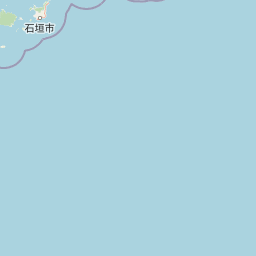
Map view of Iriomote-Ishigaki National Park

Use this park location map to pinpoint Iriomote-Ishigaki National Park in Japan, understand its exact geographic position, and read its mapped placement within the surrounding landscape more clearly.

Pigeon | © OpenStreetMap contributors

Location context for Iriomote-Ishigaki National Park

Okinawa Prefecture
Park atlas

Trace the subtropical island protected landscapes and marine ecosystems of Okinawa Prefecture.

Compare National Parks and Protected Areas Near Iriomote-Ishigaki National Park
Explore additional national parks and protected areas across the Ryukyu Islands, tracing shared subtropical island characteristics and unique conservation landscapes. This broader geographic context allows for direct comparison of endemic wildlife habitats, extensive mangrove forests, and vibrant coral reef systems found within the region's diverse protected areas.
National parkTaiwan

Yangmingshan National Park: Volcanic Terrain and Geothermal Features Atlas

Explore Taiwan's protected national park geography and mapped landscapes.

Yangmingshan National Park presents a striking example of volcanic geography, characterized by its rugged mountain terrain, active craters like Xiaoyoukeng, and ubiquitous geothermal features such as hot springs and sulfur deposits. As a protected national park within Taiwan, its landscape offers a rich context for understanding volcanic processes and alpine ecosystems. MoriAtlas provides detailed map exploration of Yangmingshan National Park, highlighting its unique geological formations and protected boundaries for an in-depth geographic discovery experience.

Area
113 km²
Established
1985
IUCN
II
National parkNantou County

Yushan National Park: Explore Taiwan's Highest Mountain and Alpine Protected Terrain

Mapped geography and dramatic peaks within Nantou County.

Yushan National Park is a crucial protected area in Taiwan, renowned for encompassing the island's highest mountain and a significant portion of the Central Mountain Range. This national park's dramatic geography spans over 103,000 hectares, with two-thirds of its territory lying above 2,000 meters. Its vertical ecological zones, from subtropical forests to alpine environments, offer a rich tapestry of landscapes ideal for atlas-style exploration of protected terrain and mountain peak geography.

Area
1,031.21 km²
Established
1985
IUCN
II
National parkJapan

Kerama Shotō National Park: Okinawa's Subtropical Archipelago National Park

Mapped Coral Reefs and Island Protected Landscapes.

Kerama Shotō National Park, located in Japan's Okinawa Prefecture, offers a unique atlas exploration of marine and terrestrial protected areas. The park is globally recognized for its extensive coral reef systems, home to hundreds of coral species and crucial for marine biodiversity, including sea turtles and whales. Above the water, the park encompasses subtropical islands with rolling hills and unique flora, providing a rich contrast to its vibrant underwater environments. Discover this important addition to Japan's network of protected lands, characterized by its striking natural beauty and ecological significance.

Area
939.95 km²
Established
2014
IUCN
II
National parkTaiwan

South Penghu Marine National Park: A Protected Volcanic Island Landscape in Taiwan's Penghu Archipelago

Mapped marine protected areas and unique geological features.

Discover the unique atlas value of South Penghu Marine National Park, Taiwan's protected national park renowned for its dramatic columnar basalt landforms and extensive coral reef systems. This marine protected area provides critical habitat for diverse species and showcases a rugged island geography shaped by volcanic activity. Explore its mapped boundaries and unique geological formations, including famous sea caves, offering a distinct context for landscape discovery.

Area
358.44 km²
Established
2014
IUCN
II
Protected landscapeFujian

Wuyi Mountains Protected Landscape: A Geographic Atlas of Subtropical Forests and Danxia Terrain

Mapped boundaries, regional geography, and ancient landscape context.

The Wuyi Mountains in Fujian, China, are a crucial protected landscape, recognized for their exceptional subtropical forest biodiversity and iconic Danxia landforms. This destination offers a detailed exploration of its mapped geography, including the striking red sandstone cliffs, meandering river valleys, and significant cave systems. Understand the park's protected boundaries and its role as a vital natural and cultural heritage site within China's regional geography, perfect for atlas-based discovery.

Area
999.75 km²
Established
1999
IUCN
II
National parkAbra

Cassamata Hill National Park: Philippine National Park with Hilltop Views of Abra Valley

Mapped geography of the Abra River valley and surrounding mountain ranges.

Cassamata Hill National Park is a protected landscape in Abra, Philippines, notable for its summit viewpoints that capture the expansive Abra River valley and the imposing Cordillera Central and Ilocos mountain ranges. Visitors can explore the mapped terrain from this elevated vantage point, offering a comprehensive view of the regional geography, including the distinctive silhouette of Mount Banti Goolong, also known as the Sleeping Beauty. This national park provides crucial insight into the protected area's context within the broader Cordillera region.

Area
0.57 km²
Established
1974
IUCN
V
National parkIlocos Sur

Northern Luzon Heroes Hill National Park: Coastal Mountain Geography and Protected Landscape Identity

Discover the mapped terrain and forest boundaries of this Philippine national park.

Northern Luzon Heroes Hill National Park offers a detailed look at a unique protected landscape in the Philippines' Ilocos Sur region. Its dramatic coastal mountain geography, characterized by steep forested slopes and ravines, stands apart from the typical flat terrain of the area. This national park serves as a significant mapped natural area, preserving vital forest cover and providing insights into the region's ecological context and landscape diversity.

Area
13.16 km²
Established
1963
IUCN
V
National parkTaiwan

Dongsha Atoll National Park: Taiwan's South China Sea Protected Coral Atoll Landscape

Explore mapped marine geography and vital seagrass ecosystems.

Dongsha Atoll National Park is a protected coral atoll in Taiwan, situated in the northern South China Sea. This national park is distinguished by its circular atoll structure, encompassing extensive shallow reef systems and vital seagrass beds. Its marine geography is central to its identity, supporting diverse aquatic life and serving as a crucial protected landscape for regional ecological connectivity. Users can delve into the mapped context and distinct protected-area characteristics of this unique atoll.

Area
3,537 km²
Established
2007
IUCN
II

Common questions about visiting, size, designation, and location context for Iriomote-Ishigaki National Park

Iriomote-Ishigaki National Park FAQs for park facts, access, geography, and protected area context
Find quick answers about Iriomote-Ishigaki National Park, including protected-area facts, park geography, trail and visitor context, and how the park fits into its surrounding country and regional landscape.
MoriAtlas Explorer

Continue Your Protected Areas Search Across the Global Atlas

Deepen your exploration by continuing the structured search for national parks and protected areas worldwide. Utilize the comprehensive filtering capabilities to compare different conservation landscapes and refine your understanding of global park geography. Discover more about the distribution and characteristics of protected natural areas.

Global natural geography