

Mori Atlas logo
National parkYushan National Park

Discover the mapped geography and dramatic peaks of this premier national park in Nantou County.

Yushan National Park: Taiwan's Highest Mountain and Alpine Protected Landscape

Yushan National Park represents a significant protected landscape in Taiwan, encompassing the heart of the Central Mountain Range and home to Taiwan's tallest peak, Yushan (Mount Jade). This national park, situated in Nantou County, showcases a remarkable vertical geography with over thirty mountains exceeding 3,000 meters. Its vast expanse, covering 103,121 hectares, features a striking gradient of ecosystems, from subtropical forests to alpine zones, making it a vital region for biodiversity and natural landscape exploration.

Alpine EnvironmentsMountain PeaksProtected ForestsHigh MountainsTaiwan National ParksCentral Mountain Range

Yushan National Park

National park

Park overview

Structured park overview, official facts, and landscape profile for Yushan National Park

Yushan National Park park facts, protected area profile, and essential visitor context
Review the core facts for Yushan National Park, including designation, size, terrain, visitor scale, habitats, and operating context in one park-focused overview.

About Yushan National Park

Yushan National Park represents Taiwan's premier alpine protected area and one of the most significant mountain ecosystems in East Asia. Located in the heart of Taiwan's Central Mountain Range within Nantou County, the park encompasses a vast wilderness area that includes not only the island's highest peak but also a complex array of ridges, valleys, canyons, and alpine lakes. The park's establishment in 1985 marked a major milestone in Taiwan's conservation history, protecting an area that had long held spiritual significance for indigenous peoples and which continues to attract mountaineers, researchers, and nature enthusiasts from around the world. The extreme elevation gradient, combined with the park's position at a climatic transition zone, has produced an extraordinary diversity of habitats that support species found nowhere else on Earth. Despite its remote location and entry controls that limit visitation compared to other Taiwanese national parks, Yushan received over one million visitors in 2015, demonstrating the profound connection many Taiwanese people feel toward this iconic landscape. The park's visitor infrastructure includes three visitor centers, network of mountain lodges such as Paiyun Lodge, and well-maintained trail systems that allow controlled access to this sensitive alpine environment.

Quick facts and research context for Yushan National Park

Yushan National Park occupies 103,121 hectares in central Taiwan's Central Mountain Range. Established on April 10, 1985, the park protects Taiwan's highest mountain and surrounding alpine landscapes. The park features over thirty peaks above 3,000 metres and contains six distinct vegetation zones spanning from broadleaf forests to alpine meadows. It serves as a critical watershed, feeding major river systems including the Zhuoshui, Kaoping, and Siouguluan Rivers. The park is home to 2,522 plant species, 50 mammal species, 151 bird species, and 780 insect species, making it one of Taiwan's most biodiverse protected areas.

Park context

Deeper park guide and search-rich context for Yushan National Park

Yushan National Park history, landscape, wildlife, and travel context
Explore Yushan National Park through its history, landscape character, ecosystems, wildlife, conservation priorities, cultural context, and seasonal travel timing in a structured park guide built for atlas discovery and search intent.

Why Yushan National Park stands out

Yushan National Park is best known for containing Taiwan's highest mountain, a revered cultural symbol and mountaineering destination. The park's most distinctive features include the dramatic sea of clouds that frequently envelops the high peaks, the extensive subalpine and alpine environments rarely found elsewhere in Taiwan, and the ancient cypress forests of the Chamaecyparis zones. The park is famous for its exceptional biodiversity, particularly the presence of the Formosan black bear and other endemic species, as well as the scenic alpine lakes such as Jiaming Lake and Tienchih. The Great Precipice cliff formation and the network of deep river canyons, including those along the Chenyoulan River, represent some of the most spectacular geological features in East Asia.

Yushan National Park history and protected-area timeline

Yushan National Park was officially established on April 10, 1985, becoming Taiwan's third national park and one of nine currently operating in the country. The creation of the park followed decades of increasing recognition of the region's ecological and cultural significance, as well as growing concerns about the impacts of unregulated development and hunting on the island's mountain ecosystems. Prior to formal protection, the Yushan region had long been inhabited by the Bunun people, an aboriginal tribe whose villages of Dongpu and Meishan still lie within the park's boundaries. These communities emigrated from Taiwan's coastal plains to the mountains approximately 300 years ago. The historical Batongguan Trail, constructed during the Qing dynasty in 1875 for defense purposes, brought significant changes to the region and contributed to the displacement of indigenous communities. Archaeological discoveries of stone tools and pottery in the Wangshiang and Dongpu areas provide evidence of even older human occupation in the region. The park's establishment enabled the recovery of wildlife populations that had been threatened by over-hunting, particularly larger mammals such as the Formosan black bear and sambar deer. The park is administered by the Yushan National Park Headquarters under the National Park Service, Ministry of the Interior.

Yushan National Park landscape and geographic character

The landscape of Yushan National Park is defined by dramatic mountain terrain, deep river canyons, and spectacular geological formations. The park's central feature is Yushan, also known as Mount Jade, which rises to 3,952 metres and forms the highest point in Taiwan and Northeast Asia. More than thirty peaks within the park exceed 3,000 metres, creating a dramatic skyline of alpine ridges and summits. The park contains numerous canyons, cliffs, and V-shaped river valleys carved by the fast-flowing streams descending from the high peaks. Notable geological features include the Great Precipice, a precipitous cliff along the Yushan Trail that contains fossils of ancient marine species, the Fuzi Cliff and Guanshan Cliff, and the Jinmentong cliffs along the Chenyoulan River. These formations demonstrate the area's geological history, revealing evidence of oceanic pasts and ongoing tectonic activity. The park's hydrological significance is immense, serving as the water source for Taiwan's major river systems including the Zhuoshui River, Kaoping River, and Siouguluan River. Alpine lakes such as Dashueiku, Tafen Pond, Jiaming Lake, and Tienchih dot the high country, formed from rain and melting snow.

Yushan National Park ecosystems, habitats, and plant life

Yushan National Park supports an extraordinary range of ecosystems and vegetation zones due to its dramatic elevation range from the foothills to alpine summits. The park contains six distinct vegetation zones that reflect the progressive change from subtropical to alpine conditions. The broadleaf forest zone below 1,800 metres is dominated by trees of the Lauraceae and Fagaceae families, creating lush forest with diverse understory vegetation including ferns and bracken. From 1,800 to 2,500 metres, the Chamaecyparis zone contains precious pure forests of Taiwan cypress, while the Tsuga Chinensis zone from 2,500 to 3,500 metres features coniferous species including Chamaecyparis formosensis and deciduous trees such as maples. The Abies kawakamii zone at approximately 3,530 metres contains groups of Taiwan fir on the western slope of Yushan. The subalpine shrub zone from 3,500 to 3,800 metres features dwarf plants growing prostrate and leeward, while the alpine herbaceous zone above 3,800 metres bursts with colorful summer flowers including Adenophora, Leontopodium, Sedum, and Gentiana species. Despite representing just three percent of Taiwan's total land area, the park contains approximately half of Taiwan's native plant species, with surveys documenting 2,522 different plant species.

Yushan National Park wildlife and species highlights

Yushan National Park supports remarkable wildlife diversity across multiple taxonomic groups. The park is home to 50 mammal species, 151 bird species, 18 reptile species, 13 amphibian species, 780 insect species, and 12 fish species. Larger mammals that inhabit the park include the Formosan black bear, Formosan sambar deer, Formosan rock macaque, and Formosan serow, all of which have recovered somewhat since the park's establishment protected them from over-hunting. The park serves as an important nesting ground for the Mountain hawk-eagle, a significant raptor species in Taiwan. Between March and May, visitors may observe processions of butterflies fluttering through mountain valleys. The diverse habitats, from forest floors to alpine meadows, support a rich community of species that have adapted to the challenging conditions of Taiwan's high mountain environment. The park's position as a watershed feeding multiple major river systems also supports aquatic biodiversity in the streams and rivers that traverse the protected area.

Yushan National Park conservation status and protection priorities

Yushan National Park holds significant conservation value as one of Taiwan's most important protected areas and is recognized as a potential World Heritage Site for its exceptional flora and fauna. The park protects a remarkable concentration of Taiwan's biodiversity, containing approximately half of the island's native plant species within just three percent of Taiwan's total land area. The establishment of the park in 1985 enabled meaningful recovery of wildlife populations that had been severely impacted by historical over-hunting, particularly the Formosan black bear and sambar deer. The park's alpine lakes and surrounding ecosystems are recognized as fragile and require ongoing protection, with management efforts focused on balancing visitor access with conservation needs. The watershed function of the park, providing water to major river systems serving central, southern, and eastern Taiwan, adds ecological importance beyond the park's boundaries. Control of visitor numbers through the permit system helps minimize human impact on this sensitive alpine environment, while infrastructure including bridges and wooden pathways protects both visitors and the terrain from degradation.

Yushan National Park cultural meaning and human context

The Yushan region has a rich cultural heritage spanning both recent and prehistoric periods. Archaeological evidence including stone tools and pottery discovered in the Wangshiang and Dongpu areas demonstrates early human occupation of this mountain landscape. The Bunun people, one of Taiwan's aboriginal tribes, presently inhabit the villages of Dongpu and Meishan within the park boundaries, having migrated from coastal plains to the mountains approximately 300 years ago. The Tsou people, another tribal group, live in the western portion of the park but have been largely assimilated by the Bunun. These indigenous communities maintain deep connections to the landscape, which holds spiritual significance in their cultural traditions. During the Qing dynasty, the construction of the Batongguan Trail in 1875 brought significant changes to the region, including the displacement of aboriginal communities. Remaining stone steps, walls, and guard-posts from this historical period can still be found within the park, serving as physical reminders of this complex human history that predates the modern national park system.

Top sights and standout views in Yushan National Park

Yushan National Park offers exceptional highlights including the summit ascent of Taiwan's highest mountain, where climbers are rewarded with sunrise views above the sea of clouds that frequently envelops the peaks. The park's extensive trail network provides access to spectacular alpine scenery, including the iconic alpine lakes of Jiaming Lake and Tienchih, and the dramatic cliff formations of the Great Precipice. The ancient cypress forests of the Chamaecyparis zones represent some of Taiwan's most beautiful and historically significant forest environments. The annual butterfly season from March to May transforms mountain valleys into living kaleidoscopes. The chance to encounter endemic wildlife such as the Formosan black bear, Formosan serow, and Taiwan macaque adds excitement to any visit. The park's visitor centers provide educational context about the region's ecology, geology, and cultural history.

Best time to visit Yushan National Park

The best time to visit Yushan National Park depends on interests and tolerance for mountain conditions. The summer months from June to September typically offer the most stable weather and the warmest temperatures, making this the most popular period for summit attempts and trail exploration. The alpine herbaceous zone blooms with colorful flowers during summer, creating spectacular displays across the high country. Spring and early summer, particularly March through May, brings the butterfly migrations that draw many visitors to the park's valleys. Autumn in October and November often features clear skies and beautiful fall foliage in the forest zones. Winter conditions are severe, with snow covering the high peaks and trails potentially dangerous, though some experienced climbers seek the challenge of winter ascents. The sea of clouds phenomenon is most commonly observed during the transition seasons. All visitors to the high peaks require permits, and the Yushan Trail quota system controls daily access to manage impacts on this sensitive alpine environment.
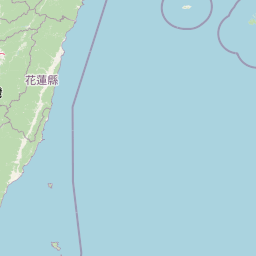

Park location guide

Geography guide, regional context, and park location map for Yushan National Park

Yushan National Park park geography, regions, and map view in Taiwan
Understand where Yushan National Park sits in Taiwan through a broader geographic reading of the surrounding landscape, nearby location context, and its mapped position within the national park landscape.

How Yushan National Park fits into Taiwan

Taiwan is an island nation in East Asia situated between the East China Sea and South China Sea. With a population of approximately 23.3 million people, it is one of the most densely populated countries in the world. The island features mountain ranges dominating its eastern region and densely populated plains in the west, where major cities including Taipei and New Taipei City are located.

Wider geography shaping Yushan National Park in Taiwan

Taiwan is located in the western Pacific Ocean, bordered by the East China Sea to the northwest and the South China Sea to the southwest. The People's Republic of China lies to the northwest across the Taiwan Strait, Japan is to the northeast, and the Philippines are to the south. The main island features mountain ranges dominating the eastern two-thirds of the territory, with plains concentrated in the western third where the majority of the population resides.

Map view of Yushan National Park

Use this park location map to pinpoint Yushan National Park in Taiwan, understand its exact geographic position, and read its mapped placement within the surrounding landscape more clearly.

Pigeon | © OpenStreetMap contributors

Location context for Yushan National Park

Nantou County
Park atlas

Expand your exploration of Taiwan's high mountain protected landscapes and alpine environments.

Discover Nearby National Parks and Protected Areas Surrounding Yushan National Park
Browse other national parks and significant protected areas across Taiwan, focusing on regions with dramatic mountain terrain and alpine environments similar to Yushan National Park. Compare adjacent conservation landscapes, trace the regional spread of protected areas, and deepen your understanding of Taiwan's unique high-elevation natural heritage.
National parkTaiwan

South Penghu Marine National Park: A Protected Volcanic Island Landscape in Taiwan's Penghu Archipelago

Mapped marine protected areas and unique geological features.

Discover the unique atlas value of South Penghu Marine National Park, Taiwan's protected national park renowned for its dramatic columnar basalt landforms and extensive coral reef systems. This marine protected area provides critical habitat for diverse species and showcases a rugged island geography shaped by volcanic activity. Explore its mapped boundaries and unique geological formations, including famous sea caves, offering a distinct context for landscape discovery.

Area
358.44 km²
Established
2014
IUCN
II
National parkTaiwan

Yangmingshan National Park: Volcanic Terrain and Geothermal Features Atlas

Explore Taiwan's protected national park geography and mapped landscapes.

Yangmingshan National Park presents a striking example of volcanic geography, characterized by its rugged mountain terrain, active craters like Xiaoyoukeng, and ubiquitous geothermal features such as hot springs and sulfur deposits. As a protected national park within Taiwan, its landscape offers a rich context for understanding volcanic processes and alpine ecosystems. MoriAtlas provides detailed map exploration of Yangmingshan National Park, highlighting its unique geological formations and protected boundaries for an in-depth geographic discovery experience.

Area
113 km²
Established
1985
IUCN
II
National parkOkinawa Prefecture

Iriomote-Ishigaki National Park: Subtropical Island Geography and Protected Landscape Atlas

Explore the unique terrain and mapped boundaries of this national park.

Dive into the geography of Iriomote-Ishigaki National Park, a protected national park situated in Japan's Okinawa Prefecture. This page provides a detailed atlas view of its characteristic subtropical island terrain, including extensive mangrove forests, distinct limestone karst features, and surrounding marine protected areas. Understand the park's unique landscape and its significance within the broader regional geography for comprehensive exploration.

Area
1,221.5 km²
Established
1972
IUCN
II
National parkTaiwan

Dongsha Atoll National Park: Taiwan's South China Sea Protected Coral Atoll Landscape

Explore mapped marine geography and vital seagrass ecosystems.

Dongsha Atoll National Park is a protected coral atoll in Taiwan, situated in the northern South China Sea. This national park is distinguished by its circular atoll structure, encompassing extensive shallow reef systems and vital seagrass beds. Its marine geography is central to its identity, supporting diverse aquatic life and serving as a crucial protected landscape for regional ecological connectivity. Users can delve into the mapped context and distinct protected-area characteristics of this unique atoll.

Area
3,537 km²
Established
2007
IUCN
II
Protected landscapeFujian

Wuyi Mountains Protected Landscape: A Geographic Atlas of Subtropical Forests and Danxia Terrain

Mapped boundaries, regional geography, and ancient landscape context.

The Wuyi Mountains in Fujian, China, are a crucial protected landscape, recognized for their exceptional subtropical forest biodiversity and iconic Danxia landforms. This destination offers a detailed exploration of its mapped geography, including the striking red sandstone cliffs, meandering river valleys, and significant cave systems. Understand the park's protected boundaries and its role as a vital natural and cultural heritage site within China's regional geography, perfect for atlas-based discovery.

Area
999.75 km²
Established
1999
IUCN
II
National parkAbra

Cassamata Hill National Park: Philippine National Park with Hilltop Views of Abra Valley

Mapped geography of the Abra River valley and surrounding mountain ranges.

Cassamata Hill National Park is a protected landscape in Abra, Philippines, notable for its summit viewpoints that capture the expansive Abra River valley and the imposing Cordillera Central and Ilocos mountain ranges. Visitors can explore the mapped terrain from this elevated vantage point, offering a comprehensive view of the regional geography, including the distinctive silhouette of Mount Banti Goolong, also known as the Sleeping Beauty. This national park provides crucial insight into the protected area's context within the broader Cordillera region.

Area
0.57 km²
Established
1974
IUCN
V
National parkIlocos Sur

Northern Luzon Heroes Hill National Park: Coastal Mountain Geography and Protected Landscape Identity

Discover the mapped terrain and forest boundaries of this Philippine national park.

Northern Luzon Heroes Hill National Park offers a detailed look at a unique protected landscape in the Philippines' Ilocos Sur region. Its dramatic coastal mountain geography, characterized by steep forested slopes and ravines, stands apart from the typical flat terrain of the area. This national park serves as a significant mapped natural area, preserving vital forest cover and providing insights into the region's ecological context and landscape diversity.

Area
13.16 km²
Established
1963
IUCN
V
National parkJapan

Kerama Shotō National Park: Okinawa's Subtropical Archipelago National Park

Mapped Coral Reefs and Island Protected Landscapes.

Kerama Shotō National Park, located in Japan's Okinawa Prefecture, offers a unique atlas exploration of marine and terrestrial protected areas. The park is globally recognized for its extensive coral reef systems, home to hundreds of coral species and crucial for marine biodiversity, including sea turtles and whales. Above the water, the park encompasses subtropical islands with rolling hills and unique flora, providing a rich contrast to its vibrant underwater environments. Discover this important addition to Japan's network of protected lands, characterized by its striking natural beauty and ecological significance.

Area
939.95 km²
Established
2014
IUCN
II

Common questions about visiting, size, designation, and location context for Yushan National Park

Yushan National Park FAQs for park facts, access, geography, and protected area context
Find quick answers about Yushan National Park, including protected-area facts, park geography, trail and visitor context, and how the park fits into its surrounding country and regional landscape.
MoriAtlas Explorer

Continue Your Protected Areas Search Across the Global Atlas

Deepen your exploration by continuing the structured search for national parks and protected areas worldwide. Utilize the comprehensive filtering capabilities to compare different conservation landscapes and refine your understanding of global park geography. Discover more about the distribution and characteristics of protected natural areas.

Global natural geography