

Mori Atlas logo
National parkYangmingshan National Park

Discover mapped volcanic terrain, geothermal features, and alpine environments in northern Taiwan.

Yangmingshan National Park: Taiwan's Volcanic Protected Landscape and Geothermal Atlas

Yangmingshan National Park stands as a testament to Taiwan's dynamic geology, offering a detailed look at volcanic landscapes shaped by ancient eruptions. This protected national park encompasses the Datun Mountains, centered around the prominent Seven Star Mountain, and is renowned for its active geothermal manifestations including sulfurous hot springs and fumaroles. Through MoriAtlas, users can explore the mapped boundaries of this unique natural area, understand its position within Taiwan's regional geography, and discover the distinct volcanic terrain and alpine environments it preserves.

volcanic landscapeshot springsvolcanic cratersmountain parksalpine environmentsgeothermal features

Yangmingshan National Park

National park

Park overview

Structured park overview, official facts, and landscape profile for Yangmingshan National Park

Yangmingshan National Park park facts, protected area profile, and essential visitor context
Review the core facts for Yangmingshan National Park, including designation, size, terrain, visitor scale, habitats, and operating context in one park-focused overview.

About Yangmingshan National Park

Yangmingshan National Park occupies a significant volcanic landscape in northern Taiwan, protecting an area of approximately 11,338 hectares of mountainous terrain characterized by volcanic geology, geothermal activity, and diverse ecosystems. The park's central feature is the Datun Volcano Group, a cluster of volcanic peaks that form a dramatic skyline visible from Taipei. The region sits along the Pacific Ring of Fire and retains active geothermal systems that manifest as hot springs, steam vents, and sulfur deposits throughout the park. Beyond its volcanic character, the park supports a remarkable range of habitats from subtropical evergreen forests at lower elevations through temperate deciduous forests to subalpine grasslands at the highest peaks. The park also preserves cultural heritage sites related to the area's history as a retreat area during the Japanese colonial period. Visitors can explore marked trails that lead to volcanic craters, viewpoints offering panoramic views of the Taipei basin, and hot spring areas where geothermal waters emerge naturally from the ground.

Quick facts and research context for Yangmingshan National Park

Yangmingshan National Park is situated in the northern region of Taiwan near Taipei, protecting a volcanic mountain landscape that rises from lowland foothills to summit elevations exceeding 1,000 meters. The park is characterized by its geothermal activity, including the famous sulfur vents at Xiaoyoukeng and natural hot springs found throughout the area. The landscape features volcanic craters, rugged peaks, waterfalls, and diverse vegetation zones that support a range of wildlife. The park was established as one of Taiwan's earliest national parks and remains a popular destination for both recreation and environmental education.

Park context

Deeper park guide and search-rich context for Yangmingshan National Park

Yangmingshan National Park history, landscape, wildlife, and travel context
Explore Yangmingshan National Park through its history, landscape character, ecosystems, wildlife, conservation priorities, cultural context, and seasonal travel timing in a structured park guide built for atlas discovery and search intent.

Why Yangmingshan National Park stands out

Yangmingshan is best known for its active volcanic geothermal features, including sulfurous hot springs, fumaroles, and the striking yellow sulfur crystals that coat the park's active vents. The park contains several prominent volcanic formations, including the Qixing Mountain (Seven Star Mountain) with its seven distinct peaks and the geothermal area at Xiaoyoukeng where steam and sulfur gases emerge from the earth. The park is also celebrated for its seasonal flowering, particularly the cherry blossoms that bloom in spring and the callery pear trees that paint the hillsides white.

Yangmingshan National Park history and protected-area timeline

Yangmingshan National Park was formally established in 1985, becoming one of Taiwan's first national parks and representing a significant milestone in the island's conservation history. Prior to national park designation, the area had been recognized for its scenic and geothermal importance during the Japanese colonial era, when the region was developed as a retreat and hot spring destination for Japanese officials and military personnel. Following Taiwan's retrocession to Chinese administration in 1945, the area continued to be managed as a scenic area. The establishment of the national park in 1985 brought formal protected area status, enabling comprehensive management of the park's volcanic landscapes, ecological resources, and visitor facilities. The park was expanded in subsequent years to incorporate additional volcanic features and watershed areas.

Yangmingshan National Park landscape and geographic character

The landscape of Yangmingshan National Park is defined by its volcanic origin, featuring rugged mountain terrain, dramatic craters, and geothermal formations. The Datun Mountains form the park's core, with multiple volcanic peaks rising abruptly from the surrounding terrain. The most prominent feature is Seven Star Mountain (Qixing Shan), a volcanic dome characterized by its seven clustered summits and steep-sided ridges. The park contains several volcanic craters, including the well-known Xiaoyoukeng area where geothermal activity creates a constantly active steam field. The terrain is marked by steep valleys, rocky ridges, and areas of exposed volcanic rock interspersed with forest-covered slopes. Waterfalls cascade down the mountain flanks, fed by the high rainfall that characterizes this region of northern Taiwan.

Yangmingshan National Park ecosystems, habitats, and plant life

The ecological character of Yangmingshan National Park reflects its elevation range and volcanic setting, encompassing multiple distinct habitat zones within a relatively compact area. At lower elevations, the park supports subtropical evergreen forests dominated by broadleaf trees and ferns. As elevation increases, the vegetation transitions to temperate forest communities featuring camphor trees, chinquapins, and various deciduous species. The highest peaks and exposed areas support subalpine vegetation including grasslands and shrub communities adapted to cooler conditions. The park's geothermal areas create unique microhabitats where specialized plants tolerate the harsh conditions of steam vents and sulfur-rich soils. Wildlife includes various bird species, mammals such as pangolins andFormosan rock monkeys, and diverse insect communities.

Yangmingshan National Park wildlife and species highlights

Yangmingshan supports diverse wildlife populations across its varied habitats and elevation zones. The forests host a variety of bird species including thrushes, flycatchers, and various passerines that migrate through the area seasonally. The Formosan rock macaque, Taiwan's endemic primate, inhabits the forested slopes and is commonly observed by visitors. Small mammals including pangolins, Taiwanese white-fronted mongoons, and various rodent species occupy the park's diverse terrain. The geothermal areas support specialized invertebrate communities adapted to the unique conditions around hot springs and sulfur vents. The park's streams harbor freshwater fish and provide habitat for amphibians including several species of frogs and toads.

Yangmingshan National Park conservation status and protection priorities

Yangmingshan National Park serves as a critical protected area for Taiwan's volcanic mountain ecosystems and geothermal resources. The park's designation ensures the preservation of volcanic landscapes that represent unique geological formations within East Asia, as well as the ongoing protection of natural hot spring systems and their associated ecological communities. The protected status helps maintain watershed functions that supply water to the Taipei metropolitan area and supports biodiversity conservation across the park's multiple habitat zones. Management efforts focus on balancing visitor access with resource protection, particularly in sensitive geothermal areas where trail infrastructure helps prevent damage to active vent sites.

Yangmingshan National Park cultural meaning and human context

Yangmingshan holds cultural significance reflecting its use during the Japanese colonial period and its continued importance as a recreation area for Taiwan's population. The area was developed as a highland retreat during Japanese administration, with the construction of hot spring bathhouses, trails, and administrative facilities that established the foundation for the area's ongoing use as a nature destination. Following 1945, the area continued to serve as a popular escape from the Taipei urban area, with visitors drawn to the mountain air, hot springs, and scenic landscapes. The park also contains remnants of this earlier development period, though many structures have been modified or replaced over subsequent decades.

Top sights and standout views in Yangmingshan National Park

The core highlights of Yangmingshan include the geothermal area at Xiaoyoukeng where visitors can observe active steam vents and sulfur deposits, the summit trail to Seven Star Mountain offering panoramic views across northern Taiwan, and the various hot spring areas where natural geothermal waters emerge for public use. The park's seasonal cherry blossom displays in spring and callery pear flowering create distinctive visual displays that attract visitors during peak bloom periods. The mountain trails provide access to multiple ecological zones within a single hike, while the visitor center offers educational context about the park's volcanic geology and ecological communities.

Best time to visit Yangmingshan National Park

Yangmingshan can be visited throughout the year, though different seasons offer distinct experiences. Spring brings the park's famous cherry blossoms and callery pear flowers, typically blooming from late February through March, when the hillsides display dramatic white and pink displays. Summer months offer lush green landscapes and warmer temperatures suitable for hiking, though afternoon thunderstorms are common. Autumn provides comfortable temperatures and clear skies, with fall foliage adding color to the deciduous forest areas. Winter brings cooler conditions and occasional frost at higher elevations, creating a different character to the landscape. The hot springs remain accessible year-round, making the park a destination for geothermal bathing regardless of season.

Park location guide

Geography guide, regional context, and park location map for Yangmingshan National Park

Yangmingshan National Park park geography, regions, and map view in Taiwan
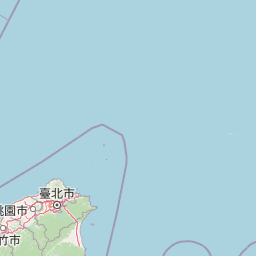
Understand where Yangmingshan National Park sits in Taiwan through a broader geographic reading of the surrounding landscape, nearby location context, and its mapped position within the national park landscape.

How Yangmingshan National Park fits into Taiwan

Taiwan is an island nation in East Asia situated between the East China Sea and South China Sea. With a population of approximately 23.3 million people, it is one of the most densely populated countries in the world. The island features mountain ranges dominating its eastern region and densely populated plains in the west, where major cities including Taipei and New Taipei City are located.

Wider geography shaping Yangmingshan National Park in Taiwan

Taiwan is located in the western Pacific Ocean, bordered by the East China Sea to the northwest and the South China Sea to the southwest. The People's Republic of China lies to the northwest across the Taiwan Strait, Japan is to the northeast, and the Philippines are to the south. The main island features mountain ranges dominating the eastern two-thirds of the territory, with plains concentrated in the western third where the majority of the population resides.

Map view of Yangmingshan National Park

Use this park location map to pinpoint Yangmingshan National Park in Taiwan, understand its exact geographic position, and read its mapped placement within the surrounding landscape more clearly.

Pigeon | © OpenStreetMap contributors
Park atlas

Map the regional spread of protected areas, comparing volcanic terrains and unique alpine ecosystems.

Explore Nearby Protected Areas and National Parks Around Yangmingshan National Park
Explore national parks and protected areas near Yangmingshan National Park, tracing the regional geography of volcanic terrains, geothermal features, and diverse alpine environments. Continue your atlas-style discovery to compare these distinct conservation landscapes, understanding their unique characteristics and broader protected-area context.
National parkNantou County

Yushan National Park: Explore Taiwan's Highest Mountain and Alpine Protected Terrain

Mapped geography and dramatic peaks within Nantou County.

Yushan National Park is a crucial protected area in Taiwan, renowned for encompassing the island's highest mountain and a significant portion of the Central Mountain Range. This national park's dramatic geography spans over 103,000 hectares, with two-thirds of its territory lying above 2,000 meters. Its vertical ecological zones, from subtropical forests to alpine environments, offer a rich tapestry of landscapes ideal for atlas-style exploration of protected terrain and mountain peak geography.

Area
1,031.21 km²
Established
1985
IUCN
II
National parkOkinawa Prefecture

Iriomote-Ishigaki National Park: Subtropical Island Geography and Protected Landscape Atlas

Explore the unique terrain and mapped boundaries of this national park.

Dive into the geography of Iriomote-Ishigaki National Park, a protected national park situated in Japan's Okinawa Prefecture. This page provides a detailed atlas view of its characteristic subtropical island terrain, including extensive mangrove forests, distinct limestone karst features, and surrounding marine protected areas. Understand the park's unique landscape and its significance within the broader regional geography for comprehensive exploration.

Area
1,221.5 km²
Established
1972
IUCN
II
National parkTaiwan

South Penghu Marine National Park: A Protected Volcanic Island Landscape in Taiwan's Penghu Archipelago

Mapped marine protected areas and unique geological features.

Discover the unique atlas value of South Penghu Marine National Park, Taiwan's protected national park renowned for its dramatic columnar basalt landforms and extensive coral reef systems. This marine protected area provides critical habitat for diverse species and showcases a rugged island geography shaped by volcanic activity. Explore its mapped boundaries and unique geological formations, including famous sea caves, offering a distinct context for landscape discovery.

Area
358.44 km²
Established
2014
IUCN
II
Protected landscapeFujian

Wuyi Mountains Protected Landscape: A Geographic Atlas of Subtropical Forests and Danxia Terrain

Mapped boundaries, regional geography, and ancient landscape context.

The Wuyi Mountains in Fujian, China, are a crucial protected landscape, recognized for their exceptional subtropical forest biodiversity and iconic Danxia landforms. This destination offers a detailed exploration of its mapped geography, including the striking red sandstone cliffs, meandering river valleys, and significant cave systems. Understand the park's protected boundaries and its role as a vital natural and cultural heritage site within China's regional geography, perfect for atlas-based discovery.

Area
999.75 km²
Established
1999
IUCN
II
National parkJapan

Kerama Shotō National Park: Okinawa's Subtropical Archipelago National Park

Mapped Coral Reefs and Island Protected Landscapes.

Kerama Shotō National Park, located in Japan's Okinawa Prefecture, offers a unique atlas exploration of marine and terrestrial protected areas. The park is globally recognized for its extensive coral reef systems, home to hundreds of coral species and crucial for marine biodiversity, including sea turtles and whales. Above the water, the park encompasses subtropical islands with rolling hills and unique flora, providing a rich contrast to its vibrant underwater environments. Discover this important addition to Japan's network of protected lands, characterized by its striking natural beauty and ecological significance.

Area
939.95 km²
Established
2014
IUCN
II
National parkTaiwan

Dongsha Atoll National Park: Taiwan's South China Sea Protected Coral Atoll Landscape

Explore mapped marine geography and vital seagrass ecosystems.

Dongsha Atoll National Park is a protected coral atoll in Taiwan, situated in the northern South China Sea. This national park is distinguished by its circular atoll structure, encompassing extensive shallow reef systems and vital seagrass beds. Its marine geography is central to its identity, supporting diverse aquatic life and serving as a crucial protected landscape for regional ecological connectivity. Users can delve into the mapped context and distinct protected-area characteristics of this unique atoll.

Area
3,537 km²
Established
2007
IUCN
II
National parkAbra

Cassamata Hill National Park: Philippine National Park with Hilltop Views of Abra Valley

Mapped geography of the Abra River valley and surrounding mountain ranges.

Cassamata Hill National Park is a protected landscape in Abra, Philippines, notable for its summit viewpoints that capture the expansive Abra River valley and the imposing Cordillera Central and Ilocos mountain ranges. Visitors can explore the mapped terrain from this elevated vantage point, offering a comprehensive view of the regional geography, including the distinctive silhouette of Mount Banti Goolong, also known as the Sleeping Beauty. This national park provides crucial insight into the protected area's context within the broader Cordillera region.

Area
0.57 km²
Established
1974
IUCN
V
National parkIlocos Sur

Northern Luzon Heroes Hill National Park: Coastal Mountain Geography and Protected Landscape Identity

Discover the mapped terrain and forest boundaries of this Philippine national park.

Northern Luzon Heroes Hill National Park offers a detailed look at a unique protected landscape in the Philippines' Ilocos Sur region. Its dramatic coastal mountain geography, characterized by steep forested slopes and ravines, stands apart from the typical flat terrain of the area. This national park serves as a significant mapped natural area, preserving vital forest cover and providing insights into the region's ecological context and landscape diversity.

Area
13.16 km²
Established
1963
IUCN
V

Common questions about visiting, size, designation, and location context for Yangmingshan National Park

Yangmingshan National Park FAQs for park facts, access, geography, and protected area context
Find quick answers about Yangmingshan National Park, including protected-area facts, park geography, trail and visitor context, and how the park fits into its surrounding country and regional landscape.
MoriAtlas Explorer

Continue Your Protected Areas Search Across the Global Atlas

Deepen your exploration by continuing the structured search for national parks and protected areas worldwide. Utilize the comprehensive filtering capabilities to compare different conservation landscapes and refine your understanding of global park geography. Discover more about the distribution and characteristics of protected natural areas.

Global natural geography