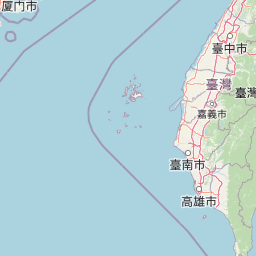
Why South Penghu Marine National Park stands out
South Penghu Marine National Park is best known for its dramatic volcanic basalt landscapes featuring columnar jointing, its thriving coral reef ecosystems in the path of the Kuroshio Current, and its designation as a marine germplasm bank for Penghu's marine biodiversity. The park protects significant coral reef areas with 154 coral species and 254 fish species, including many newly discovered species. The islands showcase remarkable geological features including sea caves like the Blue Cave and distinctive basalt formations that create a rugged yet beautiful island landscape. The park also preserves the cultural heritage of formerly inhabited islands with abandoned houses, temples, and traditional stone walls built to protect crops from strong winds.
South Penghu Marine National Park history and protected-area timeline
The South Penghu islands once supported thriving communities of thousands of residents who engaged primarily in fishing and limited agriculture. However, the remote location of these islands, combined with limited transportation connections and few economic opportunities, has led to a steady population decline over the decades. Today, only approximately 50 people remain permanent residents on these islands. The establishment of the South Penghu Marine National Park was influenced by a significant environmental event in 2008 when cold weather conditions in the northern Penghu Islands caused massive marine life mortality. The southern islands, situated at a lower latitude and therefore experiencing warmer conditions, were less affected and demonstrated greater resilience. This event highlighted the ecological importance of the southern islands as potential marine biodiversity reservoirs, leading to the concept of establishing the area as a marine germplasm bank for Penghu. Prior to the national park designation, the Penghu Columnar Basalt Nature Reserve Nanhai was established in 2008, covering Dongjiyu, Xijiyu, and several smaller islands. The South Penghu Marine National Park was officially established on June 8, 2014 and formally opened on October 18, 2014, creating Taiwan's newest marine protected area at that time.
South Penghu Marine National Park landscape and geographic character
The landscape of South Penghu Marine National Park is defined by volcanic basalt formations that create a rugged and visually striking island environment. The columnar basalt features are particularly notable, with characteristic hexagonal or polygonal column formations that result from the cooling of basaltic lava. These geological formations create dramatic cliff faces, sea stacks, and coastal features that characterize the islands' shorelines. Sea caves are another significant landscape feature, with the Blue Cave on Xijiyu being particularly notable. The Blue Cave is a sea cave formed through wave erosion and represents an iconic geological feature of the park. The terrestrial landscape includes small islets, rocky shores, and limited vegetation typical of small islands exposed to marine conditions. Human-modified landscapes include abandoned residential structures, temples, and distinctive stone walls known as cai zhai that were built to protect vegetable gardens from the strong winds that sweep across these exposed islands. A lighthouse on Dongjiyu serves as both a navigation aid and a landmark feature. The marine landscape encompasses shallow reef systems, underwater terrain features, and the open waters surrounding the islands.
South Penghu Marine National Park ecosystems, habitats, and plant life
The marine environment of South Penghu Marine National Park is characterized by coral reef ecosystems that thrive in the warm waters influenced by the Kuroshio Current. This northward-flowing warm current brings tropical marine species and provides the thermal conditions that support diverse coral communities. The park has documented 154 coral species, representing a significant biodiversity resource for Taiwan. These coral communities provide habitat and food sources for numerous marine animals, contributing to the overall ecological richness of the area. Fish diversity is exceptionally high, with 254 species recorded including 28 newly discovered species that may represent undescribed taxa. The marine ecosystem also supports aquatic plants that contribute to habitat complexity and primary productivity. The islands themselves provide habitat for migratory bird species, particularly terns that visit seasonally. The combination of terrestrial and marine habitats creates an ecological system that supports both resident and transient species.
South Penghu Marine National Park wildlife and species highlights
The marine wildlife of South Penghu Marine National Park is characterized by exceptional fish diversity and coral reef communities. The 254 recorded fish species include numerous reef-associated species that rely on coral habitat for food and shelter, with 28 of these species representing newly discovered records for Taiwan. Coral communities support complex food webs and include 154 documented coral species representing various taxonomic groups. Marine mammals have shown evidence of recovery in recent years, with small numbers of dolphins and smaller whale species returning to the waters around the islands. The recovery of these marine mammals represents a positive indicator of ecosystem health, though larger baleen whales remain rare or locally extinct. Gray whale fossils discovered in the area represent the first records of that species from Taiwanese waters, indicating historical presence of large whales in the region. Migratory birds, particularly various tern species, use the islands as seasonal nesting and resting sites. The marine ecosystem also includes various invertebrate groups and other fauna that contribute to the overall biodiversity.
South Penghu Marine National Park conservation status and protection priorities
South Penghu Marine National Park was established with the explicit goal of protecting marine biodiversity and creating what has been described as a marine germplasm bank for Penghu's marine life. The park's establishment was motivated by recognition of the area's ecological significance and its demonstrated resilience during the 2008 cold weather event that devastated marine life in northern Penghu. Conservation efforts include coral reef monitoring and management programs conducted by the Marine National Park Headquarters in collaboration with other organizations. A specific focus has been placed on controlling crown-of-thorns starfish populations, as these coral predators can cause significant damage to reef communities when their populations explode. Removal programs have been conducted since 2010, and monitoring has shown no large populations of these starfish in 2014 and 2015, though the reasons for this absence remain unclear. Fishing restrictions apply in certain areas of the park to protect marine resources and promote sustainability. These restrictions have generated some concern among local fishermen, though the Marine National Park Headquarters emphasizes that sustainable fishing practices will benefit long-term fish populations.
South Penghu Marine National Park cultural meaning and human context
The South Penghu islands carry a cultural heritage reflecting centuries of human habitation and traditional livelihoods. Historically, the islands supported substantial populations engaged primarily in fishing and small-scale agriculture, with thousands of residents across the islands in past decades. The landscape bears evidence of this human presence through abandoned houses, temples, and agricultural structures. Traditional building practices incorporated local basalt stone, and residents constructed distinctive wind-protection walls called cai zhai around their vegetable gardens to shield crops from the strong seasonal winds that characterize these exposed islands. A lighthouse on Dongjiyu represents both navigation infrastructure and human modification of the landscape. The islands' cultural landscape reflects a lifestyle adapted to the challenges of remote island living, including limited resources, isolation, and exposure to marine weather patterns. The decline of permanent populations to approximately 50 residents has created a park that preserves both natural and cultural landscapes, with abandoned structures adding historical depth to the visitor experience.
Top sights and standout views in South Penghu Marine National Park
South Penghu Marine National Park offers distinctive highlights including the iconic columnar basalt formations that create dramatic coastal scenery, the famous Blue Cave sea cave on Xijiyu, and diverse coral reef ecosystems supporting 154 coral species and 254 fish species. The park provides rare opportunities to explore a relatively new marine protected area with limited human impact. The cultural landscape of abandoned houses and traditional stone structures adds a historical dimension to the natural environment. The return of dolphins and small whales to the surrounding waters represents a conservation success story. The lighthouse on Dongjiyu serves as a photogenic landmark, while the overall sense of remoteness and wild island character distinguishes this marine park from more accessible protected areas.
Best time to visit South Penghu Marine National Park
The best time to visit South Penghu Marine National Park would typically align with Taiwan's warmer months from late spring through early fall when marine conditions are most favorable for underwater activities and island exploration. The Kuroshio Current brings warmer waters during these seasons, supporting better conditions for coral reef viewing and marine wildlife observation. Weather conditions in Penghu generally feature strong winds during certain seasons, which can affect ferry services and outdoor activities. Winter months may bring cooler conditions and less predictable weather, though the park remains accessible. The summer months tend to offer the most stable conditions for visiting the islands and experiencing both the terrestrial and marine environments of the park. Visitors should check ferry schedules as boat access to the islands may be weather-dependent throughout the year.