

Mori Atlas logo
National parkKelimutu National Park

Discover the distinct protected geography and mapped natural terrain of this Indonesian national park.

Kelimutu National Park: Volcanic Landscapes and Unique Crater Lakes in East Nusa Tenggara

(Taman Nasional Kelimutu)

Kelimutu National Park, a protected area within Indonesia's East Nusa Tenggara province, offers a captivating glimpse into a unique volcanic landscape. This national park, encompassing the iconic Mount Kelibara, is globally recognized for the three vividly colored crater lakes of Mount Kelimutu. These lakes, known for their mineral-driven hue shifts, form a central feature of the park's striking geography. Explore the park's montane forests, volcanic terrain, and the mapped boundaries of this significant protected natural area.

Volcanic landscapesColored lakesEndemic speciesMontane forestsBirdwatchingTropical national parks

Kelimutu National Park

National park

Park overview

Structured park overview, official facts, and landscape profile for Kelimutu National Park

Kelimutu National Park park facts, protected area profile, and essential visitor context
Review the core facts for Kelimutu National Park, including designation, size, terrain, visitor scale, habitats, and operating context in one park-focused overview.

About Kelimutu National Park

Kelimutu National Park occupies a significant position in Indonesia's protected area network, preserving a unique volcanic landscape on the island of Flores. The park's terrain is characterized by hills and mountains that form part of the island's volcanic highland region. At its heart lies Mount Kelimutu, a stratovolcano whose crater contains three lakes that have become the defining symbol of the park and one of Indonesia's most recognizable natural attractions. The park was officially established in 1992 and is managed by the Ministry of Environment and Forestry, reflecting Indonesia's commitment to preserving its natural heritage. The combination of volcanic geology, montane ecosystems, and endemic biodiversity makes this park a destination of both scientific and scenic importance.

Quick facts and research context for Kelimutu National Park

Kelimutu National Park is located on Flores Island in eastern Indonesia, within the East Nusa Tenggara province. The park was established in 1992 and covers roughly 50 square kilometers of mountainous terrain. Its most celebrated feature is Mount Kelimutu, which contains three crater lakes that display different colors at various times. The highest point within the park is Mount Kelibara at 1,731 meters. The park also contains a dedicated arboretum spanning 4.5 hectares that showcases the region's botanical diversity.

Park context

Deeper park guide and search-rich context for Kelimutu National Park

Kelimutu National Park history, landscape, wildlife, and travel context
Explore Kelimutu National Park through its history, landscape character, ecosystems, wildlife, conservation priorities, cultural context, and seasonal travel timing in a structured park guide built for atlas discovery and search intent.

Why Kelimutu National Park stands out

Kelimutu National Park is renowned for the three vibrant crater lakes perched within the caldera of Mount Kelimutu. These lakes, known as Tiwu Nuwa Muri Ko'o Fai and Tiwu Ata Polo, display remarkable color variations that shift over time due to mineral chemistry and volcanic activity. This natural phenomenon draws visitors from around the world and represents one of Indonesia's most distinctive geological wonders. Beyond the lakes, the park is notable for its collection of endemic species, particularly the four endemic mammals including two montane rodent species: Bunomys naso and Hainald's rat.

Kelimutu National Park history and protected-area timeline

Kelimutu National Park was established in 1992 as part of Indonesia's expanding network of protected areas. The creation of the park was driven by the need to preserve the unique volcanic landscape around Mount Kelimutu and its famous colored lakes, as well as to protect the diverse ecosystems found within the montane regions of Flores. The park's establishment reflected growing recognition of the importance of conserving endemic species and their habitats in this part of the Indonesian archipelago.

Kelimutu National Park landscape and geographic character

The landscape of Kelimutu National Park is defined by its volcanic origins and mountainous terrain. The park rises from the surrounding hills to encompass Mount Kelibara as its highest peak at 1,731 meters, with Mount Kelimutu serving as another prominent volcanic feature within the park's boundaries. The terrain consists of steep volcanic slopes, crater formations, and the distinctive caldera that holds the three colored lakes. This combination of volcanic peaks, crater lakes, and rolling montane terrain creates a visually striking landscape that is central to the park's identity and appeal.

Kelimutu National Park ecosystems, habitats, and plant life

The park supports diverse vegetation communities that reflect its montane setting and volcanic soils. The forest areas contain a mix of tree species including Toona, Canarium, and Diospyros, while the canopy includes Schleichera oleosa and Casuarina equisetifolia. The park's botanical richness is further demonstrated by its arboretum, a 4.5-hectare conservation area that houses 78 tree species representing 36 plant families. This mini forest serves as a living representation of the park's floral biodiversity and includes endemic species such as Begonia kelimutuensis, Rhododendron renschianum, and Vaccinium varingiaefolium.

Kelimutu National Park wildlife and species highlights

Kelimutu National Park provides habitat for several endangered animal species and notable endemic wildlife. The mammal population includes Javan rusa and wild boar, while bird species such as red junglefowl and various drongos inhabit the park's forests. Of particular significance are the four endemic mammals found within the park, including two montane rodent species: Bunomys naso and Hainald's rat. These endemic mammals represent important biodiversity assets that the park protects.

Kelimutu National Park conservation status and protection priorities

The park plays a crucial conservation role in protecting Indonesia's natural heritage, with particular emphasis on endemic species and volcanic ecosystems. Several plant species within the park are legally protected due to their endangered status, including Toona species, Anthocephalus cadamba, Canarium species, and Anaphalis javanica. The protection of habitat for endemic mammals and endangered fauna further underscores the park's conservation significance within the eastern Indonesian region.

Kelimutu National Park cultural meaning and human context

Mount Kelimutu holds cultural significance for the local communities of Flores, with the three colored lakes featuring in local traditions and beliefs. The lakes have traditionally been associated with spiritual meanings, reflecting the deep connection between the landscape and the cultural identity of the region.

Top sights and standout views in Kelimutu National Park

The three colored lakes of Mount Kelimutu represent the park's most celebrated feature, with their ever-changing hues creating a unique visual spectacle. The montane forest environments support rich biodiversity, including four endemic mammal species. The park's arboretum provides a concentrated showcase of 78 tree species across 36 families. The volcanic landscape, with Mount Kelibara as the highest peak, offers a distinctive mountainous setting typical of eastern Indonesian highlands.

Park location guide

Geography guide, regional context, and park location map for Kelimutu National Park

Kelimutu National Park park geography, regions, and map view in Indonesia
Understand where Kelimutu National Park sits in Indonesia through a broader geographic reading of the surrounding landscape, nearby location context, and its mapped position within the national park landscape.

How Kelimutu National Park fits into Indonesia

Indonesia is a vast archipelagic nation in Southeast Asia and Oceania, spanning over 17,000 islands between the Indian and Pacific Oceans. As the world's fourth-most populous country with 288 million people, it features extraordinary cultural and biological diversity, withJavanese and Sundanese being the largest ethnic groups. The country gained independence from the Netherlands in 1945 and operates as a unitary presidential republic.

Wider geography shaping Kelimutu National Park in Indonesia

Indonesia is situated in Southeast Asia and Oceania, spanning the equatorial region between the Indian Ocean to the west and the Pacific Ocean to the east. The archipelago includes major islands such as Sumatra, Java, Sulawesi, and parts of Borneo and New Guinea. It borders Papua New Guinea, Timor-Leste, and Malaysia by land, with extensive maritime boundaries throughout the region.

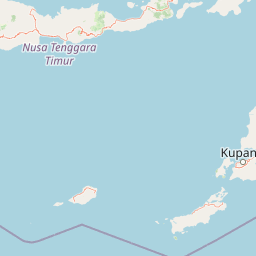
Map view of Kelimutu National Park

Use this park location map to pinpoint Kelimutu National Park in Indonesia, understand its exact geographic position, and read its mapped placement within the surrounding landscape more clearly.

Pigeon | © OpenStreetMap contributors

Location context for Kelimutu National Park

East Nusa Tenggara
Park atlas

Map surrounding protected landscapes and national parks across the volcanic terrain of Flores, Eastern Indonesia, for broader geographic context.

Compare Protected Landscapes and National Parks Adjacent to Kelimutu National Park
Discover additional national parks and protected areas throughout Eastern Indonesia, expanding your exploration beyond Kelimutu National Park's distinctive volcanic features. Compare diverse volcanic terrain and montane forest ecosystems, gaining broader regional context for protected landscapes across the Indonesian archipelago.
National parkEast Nusa Tenggara

Manupeu Tanah Daru National Park: National Park Protected Landscape and East Nusa Tenggara Geography

Discover its mapped boundaries and regional atlas context.

Delve into the protected landscape of Manupeu Tanah Daru National Park, a significant national park situated within East Nusa Tenggara. This dedicated page provides detailed geographic context, focusing on the park's mapped boundaries and its contribution to the regional natural landscape. Understand its identity as a protected area and explore its place within the broader atlas of global conservation lands, fostering a deeper appreciation for its distinct geographic characteristics.

Area
879.84 km²
Established
1998
IUCN
II
National parkLautém District

Nino Konis Santana National Park: Protected Landscape and Biodiversity Atlas

Explore the unique geography and marine ecosystems of Timor-Leste's first national park.

Nino Konis Santana National Park is a critical protected area at the eastern tip of Timor-Leste, spanning terrestrial forests, wetlands, and a significant marine zone within the Coral Triangle. This national park provides a unique atlas-driven view of rich biodiversity, including endemic bird species and vibrant coral reefs. Its landscape is deeply intertwined with ancient cultural sites and traditional settlements, offering a comprehensive understanding of its ecological and historical geographic context. Discover the mapped boundaries and protected area features that define this important conservation landscape.

Area
1,236 km²
Established
2007
IUCN
II
National parkCentral Sulawesi

Lore Lindu National Park: Central Sulawesi's Protected Landscape and Atlas Anchor

Explore its endemic species, megalithic sites, and rich geography.

Lore Lindu National Park stands as a critical protected area within Central Sulawesi, Indonesia, recognized for its exceptional endemic biodiversity and profound archaeological importance. This national park features a dramatic geographic setting, rising from lowland forests to montane ecosystems and encompassing ancient megalithic structures within its protected landscape. Understanding Lore Lindu National Park through its mapped boundaries and unique regional geography offers deep insights into conservation and cultural heritage, providing a focal point for atlas-based discovery.

Area
2,180 km²
Established
1982
IUCN
II
National parkEast Java

Meru Betiri National Park: Mapped Protected Landscape in East Java

Discover the terrain and geography of this national park.

Meru Betiri National Park in East Java, Indonesia, offers a rich tapestry of mapped landscapes, from its distinctive sandy beaches and mangrove ecosystems along the southern coast to its interior volcanic highlands and tropical rainforests. This protected area is crucial for understanding the regional geography and the distribution of conservation lands across Java. Explore its topographic diversity and unique ecological settings that define this significant national park.

Area
580 km²
Established
1982
IUCN
II
National parkTojo Una-Una Regency

Kepulauan Togean National Park: Protected Marine Atlas and Island Landscape Geography

Explore Tojo Una-Una Regency's vital coral reef ecosystems and mapped island geography.

Kepulauan Togean National Park is a critically important marine protected area located within the Tojo Una-Una Regency of Indonesia. This national park is celebrated globally for its position at the center of the Coral Triangle, housing the most diverse array of coral species found anywhere on Earth. The park's landscape is defined by an archipelago of islands featuring a complex interplay of coral reefs, seagrass beds, and mangrove forests, creating a rich tapestry of marine habitats. Its geographic location also makes it a significant biogeographical crossroads, influencing the distribution of marine fauna between Asian and Australian regions.

Area
3,626 km²
Established
2004
IUCN
II
National parkWestern Australia

Windjana Gorge National Park: Ancient Devonian Reef Gorge Landscape Exploration

Explore mapped geography and fossil-rich sandstone formations.

Windjana Gorge National Park offers an unparalleled opportunity to explore a protected landscape defined by its ancient Devonian reef origins. Situated in Western Australia, this national park protects a dramatic gorge carved through fossil-rich sandstone, revealing a 375-million-year-old geological past. Examine the mapped park boundaries and the unique contours of this ancient reef system, providing crucial context for understanding the natural history and landscape evolution of the Kimberley region.

Area
20.5 km²
Established
1971
IUCN
II
Relief
Lowland
National parkWestern Australia

Tunnel Creek National Park: Ancient Devonian Reef Caves and Aboriginal Heritage

Discover Western Australia's ancient geological and cultural protected landscape.

Tunnel Creek National Park offers a unique glimpse into geological time and Aboriginal heritage, centered on an ancient underground river flowing through the Napier Range. This National Park features one of Western Australia's oldest cave systems, carved from fossilized Devonian reef limestone dating back 350 million years. Explore the remarkable 750-meter cave tunnel, marvel at its speleothems, and appreciate the significant rock art that tells stories of its cultural past. The park's protected status safeguards this extraordinary geological formation and its historical narratives for continued exploration.

Area
0.91 km²
Established
1992
IUCN
II
National parkNorthern Territory

Charles Darwin National Park: Discover its Mapped Landscape, WWII Bunkers, and Larrakia Heritage

Northern Territory protected area with significant historical and geographic context.

Charles Darwin National Park represents a distinct protected landscape in Australia's Northern Territory, offering a rich tapestry of natural beauty and historical significance. This national park is renowned for its well-preserved World War II concrete bunker complex, serving as a direct link to Australia's wartime past. Beyond its military history, the park encompasses tropical savanna woodlands and coastal terrains that provide panoramic views of Darwin Harbour. Its indigenous heritage, including ancient shell middens, highlights thousands of years of Larrakia land use, making it a layered geographic and cultural discovery point.

Area
13.03 km²
Established
1998
IUCN
II

Common questions about visiting, size, designation, and location context for Kelimutu National Park

Kelimutu National Park FAQs for park facts, access, geography, and protected area context
Find quick answers about Kelimutu National Park, including protected-area facts, park geography, trail and visitor context, and how the park fits into its surrounding country and regional landscape.
MoriAtlas Explorer

Continue Your Protected Areas Search Across the Global Atlas

Deepen your exploration by continuing the structured search for national parks and protected areas worldwide. Utilize the comprehensive filtering capabilities to compare different conservation landscapes and refine your understanding of global park geography. Discover more about the distribution and characteristics of protected natural areas.

Global natural geography