Why Kepulauan Togean National Park stands out
Kepulauan Togean National Park is best known for its extraordinary coral reef biodiversity, situated in the heart of the world's coral reef triangle. The park protects some of the most diverse marine ecosystems in Indonesia, with coral reefs supporting hundreds of species. The Togian Islands archipelago provides critical habitat for marine species at the boundary of Asian and Australian faunal regions, creating a unique mixing zone where species from both biogeographical realms meet. The combination of mangrove forests, seagrass beds, and coral reefs creates a complex marine environment that supports exceptional biological productivity and diversity.
Kepulauan Togean National Park history and protected-area timeline
The park was formally established in 2004 as a national park under Indonesia's Ministry of Forestry, recognizing the exceptional marine biodiversity of the Togian Islands region. Prior to national park designation, the area had been recognized for its ecological importance but lacked formal protected area status. The establishment came amid growing Indonesian commitment to expanding marine protected areas across the archipelago. A significant milestone occurred on June 19, 2019, when UNESCO's Man and Biosphere Program designated the Tojo Una-Una Togean Biosphere Reserve during the 31st International Coordinating Council session in Paris, France. This biosphere reserve status added an international layer of recognition and framework for sustainable development alongside conservation, making it Indonesia's 15th biosphere reserve. The designation reflects decades of scientific research documenting the area's exceptional biodiversity and the government's efforts to balance conservation with community livelihoods.
Kepulauan Togean National Park landscape and geographic character
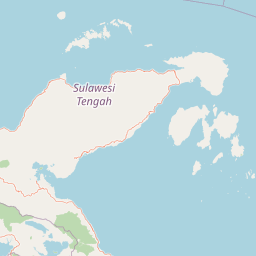
The park encompasses an archipelago of islands scattered across the Gulf of Tomini, creating a diverse coastal landscape of beaches, rocky shores, and forested island interiors. The underwater landscape is dominated by extensive coral reef formations that create complex three-dimensional habitats supporting thousands of marine species. Between the islands, shallow seagrass meadows provide important feeding and nursery grounds for marine turtles and other species. Mangrove forests line many island coastlines, their intricate root systems providing sheltered nursery areas for juvenile fish and crustaceans. The terrestrial portions of the islands feature lowland forest vegetation, though these areas are relatively small compared to the extensive marine environments. The overall landscape creates a seamless transition from forest-covered peaks on smaller islands to vibrant coral reefs in the surrounding waters, with the marine environment extending from the shoreline to deeper waters between the archipelago islands.
Kepulauan Togean National Park ecosystems, habitats, and plant life
The ecological character of Kepulauan Togean National Park centers on its position at the heart of the world's coral reef triangle, the region with the highest marine biodiversity on Earth. The park protects critical coral reef ecosystems that support hundreds of coral species and associated fish populations. The vegetation includes approximately 363 recorded flora species on the Togean Islands, with terrestrial species including trees from the Dipterocarpaceae family such as Shorea, Dipterocarpus, and Hopea, as well as species like ironwood, palapi, and uru. The aquatic flora is equally diverse, with 33 species of aquatic plants including seven species of seagrass, with turtle grass and Enhalus acoroides being the dominant seagrass species. Mangrove species including Rhizophora, Avicennia, Ceriops, and Sonneratia form critical coastal habitats. The park sits in a biogeographically significant position between the Wallace Line and Weber Line, where Asian and Australian marine species mix, creating unique ecological communities found nowhere else.
Kepulauan Togean National Park wildlife and species highlights
The marine wildlife of Kepulauan Togean National Park is exceptionally diverse due to the park's location in the coral reef triangle. Coral reefs here support hundreds of fish species, invertebrate communities, and marine megafauna. The seagrass meadows serve as important habitat for green turtles and other marine reptiles, while the mangrove forests provide critical nursery habitat for numerous fish and crustacean species. The mixing of species from Asian and Australian biogeographical regions creates unique marine communities, with species from both realms occurring together in these waters. The protected status helps ensure these marine species have refuge in healthy ecosystems, though specific population data would require more detailed surveys. The combination of reef, seagrass, and mangrove habitats creates a complete marine ecosystem supporting the diverse wildlife that makes this area globally significant.
Kepulauan Togean National Park conservation status and protection priorities
The designation of Kepulauan Togean National Park as part of the Tojo Una-Una Togean Biosphere Reserve in 2019 by UNESCO represents the highest level of international recognition for this area's conservation significance. The biosphere reserve framework recognizes not only the exceptional biodiversity but also the sustainable use of natural resources by local communities. Being situated in the heart of the coral reef triangle means this park contributes to global efforts to protect the regions with the highest marine biodiversity. The park's marine-focused protection addresses the critical need to conserve coral reef ecosystems that face threats from climate change, ocean acidification, and local stressors. The UNESCO designation provides additional tools for conservation management while supporting sustainable development for the approximately 149,214 people living in the biosphere reserve area, primarily local fishing communities around Ampana.
Kepulauan Togean National Park cultural meaning and human context
The Tojo Una-Una Togean Biosphere Reserve is home to approximately 149,214 people, the vast majority of whom are local fishermen living in communities centered around Ampana. These fishing communities have traditional connections to the marine environment that define regional cultural identity and livelihood patterns. The sustainable relationship between local communities and marine resources has been a central consideration in the park's management and UNESCO biosphere reserve designation. The area's human presence predates modern conservation efforts, and the biosphere reserve framework explicitly incorporates sustainable development alongside biodiversity protection, recognizing that long-term conservation success depends on supporting community livelihoods. The cultural context reflects the reality that marine protected areas in this region exist within human-use landscapes rather than as wilderness areas separate from local communities.
Top sights and standout views in Kepulauan Togean National Park
The park's primary highlight is its location in the world's coral reef triangle, hosting the greatest diversity of coral species on Earth. The marine protected area encompasses coral reefs, seagrass beds, and mangrove forests that together create one of Indonesia's most biodiverse marine environments. The Togian Islands archipelago provides stunning island landscapes rising from the Gulf of Tomini. The park's position between the Wallace and Weber Lines creates a unique biogeographical mixing zone where species from Asian and Australian marine faunas overlap. UNESCO biosphere reserve status since 2019 adds international recognition for both conservation significance and sustainable community development.
Best time to visit Kepulauan Togean National Park
The park can be visited year-round given its tropical marine location, though conditions vary with seasons typical of Sulawesi. The dry season generally offers better visibility for diving and snorkeling on coral reefs, while the wet season may bring reduced visibility but also calmer sea conditions at certain times. Water temperatures remain warm throughout the year, suitable for marine activities. Visitors interested in marine wildlife viewing should consider that turtle nesting may follow seasonal patterns related to weather. The UNESCO biosphere reserve designation and ongoing community-based conservation efforts mean that visitor activities should be coordinated with local authorities to ensure sustainable tourism practices that protect the marine environment.