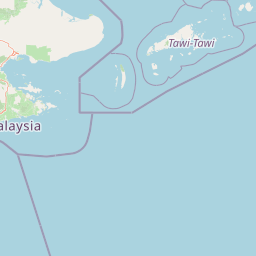
Why Tun Sakaran Marine Park stands out
Tun Sakaran Marine Park is best known for its exceptional marine biodiversity and the traditional Bajau Laut sea gypsy communities who inhabit the area. The park protects critical coral reef ecosystems, island landscapes, and marine habitats in the Celebes Sea. It represents one of Sabah's most important marine protected areas and serves as a living example of traditional maritime culture coexisting with marine conservation. The spectacular island scenery, with its scattered islands, sand cays rising from turquoise waters, and healthy reef systems, makes it a distinctive protected area in eastern Borneo.
Tun Sakaran Marine Park history and protected-area timeline
The path to establishing Tun Sakaran Marine Park spans several decades and reflects evolving approaches to conservation in Sabah. Bodgaya Island was first gazetted as a forest reserve in 1933, establishing an early recognition of the area's natural significance. Boheydulang Island was subsequently designated as a bird sanctuary, further cementing protection for key habitat areas within the archipelago. Proposals to establish a formal state park covering the island group were first advanced in 1977, reflecting growing awareness of the need for integrated marine conservation. A significant milestone came in 1998 when the Semporna Islands Project was launched as a collaborative effort between the Marine Conservation Society, Sabah Parks, WWF Malaysia, and Nature Link. This initiative was funded by the European Community under its global environment budget line, bringing international resources and expertise to local conservation efforts. After years of development and consultation, the islands were finally gazetted as a state park by Sabah Parks in 2004, creating the seventh protected area under the organization's management. A notable historical feature is that out of the eight islands within the park, only Sebangkat has an identified owner and legal grant holder following the 2004 gazetting.
Tun Sakaran Marine Park landscape and geographic character
The landscape of Tun Sakaran Marine Park is defined by its archipelago setting in the warm tropical waters of the Celebes Sea. The park encompasses a scattered collection of islands ranging from larger volcanic islands to tiny sand cays that appear and disappear with tidal changes. The main islands feature low-lying terrain with coastal fringes and limited interior elevation. Sand cays such as Maiga, Sibuan, and Mantabuan represent dynamic coastal features, their existence shaped by ocean currents and sediment deposition patterns. The marine landscape is characterized by extensive coral reef formations, both around the islands and as isolated patch reefs such as those at Church and Kapikan. The surrounding sea features the characteristic clear turquoise waters typical of healthy tropical marine environments, with underwater visibility allowing for excellent reef exploration. The coastline features the stilt house settlements of the Bajau Laut community, where traditional wooden structures rise from the water, creating a distinctive cultural landscape atop the natural marine setting.
Tun Sakaran Marine Park ecosystems, habitats, and plant life
The marine park protects a rich array of tropical marine ecosystems that represent some of the most biodiverse waters in Southeast Asia. Coral reef systems form the backbone of the park's ecological significance, supporting extensive fish populations and other marine organisms. The shallow reef areas around the islands and the patch reef formations at Church and Kapikan provide critical habitat for numerous fish species, invertebrates, and marine plants. The seagrass beds that occur in certain lagoon areas support additional marine biodiversity, including species that depend on these productive coastal ecosystems. The island vegetation provides terrestrial habitat value, with coastal forest and scrub communities on the larger islands. The waters of the Celebes Sea, known for their high marine productivity, sustain the ecological foundations that make this marine park significant. The combination of reef systems, open water, and island habitats creates a mosaic of marine environments that supports ecological processes from coral reproduction to fish migration patterns.
Tun Sakaran Marine Park wildlife and species highlights
Tun Sakaran Marine Park supports populations of marine wildlife that reflect the exceptional biodiversity of the Celebes Sea. The coral reef systems host diverse fish communities, including numerous species of reef fish that utilize the complex habitat structures for feeding and reproduction. The clear waters and healthy reef conditions support populations of larger fish species that prey on smaller reef inhabitants. The reef environments also shelter populations of invertebrates including various coral species, crustaceans, and mollusks that contribute to the overall marine biodiversity. Seabirds utilize the islands and sand cays for nesting and resting, with the bird sanctuary designation for Boheydulang reflecting the area's avian significance. The marine park's location in productive tropical waters means that seasonal visitors may include larger marine species that move through the region. The traditional fishing activities of the resident Bajau Laut community have long interacted with the marine wildlife populations, creating a historical relationship between human community and marine ecosystem.
Tun Sakaran Marine Park conservation status and protection priorities
Tun Sakaran Marine Park represents an important contribution to Sabah's marine conservation network and demonstrates the integration of community interests within protected area management. The park's establishment in 2004 brought formal protection to a significant marine area that had previously received only fragmented protection through earlier forest reserve and bird sanctuary designations. The marine park status provides a framework for managing the reef ecosystems, island environments, and associated marine waters as an integrated conservation unit. The presence of resident communities within the park boundaries creates both conservation opportunities and challenges, requiring management approaches that balance ecological protection with the livelihood needs of the Bajau Laut population. The collaboration between Sabah Parks, international conservation organizations, and local stakeholders that characterized the park's establishment reflects contemporary approaches to marine protected area development. The conservation significance extends beyond the park boundaries, as the protected marine ecosystems contribute to the broader ecological health of Sabah's eastern coast waters.
Tun Sakaran Marine Park cultural meaning and human context
The cultural dimension of Tun Sakaran Marine Park is defined primarily by the presence of the Bajau Laut people, also known as Sea Gypsies, who have lived in the Semporna region for generations. This nomadic seafaring community has traditionally maintained a lifestyle intimately connected to the marine environment, with fishing and maritime activities forming the foundation of their cultural practices. Within the marine park, the Bajau Laut live in distinctive stilt houses that extend out over the water, as well as on houseboats that allow continued mobility across the sea. Approximately 2,000 people from these communities reside within the park boundaries, creating a living cultural landscape that coexists with the marine ecosystems. The Bajau Laut possess deep traditional knowledge of the marine environment, including seasonal patterns, fish behavior, and navigation that reflects centuries of accumulated experience. The integration of this community within the marine park creates a unique cultural-ecological setting where traditional maritime heritage exists within a formal protected area framework. The cultural context adds a distinctive dimension to the park's identity that extends beyond purely ecological conservation.
Top sights and standout views in Tun Sakaran Marine Park
Tun Sakaran Marine Park offers a distinctive combination of exceptional marine environments and living cultural heritage within a protected area framework. The archipelago setting provides diverse island and reef experiences, from the larger islands with their vegetation and coastal areas to the ephemeral beauty of sand cays rising from crystal-clear waters. The healthy coral reef systems represent significant marine ecological value in one of the ocean's most biodiverse regions. The presence of the Bajau Laut community, with their traditional stilt house villages and sea-based lifestyle, creates a cultural dimension uncommon in most marine protected areas. The park's establishment in 2004 as the seventh Sabah Parks protected area reflects a mature approach to marine conservation that acknowledges both ecological and cultural values.
Best time to visit Tun Sakaran Marine Park
Tun Sakaran Marine Park can be visited throughout the year due to its tropical location, though certain periods may offer more favorable conditions. The dry season from March to October generally brings more settled weather and clearer water conditions, making it optimal for underwater activities such as snorkeling and diving. The transitional months may see more variable conditions but can still provide good wildlife viewing opportunities. The warm tropical climate means that visitors should be prepared for consistently warm temperatures and high humidity year-round. The marine park's proximity to Semporna makes it accessible for day trips or extended stays, with the town serving as the primary gateway for park access.