Mori Atlas logo
National parkGuadalupe Mabugnao Mainit Hot Spring National Park

Discover mapped boundaries, natural terrain, and unique hydrothermal features within this Philippine national park.

Guadalupe Mabugnao Mainit Hot Spring National Park: Protected Landscape and Geographic Context in Cebu

Guadalupe Mabugnao Mainit Hot Spring National Park represents a vital protected landscape within the Mantalongon mountain range of Cebu, Philippines. This national park, spanning approximately 57.50 hectares, serves as a crucial watershed forest reserve, safeguarding natural hydrothermal features, explored caves like Cave Lorett, and river systems that feed Carcar municipality. Its unique designation as a protected landscape and seascape highlights a blend of ecological preservation and scenic cultural context, making it an important entity for atlas-based geographic discovery.

Hot SpringsCavesWatershed ReserveCebuProtected LandscapePhilippines

Guadalupe Mabugnao Mainit Hot Spring National Park

National park

Park overview

Structured park overview, official facts, and landscape profile for Guadalupe Mabugnao Mainit Hot Spring National Park

Guadalupe Mabugnao Mainit Hot Spring National Park park facts, protected area profile, and essential visitor context
Review the core facts for Guadalupe Mabugnao Mainit Hot Spring National Park, including designation, size, terrain, visitor scale, habitats, and operating context in one park-focused overview.

About Guadalupe Mabugnao Mainit Hot Spring National Park

Guadalupe Mabugnao Mainit Hot Spring National Park represents a significant protected area in the central Philippines, combining ecological conservation with recreational and cultural functions within a relatively compact 57.50-hectare boundary. The park is situated in the Mantalongon mountain range of central Cebu, an area that serves as a critical watershed for downstream communities. The establishment of this protected area in 1972 reflected early Philippine efforts to preserve representative examples of the country's diverse ecosystems and geological features, particularly in densely populated island settings where development pressure threatens natural resources. The park's designation under IUCN Category V indicates a protected landscape approach that accommodates both natural habitat preservation and sustainable human use, a classification that recognizes the park's cultural landscape character arising from the intersection of natural hot springs and human visitation over decades. The Department of Environment and Natural Resources maintains administrative oversight, while the proximity to Cebu City and the municipality of Carcar makes the park accessible for day visitors seeking both relaxation and spiritual enrichment.

Quick facts and research context for Guadalupe Mabugnao Mainit Hot Spring National Park

Guadalupe Mabugnao Mainit Hot Spring National Park covers 57.50 hectares (142.1 acres) of protected landscape in central Cebu, Philippines. The park was established on June 17, 1972 and is managed by the Department of Environment and Natural Resources. It occupies the central Mantalongon mountain range as an important watershed forest reserve. The park features natural hot springs around which visitor facilities including cottages and pools have been developed. The area contains multiple caves, with Cave Lorett and Cave Moymoy being the most explored. A dam within the park supplies water to the municipality of Carcar.

Park context

Deeper park guide and search-rich context for Guadalupe Mabugnao Mainit Hot Spring National Park

Guadalupe Mabugnao Mainit Hot Spring National Park history, landscape, wildlife, and travel context
Explore Guadalupe Mabugnao Mainit Hot Spring National Park through its history, landscape character, ecosystems, wildlife, conservation priorities, cultural context, and seasonal travel timing in a structured park guide built for atlas discovery and search intent.

Why Guadalupe Mabugnao Mainit Hot Spring National Park stands out

Guadalupe Mabugnao Mainit Hot Spring National Park is best known for its natural hot springs, which serve as the primary visitor attraction and have been developed with cottage accommodations and bathing pools. The park features a distinctive combination of natural hydrothermal resources and religious cultural installations, including life-size statues of saints and the Santo Niño de Cebú, which add a unique spiritual dimension to the visitor experience. The park also contains at least three explored caves, with Cave Lorett being the most extensively documented, along with additional springs and four rivers in its vicinity. The watershed protection function and the presence of a dam supplying Carcar's water needs further distinguish this park from more purely recreational protected areas.

Guadalupe Mabugnao Mainit Hot Spring National Park history and protected-area timeline

Guadalupe Mabugnao Mainit Hot Spring National Park was established on June 17, 1972 through Republic Act No. 6429, representing a wave of national park designations that characterized Philippine environmental policy during the early 1970s. The legislation recognized both the natural significance of the hot springs and surrounding forest areas and the need to protect the watershed function of the Mantalongon mountain range, which provides water resources for the municipality of Carcar. Over the subsequent decades, the park evolved from a purely conservation-oriented protected area into a destination that balances ecological preservation with visitor amenities. The development of cottages and pool facilities around the hot springs reflects this evolution, as does the installation of religious statues that have become part of the park's cultural landscape. The construction and maintenance of the dam within park boundaries further demonstrates the intersection between conservation and community service functions that characterizes this particular protected area.

Guadalupe Mabugnao Mainit Hot Spring National Park landscape and geographic character

The landscape of Guadalupe Mabugnao Mainit Hot Spring National Park is defined by its position in the central Mantalongon mountain range, a forested highland area that rises above the surrounding lowlands of central Cebu. The terrain encompasses both the hot spring areas where hydrothermal activity creates warm water pools, as well as the steep slopes and valleys that channel water through multiple river systems. Cave systems punctuate the landscape, with Cave Lorett and Cave Moymoy representing significant geological features that attract exploration. The park's elevation and forest cover contribute to its watershed function, capturing and filtering precipitation that eventually feeds the dam serving Carcar municipality. The combination of forested slopes, hydrothermal features, caves, and constructed elements such as the dam and visitor facilities creates a complex landscape that reflects both natural processes and human modification.

Guadalupe Mabugnao Mainit Hot Spring National Park ecosystems, habitats, and plant life

The natural character of Guadalupe Mabugnao Mainit Hot Spring National Park centers on its function as a watershed forest reserve within the Mantalongon mountain range. The forest cover provides habitat for species adapted to the moist tropical environments of central Cebu, though the park's relatively small size and the presence of visitor facilities limit the extent of completely undisturbed habitat. The hydrothermal features represent a distinctive geological characteristic, with natural hot springs emerging from underlying thermal sources. The presence of multiple rivers and springs within the park boundary reflects the importance of the area in capturing and conveying water resources. As a protected landscape under IUCN Category V, the park's ecological management approach accommodates both natural habitat preservation and the sustainable use patterns that have developed around the hot springs and associated recreational facilities.

Guadalupe Mabugnao Mainit Hot Spring National Park wildlife and species highlights

The wildlife of Guadalupe Mabugnao Mainit Hot Spring National Park reflects the tropical forest ecosystems of central Cebu, though detailed species documentation is limited in available sources. The watershed forest provides habitat for various bird species, small mammals, and insects typical of Philippine montane environments. The rivers and springs support aquatic organisms adapted to the specific conditions of these freshwater systems. While the park is not primarily known for wildlife observation, the forest remnants and riparian areas provide refuge for species that persist in the modified landscape surrounding the hot spring development zones. The cave systems may harbor specialized species adapted to subterranean conditions, though specific documentation is not available in the source material.

Guadalupe Mabugnao Mainit Hot Spring National Park conservation status and protection priorities

The conservation significance of Guadalupe Mabugnao Mainit Hot Spring National Park derives from multiple factors that collectively justify protected area status. The park's designation as a watershed forest reserve emphasizes its role in protecting water resources for downstream communities, with the dam supplying Carcar's water needs demonstrating this ecosystem service function directly. The IUCN Category V classification reflects a conservation approach that preserves both natural values and cultural landscape character, acknowledging that the hot springs and associated human use represent a legitimate aspect of the park's identity rather than incompatible intrusions. The protection of the Mantalongon mountain range forest cover contributes to soil stabilization, biodiversity preservation, and climate regulation within the heavily populated central Visayas region. The establishment of the park in 1972 represented an early recognition of the need to set aside representative examples of Philippine natural heritage for long-term preservation.

Guadalupe Mabugnao Mainit Hot Spring National Park cultural meaning and human context

Guadalupe Mabugnao Mainit Hot Spring National Park holds cultural significance beyond its natural features, particularly through the religious installations that have become associated with the hot spring area. Life-size statues of saints and Christ, including a prominent representation of the Santo Niño de Cebú, have been placed within the park landscape and contribute to its identity as both a recreational and spiritual destination. This religious dimension reflects the strong Catholic traditions of Cebu province, where the Santo Niño (the Child Jesus) holds particular veneration dating back to the earliest Spanish colonial period. The park's proximity to Carcar municipality and its accessibility from Cebu City make it a convenient destination for both residents and tourists seeking a combination of natural relaxation and cultural enrichment. The development of visitor facilities around the hot springs demonstrates how natural resources have been integrated with cultural practices over time.

Top sights and standout views in Guadalupe Mabugnao Mainit Hot Spring National Park

The primary highlights of Guadalupe Mabugnao Mainit Hot Spring National Park include the natural hot springs with developed cottage and pool facilities, the explored cave systems of Cave Lorett and Cave Moymoy, the religious statuary including the Santo Niño de Cebú, and the park's watershed function serving Carcar municipality. The combination of natural hydrothermal resources, subterranean exploration opportunities, and spiritual cultural elements creates a distinctive visitor experience not commonly found in Philippine protected areas. The trail leading to the caves passes through the park's varied terrain and provides access to additional springs and river viewpoints. The dam, while primarily functional, represents the intersection between conservation and community service that characterizes this park's identity.

Best time to visit Guadalupe Mabugnao Mainit Hot Spring National Park

The hot springs of Guadalupe Mabugnao Mainit Hot Spring National Park can be enjoyed throughout the year, though the dry season from November to April generally offers more comfortable conditions for outdoor activities and exploration. The Philippine climate means that visiting during the cooler dry months provides a more pleasant experience for hiking to caves and enjoying the outdoor hot spring facilities. The wet season from May to October brings increased rainfall that can affect trail conditions and potentially limit cave exploration, though the hot springs remain accessible. Weekday visits may offer a quieter experience compared to weekends, particularly during peak visitor periods around religious observances when the Santo Niño statues attract additional pilgrimage visitors.
Park location guide

Geography guide, regional context, and park location map for Guadalupe Mabugnao Mainit Hot Spring National Park

Guadalupe Mabugnao Mainit Hot Spring National Park park geography, regions, and map view in Philippines
Understand where Guadalupe Mabugnao Mainit Hot Spring National Park sits in Philippines through a broader geographic reading of the surrounding landscape, nearby location context, and its mapped position within the national park landscape.

How Guadalupe Mabugnao Mainit Hot Spring National Park fits into Philippines

The Philippines, officially the Republic of the Philippines, is an archipelagic nation in Southeast Asia comprising approximately 7,641 islands categorized into three main geographical divisions: Luzon, Visayas, and Mindanao. Located in the western Pacific Ocean, it shares maritime borders with Taiwan, Japan, Palau, Indonesia, Malaysia, Vietnam, and China. Manila serves as the capital city, while Quezon City is the most populated city, both within Metro Manila.

Wider geography shaping Guadalupe Mabugnao Mainit Hot Spring National Park in Philippines

The Philippines is an archipelagic nation in Southeast Asia, positioned in the western Pacific Ocean. Its islands are bounded by the South China Sea to the west, Philippine Sea to the east, and Celebes Sea to the south. The country shares maritime borders with Taiwan to the north, Japan to the northeast, Palau to the east and southeast, Indonesia to the south, Malaysia to the southwest, Vietnam to the west, and China to the northwest.

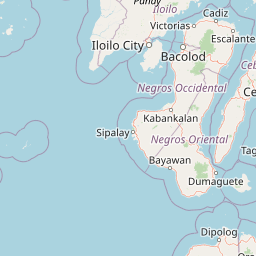
Map view of Guadalupe Mabugnao Mainit Hot Spring National Park

Use this park location map to pinpoint Guadalupe Mabugnao Mainit Hot Spring National Park in Philippines, understand its exact geographic position, and read its mapped placement within the surrounding landscape more clearly.

Pigeon | © OpenStreetMap contributors

Location context for Guadalupe Mabugnao Mainit Hot Spring National Park

Cebu
Park atlas

Map the surrounding protected landscapes across Cebu and the central Visayas, comparing diverse ecosystems and conservation zones.

Discover Nearby Protected Areas and National Parks Around Guadalupe Mabugnao Mainit Hot Spring National Park
After exploring Guadalupe Mabugnao Mainit Hot Spring National Park, browse other protected areas within Cebu and the wider central Visayas region. Compare diverse park geographies, from mountain forest reserves to coastal conservation zones, to understand the regional spread of protected landscapes and their unique features.
National parkPhilippines

Kuapnit Balinsasayao National Park: Philippines Old-Growth Forest and Endemic Wildlife Atlas

Explore protected landscape boundaries and mountainous terrain on Leyte Island.

Kuapnit Balinsasayao National Park stands as a key protected area within the Philippines, distinguished by its mature old-growth forests and its critical role in conserving endemic bird species unique to the Eastern Visayas. Located on Leyte Island within the mountainous terrain of the Anonang-Lobi Mountain Range, the park's protected landscape identity is central to understanding its geographic significance. This park offers a valuable entry point for exploring the mapped natural features and conservation importance of protected areas across the Philippine archipelago.

Area
3.64 km²
Established
1937
IUCN
V
Relief
Mountain
National parkMaguindanao del Norte

Mado Hot Spring National Park: Protected Geothermal Landscape in Maguindanao del Norte

Explore its therapeutic hot springs and mapped boundaries

Mado Hot Spring National Park, located in Maguindanao del Norte, Philippines, is a protected area defined by its geothermal features and therapeutic hot springs. This national park, established early in the Philippines' conservation history, offers a unique landscape centered around a warm mineral-rich natural pool. Delve into the geographic context and protected area identity of this distinctive site, understanding its role within the region's natural heritage.

Area
0.48 km²
Established
1939
IUCN
II
National parkZambales

Olongapo Naval Base Perimeter National Park: Philippines National Park & Protected Landscape in Zambales

Coastal terrain and historical military land context.

Discover Olongapo Naval Base Perimeter National Park, a protected landscape within Zambales province, Philippines. Established adjacent to the former U.S. Naval Base Subic Bay perimeter, this small national park preserves a unique coastal fringe. Its mapped boundaries offer insights into a transitional zone, serving as a green corridor and protecting a fragment of the region's natural habitat. Explore the distinct geographical and historical significance of this protected area.

Area
0.09 km²
Established
1968
IUCN
V
Scope
Terrestrial
National parkPhilippines

Aurora Memorial National Park: A Protected Landscape in the Philippines' Sierra Madre

Explore mapped boundaries and endemic avian habitat.

Aurora Memorial National Park represents a critical conservation area situated within the Philippines' Sierra Madre mountain range. Spanning a significant stretch along the eastern mountain slopes, this national park is characterized by its lowland dipterocarp forest ecosystem, recognized for supporting diverse flora and fauna. It is particularly noted as an Important Bird Area, crucial for endemic species like the Philippine eagle and various other avian populations, highlighting its ecological significance within the archipelago's geography.

Area
56.76 km²
Established
1937
IUCN
V
National parkNueva Vizcaya

Bangan Hill National Park: A Protected Landscape within Nueva Vizcaya's Geography

Explore its mapped terrain and cultural significance.

Bangan Hill National Park is a crucial protected area nestled in Nueva Vizcaya, Philippines. This page details its specific geography, including its role as a distinct hill within the broader Cagayan Valley landscape. Users can explore the park's mapped boundaries, understand its role as a national park, and discover the surrounding mountain context of the Caraballo and Cordillera Central ranges. It offers a unique perspective on the region's natural and historical significance, serving as a focal point for protected landscape exploration.

Area
0.139 km²
Established
1995
IUCN
II
National parkSabah

Tun Sakaran Marine Park National Park: Sabah Marine Archipelago Atlas

Explore the islands, sand cays, and coral reef geography.

Tun Sakaran Marine Park is a protected national park in Sabah, Malaysia, known for its stunning marine biodiversity and archipelago landscape. This atlas entry details the park's distinct islands, dynamic sand cays, and extensive coral reef systems within the Celebes Sea, offering insights into its unique geographic setting and ecological significance.

Area
101 km²
Established
2004
IUCN
II
National parkIlocos Sur

Northern Luzon Heroes Hill National Park: Coastal Mountain Geography and Protected Landscape Identity

Discover the mapped terrain and forest boundaries of this Philippine national park.

Northern Luzon Heroes Hill National Park offers a detailed look at a unique protected landscape in the Philippines' Ilocos Sur region. Its dramatic coastal mountain geography, characterized by steep forested slopes and ravines, stands apart from the typical flat terrain of the area. This national park serves as a significant mapped natural area, preserving vital forest cover and providing insights into the region's ecological context and landscape diversity.

Area
13.16 km²
Established
1963
IUCN
V
National parkAbra

Cassamata Hill National Park: Philippine National Park with Hilltop Views of Abra Valley

Mapped geography of the Abra River valley and surrounding mountain ranges.

Cassamata Hill National Park is a protected landscape in Abra, Philippines, notable for its summit viewpoints that capture the expansive Abra River valley and the imposing Cordillera Central and Ilocos mountain ranges. Visitors can explore the mapped terrain from this elevated vantage point, offering a comprehensive view of the regional geography, including the distinctive silhouette of Mount Banti Goolong, also known as the Sleeping Beauty. This national park provides crucial insight into the protected area's context within the broader Cordillera region.

Area
0.57 km²
Established
1974
IUCN
V

Common questions about visiting, size, designation, and location context for Guadalupe Mabugnao Mainit Hot Spring National Park

Guadalupe Mabugnao Mainit Hot Spring National Park FAQs for park facts, access, geography, and protected area context
Find quick answers about Guadalupe Mabugnao Mainit Hot Spring National Park, including protected-area facts, park geography, trail and visitor context, and how the park fits into its surrounding country and regional landscape.
MoriAtlas Explorer

Continue Your Protected Areas Search Across the Global Atlas

Deepen your exploration by continuing the structured search for national parks and protected areas worldwide. Utilize the comprehensive filtering capabilities to compare different conservation landscapes and refine your understanding of global park geography. Discover more about the distribution and characteristics of protected natural areas.

Global natural geography