
Mori Atlas logo
National parkOlongapo Naval Base Perimeter National Park

Discover the mapped boundaries and coastal terrain of this historically significant national park.

Olongapo Naval Base Perimeter National Park: A Protected Landscape in Zambales, Philippines

Olongapo Naval Base Perimeter National Park is a distinct protected landscape located in Zambales, Philippines, established to preserve a narrow coastal fringe along the former U.S. Naval Base Subic Bay perimeter. This national park offers a unique perspective on landscape preservation adjacent to significant historical military lands, showcasing a fragment of the original coastal environment. Its protected boundaries serve as a green buffer, providing context for the regional geography and atlas of conservation areas in the Philippines.

protected landscapecoastal parkZambalesPhilippines national parkshistorical military landsSubic Bay

Olongapo Naval Base Perimeter National Park

National park

Park overview

Structured park overview, official facts, and landscape profile for Olongapo Naval Base Perimeter National Park

Olongapo Naval Base Perimeter National Park park facts, protected area profile, and essential visitor context
Review the core facts for Olongapo Naval Base Perimeter National Park, including designation, size, terrain, visitor scale, habitats, and operating context in one park-focused overview.

About Olongapo Naval Base Perimeter National Park

Olongapo Naval Base Perimeter National Park occupies a distinctive niche among Philippine protected areas. Established in 1968 during the period when the U.S. Naval Base Subic Bay operated as one of the largest American military installations outside the continental United States, the park was created to preserve a green buffer along the installation's perimeter. The area encompasses coastal fringe habitat along the boundary between the former military property and the developing civilian city of Olongapo. Though modest in spatial extent, the park serves as an environmental buffer zone and preserves remnant coastal vegetation in an area that underwent significant transformation following the withdrawal of U.S. forces in 1992. The Subic Bay area has since been converted into the Subic Bay Freeport Zone, a special economic and industrial area, while the park remains protected as a conservation legacy from the earlier military era. This small protected landscape represents a intersection of military history, environmental protection, and regional development in central Zambales.

Quick facts and research context for Olongapo Naval Base Perimeter National Park

Olongapo Naval Base Perimeter National Park covers just 0.09 square kilometers along the former U.S. Naval Base Subic Bay perimeter in Zambales, Philippines. Established in 1968, it holds IUCN Category V status as a protected landscape and seascape. The park sits at coordinates 14°49′53″N 120°17′01″E, positioning it along the coastal zone of the Subic Bay area. This small protected area functions as a green buffer preserving remnant vegetation along the transition between the former military installation grounds and the surrounding regional landscape.

Park context

Deeper park guide and search-rich context for Olongapo Naval Base Perimeter National Park

Olongapo Naval Base Perimeter National Park history, landscape, wildlife, and travel context
Explore Olongapo Naval Base Perimeter National Park through its history, landscape character, ecosystems, wildlife, conservation priorities, cultural context, and seasonal travel timing in a structured park guide built for atlas discovery and search intent.

Why Olongapo Naval Base Perimeter National Park stands out

The park is best known for its unique position guarding the perimeter of what was once one of the largest U.S. military installations in Asia. Its significance derives not from extensive natural resources or dramatic landscape but from its role as a preserved green corridor along the former naval base boundary. The park represents a transitional landscape where military and civilian zones met, and its protection preserves a slice of coastal environment that might otherwise have been developed as the region urbanized around Subic Bay Freeport Zone.

Olongapo Naval Base Perimeter National Park history and protected-area timeline

The park was established in 1968 during the final decades of American military presence in the Philippines. The U.S. Naval Base Subic Bay, established in the early 20th century, grew to become the largest overseas U.S. naval base in the world by the mid-20th century. The creation of a protected perimeter park along the base's boundaries reflected mid-century environmental awareness and the desire to preserve green spaces around major installations. Following the 1991 eruption of Mount Pinatubo and subsequent negotiations, the U.S. military vacated Subic Bay in 1992, and the base was transformed into the Subic Bay Freeport Zone under Philippine administration. The park's protected status endured through this transition, remaining as a designated conservation area within the altered regional context.

Olongapo Naval Base Perimeter National Park landscape and geographic character

The park occupies a narrow coastal strip along the perimeter of the former Subic Bay Naval Base in Zambales province. The landscape consists of low-lying coastal terrain transitioning from the beach and shoreline areas inland toward the more developed former base installations. The area features typical tropical coastal vegetation including beach forest species and mangrove stands in the wetter sections. The terrain is flat to gently rolling, characteristic of the coastal plain along central Zambales. The park's small size means it represents a fragment of the broader coastal ecosystem that once extended along this section of the Subic Bay coastline.

Olongapo Naval Base Perimeter National Park ecosystems, habitats, and plant life

The park protects coastal habitat within the tropical marine environment of Subic Bay. Vegetation consists of beach forest and coastal scrub species adapted to the sandy soils and salt-laden winds of the shoreline zone. The area provides habitat for coastal bird species and smaller fauna typical of the remaining green spaces in the developed Subic Bay region. Marine ecosystems in the adjacent waters support fish populations and other sea life, though the park's terrestrial area is limited. The conservation value lies in preserving even small remnants of native coastal vegetation in a region where much of the original habitat has been replaced by infrastructure and urban development.

Olongapo Naval Base Perimeter National Park wildlife and species highlights

The park provides habitat for bird species common to the coastal zones of Zambales, including various passerines and water-associated birds that utilize the remaining green corridors along the coast. Small mammals, reptiles, and insects occupy the forest understory and ground layers. The adjacent marine waters of Subic Bay support fish, crustaceans, and other marine organisms, though the terrestrial park area itself offers limited habitat complexity. The wildlife value is enhanced by the park's function as part of a broader green network connecting remaining natural areas in the Subic Bay region.

Olongapo Naval Base Perimeter National Park conservation status and protection priorities

The park holds IUCN Category V status, reflecting its designation as a protected landscape where nature and human use coexist. Its conservation significance lies in preserving remnant coastal habitat along a rapidly developing coastline and maintaining a green buffer around the former military installation. The park demonstrates the legacy value of mid-20th century protected area establishment in the Philippines, maintaining protection through dramatic regional changes. Though small in area, the park contributes to the network of protected areas in Zambales and represents a preserved green space in an area otherwise transformed by commercial and industrial development following the departure of the U.S. military.

Olongapo Naval Base Perimeter National Park cultural meaning and human context

The park exists at the intersection of military history and Philippine environmental protection. The former U.S. Naval Base Subic Bay shaped the regional landscape for much of the 20th century, and the park's perimeter location reflects that military boundary. Following base closure, the surrounding region was converted to civilian economic use as the Subic Bay Freeport Zone, yet the park maintained its protected status. The area reflects the broader Philippine experience of managing former military lands and balancing development with conservation. Local communities in Olongapo and the surrounding Zambales region maintain connections to this landscape through the area's recent history.

Top sights and standout views in Olongapo Naval Base Perimeter National Park

The park's primary distinction lies in its unique historical context as a protected area along the former perimeter of one of Asia's largest former U.S. military installations. Visitors to the Subic Bay area who explore this small park encounter a preserved coastal fringe that represents the boundary between military and civilian worlds from a previous era. The park offers a compact green space within the developed Subic Bay Freeport Zone, providing a glimpse of the coastal environment that existed before the region's transformation. Its modest size makes it a modest destination, but its historical setting gives it character beyond its physical extent.

Best time to visit Olongapo Naval Base Perimeter National Park

The park can be visited year-round given its location in the tropical climate of Zambales. The dry season from November to May typically offers more comfortable conditions for outdoor exploration, with lower humidity and reduced rainfall. The wet season from June to October brings more frequent rains but also greener vegetation throughout the region. Visitors interested in the park's historical context may find it most meaningful to combine a visit with exploration of other former naval base sites in the Subic Bay Freeport Zone.
Park location guide

Geography guide, regional context, and park location map for Olongapo Naval Base Perimeter National Park

Olongapo Naval Base Perimeter National Park park geography, regions, and map view in Philippines
Understand where Olongapo Naval Base Perimeter National Park sits in Philippines through a broader geographic reading of the surrounding landscape, nearby location context, and its mapped position within the national park landscape.

How Olongapo Naval Base Perimeter National Park fits into Philippines

The Philippines, officially the Republic of the Philippines, is an archipelagic nation in Southeast Asia comprising approximately 7,641 islands categorized into three main geographical divisions: Luzon, Visayas, and Mindanao. Located in the western Pacific Ocean, it shares maritime borders with Taiwan, Japan, Palau, Indonesia, Malaysia, Vietnam, and China. Manila serves as the capital city, while Quezon City is the most populated city, both within Metro Manila.

Wider geography shaping Olongapo Naval Base Perimeter National Park in Philippines

The Philippines is an archipelagic nation in Southeast Asia, positioned in the western Pacific Ocean. Its islands are bounded by the South China Sea to the west, Philippine Sea to the east, and Celebes Sea to the south. The country shares maritime borders with Taiwan to the north, Japan to the northeast, Palau to the east and southeast, Indonesia to the south, Malaysia to the southwest, Vietnam to the west, and China to the northwest.

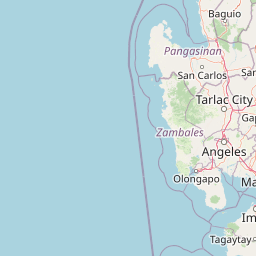
Map view of Olongapo Naval Base Perimeter National Park

Use this park location map to pinpoint Olongapo Naval Base Perimeter National Park in Philippines, understand its exact geographic position, and read its mapped placement within the surrounding landscape more clearly.

Pigeon | © OpenStreetMap contributors

Location context for Olongapo Naval Base Perimeter National Park

Zambales
Park atlas

Compare protected landscapes and coastal park geography across the Zambales region and Subic Bay vicinity.

Discover Other National Parks and Protected Areas Near Olongapo Naval Base Perimeter National Park
Browse other national parks and protected areas within the regional geography surrounding Olongapo Naval Base Perimeter National Park, including coastal parks and diverse protected landscapes. This geographic context enables comparison of distinct protected-area categories and reveals the broader conservation landscape across Zambales province and Luzon.
National parkPhilippines

Aurora Memorial National Park: A Protected Landscape in the Philippines' Sierra Madre

Explore mapped boundaries and endemic avian habitat.

Aurora Memorial National Park represents a critical conservation area situated within the Philippines' Sierra Madre mountain range. Spanning a significant stretch along the eastern mountain slopes, this national park is characterized by its lowland dipterocarp forest ecosystem, recognized for supporting diverse flora and fauna. It is particularly noted as an Important Bird Area, crucial for endemic species like the Philippine eagle and various other avian populations, highlighting its ecological significance within the archipelago's geography.

Area
56.76 km²
Established
1937
IUCN
V
National parkNueva Vizcaya

Bangan Hill National Park: A Protected Landscape within Nueva Vizcaya's Geography

Explore its mapped terrain and cultural significance.

Bangan Hill National Park is a crucial protected area nestled in Nueva Vizcaya, Philippines. This page details its specific geography, including its role as a distinct hill within the broader Cagayan Valley landscape. Users can explore the park's mapped boundaries, understand its role as a national park, and discover the surrounding mountain context of the Caraballo and Cordillera Central ranges. It offers a unique perspective on the region's natural and historical significance, serving as a focal point for protected landscape exploration.

Area
0.139 km²
Established
1995
IUCN
II
National parkIlocos Sur

Northern Luzon Heroes Hill National Park: Coastal Mountain Geography and Protected Landscape Identity

Discover the mapped terrain and forest boundaries of this Philippine national park.

Northern Luzon Heroes Hill National Park offers a detailed look at a unique protected landscape in the Philippines' Ilocos Sur region. Its dramatic coastal mountain geography, characterized by steep forested slopes and ravines, stands apart from the typical flat terrain of the area. This national park serves as a significant mapped natural area, preserving vital forest cover and providing insights into the region's ecological context and landscape diversity.

Area
13.16 km²
Established
1963
IUCN
V
National parkAbra

Cassamata Hill National Park: Philippine National Park with Hilltop Views of Abra Valley

Mapped geography of the Abra River valley and surrounding mountain ranges.

Cassamata Hill National Park is a protected landscape in Abra, Philippines, notable for its summit viewpoints that capture the expansive Abra River valley and the imposing Cordillera Central and Ilocos mountain ranges. Visitors can explore the mapped terrain from this elevated vantage point, offering a comprehensive view of the regional geography, including the distinctive silhouette of Mount Banti Goolong, also known as the Sleeping Beauty. This national park provides crucial insight into the protected area's context within the broader Cordillera region.

Area
0.57 km²
Established
1974
IUCN
V
National parkCebu

Guadalupe Mabugnao Mainit Hot Spring National Park: Protected Landscape and Watershed Geography

Explore hot springs, caves, and mapped terrain in Cebu.

Guadalupe Mabugnao Mainit Hot Spring National Park is a protected national park in Cebu, Philippines, recognized for its significant watershed function and unique natural features. Spanning forested highland terrain within the Mantalongon mountain range, the park protects natural hot springs, explored cave systems such as Cave Lorett, and river networks vital to local water supply. Its identity as a protected landscape offers rich opportunities for geographic exploration, mapping its boundaries, and understanding its role within the regional natural terrain and conservation efforts.

Area
0.575 km²
Established
1972
IUCN
V
National parkPhilippines

Kuapnit Balinsasayao National Park: Philippines Old-Growth Forest and Endemic Wildlife Atlas

Explore protected landscape boundaries and mountainous terrain on Leyte Island.

Kuapnit Balinsasayao National Park stands as a key protected area within the Philippines, distinguished by its mature old-growth forests and its critical role in conserving endemic bird species unique to the Eastern Visayas. Located on Leyte Island within the mountainous terrain of the Anonang-Lobi Mountain Range, the park's protected landscape identity is central to understanding its geographic significance. This park offers a valuable entry point for exploring the mapped natural features and conservation importance of protected areas across the Philippine archipelago.

Area
3.64 km²
Established
1937
IUCN
V
Relief
Mountain
National parkTaiwan

Dongsha Atoll National Park: Taiwan's South China Sea Protected Coral Atoll Landscape

Explore mapped marine geography and vital seagrass ecosystems.

Dongsha Atoll National Park is a protected coral atoll in Taiwan, situated in the northern South China Sea. This national park is distinguished by its circular atoll structure, encompassing extensive shallow reef systems and vital seagrass beds. Its marine geography is central to its identity, supporting diverse aquatic life and serving as a crucial protected landscape for regional ecological connectivity. Users can delve into the mapped context and distinct protected-area characteristics of this unique atoll.

Area
3,537 km²
Established
2007
IUCN
II
National parkTaiwan

South Penghu Marine National Park: A Protected Volcanic Island Landscape in Taiwan's Penghu Archipelago

Mapped marine protected areas and unique geological features.

Discover the unique atlas value of South Penghu Marine National Park, Taiwan's protected national park renowned for its dramatic columnar basalt landforms and extensive coral reef systems. This marine protected area provides critical habitat for diverse species and showcases a rugged island geography shaped by volcanic activity. Explore its mapped boundaries and unique geological formations, including famous sea caves, offering a distinct context for landscape discovery.

Area
358.44 km²
Established
2014
IUCN
II

Common questions about visiting, size, designation, and location context for Olongapo Naval Base Perimeter National Park

Olongapo Naval Base Perimeter National Park FAQs for park facts, access, geography, and protected area context
Find quick answers about Olongapo Naval Base Perimeter National Park, including protected-area facts, park geography, trail and visitor context, and how the park fits into its surrounding country and regional landscape.
MoriAtlas Explorer

Continue Your Protected Areas Search Across the Global Atlas

Deepen your exploration by continuing the structured search for national parks and protected areas worldwide. Utilize the comprehensive filtering capabilities to compare different conservation landscapes and refine your understanding of global park geography. Discover more about the distribution and characteristics of protected natural areas.

Global natural geography