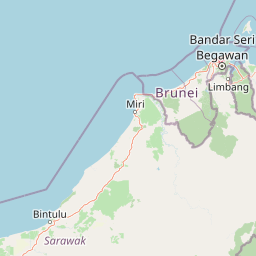
Why Luagan Lalak Forest Recreation Park stands out
Luagan Lalak is best known for its exceptional freshwater swamp ecosystem, one of the few remaining intact wetland environments in Brunei. The park's dark waters surrounded by expansive Lepironia articulata fields create a distinctive visual landscape that sets it apart from other recreational forests in the region. The wetland supports an impressive diversity of birdlife, making it a prime destination for birdwatchers and wildlife photographers. The park is also notable for being a rare example of a natural, undisturbed wetland preserved within a recreation park context, rather than a plantation or degraded forest area. Local dragon mythology adds cultural dimension to the natural landscape.
Luagan Lalak Forest Recreation Park history and protected-area timeline
Luagan Lalak Forest Recreation Park was established in 1980, representing an early effort by Brunei to designate and protect representative examples of the nation's natural habitats within a recreational framework. Initial development was modest, with only about 10 hectares initially opened to the public. Additional groundwork was carried out in 1993, expanding the park's infrastructure and visitor facilities. As part of Brunei's 6th National Development Plan, the Forestry Department undertook further development efforts in 1998 to enhance the park's recreational and conservation capabilities. The park underwent subsequent renovations before its official reopening in 2012, an event marked by the presence of Yahya Bakar, then minister of industry and primary resources, commemorating World Forestry Day. By May 2018, the park had welcomed over 81,000 visitors since opening to the public in 2001, demonstrating consistent interest in this wetland destination.
Luagan Lalak Forest Recreation Park landscape and geographic character
The landscape of Luagan Lalak Forest Recreation Park is defined by its freshwater swamp character, a distinctive environment within Brunei's broader forest coverage. The alluvial swamp consists of dark, non-flowing waters that create a striking visual environment, contrasting with the more common tropical rainforest landscapes found throughout Borneo. The swamp supports extensive fields of Lepironia articulata, locally known as purun, which produces grass-like vegetation with characteristic triangular stems and small blossoms. These purun fields dominate much of the wetland, creating open vistas across the water surface. Melaleuca leucacendra trees punctuate the swamp landscape, adding vertical diversity to the otherwise horizontal wetland terrain. The park's topography remains relatively flat, consistent with its swamp nature, though the surrounding Labi Hills provide a subtle backdrop to the wetland basin. A 200-metre wooden bridge crosses the primary water body, elevated above the water surface to allow visitors to traverse the swamp while minimizing ecological disturbance.
Luagan Lalak Forest Recreation Park ecosystems, habitats, and plant life
The ecological character of Luagan Lalak centers on its freshwater swamp ecosystem, a habitat type that has become increasingly rare across Borneo due to drainage and development pressures. The empran wetland environment supports a complex web of aquatic and terrestrial species adapted to the dark, nutrient-rich waters and dense vegetation of the swamp. The Lepironia articulata vegetation forms the dominant plant community, creating extensive beds that provide habitat structure for numerous insect, fish, and bird species. The dark water colour results from tannins and organic acids released by decomposing vegetation, a characteristic of freshwater swamp systems worldwide. This wetland type serves important ecological functions including water filtration, flood regulation, and carbon storage. The park's classification as a nature park under Brunei Forestry Department jurisdiction reflects its dual role as both a recreational area and a protected conservation zone.
Luagan Lalak Forest Recreation Park wildlife and species highlights
Luagan Lalak supports a remarkable diversity of wildlife, particularly avifauna, making it a destination of choice for birdwatchers and nature photographers. The swamp habitat attracts both migratory and resident bird species, with more than twenty notable species documented within the park. Notable birds include the garnet pitta, a brightly coloured ground-dwelling bird, the large and elusive argus pheasant, the striking Storm's stork, the distinctive Bornean bristlehead with its bristly plumage, and the impressive rhinoceros hornbill with its large casqued bill. Other significant species include the great slaty woodpecker, crested fireback pheasant, red-billed malkoha, common kingfisher, buffy fish owl, and various broadbill species including the black-and-yellow, black-and-red, and green broadbills. Small mammals present include the Sunda pangolin, a scaly anteater, the maroon leaf monkey, the colugo, and Horsfield's tarsier, all species typical of Bornean forest habitats.
Luagan Lalak Forest Recreation Park conservation status and protection priorities
Luagan Lalak Forest Recreation Park holds significant conservation value as one of Brunei's primary wetland protection areas. The park represents a rare example of intact natural freshwater swamp ecosystem within the nation, distinguishing it from many recreational forest areas that contain plantation or disturbed habitats. The wetland serves as an important habitat for species of conservation concern, including several bird species protected under regional and international frameworks. The Forestry Department's management of the area reflects Brunei's broader commitment to environmental preservation, with the park functioning as both a conservation zone and a site for environmental education and recreation. The 1980 establishment date places the park among the earliest protected areas designated in Brunei, demonstrating longstanding recognition of the wetland's ecological importance.
Luagan Lalak Forest Recreation Park cultural meaning and human context
Luagan Lalak carries cultural significance through local oral traditions that explain the landscape's formation through mythological narratives. According to one traditional account, a large dragon once meditated in a deep hole within the area, and upon awakening, expanded the surrounding landscape with its tail, filling the meditation site with water to create a lake filled with plants and fish before departing to the sea via a nearby river. A second tale describes a fisherman who, having exhausted all local fishing spots, received guidance from a dragon in a dream to discover a vast fish-filled lake to the north, resulting in such abundant catches that he became lost and ultimately settled in the area. These dragon narratives connect the physical landscape to cultural identity within the local community, providing interpretive context for visitors beyond the park's ecological features.
Top sights and standout views in Luagan Lalak Forest Recreation Park
The standout features of Luagan Lalak include its pristine freshwater swamp environment with dark, still waters surrounded by extensive Lepironia articulata fields, creating one of the most visually distinctive wetland landscapes in Brunei. The 200-metre wooden boardwalk provides visitor access into the heart of the swamp, offering intimate views of the wetland ecosystem. The exceptional bird diversity, including species such as the rhinoceros hornbill, garnet pitta, and Bornean bristlehead, makes the park a premier destination for birdwatching in the region. The park's rarity as a natural, undisturbed wetland within a protected recreational area distinguishes it from plantation or degraded forest recreation sites. Three gazebos on stilts provide resting points for visitors exploring the wetland.
Best time to visit Luagan Lalak Forest Recreation Park
The best time to visit Luagan Lalak Forest Recreation Park aligns with Brunei dry season conditions, typically from February through April, when rainfall is reduced and visitor access is most convenient. The wet season from May through January brings higher rainfall amounts that can affect visitor comfort and trail conditions, though the swamp ecosystem itself remains accessible year-round. The park can be visited throughout the year, though bird activity may vary seasonally, with migratory species present during their respective passage periods. Morning visits offer optimal birdwatching conditions when wildlife is most active, and the cooler temperatures of early daylight hours enhance visitor comfort in the tropical environment.