Why Rajang Mangroves National Park stands out
Rajang Mangroves National Park is best known for its extensive mangrove swamp ecosystems that dominate the lower Rajang River delta. The park provides critical habitat for proboscis monkeys, the distinctive long-nosed primates that are endemic to Borneo and are rarely found in such dense concentrations elsewhere. Estuarine crocodiles also inhabit the mangroves, while the wetland systems serve as important staging and feeding grounds for migratory bird species that travel along the East Asian-Australasian flyway. The combination of mangrove forest, tidal channels, and riverine environments creates a multifaceted protected area that is recognized for its ecological significance in the broader context of Borneo conservation.
Rajang Mangroves National Park history and protected-area timeline
Rajang Mangroves National Park was officially gazetted on 29 May 2000, establishing formal protection for the mangrove ecosystems of the lower Rajang River delta. The designation came in response to growing concerns about mangrove forest degradation in Sarawak, where historical surveys revealed notably poor natural regeneration rates in exploited areas. A 1974 survey of the Rajang delta showed that natural regeneration success was less than 10 percent, highlighting the vulnerability of these ecosystems to unsustainable harvesting practices.
Following establishment, the park became a focal point for community-based conservation approaches that combine ecological restoration with livelihood support. The Ecological Fiscal Transfer for Biodiversity Conservation program and the Mangrove Forest Rewilding Project represent innovative financing mechanisms that have supported habitat restoration activities within the park boundaries. These programs emphasize active participation from local residents in conservation activities, recognizing that sustainable protection requires community buy-in and engagement.
The park has also been integrated into broader state conservation frameworks, including alignment with Sarawak's Post COVID-19 Development Strategy 2030. Monitoring capabilities have been enhanced through the Sarawak e-Biodiversity system, which enables systematic tracking of species and habitat conditions. Training initiatives such as the Honorary Wildlife Ranger Workshop have built local capacity for wildlife enforcement and conservation management, positioning the park as a model for integrated conservation and community outreach in the region.
Rajang Mangroves National Park landscape and geographic character
The landscape of Rajang Mangroves National Park is defined by the dynamic interaction between the Rajang River and the tidal influences of the South China Sea. The park encompasses extensive mangrove forests that grow in the intertidal zone, their root systems visible above the muddy substrate as the characteristic prop roots that allow the trees to survive in constantly changing water levels. Tidal channels dissect the mangrove forest, creating a complex network of waterways that shift with the twice-daily tidal cycle.
The terrain is flat and low-lying, rarely rising more than a few meters above sea level, which is typical of deltaic environments. The substrate consists of soft mud and silt deposits that accumulate from the river's flow, creating nutrient-rich but challenging conditions for vegetation. Within the mangrove forest, zones of different species occur based on their tolerance for salt water and frequency of tidal inundation, creating a vertical stratification from the water's edge inward. The surrounding landscape includes the broad floodplain of the Rajang River system and the coastal mudflats that extend beyond the mangrove boundaries.
Rajang Mangroves National Park ecosystems, habitats, and plant life
The nature of Rajang Mangroves National Park centers on its mangrove forest ecosystems, which represent some of the most productive habitats on Earth. These tidal forests support complex food webs that begin with the decomposition of leaf litter and detritus, fueling populations of crustaceans, mollusks, and fish that in turn support larger predators. The mangroves also function as nitrogen and phosphorus filters, improving water quality as river water passes through the forest before entering the coastal sea.
The vegetation of the park includes multiple mangrove species adapted to varying levels of salinity and tidal inundation. Historical surveys have identified challenges with natural regeneration, as inadequate seed tree retention, poor soil conditions in degraded areas, and competition from secondary growth species have limited forest recovery in some zones. Species such as Acanthus ilicifolius and Acrostichum aureum represent common secondary growth that can compete with desired mangrove species in disturbed areas. The park's conservation programs specifically address these regeneration challenges through active restoration efforts.
Rajang Mangroves National Park wildlife and species highlights
The wildlife of Rajang Mangroves National Park includes several species of significant conservation interest that depend on mangrove habitat for their survival. Proboscis monkeys, known for their distinctive elongated noses, are among the most notable mammal species found in the park. These arboreal primates are endemic to Borneo and are commonly found in mangrove forests where they feed on leaves, fruits, and seeds. Their social groups typically move through the canopy along tidal waterways, making the park's network of channels ideal habitat.
Estuarine crocodiles also inhabit the mangrove waterways, using the tidal channels and mudflats as hunting grounds. These apex predators are well adapted to the brackish water environment and can be found basking on mud banks or swimming through the tidal channels. The park supports diverse birdlife, including numerous migratory species that use the East Asian-Australasian flyway. These waterbirds use the mudflats and mangrove areas as staging grounds during their long-distance migrations, feeding on crabs, fish, and other invertebrates that thrive in the productive wetland environment.
Rajang Mangroves National Park conservation status and protection priorities
Rajang Mangroves National Park serves an important conservation function as a protected area for mangrove ecosystems that face multiple pressures across their range. The establishment of the park in 2000 represented a commitment to preserving the ecological integrity of the Rajang delta, recognizing the critical services these forests provide to both wildlife and human communities. The park's category II protected area status reflects its designation as a national park with primary objectives of ecosystem conservation and environmental protection.
The conservation approach at Rajang Mangroves integrates habitat restoration with community engagement, recognizing that effective protection requires addressing the underlying drivers of habitat degradation. The Mangrove Forest Rewilding Project has directly addressed historical regeneration failures by establishing nursery populations and actively replanting degraded areas with native species. The ecological fiscal transfer program provides ongoing funding that supports conservation activities while creating economic opportunities for local communities. Monitoring through the e-Biodiversity system enables adaptive management based on systematic data collection, supporting evidence-based conservation decision-making.
Rajang Mangroves National Park cultural meaning and human context
The cultural context of Rajang Mangroves National Park is closely tied to the riverine and coastal communities that have historically depended on the resources of the Rajang delta. Local fishing communities utilize the mangrove areas as sources of fish, crabs, and other seafood that form dietary staples and provide income. The park's community-based conservation model explicitly recognizes these traditional relationships and seeks to maintain sustainable resource use while protecting ecosystem integrity.
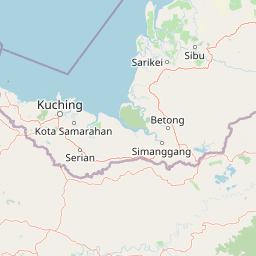
The location near Sarikei connects the park to a regional center that has developed in conjunction with the river's resources. The indigenous communities of Sarawak have long-standing relationships with the mangrove environments, though specific cultural heritage details would require additional local sources. The park's management approach emphasizes training and capacity building for local residents, including wildlife ranger programs that provide employment and involvement in conservation activities.
Top sights and standout views in Rajang Mangroves National Park
The highlights of Rajang Mangroves National Park center on its role as a premier mangrove conservation area in Borneo, protecting one of the largest remaining expanses of this critical habitat type in the region. The park provides essential habitat for proboscis monkeys, offering opportunities to observe these charismatic primates in their natural mangrove forest environment. The presence of estuarine crocodiles adds to the wildlife viewing interest, while the birdlife, particularly during migration seasons, attracts those interested in observing migratory waterbirds along the East Asian-Australasian flyway.
The park's innovative conservation model, combining habitat restoration with community participation and sustainable livelihood support, represents a notable approach to protected area management. The restoration of over 2,000 mangrove plants through community involvement demonstrates tangible conservation outcomes. The integration with broader state development strategies and systematic biodiversity monitoring through the e-Biodiversity system position this park as a model for integrated conservation in Sarawak.
Best time to visit Rajang Mangroves National Park
The best time to visit Rajang Mangroves National Park considers the tropical climate of Sarawak, where rainfall is distributed throughout the year but monsoon seasons bring more intense precipitation between November and February. The drier months from March through October generally offer more comfortable conditions for wildlife viewing and exploration, though brief showers can occur in any season. The tidal cycle significantly affects the park experience, as the mangrove waterways and exposed mudflats change dramatically between high and low tide, influencing which areas are accessible and what wildlife might be visible.
Wildlife viewing for proboscis monkeys tends to be most productive during the cooler morning hours when these primates are most active in the canopy. Bird watching is particularly rewarding during the migration seasons when migratory species pass through the delta, though resident waterbirds can be observed throughout the year. The park's mangrove environment is accessible year-round, though the experience will differ with seasonal variations in water levels and vegetation appearance.