Why Côn Đảo National Park stands out
Côn Đảo National Park is particularly known for its marine biodiversity and endangered species populations. The surrounding waters support significant populations of green sea turtles and hawksbill turtles, which nest on the islands' beaches. The park is also notable for its dugong populations, as the archipelago represents one of the few remaining strongholds for this endangered marine mammal in Vietnamese waters. The coral reef systems around the islands support diverse fish communities, and regular dolphin sightings occur in the deeper waters surrounding the archipelago. The park's dual recognition for both natural and cultural heritage potential, with UNESCO noting its eligibility as a mixed World Heritage site, distinguishes it among Vietnam's protected areas.
Côn Đảo National Park history and protected-area timeline
Côn Đảo National Park was officially established in 1993, designation that formalized protection for the islands' natural resources after decades of logging and agricultural expansion had degraded much of the original forest cover. The park's establishment came amid growing recognition of the archipelago's ecological significance, particularly its marine environments and endangered species populations. In 2013, the park achieved international recognition as a Ramsar Wetland, formalizing its status as a site of importance for wetland conservation and adding to Vietnam's network of protected wetlands under the Ramsar Convention. The park has faced development pressures, most notably a proposed paved road project that would traverse the island's interior. This project generated significant controversy, with environmental activists raising concerns about impacts on the park's forest ecosystems and wildlife habitat. While initially rejected by the national government, construction on the road began in 2017 and remained ongoing as of early 2018, representing an ongoing tension between development aspirations and conservation priorities in the park.
Côn Đảo National Park landscape and geographic character
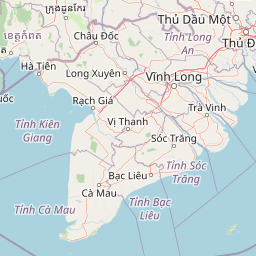
The Côn Đảo archipelago presents a distinctive island landscape dominated by mountainous terrain on the main island. The hills rise steeply from the coastline, covered in dense tropical forest that transitions from lowland evergreen forest at lower elevations to montane forest on the higher slopes. The coastline features a mix of rocky headlands, sandy beaches, and pocket coves, with some beaches serving as nesting sites for sea turtles. The surrounding marine environment encompasses coral reef platforms that fringe parts of the island, seagrass beds in shallower areas, and deeper waters that support pelagic species. The islands sit in the South China Sea, approximately 230 kilometers from Ho Chi Minh City, giving them a remote character that has helped preserve their natural state. The overall landscape combines the dramatic elements of a forested island rising from tropical seas with the ecological richness of coral reef and seagrass communities beneath the surface.
Côn Đảo National Park ecosystems, habitats, and plant life
The ecosystems within Côn Đảo National Park represent some of the most biodiverse marine environments in Vietnam. The park's marine component encompasses coral reef communities that support hundreds of species of reef fish, invertebrates, and other marine organisms. Seagrass beds in the shallow waters provide critical habitat for dugongs and serve as nursery areas for many fish species. The terrestrial environment features tropical forest that, while degraded from historical logging, continues to support native plant communities and provides habitat for resident and migratory bird species. The combination of marine and terrestrial habitats within a single protected area creates an integrated ecosystem that supports complex ecological interactions between land and sea. The park's designation as a Ramsar Wetland specifically recognizes the importance of these coastal and marine wetland habitats for biodiversity conservation.
Côn Đảo National Park wildlife and species highlights
The marine wildlife of Côn Đảo National Park represents its most significant conservation value. Both green sea turtles and hawksbill turtles use the islands' beaches for nesting, making the archipelago an important site for these threatened species in Vietnam. The surrounding waters support populations of dugongs, a marine mammal that has become increasingly rare in Vietnamese waters, making the park one of the most important remaining habitats for this endangered species. Dolphin species are regularly observed in the waters around the islands, and the coral reefs support diverse fish communities including numerous reef fish species. The terrestrial wildlife includes various bird species, both resident populations and migratory species that use the islands as a stopover point along East Asian flyways. While comprehensive species inventories are limited in the source material, the park's recognized importance for marine turtles and dugongs establishes its significance for threatened species conservation.
Côn Đảo National Park conservation status and protection priorities
Côn Đảo National Park holds significant conservation importance as one of Vietnam's primary sites for marine turtle protection and dugong conservation. The park's Ramsar Wetland designation in 2013 formally recognized the international significance of its coastal and marine ecosystems. The presence of both green sea turtles and hawksbill turtles, along with populations of endangered dugongs, places the park among Vietnam's most important areas for marine biodiversity conservation. UNESCO representatives surveyed the park in 2006 and concluded it met criteria for potential inscription as a mixed natural-cultural World Heritage Site, recognizing both the ecological significance and the historical importance of the archipelago. This dual recognition highlights the park's conservation value in both natural and cultural dimensions. However, ongoing development pressures, particularly the road construction project, represent challenges to the park's ecological integrity.
Côn Đảo National Park cultural meaning and human context
The Côn Đảo archipelago carries profound historical significance that shapes its cultural landscape. The islands served as the location of Côn Đảo Prison, a penal facility that held political prisoners during the French colonial period and later during the post-unification Vietnamese government period. The prison complex and its associated history of detention and suffering have made the islands a site of historical memory and commemoration. This historical layer adds a cultural dimension to the park that extends beyond its natural values, creating a landscape where visitors encounter both ecological landscapes and sites of historical significance. The combination of natural and cultural elements led UNESCO evaluators to note the park's potential as a mixed World Heritage Site, recognizing both its ecological importance and its cultural-historical significance.
Top sights and standout views in Côn Đảo National Park
Côn Đảo National Park stands out among Vietnam's protected areas for its combination of marine biodiversity, endangered species protection, and cultural-historical significance. The park provides critical habitat for sea turtles and dugongs in waters that remain relatively healthy compared to more heavily developed coastal areas. The coral reef systems around the islands offer opportunities for underwater observation of diverse marine life. The archipelago's historical role as a penal colony has left a cultural landscape that adds depth to the visitor experience. The park's potential as a future UNESCO World Heritage Site, recognized by preliminary UNESCO assessments, signals its international significance. Remote island character and relatively limited development compared to mainland protected areas give Côn Đảo a distinctive wild quality within Vietnam's protected area system.
Best time to visit Côn Đảo National Park
The optimal time to visit Côn Đảo National Park aligns with Vietnam's dry season, typically from November to April, when rainfall is minimal and sea conditions are calmer for marine activities. The dry season offers the best conditions for snorkeling and diving around the coral reefs, with clearer water visibility than during the wetter months. Sea turtle nesting activity occurs throughout the year with peaks that may vary, and the warmer months from April to November typically see more turtle activity on beaches. The wet season from May to November brings higher rainfall and rougher seas, which can limit marine access but may offer a different atmosphere for forest exploration. Visitors should note that the park's remote location means that access is dependent on ferry services from the mainland, which may be affected by weather conditions.